The Complete Guide to Porcelain Slab Backsplash Applications for Full-Height Designs
The Complete Guide to Porcelain Slab Backsplash Applications for Full-Height Designs
Updated on August 14, 2026
In the world of interior design, porcelain slab backsplashes are emerging as a transformative choice for full-height installations, combining aesthetic appeal with practical functionality. This complete guide will explore the various applications of porcelain slabs, particularly in kitchen and bathroom settings, where they can create stunning visual effects while offering exceptional durability and ease of maintenance. By the end of this article, you will understand how to select the right porcelain slab, the installation process, and the design possibilities that can elevate your space. Whether you’re a homeowner, designer, or contractor, this guide will provide valuable insights into using porcelain slabs effectively.
1. Understanding Porcelain Slabs
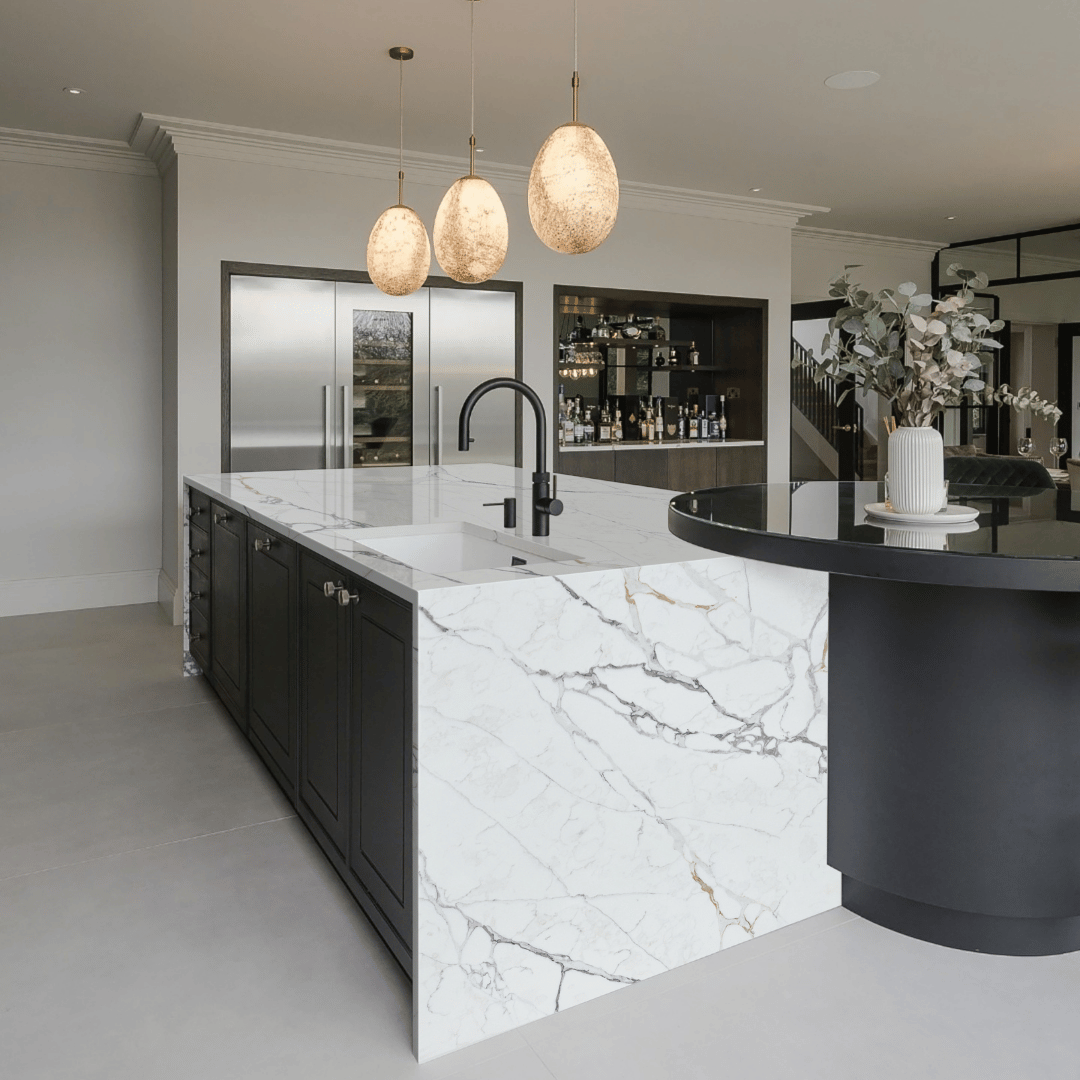
Porcelain slabs are large-format tiles made from dense, non-porous clay that is fired at high temperatures. This process results in a product that is not only visually striking but also incredibly strong and resistant to moisture, staining, and scratching. Their versatility makes porcelain slabs an ideal choice for various applications, including countertops, flooring, and backsplashes. When used for full-height backsplashes, they create a seamless look that can enhance the overall design of any space.
2. Benefits of Using Porcelain Slabs for Backsplashes
Utilizing porcelain slabs for full-height backsplashes offers numerous advantages:
- Durability: Porcelain slabs are highly resistant to wear and tear, making them perfect for high-traffic areas in kitchens and bathrooms.
- Water Resistance: Their non-porous nature ensures that moisture does not penetrate, preventing mold and mildew growth.
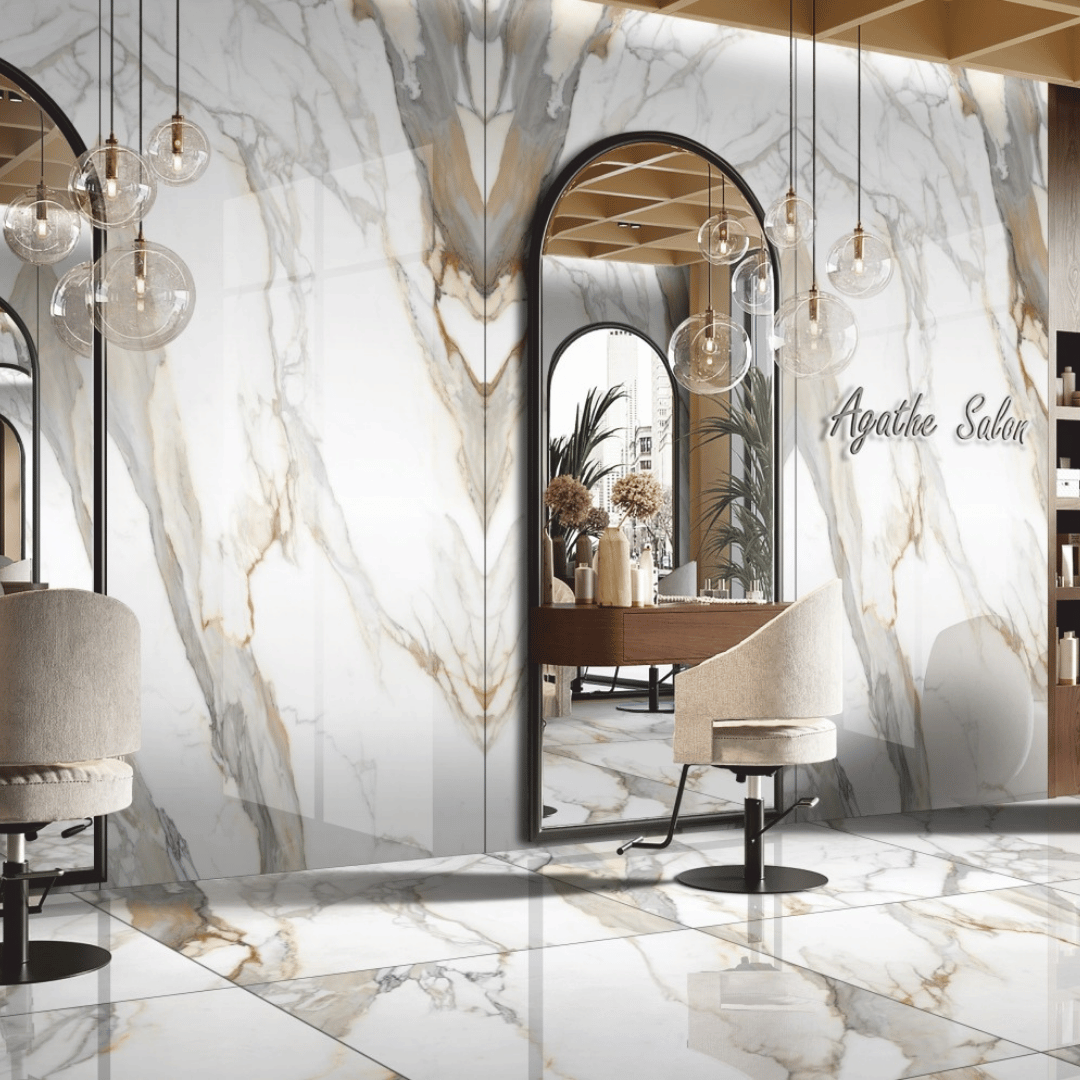
- Variety of Designs: Available in a wide range of colors, patterns, and finishes, porcelain slabs can mimic natural stone or offer unique designs that add character to your space.
- Easy Maintenance: Cleaning porcelain is simple; typically, a damp cloth and mild detergent are sufficient.
- Eco-Friendly Options: Many porcelain manufacturers are committed to sustainability, producing slabs from recycled materials.
3. Design Ideas for Full-Height Porcelain Slab Backsplashes
When it comes to designing with porcelain slab backsplashes, the possibilities are virtually endless. Here are some inspiring ideas:
3.1 Minimalist Aesthetic
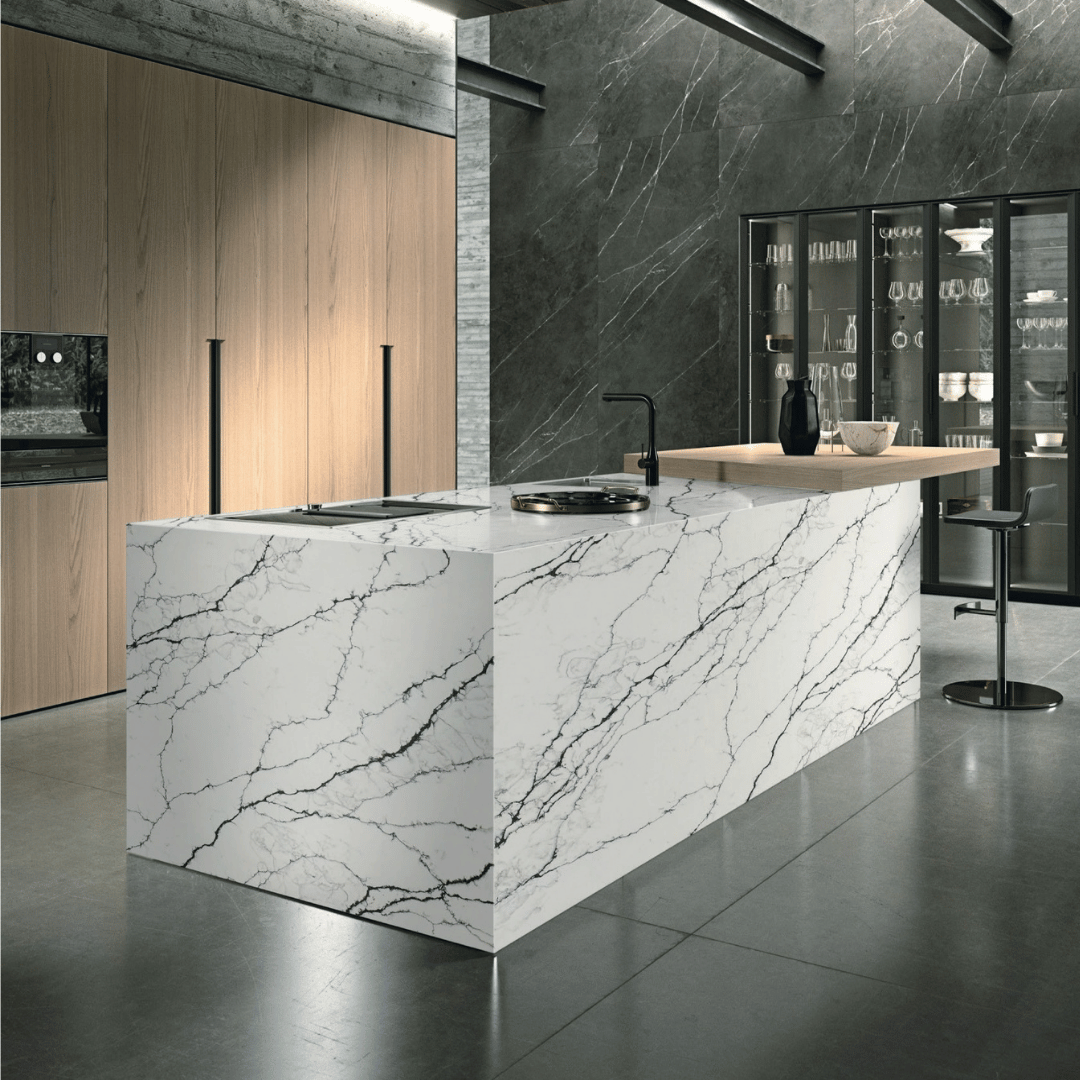
For a clean and modern look, consider a monochromatic porcelain slab that extends from countertop to ceiling. This creates a cohesive and spacious feel in the kitchen or bathroom.
3.2 Textured Surfaces
Incorporating textured porcelain slabs can add depth and interest to your space. Options like ribbed or 3D tiles create stunning focal points.
3.3 Bold Patterns
For those looking to make a statement, bold patterns or graphic designs can serve as an eye-catching backdrop in your kitchen or bathroom.
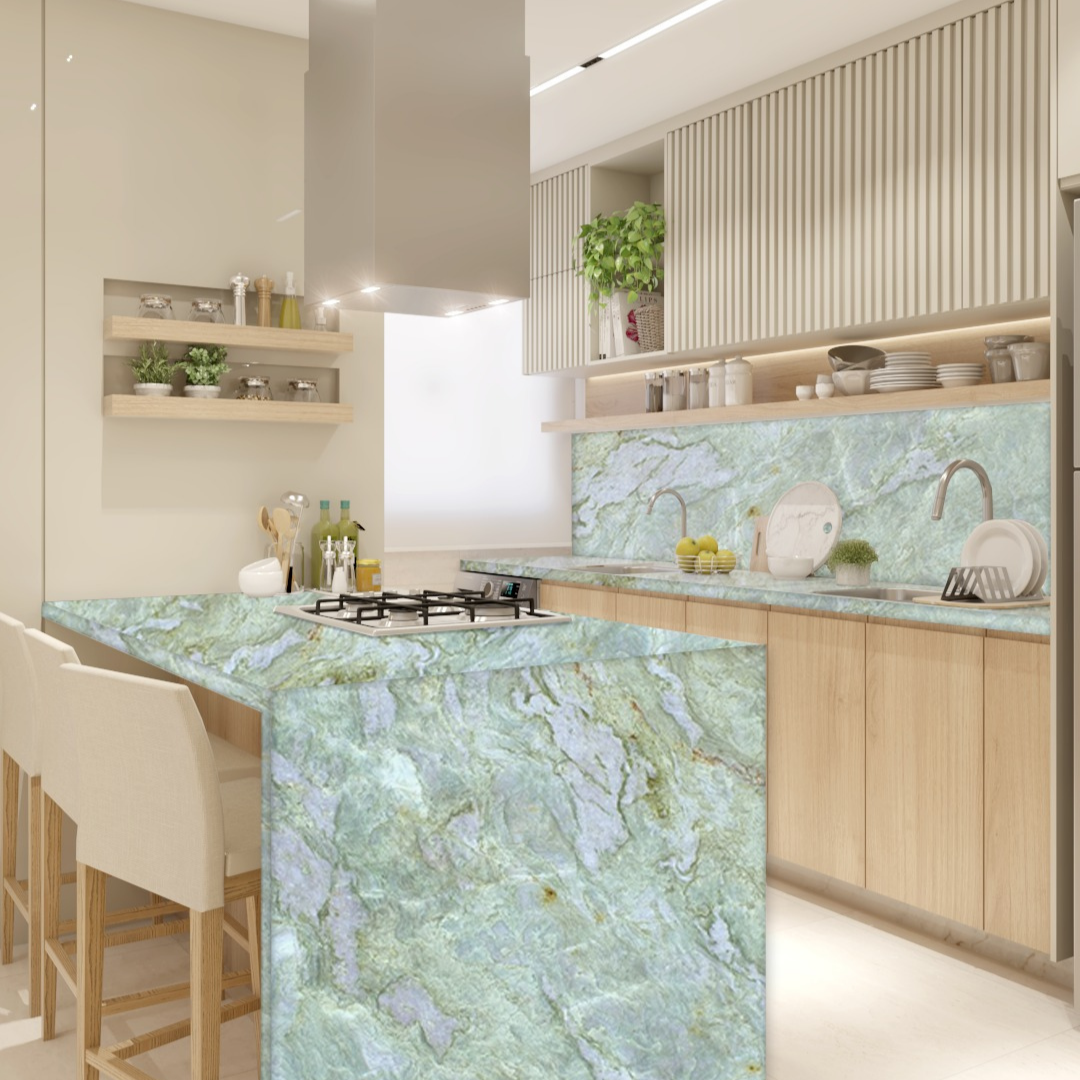
3.4 Colorful Accents
Choosing a vibrant color for your porcelain slab backsplash can add a playful touch, especially when paired with neutral cabinetry.
3.5 Combining Materials
Mixing porcelain slabs with other materials, such as wood or metal, can create a dynamic and layered look that enhances the overall design.
4. Choosing the Right Porcelain Slab
Selecting the right porcelain slab for your backsplash involves considering several factors:
4.1 Thickness and Size
Porcelain slabs come in various thicknesses, typically ranging from 6mm to 20mm. For backsplashes, a thickness of 12mm is often ideal, providing a balance of durability and aesthetic appeal. Additionally, large-format slabs reduce the number of seams, creating a more seamless appearance.
4.2 Color and Finish
When choosing color and finish, consider the overall design scheme of your space. Matte finishes can create a softer look, while polished finishes add a touch of luxury. It’s also essential to consider how the color will complement existing elements in your kitchen or bathroom.
4.3 Design Style
Align your choice of porcelain slab with your design style. Whether you prefer contemporary, traditional, or eclectic designs, there are porcelain options to match.
4.4 Performance Features
Some porcelain slabs come with added features, such as anti-bacterial properties or enhanced scratch resistance. Evaluate these features based on your specific needs.
5. Installation Process for Porcelain Slab Backsplashes
Installing a porcelain slab backsplash requires careful planning and execution. Here’s a step-by-step guide:
5.1 Preparation
Begin by measuring the area where the backsplash will be installed. Prepare the wall surface by ensuring it is clean, dry, and free of any debris.
5.2 Cutting the Slabs
Using a wet saw, cut the porcelain slabs to the desired dimensions. Precision is vital to ensure a perfect fit.
5.3 Applying Adhesive
Use a high-quality thin-set mortar specifically designed for porcelain tiles. Apply the adhesive evenly on the wall using a notched trowel.
5.4 Installing the Slabs
Carefully position the slabs onto the wall, pressing firmly to ensure proper adhesion. Use spacers to maintain even gaps between the slabs.
5.5 Grouting
Once the adhesive has cured, apply grout to the joints between the slabs. Choose a grout color that complements the porcelain for a cohesive look.
5.6 Sealing (If Necessary)
Depending on the finish of the porcelain slab, sealing may be necessary. Consult the manufacturer’s recommendations.
6. Maintenance Tips for Porcelain Backsplashes
To keep your porcelain slab backsplash looking pristine, follow these maintenance tips:
- Regular Cleaning: Wipe down the surface with a damp cloth and mild detergent regularly to prevent buildup.
- Avoid Harsh Chemicals: Steer clear of abrasive cleaners or harsh chemicals that could damage the finish.
- Address Stains Promptly: If spills occur, clean them immediately to prevent staining.
- Inspect for Damage: Regularly check for any chips or cracks, and address them promptly to maintain the integrity of the backsplash.
7. Cost Considerations and Budgeting
The cost of a porcelain slab backsplash can vary significantly based on several factors:
7.1 Material Costs
High-quality porcelain slabs typically range from $5 to $20 per square foot, depending on the brand and design. For premium options, expect to pay more.
7.2 Installation Costs
Professional installation can add an additional $10 to $30 per square foot. While DIY installation may save on labor costs, it requires skill and precision.
7.3 Additional Expenses
Consider costs for adhesives, grout, and other materials, which can add up. Budgeting for unexpected expenses is also advisable.
| Cost Component | Estimated Cost per Sq. Ft. |
|---|---|
| Porcelain Slab Material | $5 – $20 |
| Installation Labor | $10 – $30 |
| Adhesives & Grout | $1 – $3 |
| Total Estimated Cost | $16 – $53 |
8. Conclusion
Porcelain slab backsplashes are an excellent choice for homeowners and designers seeking to create stunning, functional spaces. With their durability, aesthetic versatility, and ease of maintenance, they offer a long-lasting solution for full-height applications. By understanding the benefits, selecting the right slab, and following proper installation and maintenance practices, you can achieve a beautiful and practical backsplash that elevates your kitchen or bathroom design. For further assistance in selecting and installing porcelain slabs, contact our surface specialists at Builder Stone Global, or visit our live inventory for premium options.
9. FAQ
What are porcelain slabs?
Porcelain slabs are large, dense tiles made from fired clay, known for their durability and aesthetic flexibility.
Can porcelain slabs be used for backsplashes?
Yes, porcelain slabs are ideal for backsplashes due to their water resistance and low maintenance requirements.
How do I clean porcelain slab backsplashes?
Regularly wipe them down with a damp cloth and mild detergent to keep them looking pristine.
What thickness of porcelain slab is best for backsplashes?
A thickness of 12mm is recommended for backsplashes, providing durability and a sleek appearance.
Are porcelain slabs eco-friendly?
Many porcelain slabs are made from recycled materials, making them an environmentally friendly choice.
How much do porcelain slab backsplashes cost?
Costs can range from $16 to $53 per square foot, depending on materials and installation.
Can I install porcelain slabs myself?
While DIY installation is possible, professional installation is recommended for the best results.
What design styles work well with porcelain slab backsplashes?
Porcelain slabs can complement various styles, including modern, minimalist, and traditional designs.