



Boosting Fabricator Revenue: Building Strong Designer and Builder Relationships
Boosting Fabricator Revenue: Building Strong Designer and Builder Relationships
In the competitive landscape of the natural stone distribution industry, fabricators are constantly seeking innovative ways to enhance their profitability. One of the most effective strategies is cultivating strong relationships with designers and builders. By leveraging these partnerships, fabricators can create a steady stream of recurring revenue that not only boosts their bottom line but also solidifies their reputation as trusted suppliers of premium quality materials. In this comprehensive guide, we will explore how fabricators can build and sustain these vital relationships, focusing on the value of collaboration, communication, and quality service.
Understanding the Importance of Relationships
In the world of fabricating and distributing architectural surfaces, the relationships between fabricators, designers, and builders are pivotal. These connections not only facilitate smoother project workflows but also lead to increased referrals and repeat business. A study conducted by the NAIOP found that 70% of builders rely heavily on trusted fabricators for their projects, emphasizing the critical role these partnerships play in the construction industry.
Identifying Key Stakeholders
To effectively build recurring revenue, fabricators must first identify the key stakeholders in the design and construction process. These typically include:
- Architects: They design the project and specify materials.
- Interior Designers: They select finishes and surfaces that align with the overall aesthetic.
- Builders/Contractors: They oversee the construction process and manage budgets.
- Homeowners: They are the end-users who influence decisions based on their preferences.
Understanding the roles and needs of each stakeholder allows fabricators to tailor their approaches, ensuring that the services offered align with project requirements. Engaging with these stakeholders early in the design process can lead to a more collaborative approach, ultimately enhancing the end product.
Building Trust Through Quality Products
One of the most critical factors in establishing and maintaining relationships with designers and builders is the quality of the products offered. Fabricators must prioritize delivering high-performance surfaces that meet or exceed industry standards. This includes:
- Extensive Inventory: Offering a wide selection of premium quartz, porcelain, and natural stone slabs to cater to diverse design preferences.
- Consistent Quality Control: Ensuring that every slab meets rigorous quality checks for color consistency and durability.
- Architectural-Grade Sizing: Providing slabs that meet the specific requirements of architectural designs.
By establishing a reputation for quality, fabricators can create trust with designers and builders, leading to repeat business and referrals. For instance, Builder Stone Global’s extensive inventory and commitment to quality control have made it a preferred partner for many architects and designers across the Southeast.
Effective Communication Strategies
Clear and consistent communication is key to building strong relationships. Fabricators should adopt the following strategies:
- Regular Updates: Keep designers and builders informed about inventory levels, new arrivals, and product specifications.
- Feedback Mechanisms: Encourage open dialogue to gather feedback on products and services, which can help identify areas for improvement.
- Personalized Service: Tailor communications to the specific needs and preferences of each stakeholder.
Utilizing technology, such as project management tools and customer relationship management (CRM) software, can streamline communication and ensure that all parties are on the same page throughout the project lifecycle.
Creating Value for Designers and Builders
To build lasting relationships, fabricators must demonstrate value to designers and builders. This can be achieved through:
- Educational Resources: Providing guides, workshops, and webinars on the latest trends in architectural surfaces and design.
- Design Support: Offering assistance with material selection and design solutions, such as the best uses for porcelain slabs.
- Exclusive Promotions: Providing special pricing or promotional offers for repeat customers.
By focusing on these value-added services, fabricators can differentiate themselves from competitors and solidify their position as trusted partners in the design and construction process.
Leveraging Technology for Better Collaboration
In today’s digital age, technology plays a crucial role in enhancing collaboration between fabricators, designers, and builders. Here are some ways to leverage technology:
- Virtual Showrooms: Utilize virtual reality tools to showcase products and help designers visualize materials in their projects.
- Online Portfolios: Maintain an updated online inventory that designers and builders can access anytime, ensuring they have the latest options at their fingertips. Check our Live Inventory for real-time availability.
- Project Management Software: Use tools like Trello or Asana to manage projects collaboratively, allowing for seamless communication and task management.
By embracing technology, fabricators can streamline processes, reduce miscommunication, and ultimately strengthen their relationships with designers and builders.
Case Studies of Successful Partnerships
Examining successful case studies can provide valuable insights into building effective partnerships. Here are two examples:
Case Study 1: Collaborative Kitchen Design
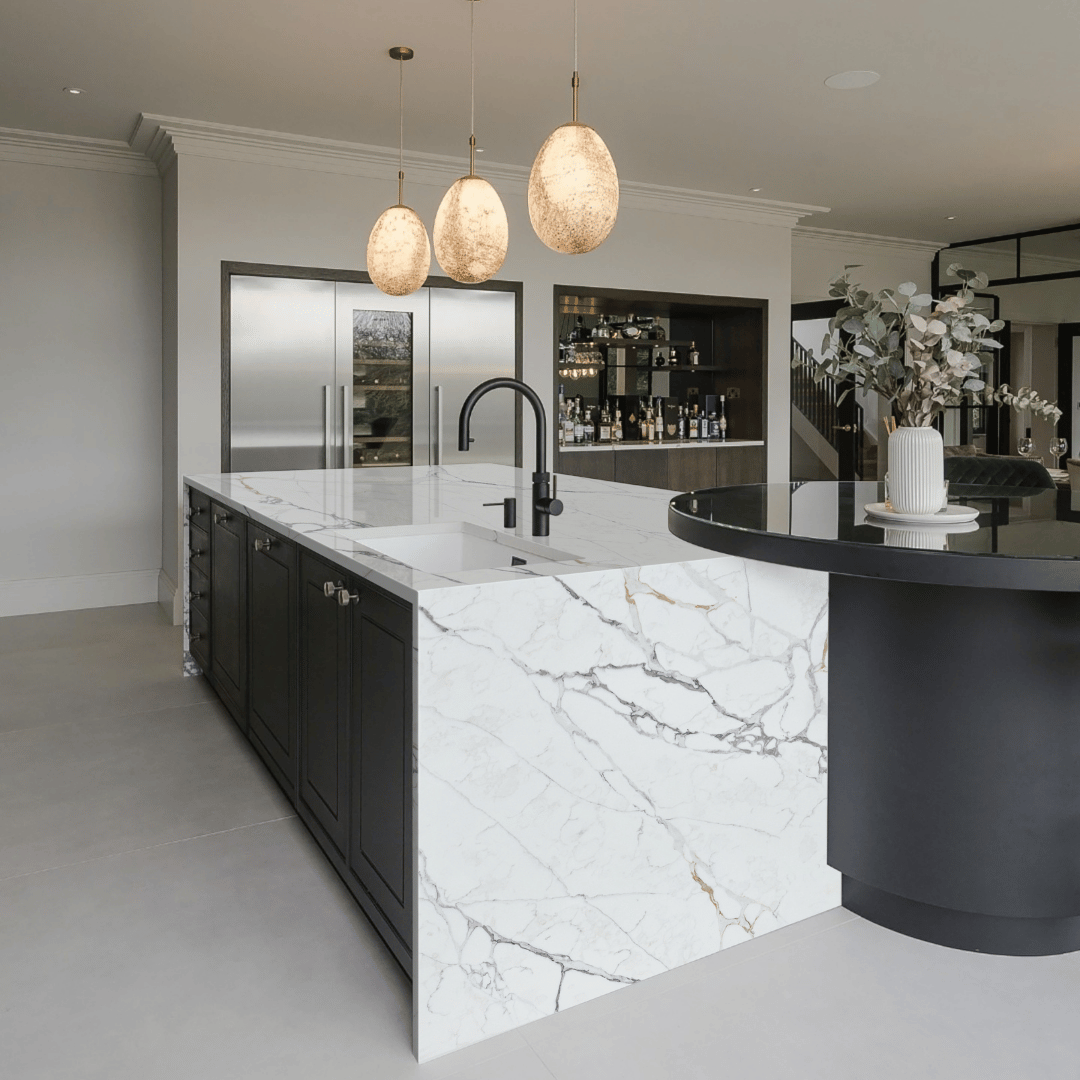
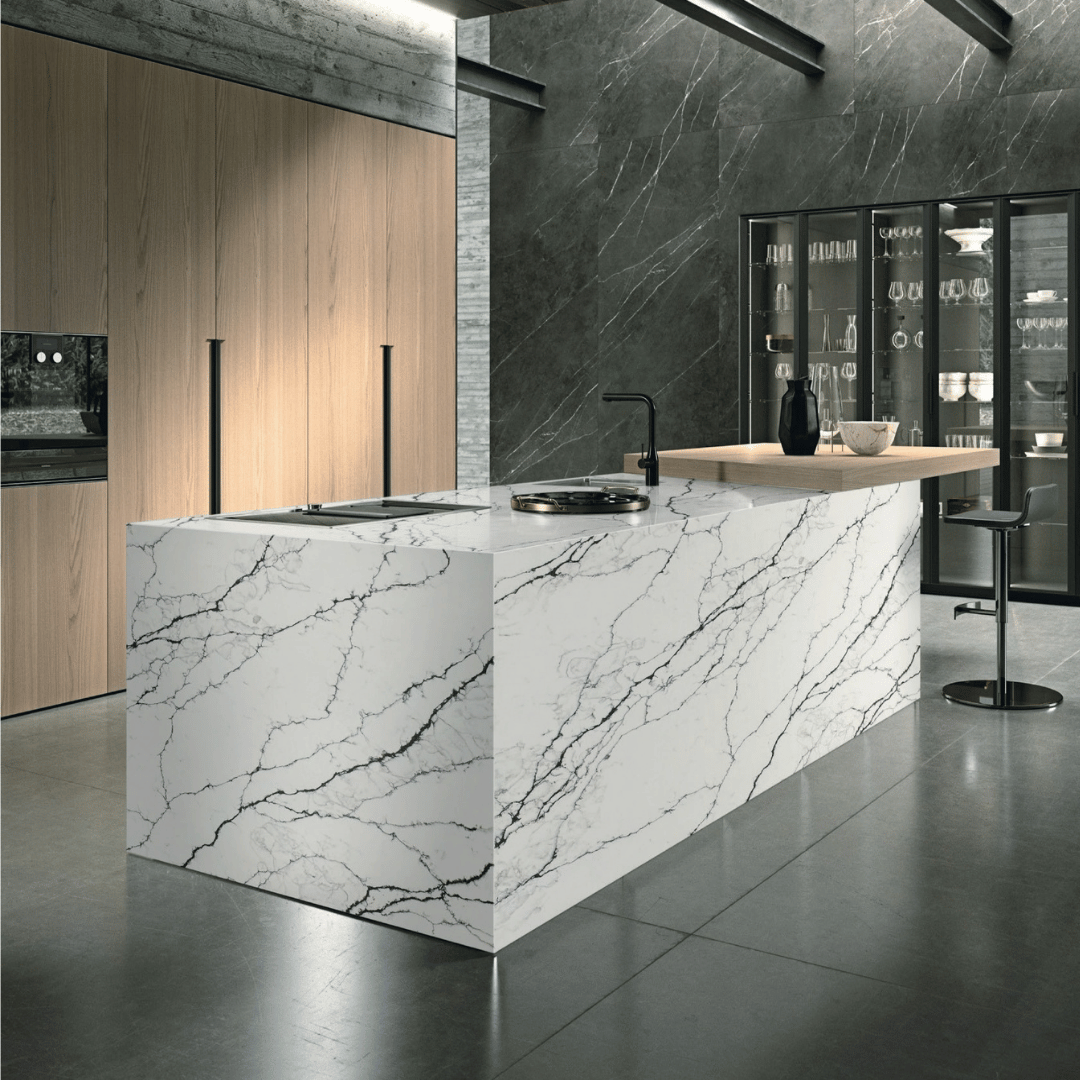
A fabricator partnered with a local designer to create a series of kitchen models featuring premium quartz surfaces. By collaborating on design and material selection, they were able to showcase the versatility of quartz in various kitchen styles. This partnership resulted in a 30% increase in sales for the fabricator as the designer frequently recommended their products to clients.
Case Study 2: Multi-Family Development Project
In a multi-family residential project, a fabricator worked closely with the builder to standardize materials across all units. By providing a consistent supply of granite and quartzite slabs, they ensured that the project met budget and timeline requirements. This collaboration not only solidified the fabricator’s reputation but also led to multiple follow-up projects with the builder.
Measuring Success and ROI
To evaluate the effectiveness of relationships with designers and builders, fabricators should establish key performance indicators (KPIs) such as:
- Repeat Business Rate: Track the percentage of clients returning for additional projects.
- Referral Rate: Measure the number of new clients gained through referrals from existing partners.
- Sales Growth: Monitor sales increases attributed to partnerships with designers and builders.
By regularly assessing these metrics, fabricators can identify areas for improvement and ensure that their efforts in building relationships are yielding positive results.
Conclusion
Building recurring revenue through designer and builder relationships is essential for fabricators looking to thrive in the competitive natural stone distribution market. By focusing on quality products, effective communication, and creating value, fabricators can cultivate strong partnerships that lead to sustained success. As the industry evolves, embracing technology and continually measuring performance will further enhance these relationships, driving growth and profitability. For fabricators ready to take the next step, visit our contact page to speak with our surface specialists and explore how Builder Stone Global can support your business.
FAQs
1. How can fabricators increase their revenue through designer relationships?
Fabricators can increase revenue by building strong, trust-based relationships with designers, leading to repeat business and referrals.
2. What role do builders play in a fabricator’s success?
Builders are key stakeholders who influence material selection and can drive repeat projects if they trust the fabricator’s quality and reliability.
3. How important is product quality in building relationships?
Product quality is critical as it establishes trust and reliability, encouraging designers and builders to recommend the fabricator to their clients.
4. What are effective communication strategies for fabricators?
Regular updates, feedback mechanisms, and personalized service are effective communication strategies that enhance relationships.
5. How can technology improve collaboration between fabricators and designers?
Technology, such as virtual showrooms and project management software, can streamline communication and enhance collaboration.
6. What are some value-added services that fabricators can offer?
Educational resources, design support, and exclusive promotions can provide additional value to designers and builders.
7. How can fabricators measure the success of their partnerships?
Fabricators can measure success through KPIs like repeat business rate, referral rate, and sales growth attributed to partnerships.
8. What are the benefits of collaborating on multi-family projects?
Collaborating on multi-family projects allows for standardized materials, which can streamline processes and ensure budget adherence.