
Understanding Slab Origin Countries: Quality and Value Insights
Understanding Slab Origin Countries: Quality and Value Insights
When it comes to selecting premium quartz, porcelain, and natural stone slabs for architectural surfaces, understanding slab origin countries is crucial for buyers. The origin not only influences aesthetic qualities but also plays a pivotal role in evaluating the quality and value of the materials. In this comprehensive guide, we will delve into why slab origin matters, how it affects the overall quality, and what buyers should consider when making their selections. By the end of this article, you will be equipped with the knowledge to make informed decisions, ensuring your projects are both beautiful and enduring.
1. The Importance of Slab Origin
The origin of a slab refers to the geographical location where the raw materials are sourced and processed. Understanding slab origin countries helps buyers evaluate quality and value because different regions have distinct geological formations, mining practices, and manufacturing standards. For instance, quartz slabs from Italy are often renowned for their aesthetic appeal and craftsmanship, while granite from Brazil is celebrated for its durability and unique patterns.
As a reputable quartz slab distributor in Norcross, GA, Builder Stone Global emphasizes the importance of sourcing materials from trusted origins. Each country brings unique characteristics to its slabs, impacting both the visual appeal and long-term performance of the surfaces. Additionally, awareness of origin can assist buyers in navigating potential supply chain issues and understanding pricing variations.
2. Key Factors Influencing Quality by Origin
Several factors contribute to the quality of stone slabs based on their country of origin:
- Geological Composition: The mineral content and geological formations of the source region significantly influence the properties of the stone. For example, quartzite from India often boasts vibrant colors due to the presence of iron oxide.
- Mining Practices: Ethical and sustainable mining practices can affect the quality of the slabs. Countries with stringent regulations tend to produce higher-quality materials. For instance, Italy is known for its meticulous extraction processes that prioritize quality over quantity.
- Manufacturing Standards: The technology and expertise used in processing slabs can vary widely between countries. Advanced machinery and skilled labor can produce superior finishes, as seen in porcelain slabs from Spain.
- Environmental Factors: Natural climate conditions can affect the durability of the stone. For example, granite from colder climates may exhibit higher resilience than those from tropical environments.
Comparison of Key Factors by Country
| Country | Geological Composition | Mining Practices | Manufacturing Standards |
|---|---|---|---|
| Italy | High-quality marble and quartz | Ethical, sustainable | Advanced technology, skilled artisans |
| Brazil | Diverse granite variations | Established regulations | Modern processing techniques |
| India | Rich quartzite with vibrant colors | Varied, some ethical sources | Improving standards |
| Spain | High-performance porcelain | Strict regulations | Leading-edge technology |
3. Evaluating Value: Beyond Aesthetics
While aesthetics are an undeniable factor in slab selection, value encompasses much more. Here are key aspects to consider:
- Durability: The longevity of a slab is paramount. For instance, granite slabs from Brazil are known for their exceptional durability, making them suitable for high-traffic areas.
- Maintenance Requirements: Different materials demand varying levels of upkeep. Quartzite, for example, requires sealing, whereas porcelain slabs often have lower maintenance needs.
- Cost of Installation: The complexity of installation can vary based on the material. Understanding the origin can help predict potential installation challenges and associated costs.
- Resale Value: High-quality slabs from reputable origins tend to retain their value better, making them a wise investment for homeowners and developers alike.
4. Comparing Popular Slab Origin Countries
In this section, we will compare some of the most popular countries for sourcing stone slabs. Each country has its unique strengths, catering to different needs and preferences.
Italy: The Epitome of Luxury
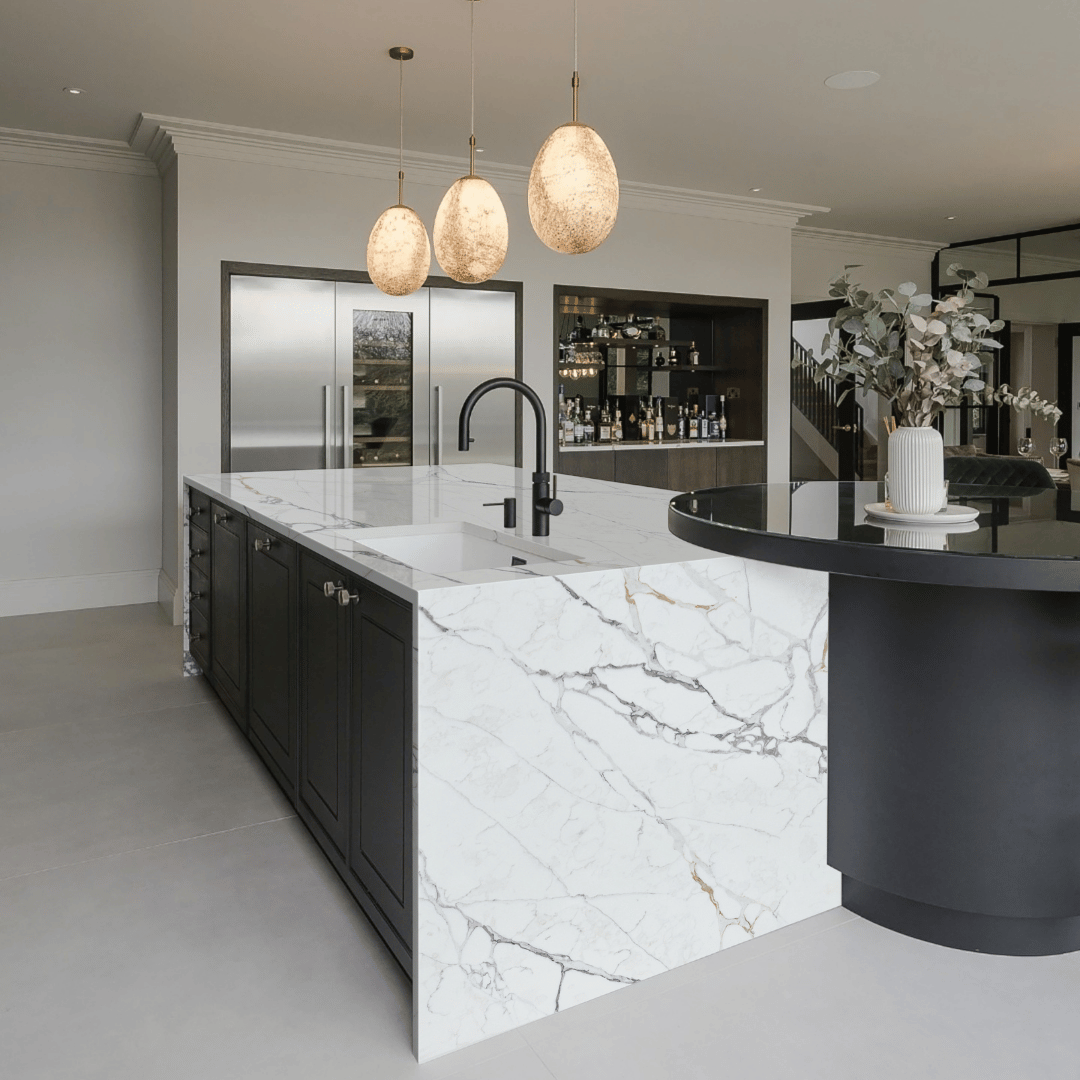
Italy is synonymous with luxury and elegance in the stone industry. Known for its exquisite marble and high-end quartz, Italian slabs often feature stunning veining and rich colors. Buyers seeking architectural elegance often gravitate towards Italian products for their superior craftsmanship.
Brazil: The Granite Powerhouse
Brazil is one of the largest exporters of granite in the world. Brazilian granite is celebrated for its durability and unique patterns, making it a popular choice for both residential and commercial applications. Its ability to withstand wear and tear makes it a favorite among builders.
India: Vibrant and Affordable Options
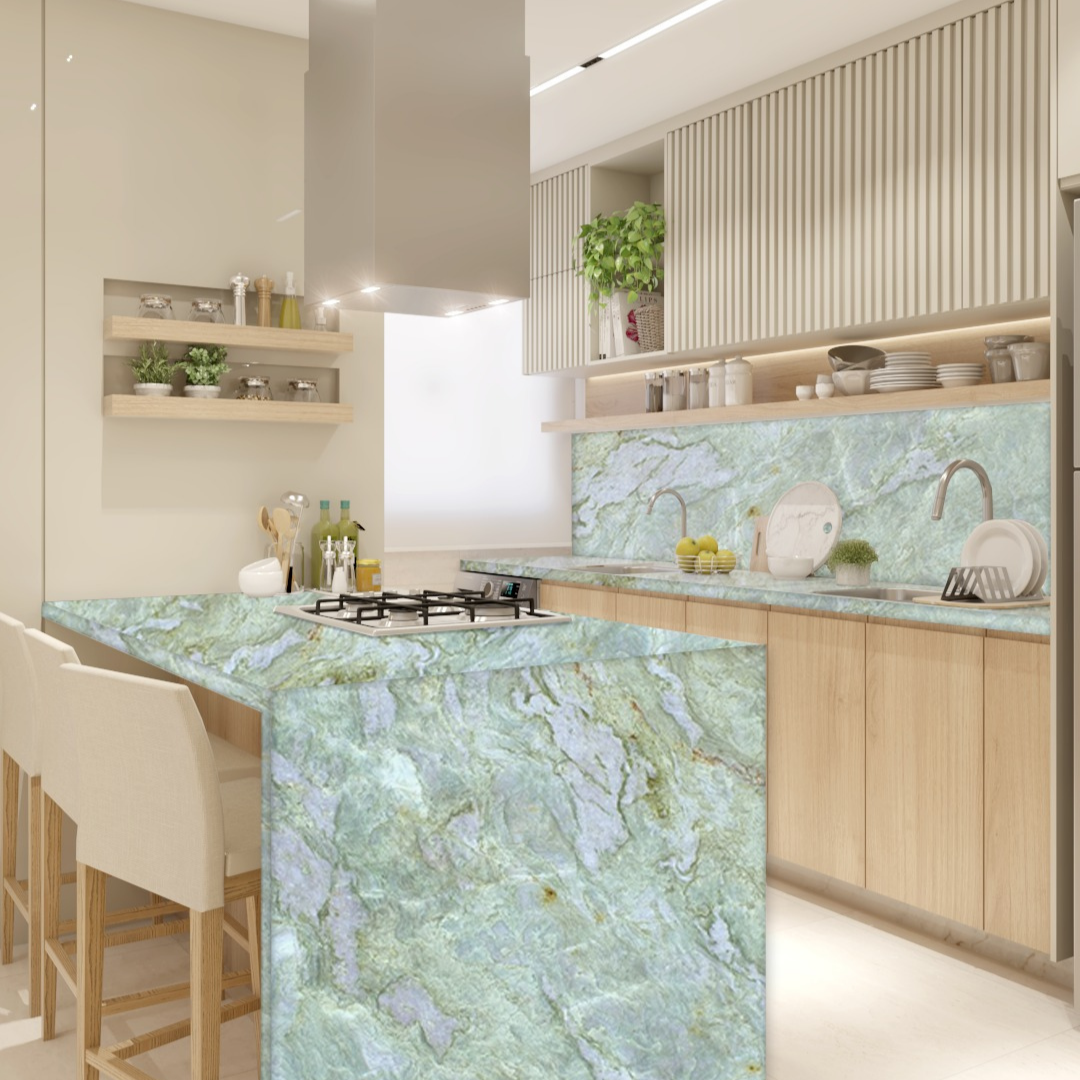
India offers a wide variety of stones, particularly quartzite, known for its vibrant colors and patterns. While prices can be more affordable, buyers should ensure they source from reputable suppliers to guarantee quality.
Spain: Porcelain Innovation
Spain is a leader in the production of high-performance porcelain slabs. With cutting-edge technology, Spanish manufacturers create slabs that are not only aesthetically pleasing but also exceptionally durable and resistant to heat and scratches.
5. Tips for Evaluating Slab Quality
When evaluating the quality of stone slabs, consider the following actionable tips:
- Research Origins: Understand the characteristics of slabs from different countries. Resources like the Natural Stone Institute provide valuable insights.
- Request Samples: Always request samples to assess color, texture, and quality firsthand.
- Check Certifications: Look for certifications that indicate adherence to quality standards, such as the ANSI standards for natural stone.
- Consult Experts: Engage with surface specialists at your local showroom, such as Builder Stone Global, who can provide insights on the best options for your project.
- Evaluate Warranty: A good warranty can be an indicator of quality and the manufacturer’s confidence in their product.
6. Frequently Asked Questions
What is the importance of slab origin?
Understanding slab origin helps buyers evaluate quality and value, as different regions have distinct geological formations and manufacturing standards.
How does the geological composition affect slab quality?
The mineral content and geological formations influence the appearance, durability, and overall quality of stone slabs.
What are the best countries for sourcing granite slabs?
Brazil is renowned for its granite, offering diverse patterns and exceptional durability.
Is Italian marble worth the investment?
Yes, Italian marble is often associated with luxury and high quality, making it a valuable investment for architectural projects.
How can I determine the value of a slab?
Consider factors such as durability, maintenance requirements, installation costs, and resale value when evaluating slab value.
What are the maintenance requirements for quartzite?
Quartzite typically requires sealing to maintain its appearance and durability.
How do I choose the right slab for my project?
Research origins, request samples, check certifications, and consult experts to make an informed decision.
Where can I find premium slabs in Georgia?
Visit Builder Stone Global for a wide selection of premium quartz, porcelain, and natural stone slabs.
Conclusion
Understanding slab origin countries is a vital aspect of evaluating quality and value in your selection of stone surfaces. By considering factors such as geological composition, mining practices, and manufacturing standards, you can make informed choices that align with your project goals. At Builder Stone Global, we pride ourselves on offering a curated selection of premium slabs sourced from reputable origins. Call +1 470-551-2092 to speak with our surface specialists and explore our extensive inventory today.