The Complete Guide to How Quartz Slabs Are Manufactured from Raw Materials
The Complete Guide to How Quartz Slabs Are Manufactured from Raw Materials
Quartz slabs have become a premium choice for architects, designers, and homeowners seeking durable and aesthetically pleasing surfaces for various applications. Understanding how quartz slabs are manufactured from raw materials not only enhances appreciation for this versatile material but also aids in making informed choices for architectural projects. In this comprehensive guide, we will explore the entire manufacturing process of quartz slabs, from sourcing raw materials to the final product, while emphasizing the importance of quality control and innovative techniques used in the industry.
1. What is Quartz and Why is it Used?
Quartz is one of the most abundant minerals on Earth, primarily composed of silicon dioxide (SiO2). Its natural properties make it an ideal material for various applications, particularly in the manufacturing of countertops, flooring, and wall cladding. The benefits of using quartz slabs include:
- Durability: Quartz slabs are known for their high resistance to scratches, stains, and heat, making them suitable for high-traffic areas.
- Aesthetic Variety: Available in a wide range of colors and patterns, quartz slabs can mimic the appearance of natural stones like marble and granite, offering design versatility.
- Low Maintenance: Unlike natural stones, quartz surfaces do not require sealing, making them easier to maintain.
At Builder Stone Global, we provide premium quartz slabs that meet the highest quality standards, catering to the needs of architects and designers across the Southeast.
2. Sourcing Raw Materials for Quartz Slabs
The first step in the manufacturing process of quartz slabs involves sourcing high-quality raw materials. The primary components include:
- Quartz Crystals: The main ingredient, quartz crystals, are mined from quarries and then crushed into granules.
- Resins: Polyester resins are used as a binding agent to hold the quartz particles together.
- Color Pigments: These are added to achieve the desired aesthetics, allowing for a broad spectrum of colors and finishes.
- Fillers: Materials like silica or glass may be included to enhance the physical properties of the final product.
Each of these materials must meet strict quality standards to ensure the durability and aesthetic appeal of the finished slabs. For instance, sourcing quartz from reputable suppliers ensures that the crystals are free from impurities that could compromise the slab’s integrity.
3. The Manufacturing Process of Quartz Slabs
The manufacturing process for quartz slabs is intricate and involves several stages:
3.1. Crushing and Blending
The mined quartz crystals are crushed into granules of varying sizes. These granules are then blended with resins and color pigments in a controlled environment. This mixture is crucial as it determines the slab’s overall appearance and performance.
3.2. Molding
After blending, the mixture is poured into a mold. The mold design can vary depending on the desired thickness and size of the final slab. Typically, the mixture is compacted under high pressure to eliminate air pockets and ensure uniform density.
3.3. Curing
Once molded, the slabs are subjected to a curing process. This involves heating the slabs in a specialized oven to facilitate the hardening of the resin. The curing process enhances the slab’s durability and strength, making it suitable for heavy use.
3.4. Polishing
After curing, the slabs are polished to achieve a smooth, glossy finish. This step is essential for enhancing the aesthetic appeal of the quartz surface. Polishing can be done using a series of progressively finer abrasives to achieve the desired shine.
3.5. Quality Inspection
Before the slabs are packaged for shipment, they undergo rigorous quality inspections. This includes checking for color consistency, surface defects, and overall quality. At Builder Stone Global, we prioritize quality control to ensure our customers receive only the best products.
4. Quality Control in Quartz Slab Production
Quality control is a critical aspect of quartz slab manufacturing. It involves a series of checks and tests at various stages of production to ensure that the slabs meet industry standards. Key quality control measures include:
- Visual Inspection: Inspectors examine the slabs for color consistency, surface imperfections, and other defects.
- Testing for Durability: Slabs are subjected to tests that assess their resistance to scratching, staining, and thermal shock.
- Compliance with Standards: Manufacturers must adhere to standards set by organizations like the American National Standards Institute (ANSI) and the International Organization for Standardization (ISO) to ensure product safety and performance.
Implementing strict quality control processes not only enhances product reliability but also builds trust with clients, particularly in the competitive natural stone distribution market.
5. Applications of Quartz Slabs
Quartz slabs are versatile and can be used in various applications, including:
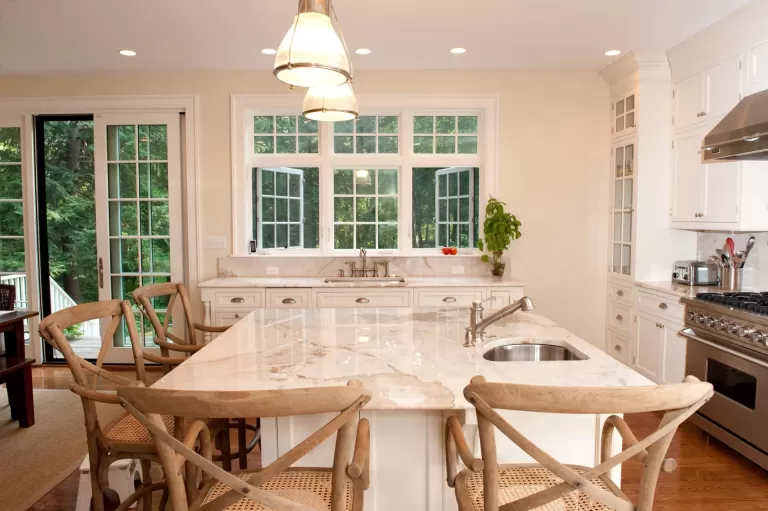
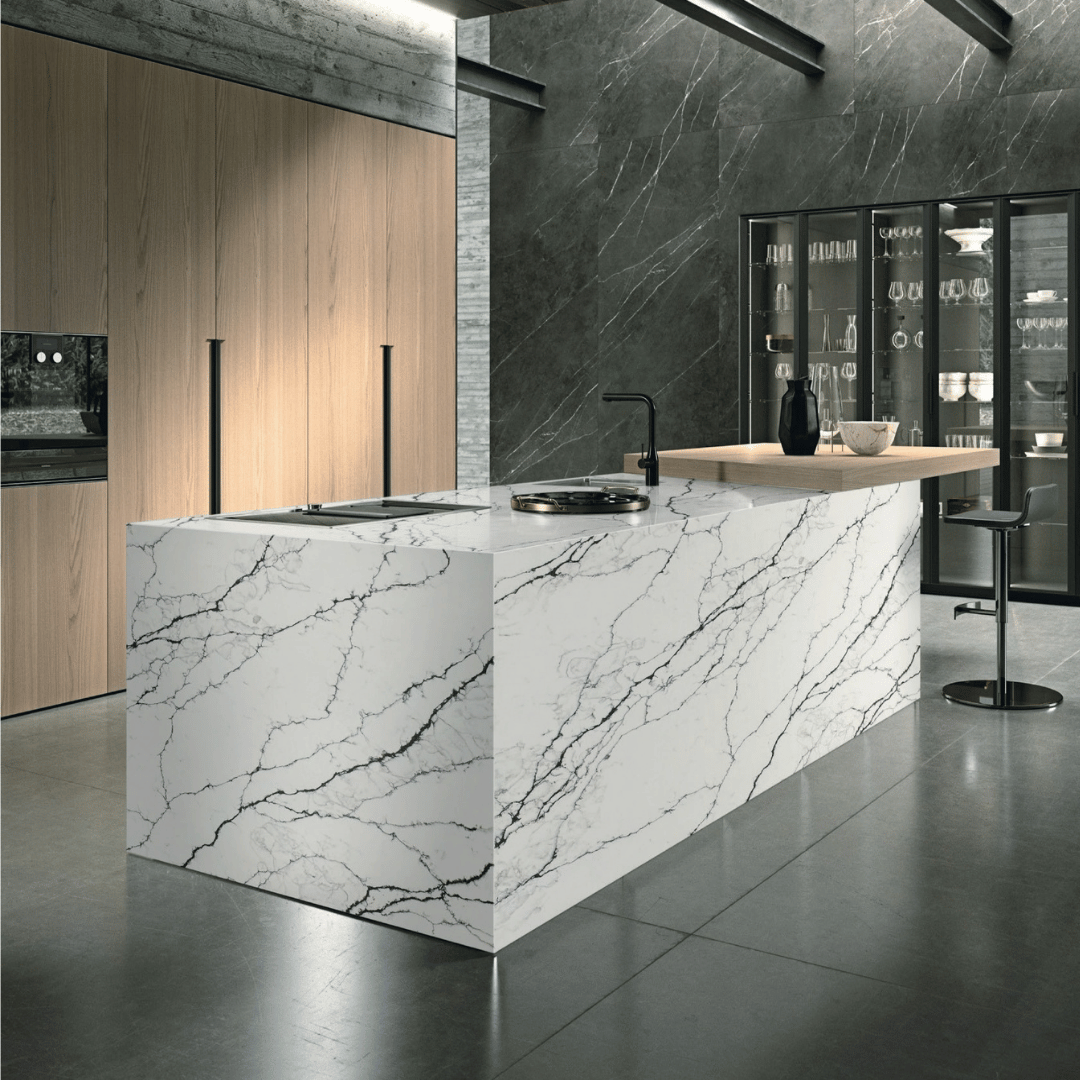
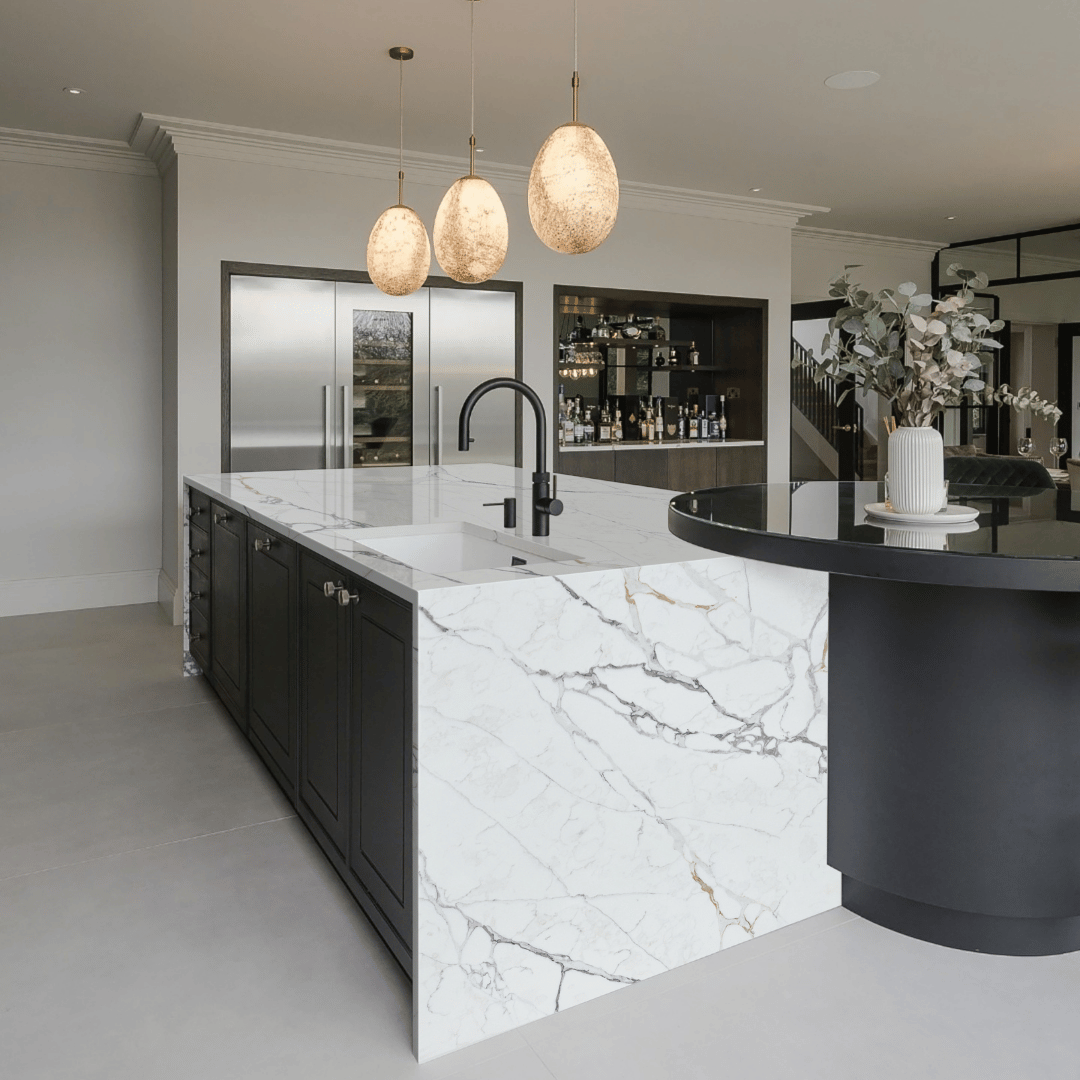
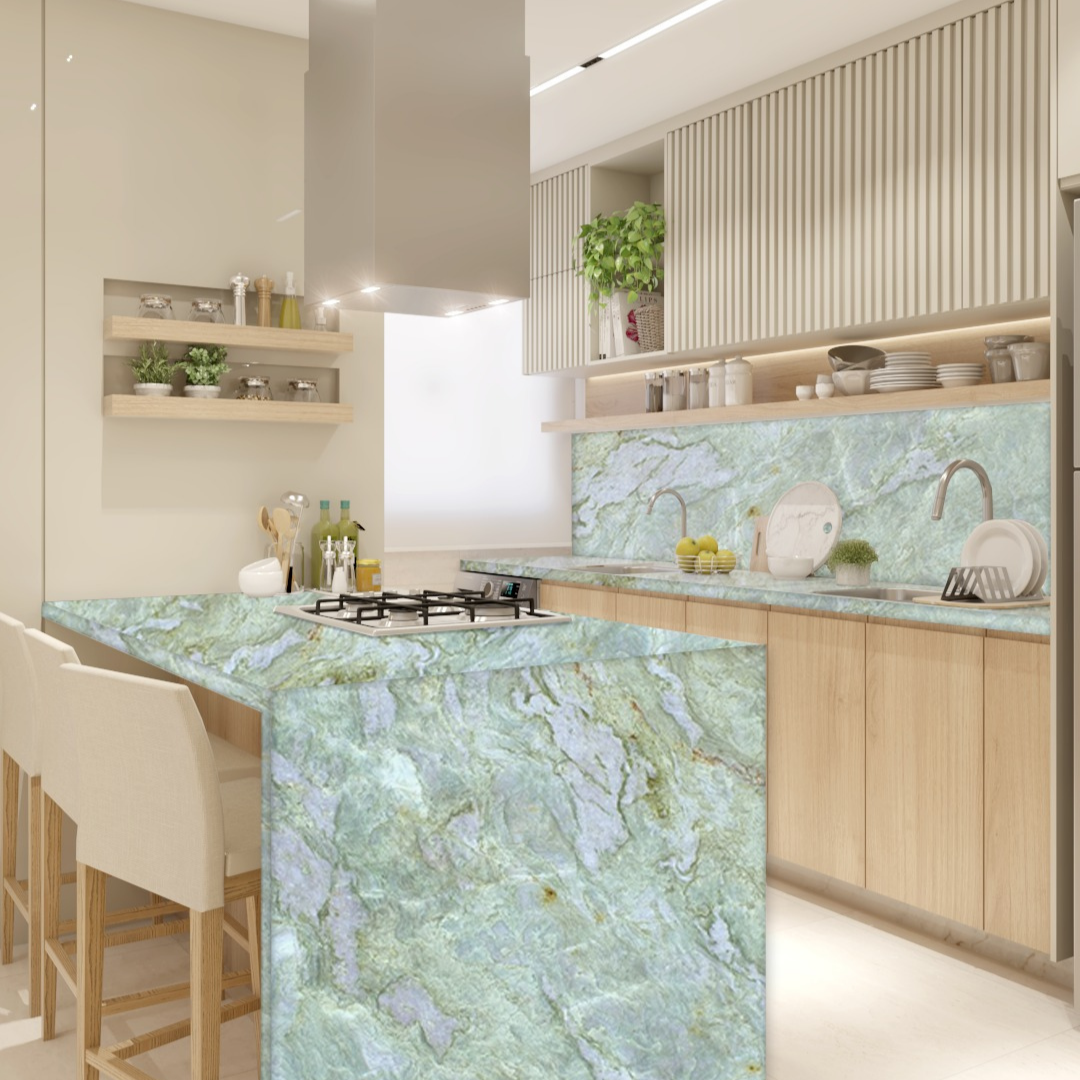
- Kitchen Countertops: Their durability and resistance to stains make quartz slabs an excellent choice for kitchen surfaces.
- Bathroom Vanities: Quartz’s low maintenance properties and aesthetic appeal make it ideal for bathroom installations.
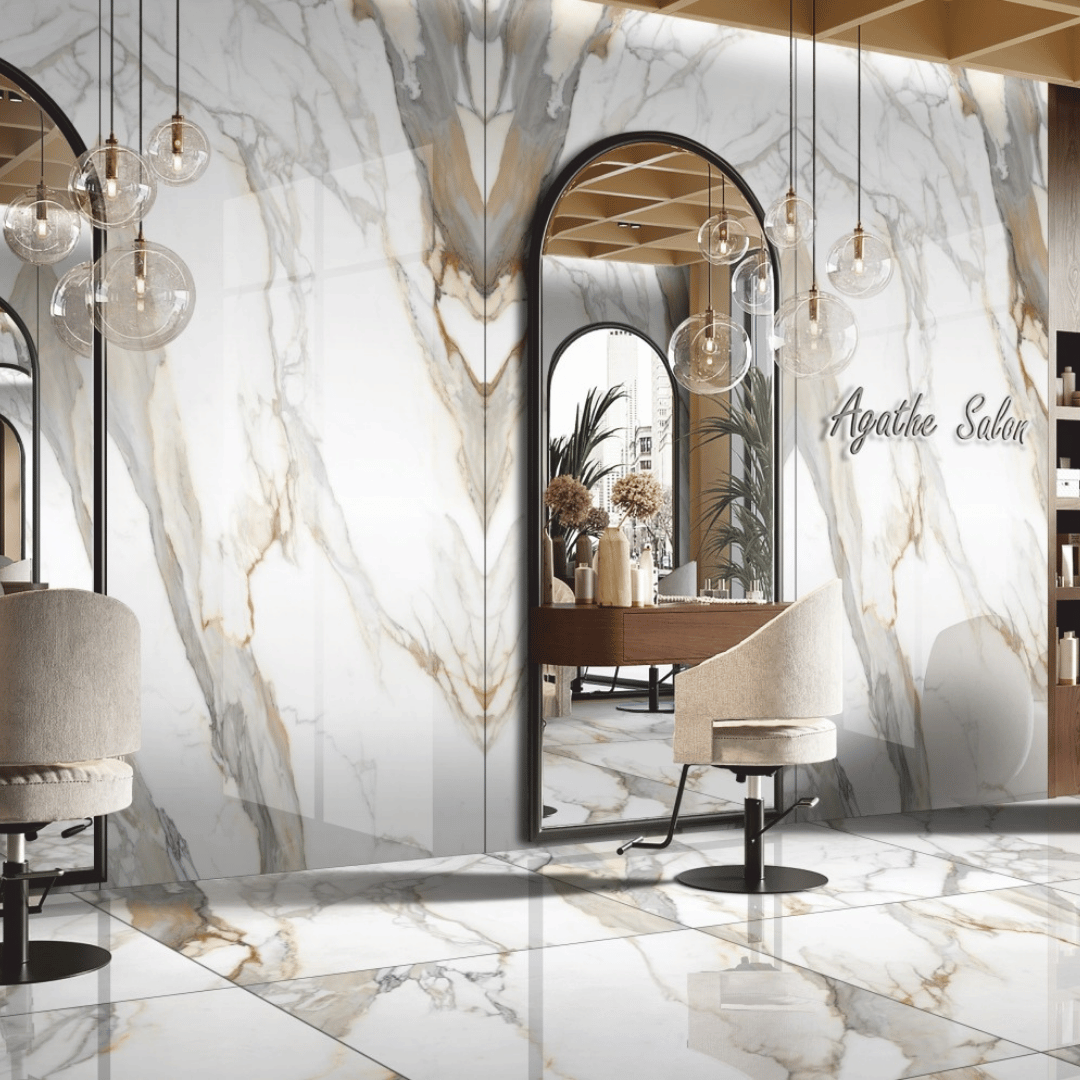
- Wall Cladding: Designers often use quartz slabs for wall applications to create stunning focal points in both residential and commercial spaces.
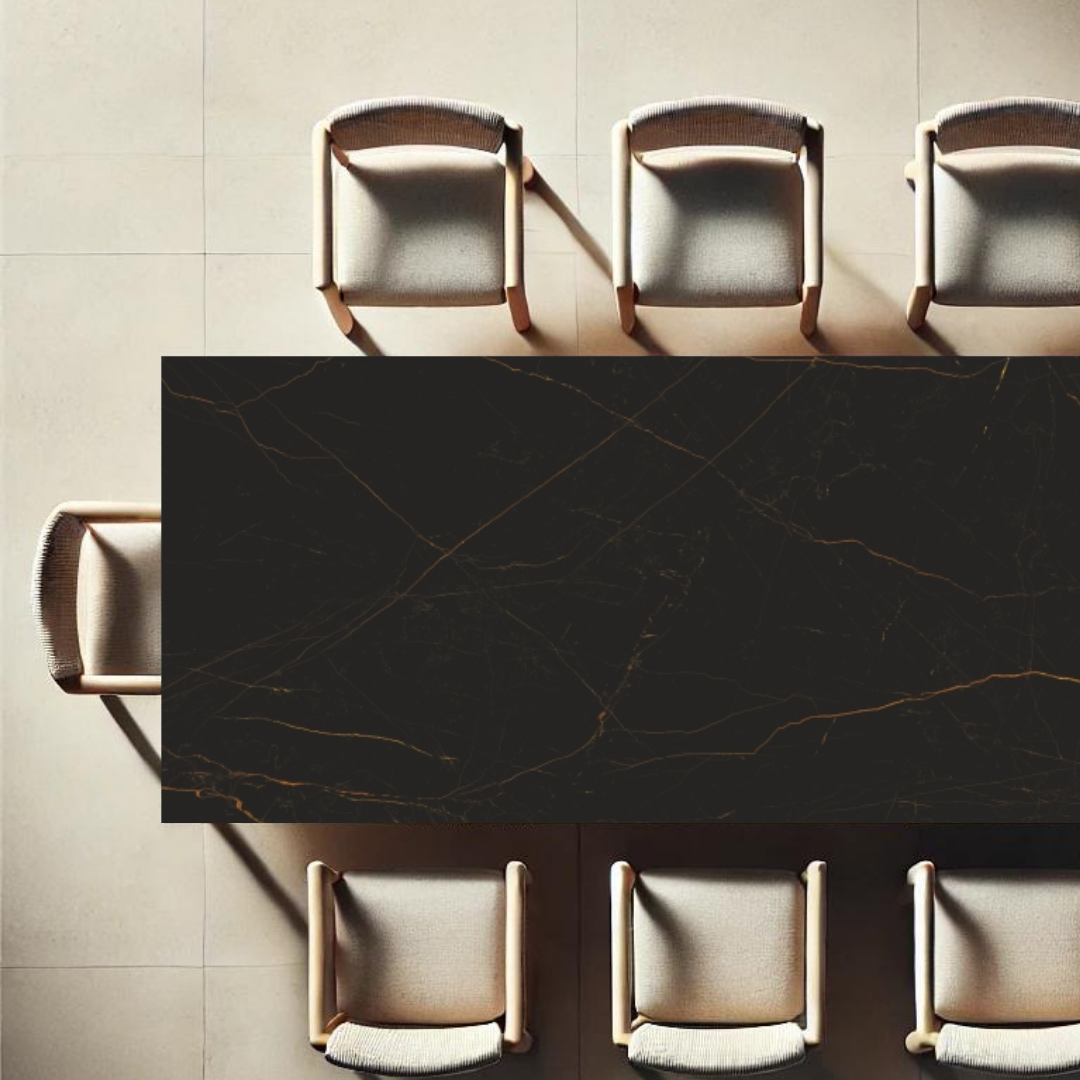
- Tabletops and Furniture: Custom furniture pieces can benefit from the durability and beauty of quartz.
As a leading quartz slab distributor in Norcross, GA, Builder Stone Global offers a wide range of options for every project.
6. Environmental Considerations
With growing concerns about environmental sustainability, the quartz slab manufacturing industry is taking steps to reduce its ecological footprint. Key considerations include:
- Recycling Materials: Many manufacturers are now incorporating recycled materials into their products, reducing waste and conserving natural resources.
- Energy Efficiency: Modern manufacturing plants are implementing energy-efficient practices to minimize energy consumption during production.
- Water Conservation: Implementing water recycling systems can significantly reduce water usage in manufacturing processes.
By prioritizing sustainability, the quartz slab industry can contribute to environmental conservation while meeting the demands of eco-conscious consumers.
7. Conclusion
Understanding how quartz slabs are manufactured from raw materials provides valuable insight into the quality and performance of this versatile material. From sourcing high-quality quartz crystals to implementing stringent quality control measures, every step in the manufacturing process is essential in delivering premium products. At Builder Stone Global, we are committed to providing architects, designers, and homeowners with exceptional quartz slabs that exemplify durability and aesthetic elegance.
8. FAQs
What are quartz slabs made of?
Quartz slabs are primarily made of crushed natural quartz crystals, resins, color pigments, and sometimes fillers to enhance performance.
How are quartz slabs manufactured?
The manufacturing process involves crushing quartz, blending it with resins and pigments, molding, curing, and polishing the slabs.
Are quartz slabs heat resistant?
Yes, quartz slabs are heat resistant but should not be exposed to extreme temperatures for prolonged periods to avoid damage.
How do you maintain quartz countertops?
Quartz countertops require minimal maintenance. Regular cleaning with mild soap and water is sufficient to keep them looking new.
What are the advantages of quartz over granite?
Quartz offers more color options, requires less maintenance, and is non-porous, making it more resistant to stains.
Can quartz slabs be repaired if damaged?
Minor scratches can often be repaired using a polishing compound. However, deep chips may require professional repair.
Are quartz slabs eco-friendly?
Many manufacturers are adopting eco-friendly practices, including using recycled materials and energy-efficient processes.
Where can I buy quartz slabs in Norcross, GA?
You can purchase premium quartz slabs at Builder Stone Global, a trusted distributor in Norcross.