
Contractor Pricing Strategies for Slab Selection: Maximizing Value in Quartz, Porcelain, and Natural Stone
Contractor Pricing Strategies for Slab Selection: Maximizing Value in Quartz, Porcelain, and Natural Stone
Updated on August 14, 2026
When it comes to selecting slabs for construction projects, contractors face the dual challenge of meeting client expectations while managing budgets effectively. The right pricing strategy not only impacts the contractor’s bottom line but also defines the quality and aesthetic of the final installation. In this article, we will explore effective pricing strategies for contractors when selecting quartz, porcelain, and natural stone slabs, ensuring both profitability and customer satisfaction.
Why Choose Premium Quartz, Porcelain & Natural Stone Slabs?
Premium slabs offer a blend of durability, beauty, and versatility that can elevate any project. Understanding the unique benefits of each material can help contractors make informed decisions:
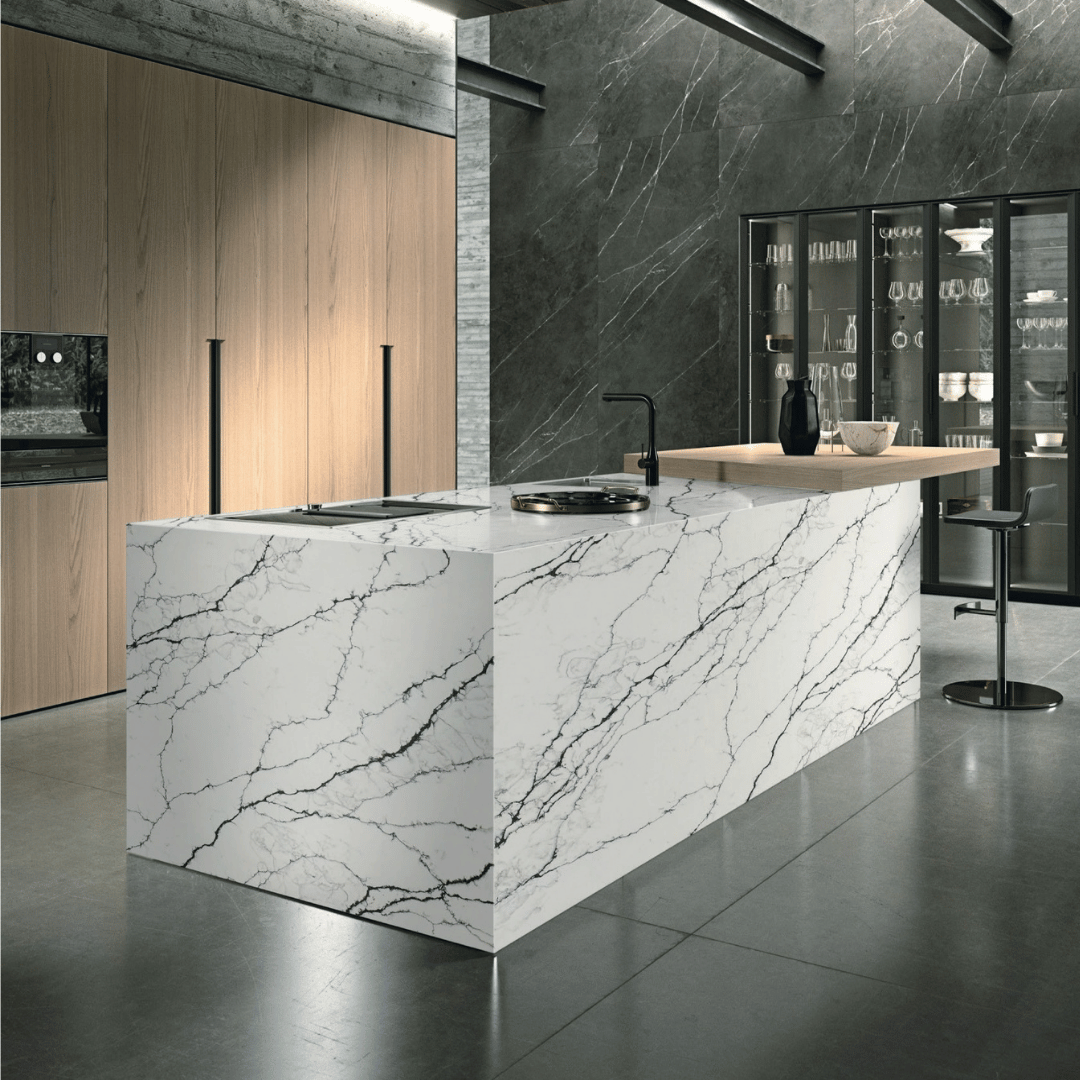
- Quartz: Engineered for strength and consistency, quartz is non-porous and highly resistant to stains and scratches. Its wide range of colors and patterns allows for creative design possibilities.
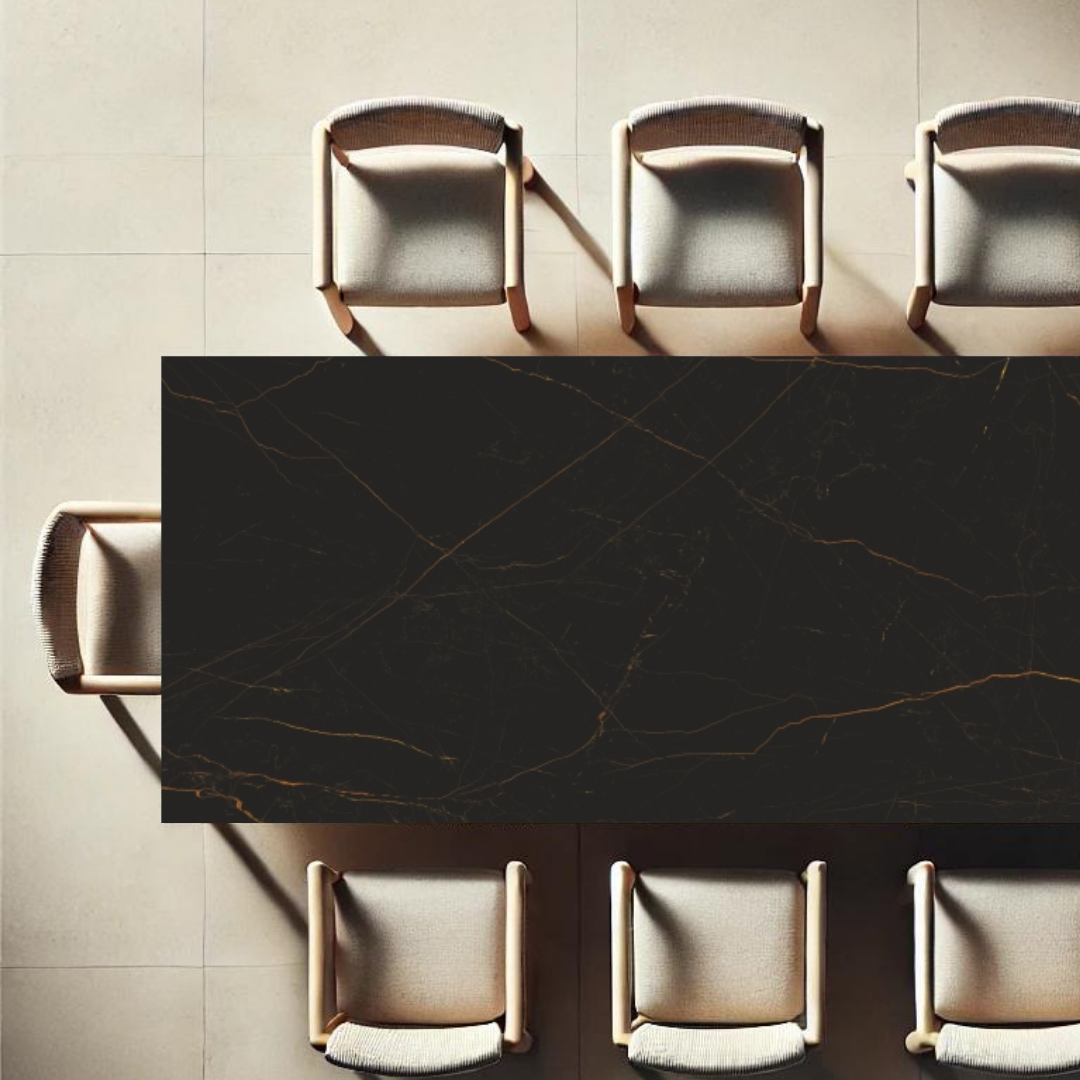
- Porcelain: Known for its high performance, large format porcelain slabs offer exceptional durability, low maintenance, and a sleek appearance. They are ideal for both residential and commercial applications.
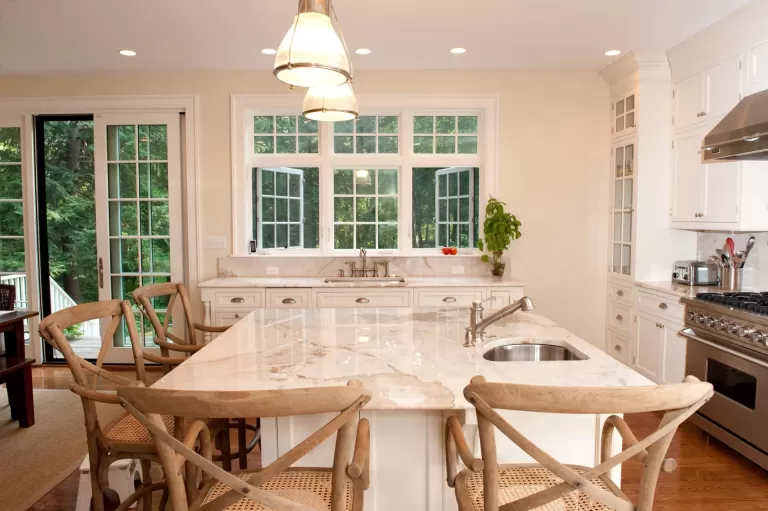
- Natural Stone: Options like granite and quartzite provide unique aesthetics and timeless appeal. Each slab is one-of-a-kind, adding value to any installation.
Understanding Cost Factors in Slab Selection
Before implementing pricing strategies, contractors should understand the various cost factors associated with slab selection:
- Material Costs: The price per square foot can vary significantly based on the type of slab, quality, and source of the material.
- Fabrication and Installation: Labor costs for cutting, shaping, and installing slabs must be factored into the overall budget.
- Transportation and Logistics: Consider shipping costs, especially if sourcing materials from distant suppliers.
- Market Trends: Staying informed about current trends can help contractors price their services competitively.
Effective Pricing Strategies
Here are several strategies contractors can employ to optimize pricing when selecting slabs:
1. Bulk Purchasing
Buying slabs in bulk can often lead to significant discounts. Contractors should establish relationships with suppliers to negotiate better rates, which can then be passed on to clients or used to increase margins.
2. Value Engineering
Evaluate the project requirements and offer alternative materials that maintain the design intent but are more cost-effective. For instance, suggesting HD quartz surfaces instead of premium natural stone can provide the desired aesthetic without the hefty price tag.
3. Tiered Pricing Models
Implement tiered pricing based on the slab’s quality and features. For example, offering clients a choice between a standard quartz slab and a high-end quartzite slab allows them to choose based on their budget while still achieving a high-quality finish.
4. Transparent Pricing
Provide clients with a detailed breakdown of costs, including material, labor, and any additional fees. This transparency builds trust and helps clients understand the value they are receiving.
5. Seasonal Promotions
Take advantage of seasonal trends by offering promotions on certain slab types during slower months. This can help maintain cash flow and keep projects moving.
6. Leverage Technology
Utilize software tools to streamline inventory management and pricing strategies. Real-time data on slab availability and costs can help contractors make better purchasing decisions.
Kitchen & Bathroom Applications
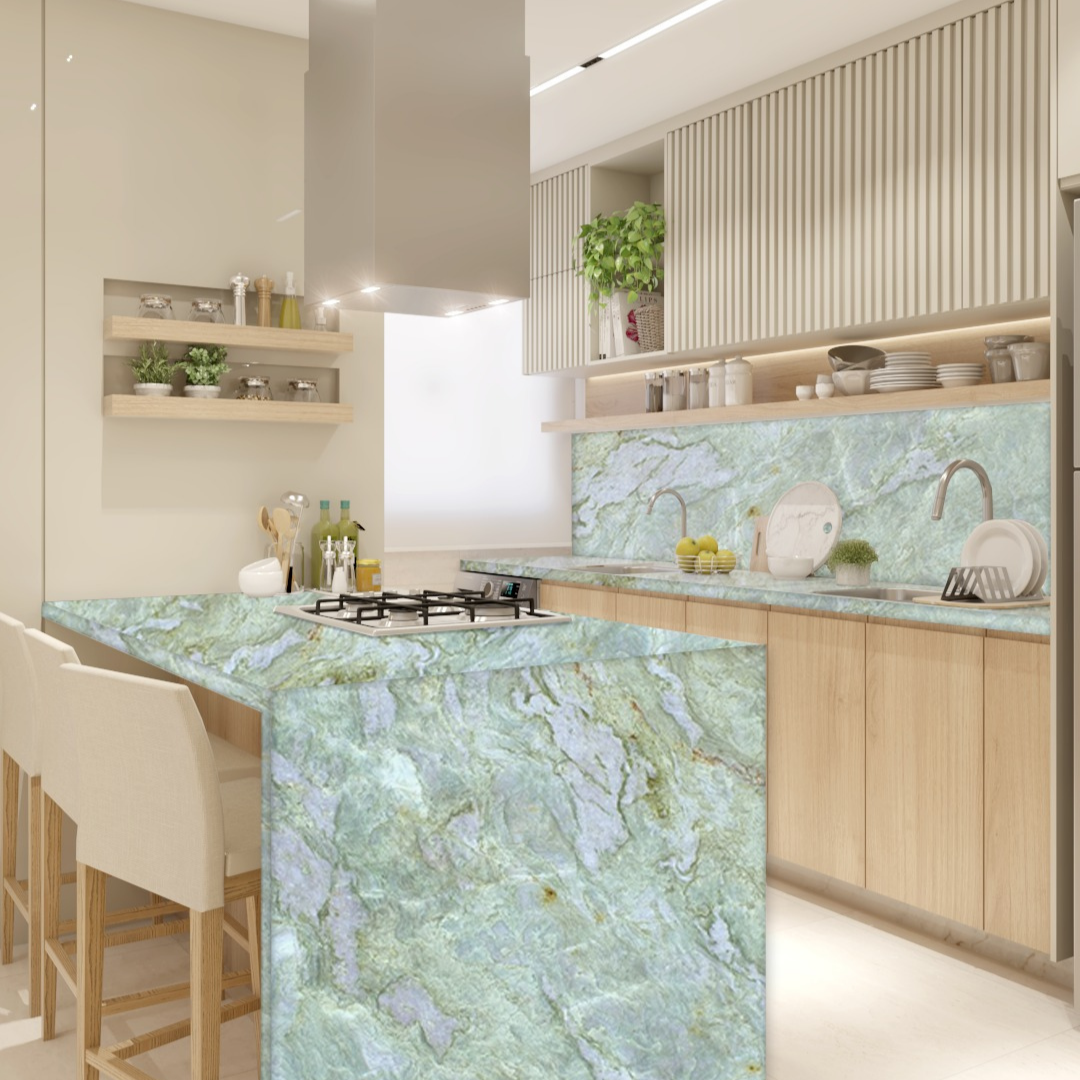
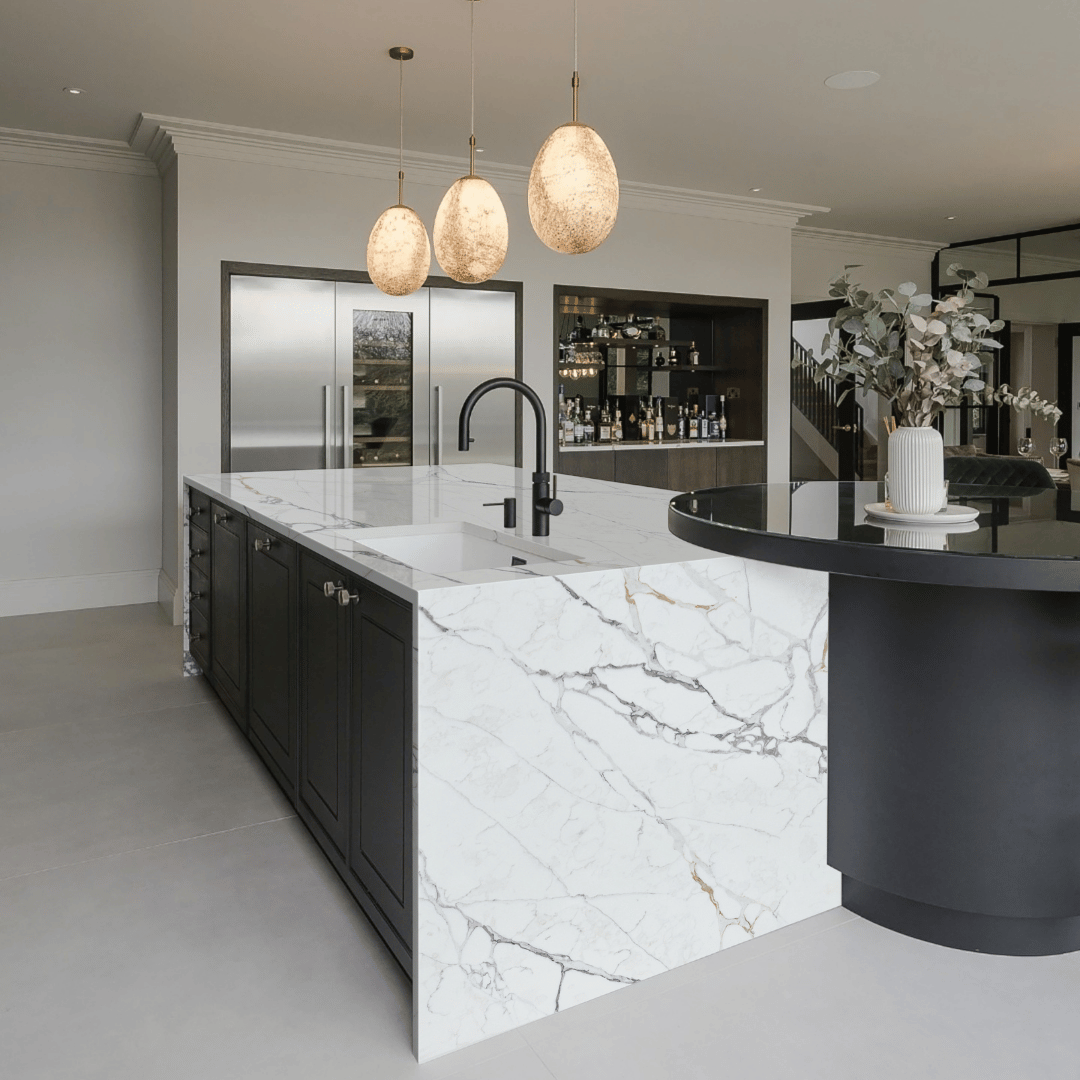
Understanding the specific applications for slabs can also influence pricing strategies. For kitchens, durability and ease of maintenance are paramount, while bathrooms may require a focus on aesthetics and slip resistance. By tailoring slab selections to the unique needs of these spaces, contractors can justify pricing based on performance and visual appeal.
Architectural & Commercial Projects
In larger architectural and commercial projects, the scale of slab selection can significantly impact pricing strategies. Contractors should consider:
- Long-term Partnerships: Building relationships with suppliers can lead to favorable pricing and reliable supply chains.
- Custom Solutions: Offering tailored solutions for commercial clients can justify premium pricing based on the unique requirements of the project.
Dealer & Fabricator Partnership Program
Joining a dealer and fabricator partnership program can provide contractors with exclusive access to premium slabs at competitive prices. These programs often include benefits like training, marketing support, and priority inventory access, enhancing the contractor’s offerings and profitability.
Frequently Asked Questions About Quartz, Porcelain & Natural Stone Slabs
1. What is the difference between HD quartz and standard quartz?
HD quartz offers enhanced durability and a more refined appearance compared to standard quartz.
2. What are full body vs non-full body porcelain slabs?
Full body porcelain slabs have color and pattern throughout the entire slab, while non-full body slabs feature a color or pattern only on the surface.
3. What slab thickness options are available?
Common thickness options range from 2 cm to 3 cm, with variations based on the material type.
4. Are there edge profile limitations?
Yes, certain edge profiles may be limited based on the thickness and type of slab selected.
5. How durable are porcelain slabs?
Porcelain slabs are highly durable, resistant to scratches, stains, and heat.
6. What is the heat resistance of quartz slabs?
Quartz is heat resistant but should not be exposed to extreme temperatures to maintain its integrity.
7. What are the fabricator requirements for slab installation?
Fabricators need to be skilled in handling and installing slabs to ensure proper fit and finish.
8. How can I check inventory availability?
Contractors can check live inventory via supplier websites for real-time availability.
9. What are typical lead times for slab orders?
Lead times can vary based on supplier and inventory levels but typically range from 1-4 weeks.
How to Contact Builder Stone Global
For more information on premium quartz, porcelain, and natural stone slabs, contact Builder Stone Global. Call +1 470-551-2092 to speak with our surface specialists or schedule a showroom visit in Norcross, GA.
Conclusion
Crafting effective pricing strategies for slab selection is crucial for contractors aiming to maximize value and maintain client relationships. By understanding material costs, leveraging supplier relationships, and providing transparent pricing, contractors can position themselves for success in the competitive slab market.