

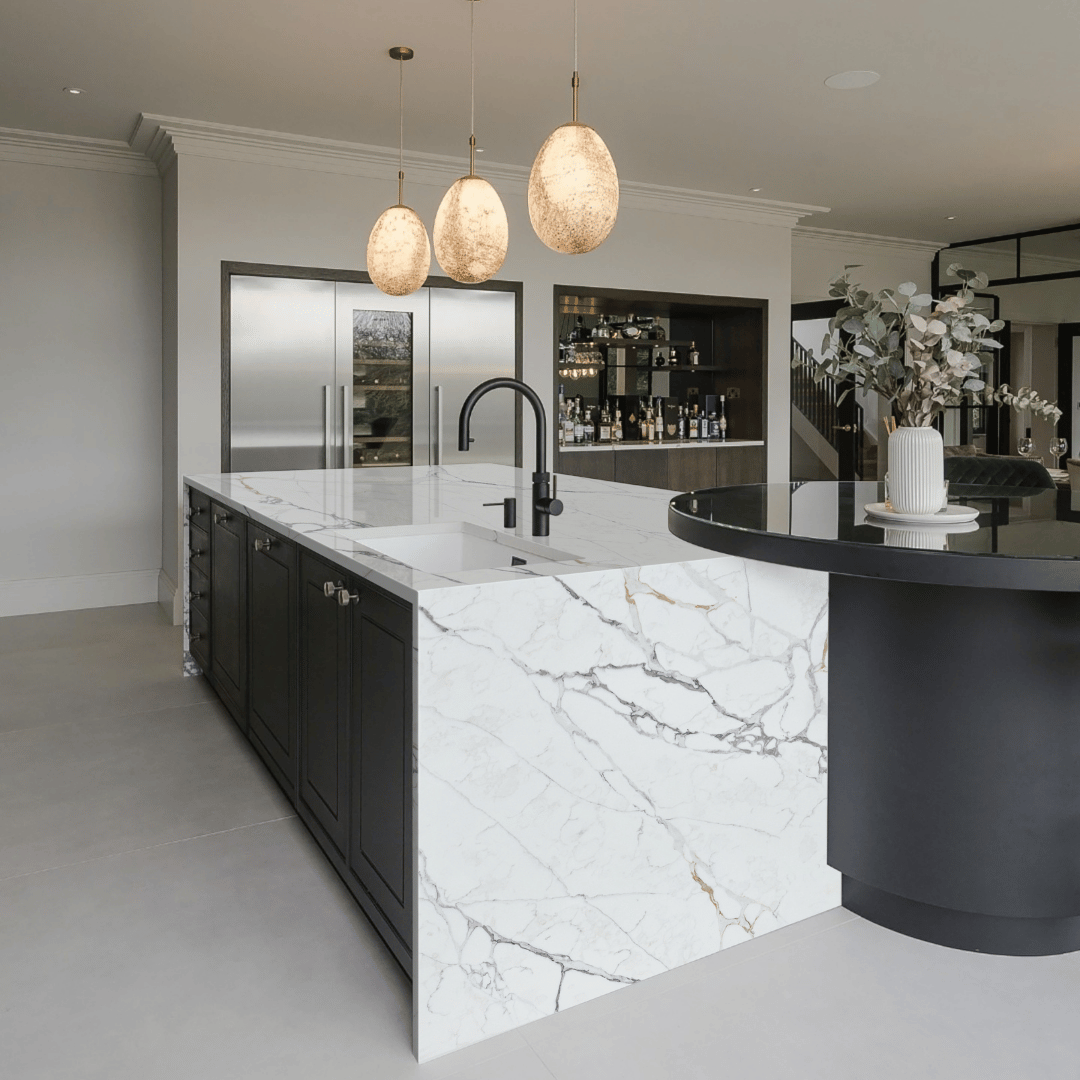
Sustainable Slab Materials in Georgia: Embracing Eco-Friendly Choices for Architectural Surfaces
Sustainable Slab Materials in Georgia: Embracing Eco-Friendly Choices for Architectural Surfaces
As awareness of environmental issues continues to rise, the demand for sustainable building materials has become increasingly important in the architecture and design industries. In Georgia, where the construction and renovation sectors are thriving, the choice of slab materials plays a significant role in promoting sustainability. This article explores the various sustainable slab materials available in Georgia, their benefits, and how they contribute to environmentally responsible construction practices.
Understanding Sustainable Slab Materials
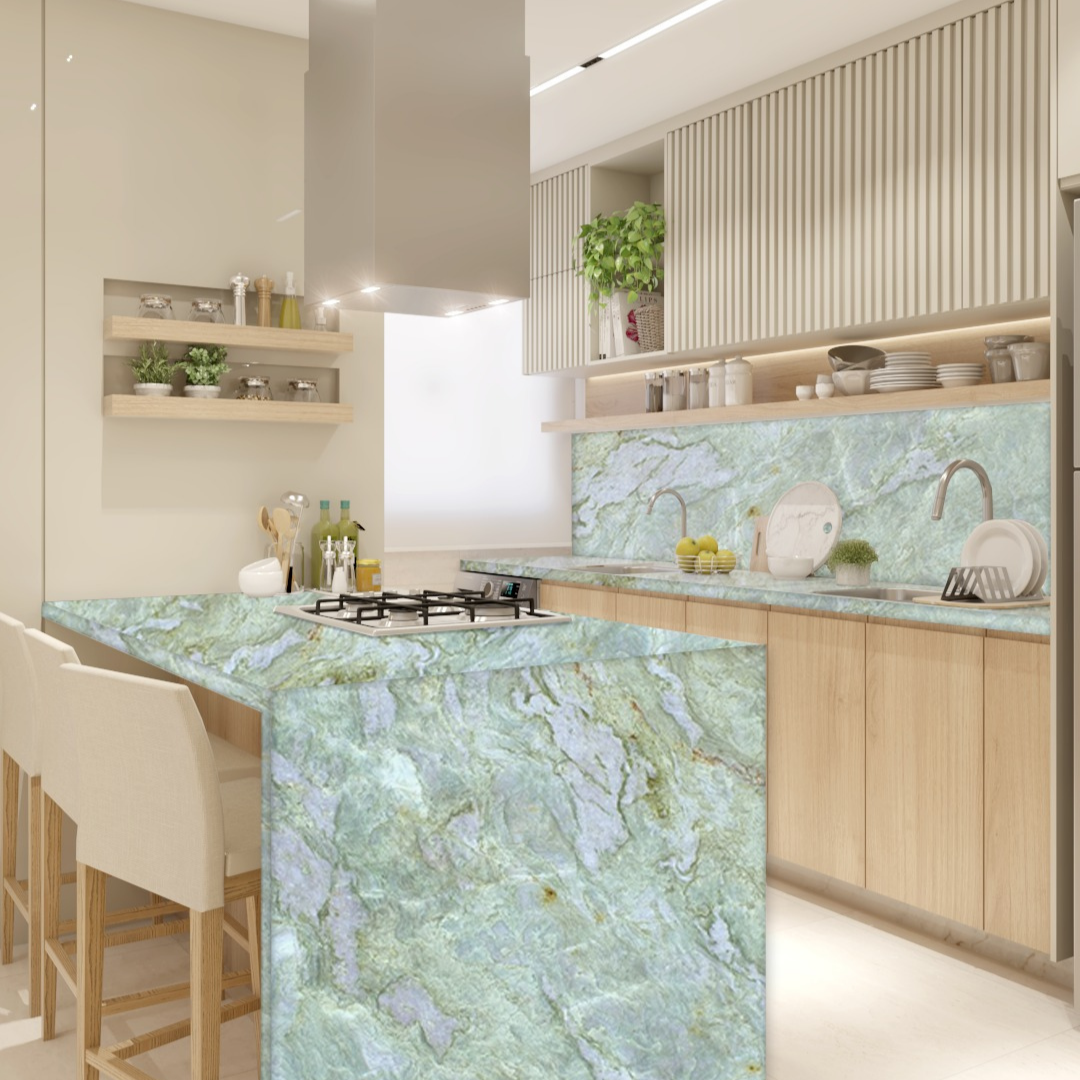
Sustainable slab materials are those that have a reduced impact on the environment throughout their lifecycle, from extraction to production, transportation, and disposal. These materials are often sourced responsibly, use recycled content, and are designed to be durable, minimizing the need for replacement and reducing waste. In the context of countertops, flooring, and other architectural surfaces, sustainable options include recycled quartz, sustainable granite, and eco-friendly porcelain.
1. Recycled Quartz Slabs
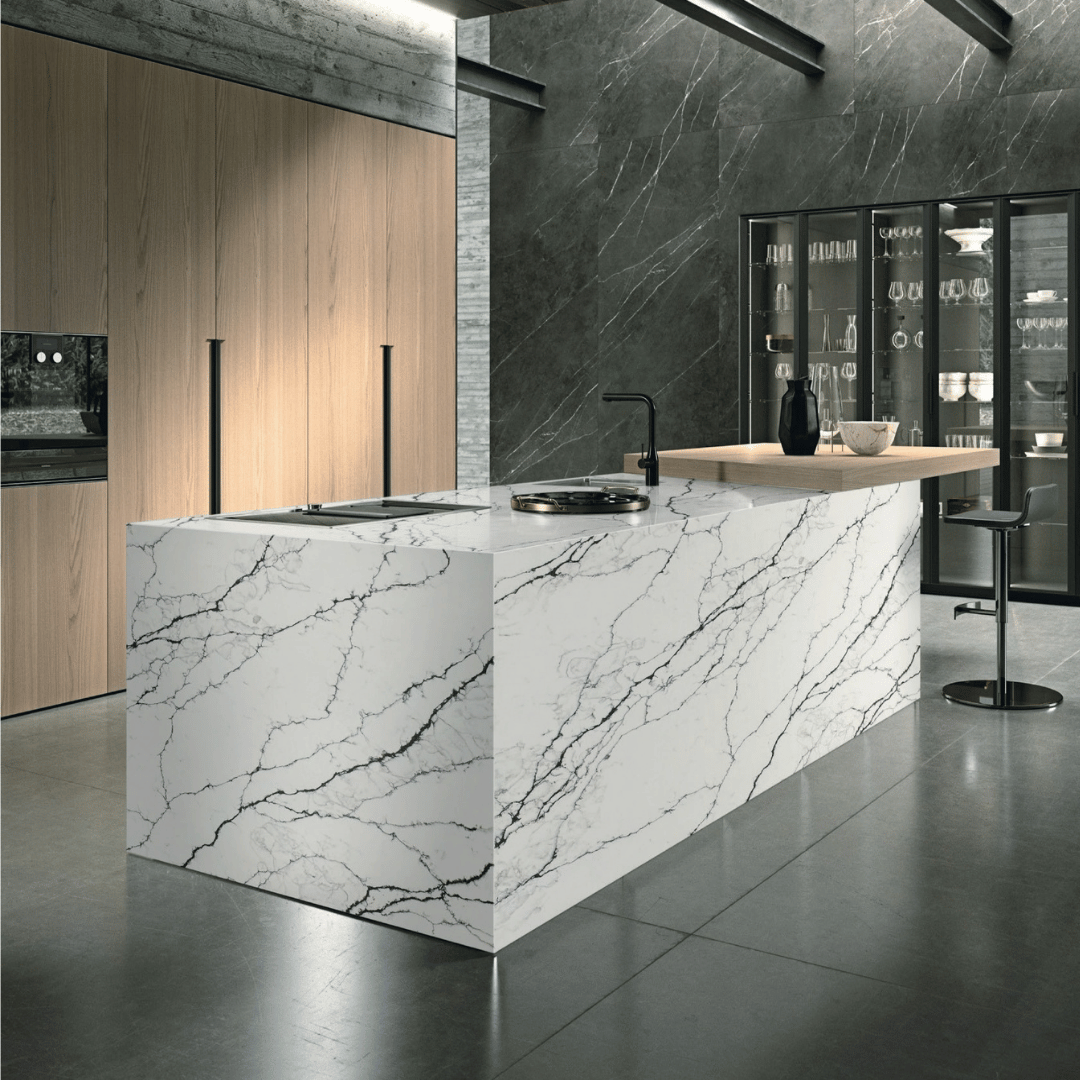
Recycled quartz slabs are made from a blend of natural quartz crystals and recycled materials, such as glass or mirrors. This process not only reduces the need for virgin materials but also diverts waste from landfills. The result is a high-performance surface that is durable, non-porous, and available in a wide range of colors and patterns. In Georgia, companies like Builder Stone Global offer extensive selections of recycled quartz slabs, providing designers and homeowners with stylish and sustainable options for their projects.
2. Sustainable Granite
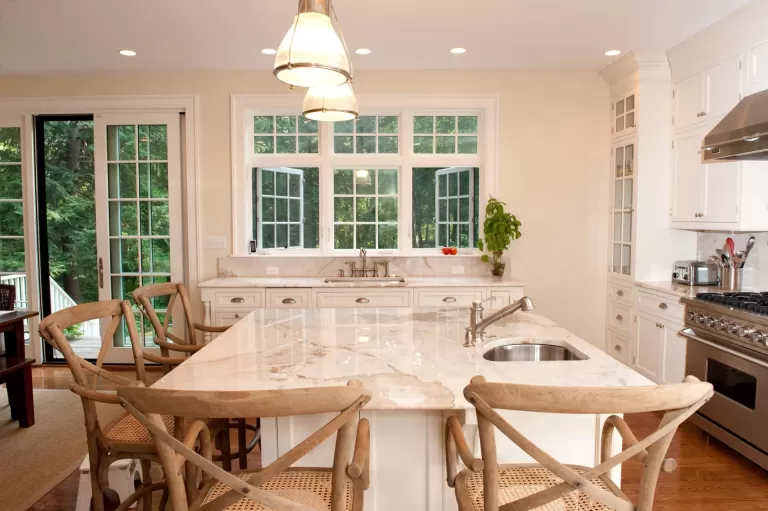
Granite is a popular natural stone choice for countertops and surfaces due to its durability and aesthetic appeal. However, traditional granite mining can be environmentally damaging. Sustainable granite options come from quarries that adhere to responsible mining practices, minimizing ecological disruption. Additionally, some suppliers offer granite slabs that are fabricated using eco-friendly processes, reducing the carbon footprint associated with production. Homeowners and builders in Georgia can seek out local suppliers who prioritize sustainable granite in their offerings.
3. Eco-Friendly Porcelain Slabs
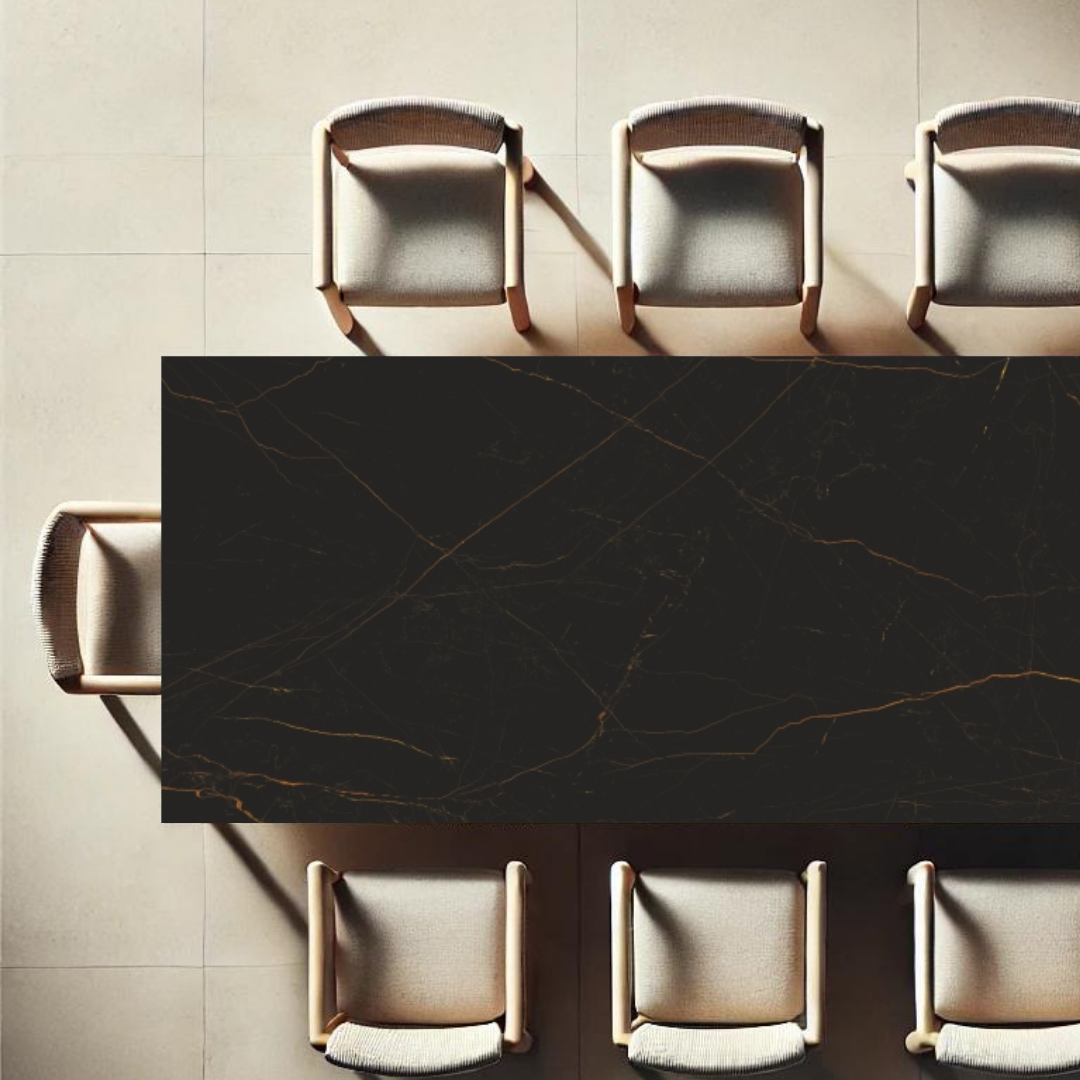
Porcelain slabs are another sustainable choice for architectural surfaces. Made from natural clay and minerals, porcelain can be produced using methods that minimize energy consumption and waste. Furthermore, many porcelain manufacturers are now incorporating recycled materials into their products, enhancing their sustainability profile. The high durability and low maintenance requirements of porcelain also contribute to its long-term sustainability, making it an excellent option for both residential and commercial projects in Georgia.
The Benefits of Choosing Sustainable Slab Materials
Opting for sustainable slab materials offers numerous advantages, including:
- Environmental Impact: Sustainable materials help to reduce resource depletion, lower carbon emissions, and minimize waste, contributing to a healthier planet.
- Durability: Many sustainable options, such as recycled quartz and porcelain, are designed to withstand wear and tear, ensuring longevity and reducing the need for replacements.
- Health and Safety: Eco-friendly materials often have lower levels of volatile organic compounds (VOCs) and other harmful substances, improving indoor air quality.
- Support for Local Economies: By choosing local suppliers, builders and homeowners can support regional economies and promote sustainable practices within the community.
Sourcing Sustainable Slab Materials in Georgia
Georgia is home to several suppliers and distributors that prioritize sustainability in their product offerings. One such company is Builder Stone Global, which specializes in premium quartz, porcelain, and natural stone slabs. They not only provide a diverse range of sustainable slab materials but also emphasize responsible sourcing and manufacturing practices. By working with local suppliers, architects and designers can access high-quality, eco-friendly materials that align with their sustainability goals.
Incorporating Sustainable Slab Materials into Projects
Integrating sustainable slab materials into architectural projects requires thoughtful planning and collaboration between designers, builders, and suppliers. Here are some steps to consider:
- Assess Your Needs: Determine the specific requirements of your project, including aesthetic preferences, durability needs, and sustainability goals.
- Research Suppliers: Identify local suppliers that offer sustainable slab materials and inquire about their sourcing and manufacturing practices.
- Collaborate with Designers: Work with architects and interior designers who prioritize sustainability to ensure that your chosen materials align with the overall vision of the project.
- Educate Clients: If you are a contractor or builder, educate your clients about the benefits of sustainable materials and how they can enhance the value and appeal of their projects.
Conclusion
As the construction industry continues to evolve, the importance of sustainable slab materials cannot be underestimated. In Georgia, builders, designers, and homeowners have access to a wide range of eco-friendly options that not only meet aesthetic and functional requirements but also contribute to environmental preservation. Choosing sustainable slab materials is a step towards creating a more sustainable future, and with companies like Builder Stone Global leading the way, it has never been easier to make responsible choices in architectural surfaces.
For more information on sustainable slab options, contact Builder Stone Global at +1 470-551-2092 or visit their website to explore their extensive inventory. Together, we can build a greener future with beautiful, high-performance surfaces.