Exploring New Slab Technologies in 2028: The Future of Architectural Surfaces
Exploring New Slab Technologies in 2028: The Future of Architectural Surfaces
As we step into 2028, the world of architectural surfaces is undergoing a remarkable transformation. Innovations in slab technologies are redefining aesthetics, performance, and sustainability in the construction and design industries. This article explores the latest advancements in slab technologies, their applications, and the implications for builders, designers, and homeowners.
Why Embrace New Slab Technologies?
The demand for high-quality, durable, and aesthetically pleasing surfaces continues to grow. New slab technologies offer numerous benefits, including:
- Enhanced Durability: Modern slabs are engineered to withstand extreme conditions, making them ideal for both residential and commercial applications.
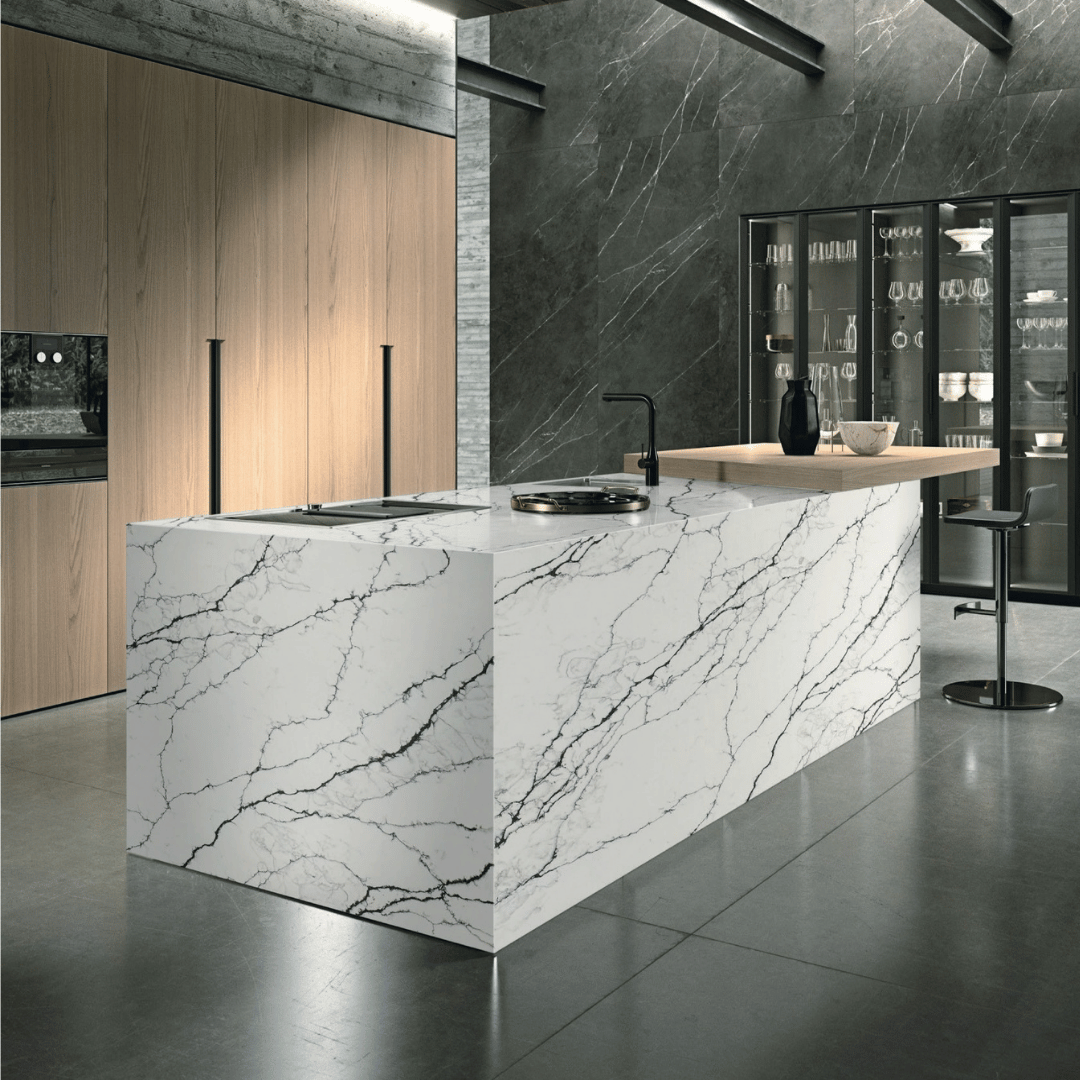
- Improved Aesthetics: Advanced manufacturing techniques allow for intricate designs and finishes that were previously unattainable.
- Sustainability: Innovations focus on eco-friendly materials and processes, reducing the environmental impact of slab production.
- Customizability: Custom slab solutions cater to specific design needs, allowing architects and designers to create unique spaces.
Key Innovations in Slab Technologies
1. Ultra-High Performance Concrete (UHPC)
UHPC is revolutionizing the construction industry with its exceptional strength and durability. This advanced concrete technology offers:
- Enhanced resistance to weathering and wear.
- Reduced thickness without compromising structural integrity.
- Flexible design options, enabling complex shapes and forms.
2. Self-Healing Concrete
Self-healing concrete contains microcapsules filled with healing agents that activate upon cracking. This technology minimizes maintenance costs and extends the lifespan of concrete surfaces.
3. 3D Printing of Slabs
3D printing technology has made its way into the slab industry, allowing for the on-demand production of customized surfaces. Benefits include:
- Reduced waste through precise material usage.
- Rapid prototyping and production timelines.
- Complex designs that were previously challenging to achieve.
4. Biodegradable Composites
As sustainability becomes a priority, biodegradable composites are emerging as an eco-friendly alternative to traditional slabs. These materials break down naturally, minimizing their environmental footprint.
5. Smart Slabs
Integrating technology with slab materials, smart slabs can monitor environmental conditions, adjust to temperature changes, and even change color based on light exposure. This innovation enhances both functionality and aesthetic appeal.
Applications of New Slab Technologies
1. Residential Design
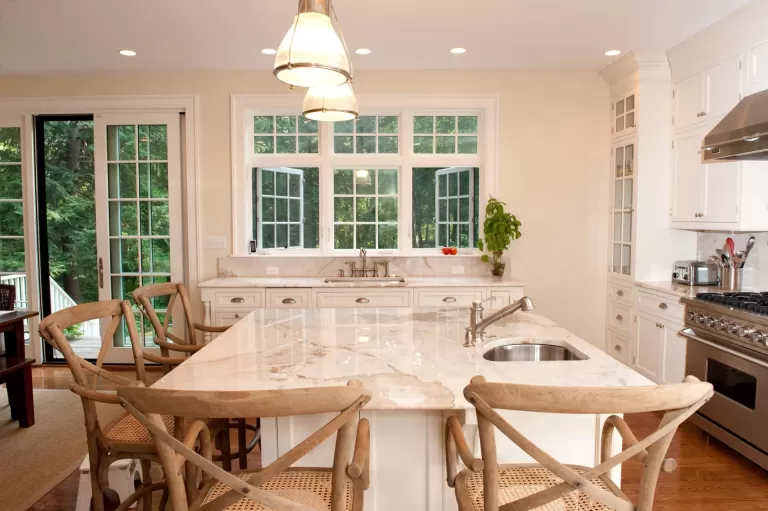
Homeowners are increasingly seeking unique and durable surfaces for their kitchens, bathrooms, and living spaces. New slab technologies offer:
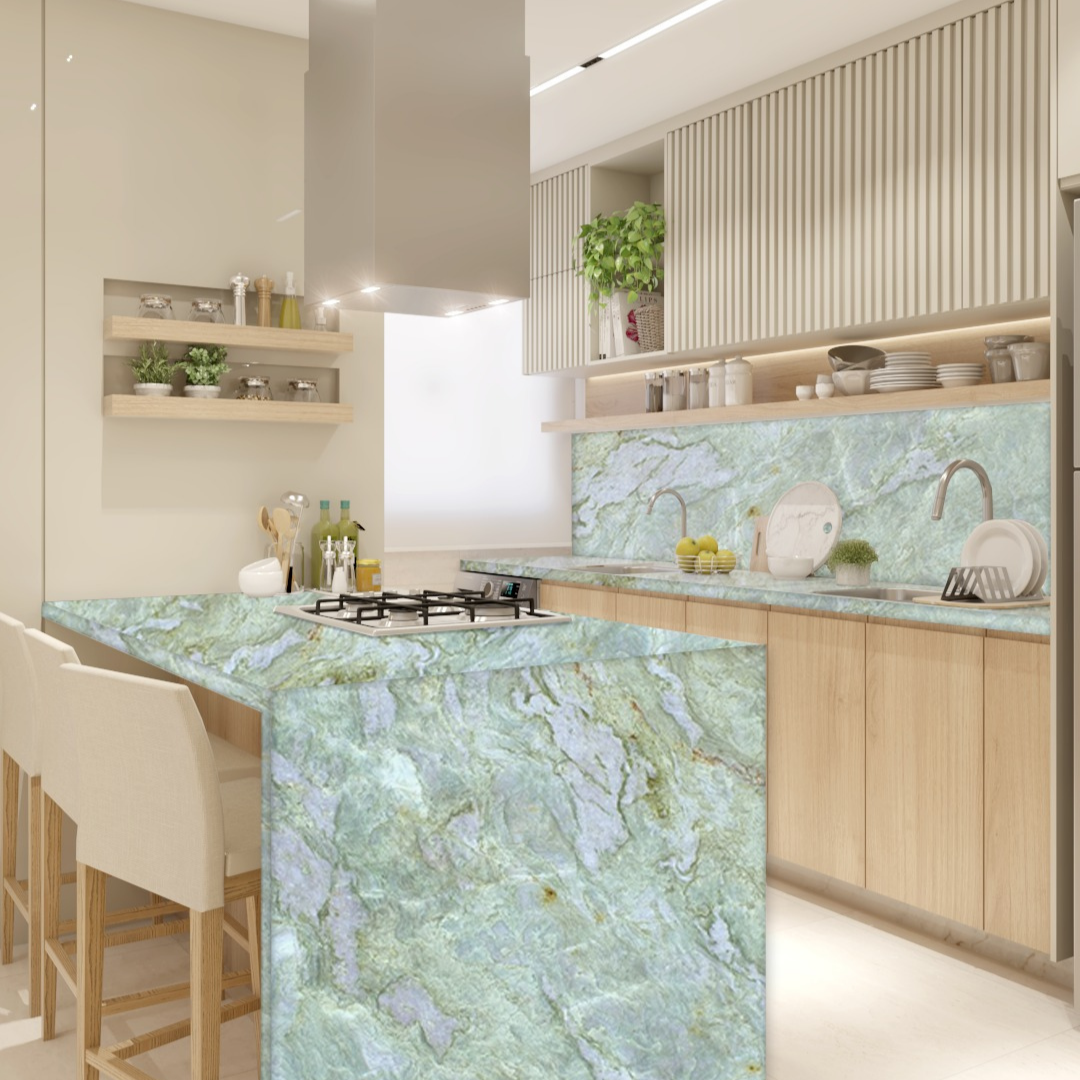
- Customization options for countertops, backsplashes, and flooring.
- Durable surfaces that withstand heavy use and resist staining.
- Innovative designs that enhance the overall aesthetic of the home.
2. Commercial Spaces
Businesses benefit from the durability and low maintenance of new slab technologies. Applications include:
- High-traffic flooring solutions that resist wear and tear.
- Stylish countertops and service areas in restaurants and retail spaces.
- Architectural features that create a lasting impression on customers.
3. Outdoor Environments
Innovative slabs are also making their way into outdoor design, with applications such as:
- Weather-resistant patio surfaces that maintain their appearance year-round.
- Eco-friendly permeable pavers that manage stormwater runoff.
- Durable retaining walls and landscaping features that withstand the elements.
Challenges and Considerations
While new slab technologies offer exciting possibilities, there are challenges to consider:
- Cost: Advanced materials and technologies may come at a premium, affecting project budgets.
- Training and Expertise: Builders and fabricators need to be trained in new installation techniques and material handling.
- Market Adoption: The industry must adapt to new technologies, which may take time and investment.
The Future of Slab Technologies
As we look ahead, the future of slab technologies in 2028 and beyond is bright. Continued research and development will lead to even more innovative solutions that address the evolving needs of the construction and design industries. Embracing these advancements will not only enhance the quality of architectural surfaces but also contribute to a more sustainable future.
Conclusion
New slab technologies are transforming the landscape of architectural surfaces, offering unprecedented durability, aesthetics, and sustainability. Whether you are a builder, designer, or homeowner, staying informed about these advancements will empower you to make informed decisions for your projects. As we embrace the future of slab technology, the possibilities for creativity and innovation are limitless.
For more information on the latest slab technologies and to explore premium quartz, porcelain, and natural stone slabs, contact Builder Stone Global at +1 470-551-2092 or visit our website.