


How Architects in Atlanta Specify Stone Slabs for Custom Builds: A Comprehensive Guide
How Architects in Atlanta Specify Stone Slabs for Custom Builds: A Comprehensive Guide
In the vibrant architectural landscape of Atlanta, the selection of materials plays a pivotal role in defining the aesthetic and functional qualities of custom builds. Among the myriad materials available, stone slabs—specifically quartz, porcelain, and natural stone—stand out for their durability, versatility, and visual appeal. This guide delves into the process architects in Atlanta undertake when specifying stone slabs for their projects, offering insights into material selection, design considerations, and industry practices.
Understanding the Types of Stone Slabs
Before architects can effectively specify stone slabs, a thorough understanding of the different types available is essential. The primary categories include:
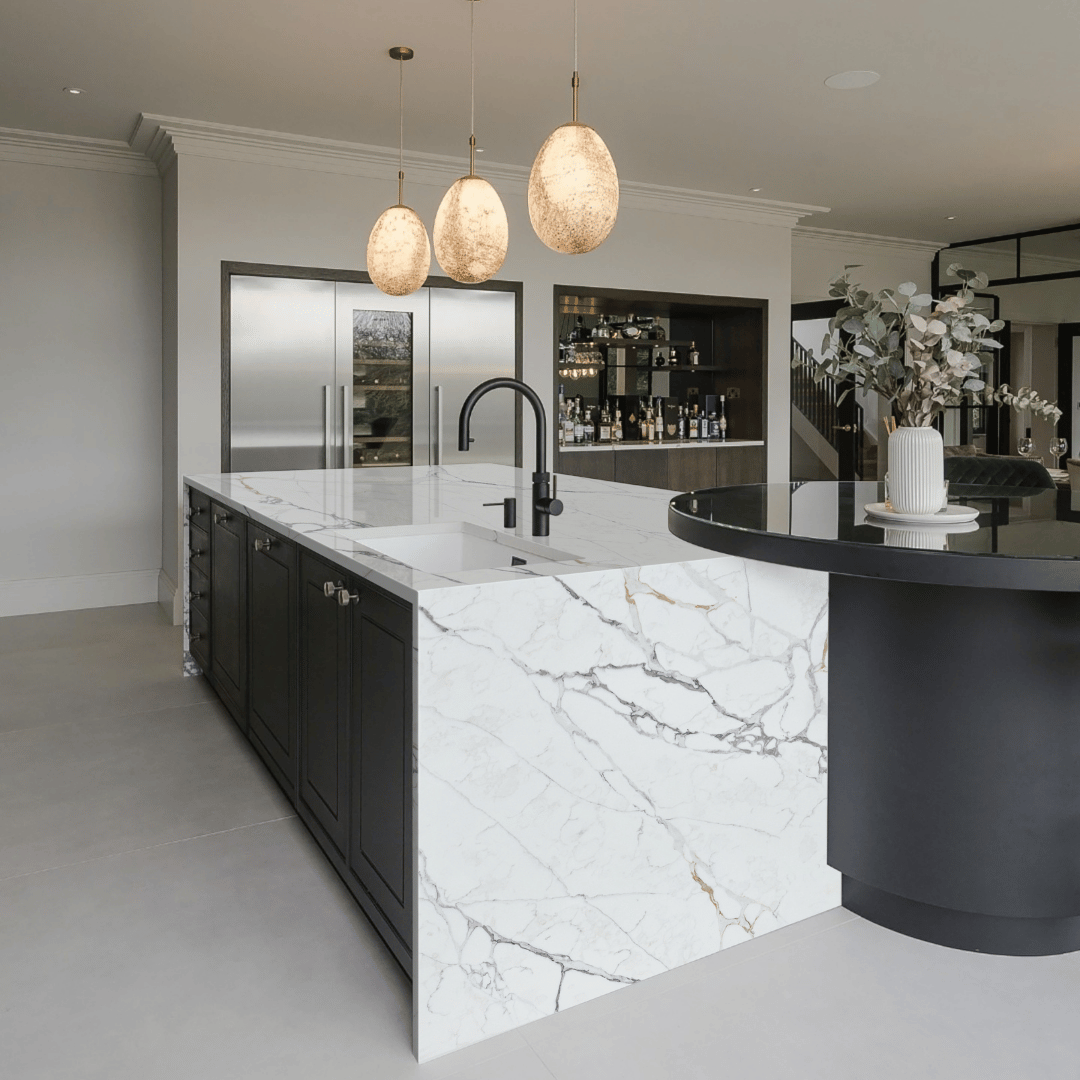
- Quartz Slabs: Engineered from natural quartz crystals, these slabs are known for their uniform appearance and non-porous surface, making them an excellent choice for kitchen countertops and other high-traffic areas.
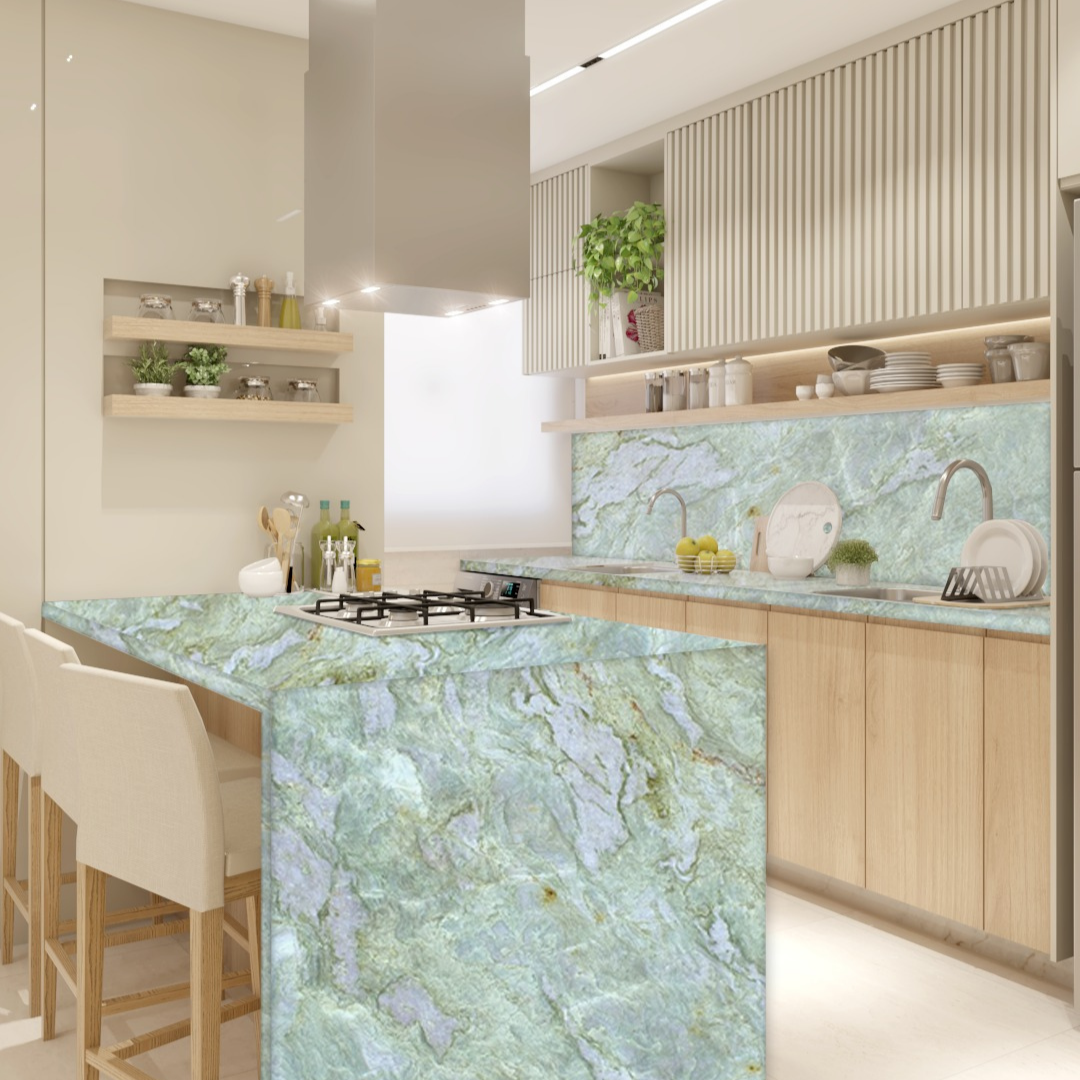
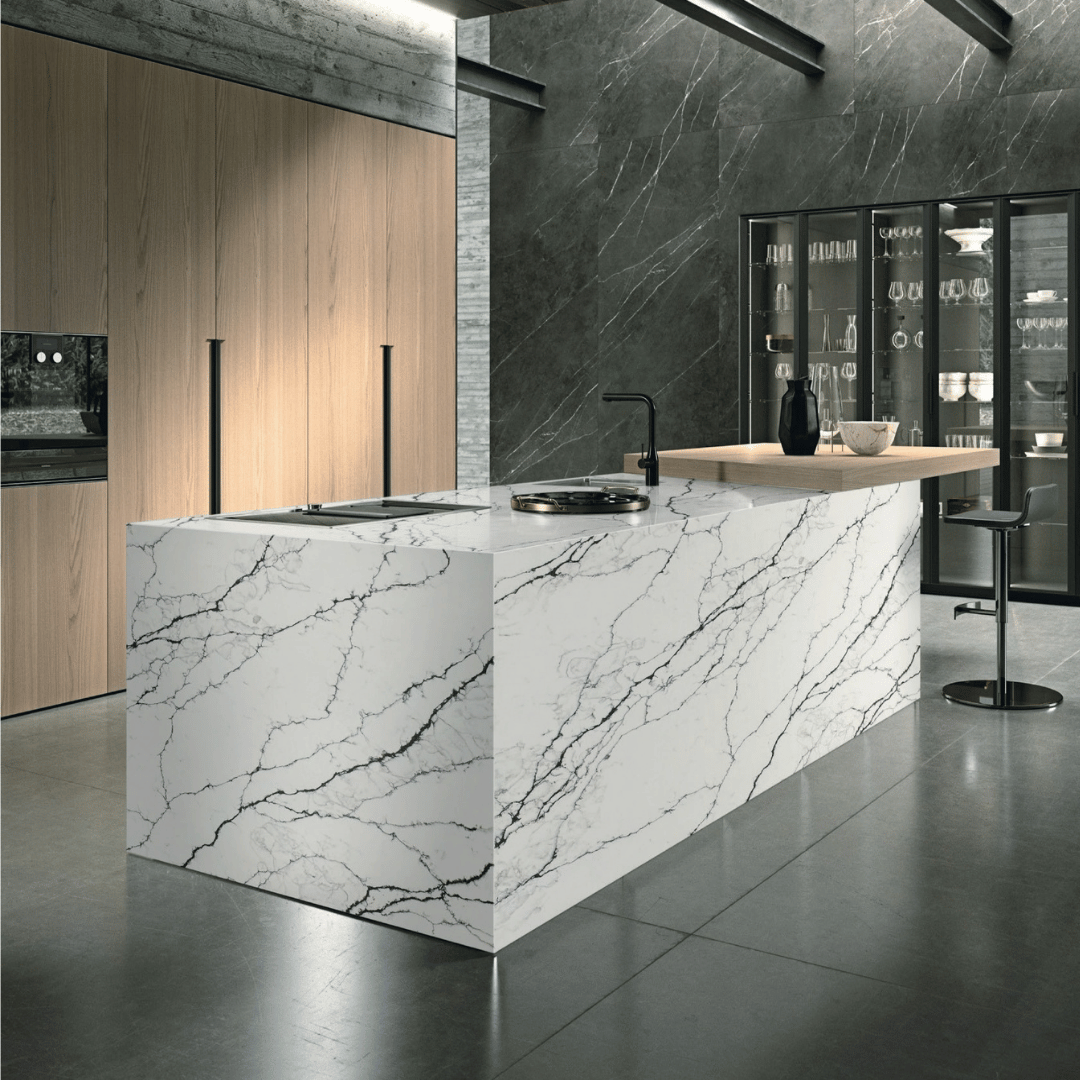
- Porcelain Slabs: Renowned for their high performance and large format, porcelain slabs offer a wide range of colors and finishes, ideal for both interior and exterior applications.
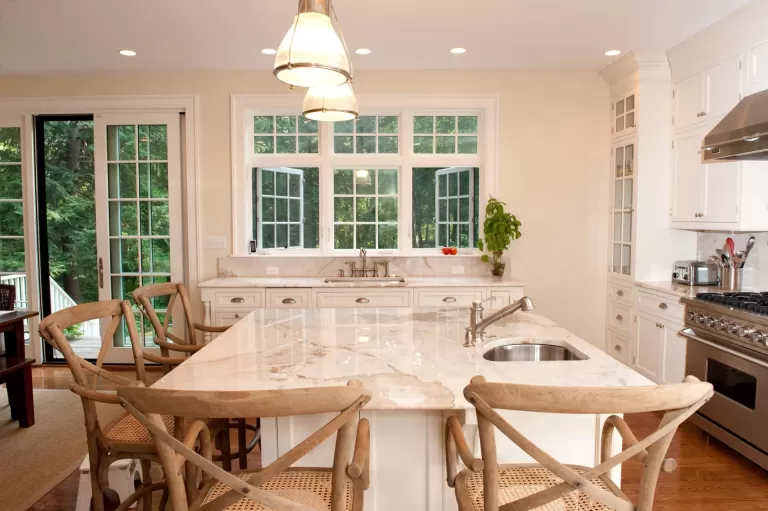
- Natural Stone Slabs: Includes materials such as granite and quartzite, prized for their unique patterns and textures, bringing a natural elegance to architectural designs.
Design Considerations for Stone Selection
Architects must consider several design factors when specifying stone slabs:
- Aesthetic Appeal: The visual characteristics of stone slabs, including color, pattern, and finish, must align with the overall design vision. Architects often create mood boards to visualize how different stone options will work together.
- Functionality: Depending on the intended use (e.g., kitchen countertops, flooring, exterior cladding), the durability, maintenance needs, and safety features (like slip resistance) of the stone are crucial.
- Environmental Impact: Sustainable practices are increasingly important in architecture. Architects may opt for locally sourced stones or those with lower environmental footprints.
Working with Suppliers and Fabricators
Collaboration with trusted suppliers and fabricators is a critical aspect of the specification process. Architects in Atlanta often partner with reputable stone distributors like Builder Stone Global, which offers a wide range of premium quartz, porcelain, and natural stone slabs. Key steps in this collaboration include:
- Samples and Mock-ups: Requesting samples allows architects to evaluate the stone’s aesthetics and performance in the actual build environment. Mock-ups may also be created to visualize the stone in context.
- Technical Specifications: Architects must ensure that the slabs meet specific requirements such as thickness, edge profiles, and finish types. Detailed specifications help avoid misunderstandings during installation.
- Logistics and Scheduling: Understanding lead times and inventory availability is essential for project timelines. Reliable suppliers provide insights into the availability of materials and can help schedule deliveries to align with project phases.
Architectural Applications of Stone Slabs
Stone slabs find applications across various architectural projects:
- Residential Projects: In custom homes, stone slabs are often chosen for kitchen countertops, bathroom vanities, and flooring, providing both luxury and practicality.
- Commercial Spaces: Offices, retail spaces, and hospitality settings benefit from the durability and aesthetic versatility of stone slabs, enhancing the customer experience.
- Outdoor Installations: Porcelain and natural stone slabs are excellent for outdoor applications, such as patios and facades, due to their resistance to weathering.
Challenges in Specifying Stone Slabs
While specifying stone slabs, architects may encounter several challenges, including:
- Variability: Natural stones can vary significantly in color and pattern, making it essential to select slabs from the same batch to ensure consistency.
- Installation Complexity: Certain stone types require specialized installation techniques, which can complicate project timelines. Architects should ensure that fabricators are well-versed in the specifics of the selected materials.
- Budget Constraints: High-quality stone slabs can be more expensive than other materials. Architects must balance design aspirations with project budgets, often exploring alternative materials or finishes.
Conclusion
In conclusion, specifying stone slabs for custom builds in Atlanta is a multifaceted process that requires careful consideration of material types, design factors, and collaboration with suppliers. By understanding the different stone options available and their unique properties, architects can create stunning architectural designs that meet both aesthetic and functional needs. As the demand for premium stone slabs continues to grow, resources like Builder Stone Global offer valuable support to architects, ensuring they have access to the finest materials for their innovative projects.
Call to Action
For architects looking to elevate their designs with premium stone slabs, Builder Stone Global is here to help. Contact our team or call +1 470-551-2092 to explore our extensive inventory and schedule a visit to our Norcross showroom.