
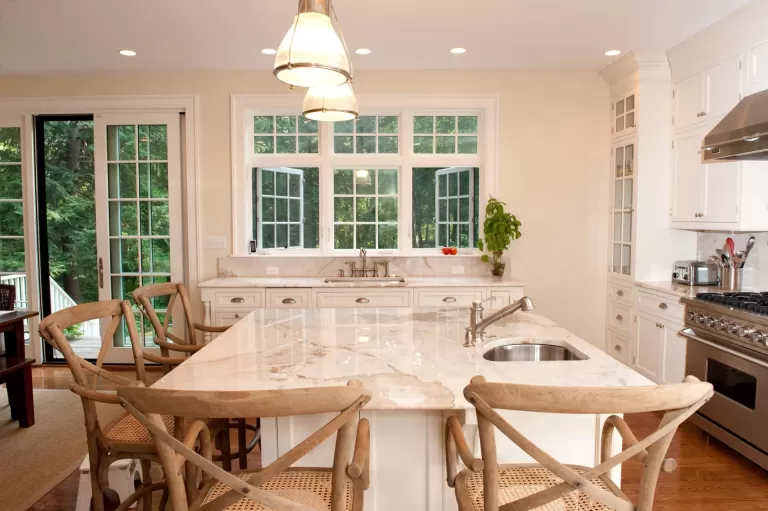
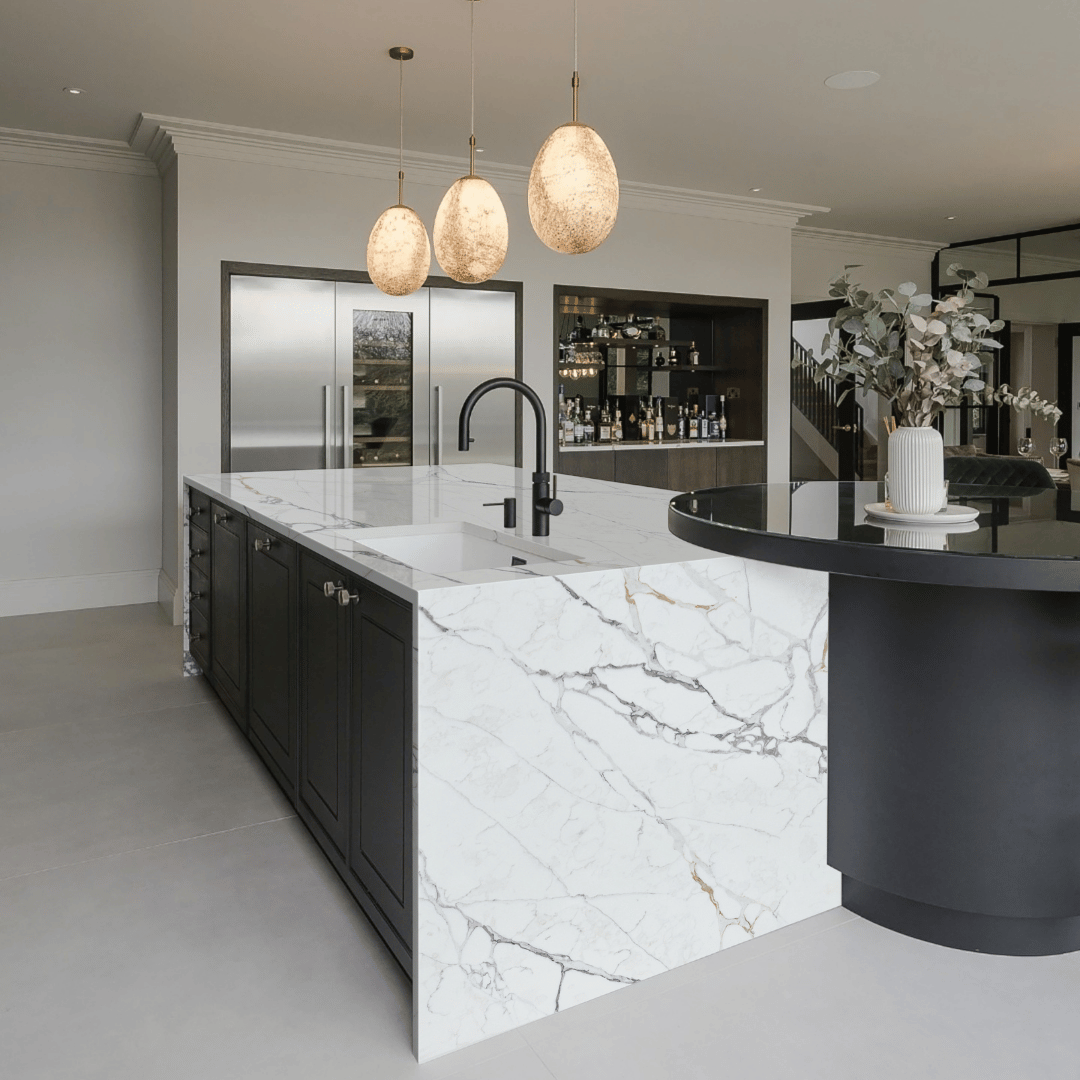
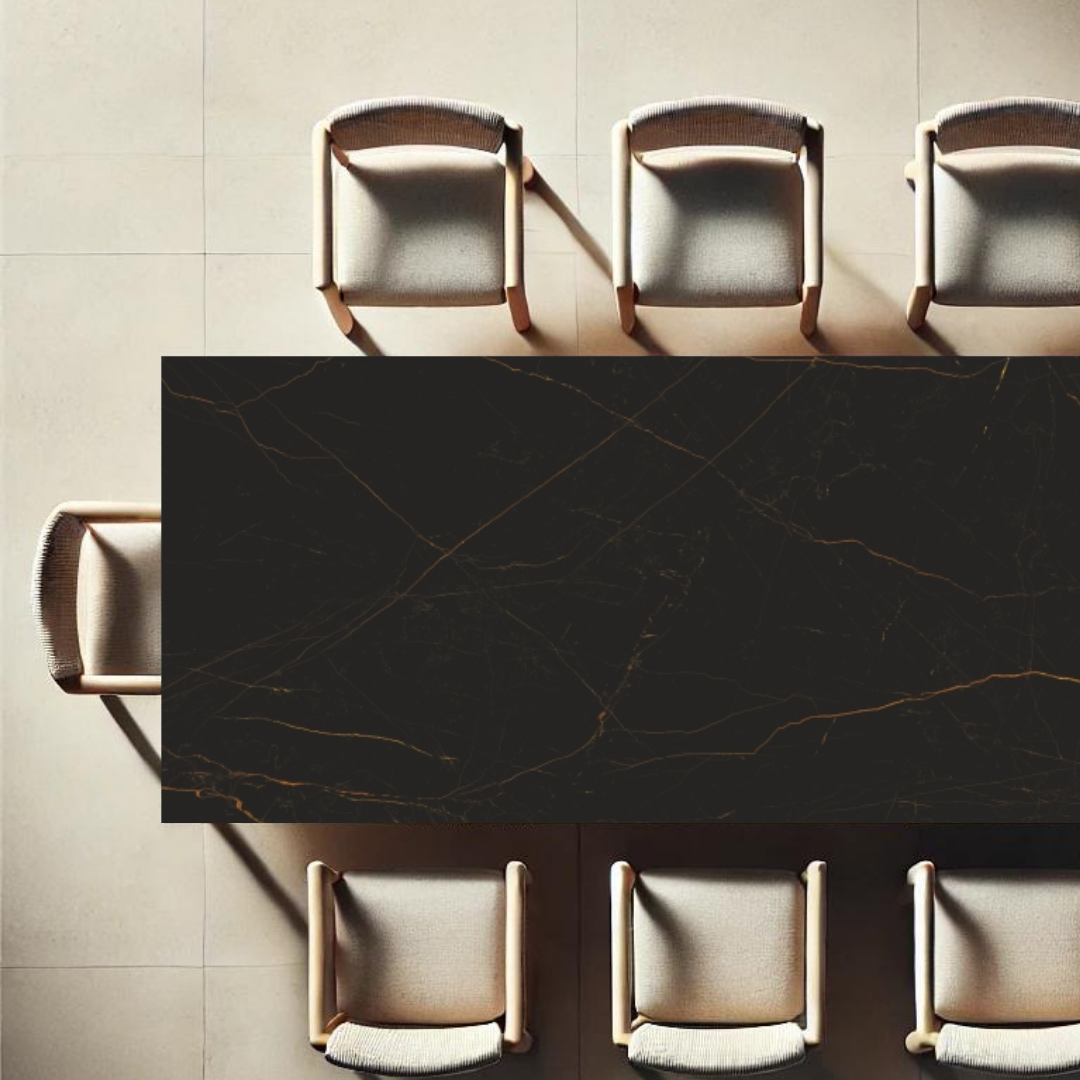
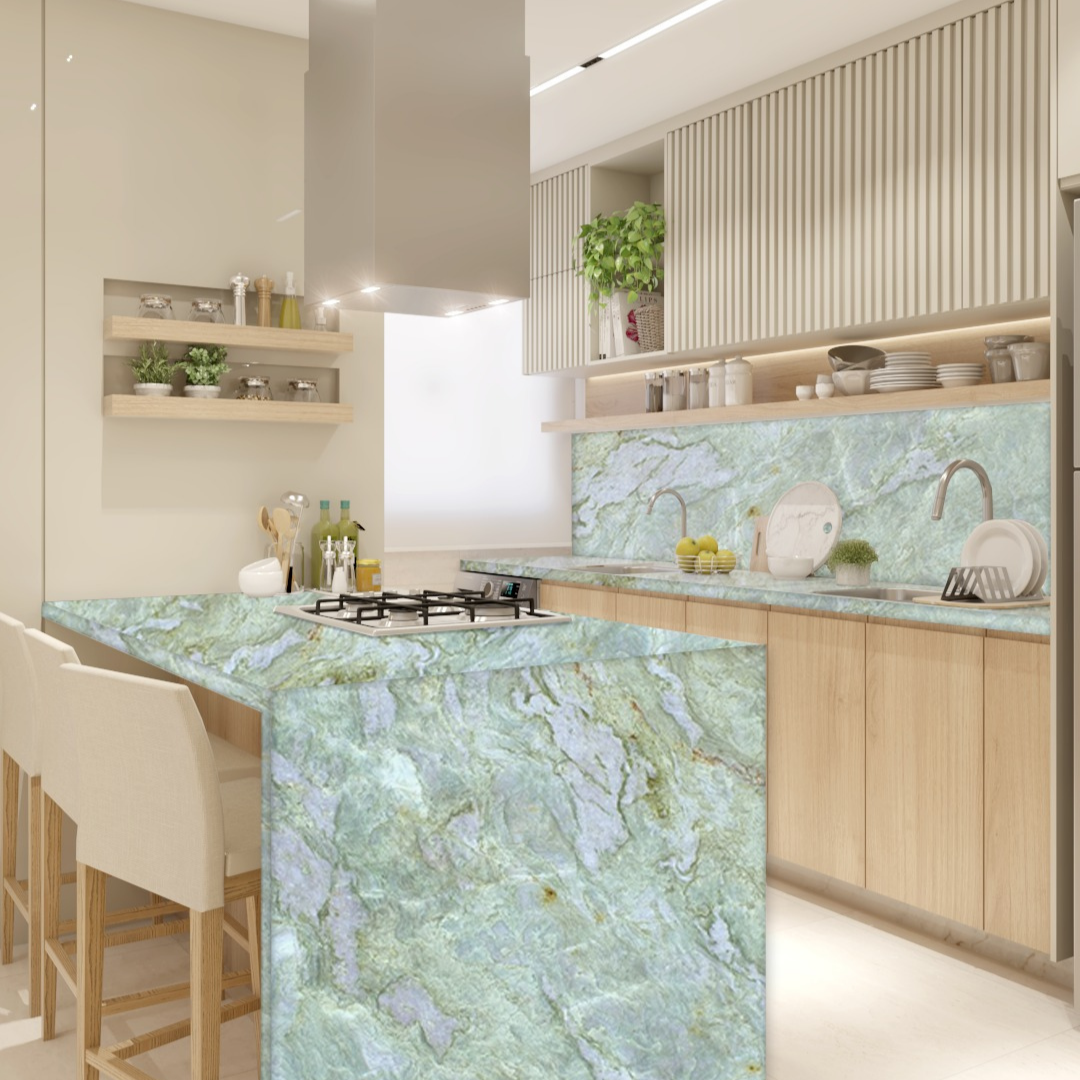
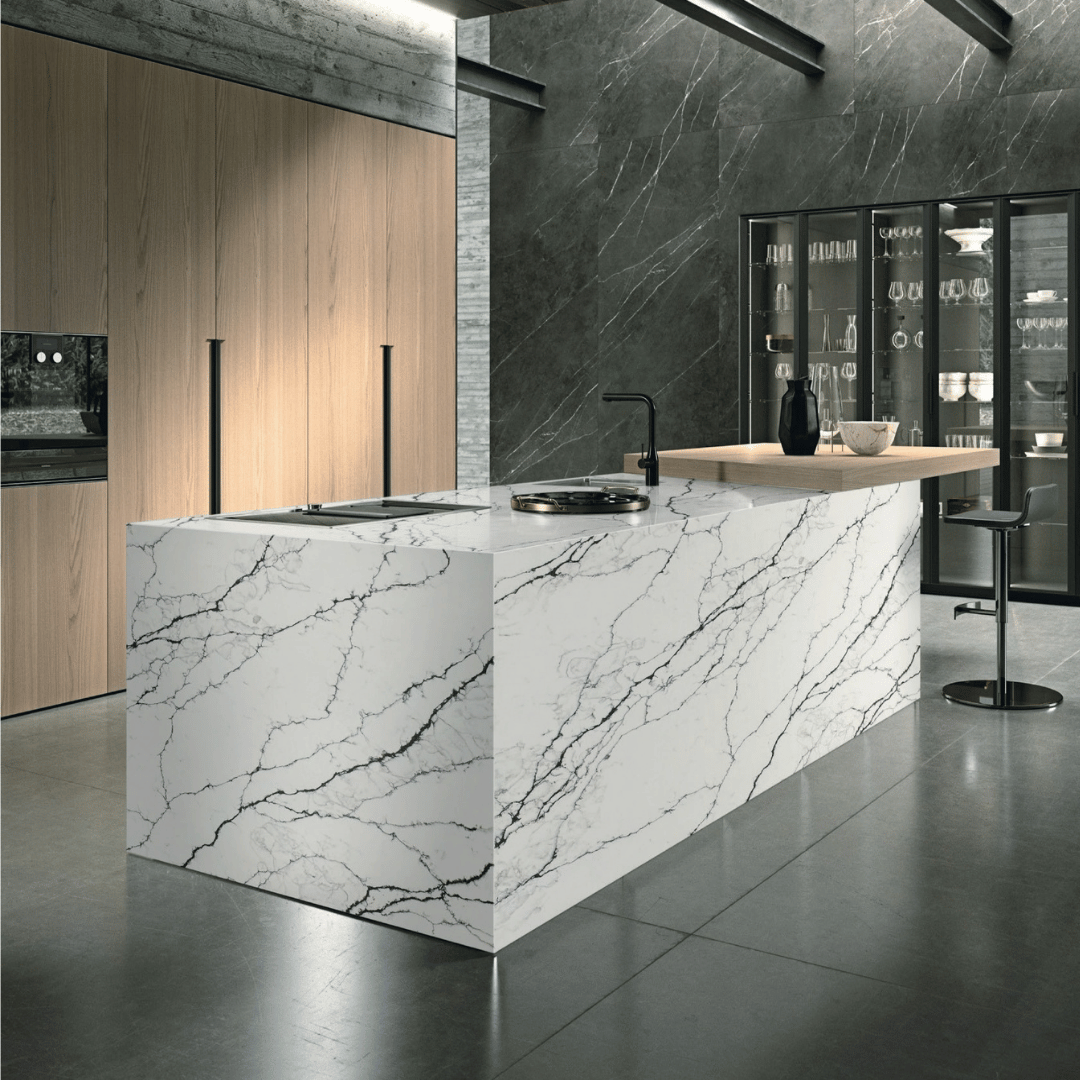
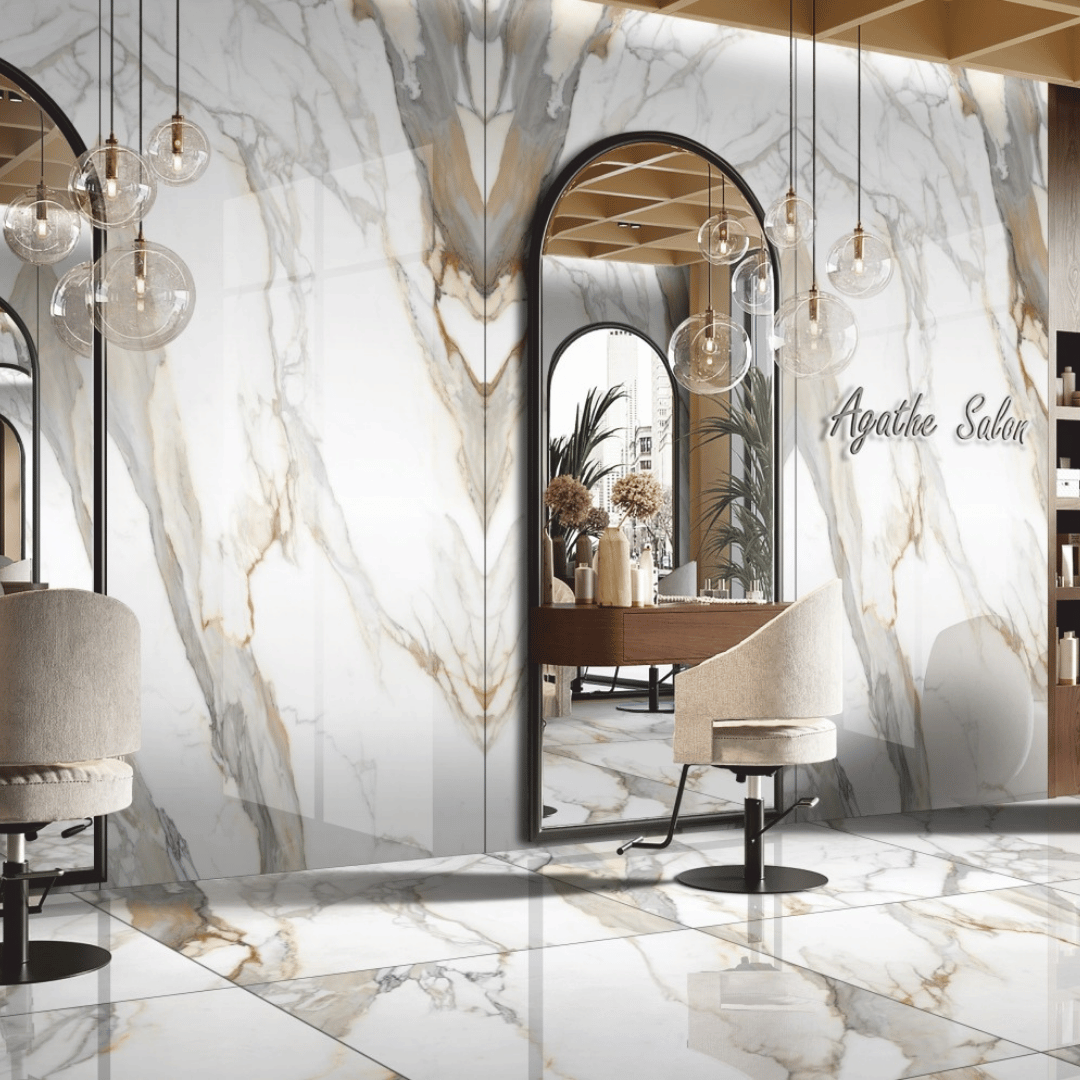
How Granite Slab Origin from Brazil, India, and Italy Affects Color and Character
How Granite Slab Origin from Brazil, India, and Italy Affects Color and Character
Granite slabs are highly sought after for their durability and aesthetic appeal, making them a popular choice for architectural surfaces. The origin of these granite slabs significantly impacts their color, texture, and overall character. In this comprehensive article, we will explore how granite sourced from Brazil, India, and Italy influences the visual and physical properties of this premium stone. We will delve into the geological processes, cultural influences, and extraction methods that contribute to the unique characteristics of granite from these regions.
Granite, a natural stone, is formed from the slow crystallization of magma beneath the Earth’s surface. Its composition primarily includes quartz, feldspar, and mica, resulting in a wide variety of colors and patterns. However, the specific mineral content and geological conditions of the region from which the granite is sourced play a crucial role in determining its final appearance. By understanding these factors, architects, designers, and homeowners can make informed choices when selecting granite slabs for their projects.
This article will provide insights into the distinct features of granite from Brazil, India, and Italy, as well as tips on choosing the right granite for your architectural needs. Whether you are a countertop fabricator, architect, or homeowner, understanding the nuances of granite origins will enhance your design decisions.
1. The Geology of Granite
Granite is an igneous rock that forms from the cooling and solidification of magma. Over millions of years, geological forces expose granite deposits, which can then be quarried for use in construction and design. The mineral composition of granite typically includes:
- Quartz: The most abundant mineral in granite, providing strength and resistance to weathering.
- Feldspar: A group of minerals that contribute to the color variations in granite.
- Mica: Adds sparkle and sheen to the surface.
The specific ratios of these minerals vary based on the granite’s geographic origin, leading to distinct color palettes and patterns. For example, granite from Brazil is often characterized by vibrant colors and dramatic patterns, while Indian granite tends to feature rich, earthy tones.
2. Granite from Brazil
Brazil is renowned for its diverse and visually striking granite varieties. The country’s unique geology, coupled with its rich mineral deposits, produces some of the most sought-after granite slabs in the world.
Color and Patterns
Brazilian granite is known for its vivid colors, including vibrant reds, blues, greens, and yellows. For instance, the popular Blue Bahia granite features a stunning azure hue with white and black veining, making it a favorite for luxurious countertops and flooring. The Giallo Veneziano is another example, boasting warm gold and cream tones that add elegance to any space.
Geological Influences
The geological processes in Brazil have resulted in a variety of granite types. The country’s granite formations are often shaped by tectonic activity, contributing to the unique patterns and colors. The extraction methods used in Brazilian quarries also play a role in preserving the natural beauty of the stone. Techniques such as diamond wire saw cutting minimize damage to the slabs, ensuring that the final product retains its original character.
Applications
Brazilian granite is a popular choice for high-end residential and commercial projects. Its vibrant colors and unique patterns make it ideal for:
- Countertops
- Vanities
- Flooring
- Wall cladding
Architects and designers often choose Brazilian granite for its ability to create dramatic focal points in kitchens and bathrooms.
3. Granite from India
India is another leading source of granite, known for its rich colors and diverse patterns. The country’s vast granite reserves are characterized by a range of unique textures and hues, making Indian granite a versatile option for various design applications.
Color and Patterns
Indian granite is celebrated for its earthy tones, including deep browns, blacks, and greens. The Black Galaxy granite, for instance, features a stunning black background with gold and white speckles, creating a sense of luxury. Similarly, the Tan Brown variety offers rich brown tones with subtle variations, perfect for traditional and modern settings alike.
Geological Influences
The geological formation of Indian granite is influenced by the country’s complex tectonic history, resulting in unique mineral compositions. Many Indian granite varieties are formed from ancient volcanic activity, giving them their distinctive colors and textures. The extraction process often involves traditional methods that have been passed down through generations, ensuring that the integrity of the stone is maintained.
Applications
Indian granite is widely used in both residential and commercial projects due to its durability and aesthetic appeal. Common applications include:
- Countertops
- Flooring
- Staircases
- Outdoor spaces
The versatility and strength of Indian granite make it a favorite among builders and designers.
4. Granite from Italy
Italy is synonymous with luxury and elegance, and its granite is no exception. Italian granite is known for its exquisite beauty and refined textures, often used in high-end architectural projects.
Color and Patterns
Italian granite typically features softer color palettes, with shades of gray, white, and beige dominating the landscape. The Bianco Carrara granite is a prime example, showcasing a classic white background with subtle gray veining. This variety is highly sought after for its timeless elegance.
Geological Influences
The geological processes in Italy contribute to the unique characteristics of its granite. The country’s marble and granite deposits have been shaped by ancient geological events, resulting in a variety of textures and finishes. Italian quarries often utilize advanced extraction techniques to ensure the highest quality slabs, preserving the stone’s natural beauty.
Applications
Italian granite is favored in luxury residential and commercial projects for its sophisticated appearance. Common applications include:
- Countertops
- Wall cladding
- Fireplaces
- Outdoor living spaces
The refined aesthetics of Italian granite make it a preferred choice for upscale designs.
5. Comparing Color and Character
When comparing granite from Brazil, India, and Italy, several factors come into play regarding color and character. The following table summarizes the key differences:
| Origin | Color Palette | Pattern Variability | Common Applications |
|---|---|---|---|
| Brazil | Vibrant colors (reds, blues, yellows) | Dramatic and bold patterns | Countertops, flooring, wall cladding |
| India | Earthy tones (browns, blacks, greens) | Rich textures and variations | Countertops, flooring, outdoor spaces |
| Italy | Soft colors (grays, whites, beiges) | Elegant and refined patterns | Countertops, wall cladding, fireplaces |
Each region’s granite offers unique aesthetics, allowing homeowners and designers to select materials that align with their vision and project requirements.
6. Choosing the Right Granite for Your Project
When selecting granite slabs for your project, consider the following factors:
- Color Scheme: Choose a granite variety that complements your overall design aesthetic. For example, Brazilian granites are ideal for vibrant, modern spaces, while Italian granites suit classic and elegant designs.
- Texture and Finish: Decide on the texture and finish that best fits your needs. Polished finishes are popular for countertops, while honed finishes offer a more matte appearance.
- Durability: Ensure that the granite you choose is suitable for the intended application, whether it be for high-traffic areas or decorative features.
- Budget: Consider your budget, as prices can vary significantly based on the origin, quality, and rarity of the granite.
For a detailed inventory of granite slabs available, check our live inventory.
7. Maintenance and Care for Granite Surfaces
To maintain the beauty and integrity of granite surfaces, proper care is essential. Here are some expert tips for maintaining your granite countertops and surfaces:
Cleaning: Use a gentle, pH-balanced cleaner and a soft cloth for regular cleaning. Avoid acidic or abrasive cleaners that can damage the surface.
Sealing: Granite surfaces should be sealed periodically to prevent stains and moisture penetration. Check with your supplier for recommended sealing schedules.
Heat Protection: While granite is heat resistant, avoid placing hot pots directly on the surface to prevent thermal shock.
By following these maintenance tips, you can ensure that your granite surfaces remain pristine for years to come.
8. Conclusion
Understanding how granite slab origin affects color and character is crucial for making informed decisions in architectural design. Brazilian granite offers bold colors and dramatic patterns, while Indian granite provides earthy tones and rich textures. Italian granite, on the other hand, showcases soft colors and refined elegance. By considering the unique characteristics of each region’s granite, architects, designers, and homeowners can select the perfect material for their projects.
If you’re ready to explore premium granite options, visit our Norcross showroom or contact us to speak with our surface specialists.
9. Frequently Asked Questions (FAQs)
1. What is the main difference between granite from Brazil, India, and Italy?
The main differences lie in the color palettes, patterns, and geological influences. Brazilian granite is vibrant and dramatic, Indian granite is earthy and textured, while Italian granite is soft and elegant.
2. How do I choose the right granite for my kitchen countertop?
Consider the color scheme, texture, durability, and budget. Brazilian granites work well for modern designs, while Italian granites suit classic aesthetics.
3. Is granite suitable for outdoor use?
Yes, granite is durable and weather-resistant, making it an excellent choice for outdoor surfaces.
4. How often should I seal my granite countertops?
Granite countertops should be sealed every 1-3 years, depending on usage and the specific granite type.
5. Can I use bleach to clean granite surfaces?
No, avoid using bleach or acidic cleaners as they can damage the finish. Use a pH-balanced cleaner instead.
6. What is the best way to maintain granite?
Regular cleaning with a gentle cleaner, periodic sealing, and using coasters and cutting boards can help maintain granite surfaces.
7. Are there eco-friendly granite options available?
Yes, some quarries practice sustainable extraction methods, and you can find recycled granite products on the market.
8. How does granite compare to quartz in terms of durability?
Both granite and quartz are durable, but granite is more resistant to heat and scratches, while quartz can be more resistant to stains due to its non-porous surface.