


The Complete Guide to Granite Slab Thickness Options and Structural Requirements
The Complete Guide to Granite Slab Thickness Options and Structural Requirements
When it comes to selecting granite for your architectural surfaces, understanding the various granite slab thickness options is paramount. Not only does the thickness influence the aesthetic appeal of your project, but it also plays a crucial role in the structural integrity and durability of the surfaces you’re creating. In this comprehensive guide, we will explore everything you need to know about granite slab thickness options, including their applications, structural requirements, and what to consider when making your selection. By the end of this article, you will be equipped with the knowledge to make informed decisions for your next project.
What is Granite Slab Thickness?
Granite slab thickness refers to the measurement of the granite material from the top surface to the bottom surface. Typically, granite slabs are available in various thicknesses, which can affect their performance, durability, and suitability for specific applications. In residential and commercial settings, common thicknesses range from 2 cm (3/4 inch) to 3 cm (1 1/4 inch). However, thicker slabs can also be sourced depending on the supplier and specific project requirements.
Common Granite Slab Thickness Options
Granite slabs are predominantly available in two common thicknesses:
- 2 cm (3/4 inch): This thickness is often used for countertops, backsplashes, and other surfaces where weight is a concern. It offers a balance between durability and ease of handling.
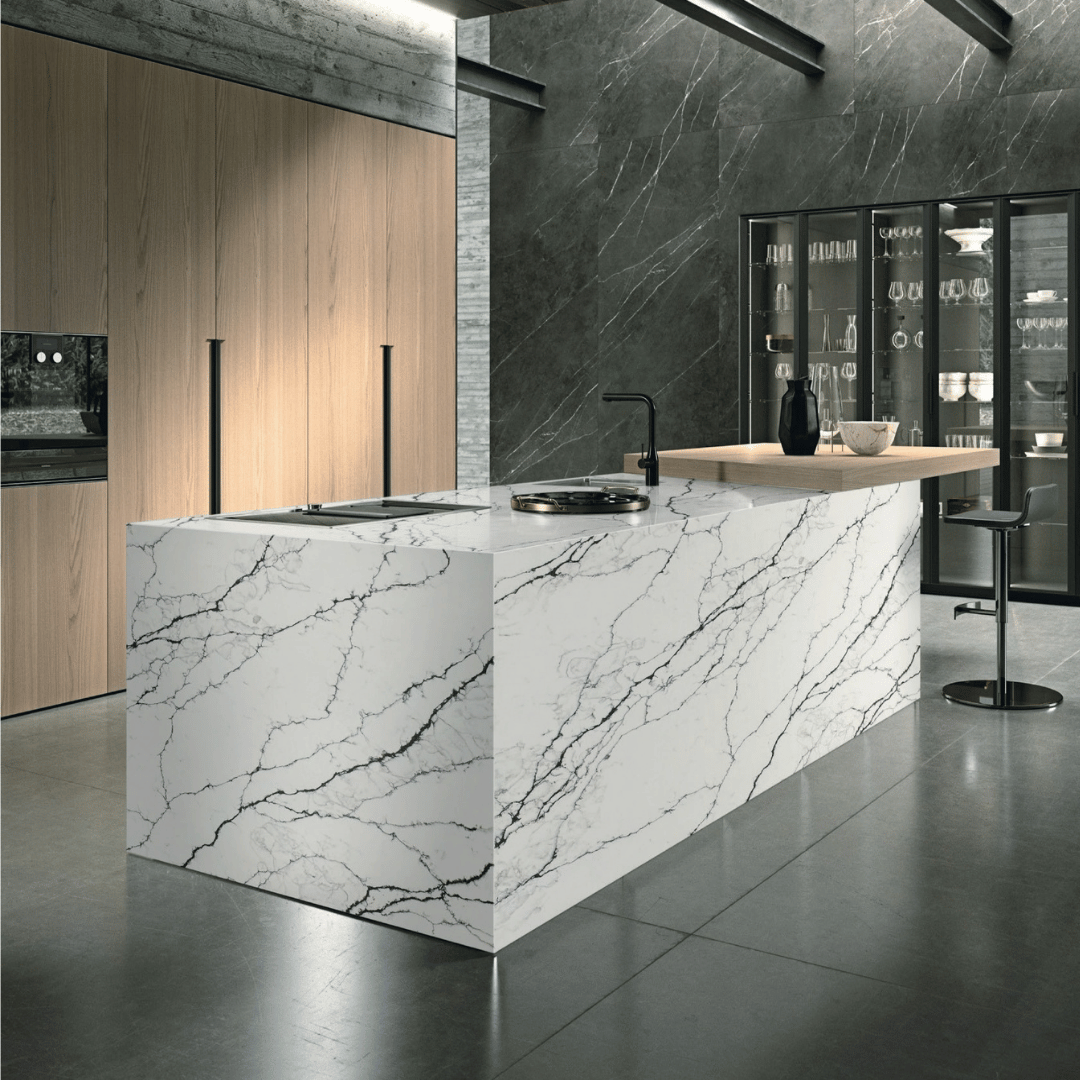
- 3 cm (1 1/4 inch): This thicker option is favored for its robustness and is commonly used in high-traffic areas such as commercial spaces, as well as for waterfall edges and large islands.
Additionally, some suppliers may offer custom thicknesses for specialized projects. At Builder Stone Global, we pride ourselves on providing a diverse inventory of granite slabs, ensuring that you find the right thickness for your needs.
Structural Requirements for Granite Slabs
Understanding the structural requirements for granite slabs is essential to ensure their longevity and performance. Here are several key factors to consider:
1. Support Structure
The support structure for granite slabs should be robust enough to handle the weight of the material. For instance, a 3 cm granite slab can weigh approximately 15-20 pounds per square foot, which necessitates a solid base. Common support options include:
- Cabinets: For countertops, ensure that cabinetry can support the weight of the granite. Reinforcement may be needed for overhangs.
- Frames and Brackets: In some installations, especially with larger pieces, metal frames or brackets can provide additional support.
2. Distribution of Weight
Proper distribution of weight is crucial to prevent cracking or breaking. When installing granite slabs, ensure that weight is evenly distributed across the surface to minimize stress points. This is especially important for thinner slabs.
3. Thickness Considerations
As mentioned earlier, the thickness of the granite slab impacts its structural integrity. Thicker slabs are less likely to crack under pressure, making them ideal for high-traffic areas or applications where durability is paramount.
How to Choose the Right Thickness for Your Project
Choosing the right thickness for your granite slab involves evaluating several factors:
1. Application
Consider the intended use of the granite. For countertops and vanities, 2 cm may suffice, while for commercial applications or statement pieces, 3 cm is recommended for added durability.
2. Design Preferences
Thickness can affect visual aesthetics. Thicker slabs tend to create a more substantial look, which can enhance the overall design of a space.
3. Budget
Thicker slabs often come at a higher cost. Determine your budget constraints early on to guide your selection process.
4. Installation Considerations
Consult with your fabricator or installer about the best thickness for your specific project. They can provide insights based on their experience and expertise.
Installation Considerations
Proper installation is critical to the performance of granite surfaces. Here are some key considerations:
1. Professional Installation
Given the weight and fragility of granite, professional installation is recommended. Expert installers can ensure proper handling, cutting, and fitting of the slabs.
2. Use of Adhesives
High-quality adhesives should be used to secure the granite slabs in place. This not only ensures stability but also helps to prevent moisture infiltration.
3. Seam Placement
Plan seam placements carefully to minimize visibility and maintain structural integrity. Discuss this with your contractor to achieve the best results.
Maintenance and Care for Granite Surfaces
To maintain the beauty and longevity of your granite surfaces, consider the following care tips:
1. Regular Cleaning
Use a gentle pH-balanced cleaner to wipe down your granite surfaces regularly. Avoid acidic or abrasive cleaners that can damage the finish.
2. Sealing
Granite typically requires sealing to protect against stains and moisture. Depending on the type of granite and its finish, resealing may be necessary every 1-3 years.
3. Avoid Heavy Impacts
While granite is durable, it can chip or crack under heavy impacts. Use cutting boards and avoid dropping heavy objects on the surface.
Frequently Asked Questions
1. What is the best thickness for granite countertops?
The best thickness for granite countertops typically ranges from 2 cm to 3 cm, depending on the intended use and aesthetic preference.
2. Can you use 2 cm granite for a kitchen countertop?
Yes, 2 cm granite can be used for kitchen countertops, but it may require more support, especially for overhangs.
3. How much does a granite slab weigh?
A 3 cm granite slab weighs approximately 15-20 pounds per square foot, while a 2 cm slab weighs around 10-15 pounds per square foot.
4. Is thicker granite better?
In general, thicker granite slabs (3 cm) are more durable and better suited for high-traffic areas, while thinner slabs (2 cm) may be more cost-effective for residential applications.
5. How do I maintain my granite surfaces?
Regular cleaning with a pH-balanced cleaner and periodic sealing are essential for maintaining granite surfaces.
6. What should I consider when choosing granite thickness?
Consider the application, design preferences, budget, and installation requirements when choosing granite thickness.
7. Can I install granite myself?
While it is possible to install granite yourself, professional installation is recommended due to the weight and fragility of the material.
8. How often should I seal my granite countertops?
Granite typically requires sealing every 1-3 years, depending on the type of granite and its finish.
9. What is the difference between 2 cm and 3 cm granite?
The primary differences are weight, durability, and cost. 3 cm granite is heavier, more durable, and often preferred for high-traffic areas.
10. Are there custom thickness options available?
Yes, some suppliers offer custom thickness options for specialized projects.
11. What are the structural requirements for granite slabs?
Granite slabs require a solid support structure, proper weight distribution, and careful consideration of slab thickness for optimal performance.
12. How can I ensure my granite installation is successful?
Work with experienced professionals, plan seam placements carefully, and choose the right thickness for your application.
Conclusion
Understanding granite slab thickness options and structural requirements is crucial for achieving beautiful and durable surfaces in both residential and commercial projects. By considering the specific needs of your project, you can make informed decisions that will enhance the aesthetic appeal and longevity of your granite installations. At Builder Stone Global, we offer a wide selection of premium granite slabs in various thicknesses to meet your design and structural needs. Call +1 470-551-2092 to speak with our surface specialists today!