

Granite Slab Outdoor Applications: Enduring Georgia’s Climate with Proper Sealing
Granite Slab Outdoor Applications: Enduring Georgia’s Climate with Proper Sealing
When it comes to outdoor applications in Georgia’s unique climate, granite slabs stand out as a premier choice for homeowners and designers seeking both durability and aesthetic appeal. Granite is renowned for its resilience, but the key to maximizing its lifespan and maintaining its beauty lies in proper sealing. In this article, we’ll explore why granite slabs are ideal for outdoor use in Georgia and how effective sealing can protect these surfaces from the elements. As a trusted quartz slab distributor in Norcross, GA, we provide insights backed by experience and expertise to ensure your outdoor spaces remain stunning and functional for years to come.
1. Understanding Granite and Its Natural Properties
Granite is an igneous rock composed primarily of quartz, feldspar, and mica, making it one of the hardest natural stones available. This composition gives granite its remarkable strength and durability, which is why it is often used for countertops, flooring, and outdoor surfaces. The natural beauty of granite, with its unique patterns and colors, adds a touch of elegance to any outdoor space.
Moreover, granite’s ability to withstand heat and resist scratches makes it a favorable option for patios, outdoor kitchens, and pool areas. According to the Natural Stone Institute, granite is one of the most popular materials for outdoor applications due to its durability and low maintenance requirements.
2. The Importance of Sealing Granite Slabs
While granite is inherently durable, it is still porous to some degree. This porosity means that, without proper sealing, granite can absorb moisture, dirt, and stains, which can compromise its integrity and appearance over time. Sealing granite slabs creates a protective barrier that prevents liquids from penetrating the stone, thereby reducing the risk of staining and damage.
Sealing is particularly crucial for outdoor granite applications, where exposure to rain, humidity, and UV rays can lead to accelerated wear and tear. A well-sealed granite slab not only resists stains but also helps prevent algae and mold growth, which can be particularly problematic in Georgia’s humid climate.
3. How Georgia’s Climate Affects Outdoor Surfaces
Georgia’s climate is characterized by hot summers, mild winters, and high humidity levels. This combination poses challenges for outdoor surfaces, including granite. The intense sunlight can fade colors over time, while moisture can lead to mold and mildew growth. Understanding these factors is crucial for selecting and maintaining granite slabs.
In the summer months, temperatures can soar above 90°F, which can cause unsealed granite to become hot to the touch, making it uncomfortable for bare feet in outdoor living spaces. Additionally, the high humidity can exacerbate the effects of moisture on granite, making proper sealing even more critical.
4. Choosing the Right Granite for Outdoor Applications
When selecting granite for outdoor use, it is essential to consider its finish and color. Darker granites tend to absorb more heat, which can make them uncomfortable in hot weather. Lighter colors, on the other hand, reflect sunlight and remain cooler. Additionally, the finish of the granite can affect its susceptibility to staining and wear. For outdoor applications, a honed or textured finish may be preferable, as it provides better slip resistance.
Here are some popular granite options for outdoor applications:
| Granite Type | Color | Finish | Best Uses |
|---|---|---|---|
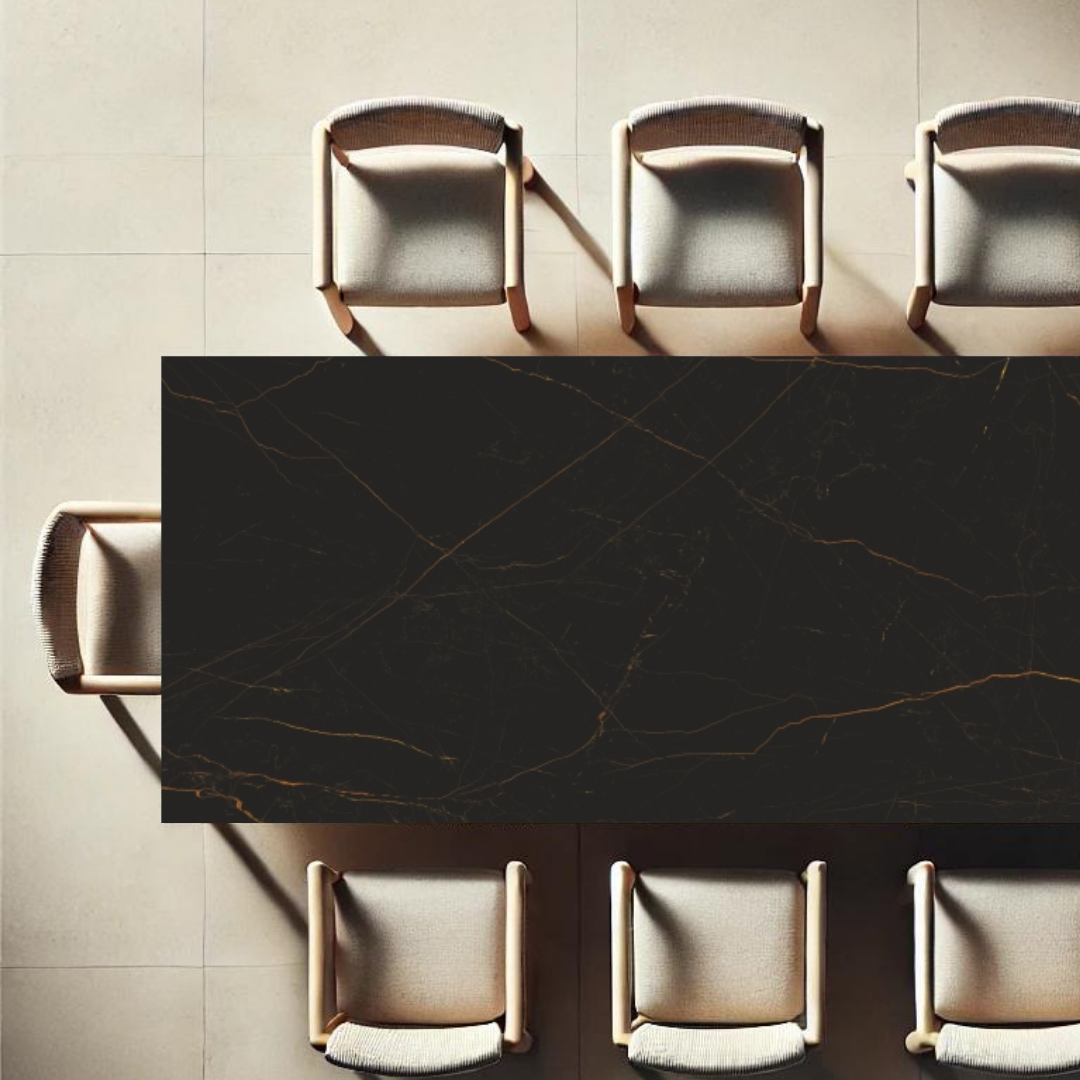
| Black Galaxy | Black with gold flecks | Polished | Outdoor kitchens, countertops |
| Alaska White | White with gray and black specks | Honed | Patios, walkways |
| Colonial Gold | Gold and cream | Polished | Fireplaces, outdoor bars |
| Blue Pearl | Blue with silver flecks | Polished | Accent walls, decorative features |
5. Proper Sealing Techniques for Granite Slabs
To ensure the longevity and performance of granite slabs in outdoor settings, it is essential to follow proper sealing techniques. Here is a step-by-step guide:
- Clean the Surface: Before applying any sealant, thoroughly clean the granite surface with a pH-neutral cleaner. This removes dirt, grease, and any previous sealant residue.
- Allow to Dry: Ensure the granite surface is completely dry before applying the sealant. Moisture can interfere with the sealing process.
- Choose the Right Sealant: Select a high-quality penetrating sealant designed for natural stone. Look for products that are water-based for easier application and cleanup.
- Apply the Sealant: Using a soft cloth or applicator, apply the sealant evenly across the granite surface. Be sure to cover all areas, including edges and seams.
- Allow to Cure: Follow the manufacturer’s instructions regarding curing time. Typically, it’s recommended to let the sealant sit for at least 24 hours before use.
- Test for Effectiveness: After the curing period, perform a water test by dropping a small amount of water on the surface. If the water beads up, the sealant is effective. If not, consider reapplying.
6. Maintenance Tips for Granite Slabs in Outdoor Settings
Maintaining granite slabs in outdoor applications involves regular cleaning and inspections. Here are some essential tips to keep your granite surfaces looking their best:
- Regular Cleaning: Clean the surface regularly with a mild soap and water solution. Avoid acidic cleaners that can damage the sealant.
- Inspect for Damage: Periodically check for cracks, chips, or signs of wear. Address any issues promptly to prevent further damage.
- Resealing: As mentioned earlier, reseal your granite slabs every 1-3 years, or sooner if you notice reduced water repellency.
- Protect from Extreme Weather: During severe weather, consider covering outdoor granite surfaces to protect them from hail, heavy rain, or prolonged exposure to direct sunlight.
7. Common Questions About Granite Slabs and Sealing
What is the best way to seal granite slabs?
The best way to seal granite is to use a high-quality penetrating sealant, applying it evenly across a clean, dry surface and allowing it to cure according to the manufacturer’s instructions.
How often should I reseal my granite?
It is recommended to reseal granite slabs every 1-3 years, depending on usage and exposure to outdoor elements.
Can I use bleach to clean granite?
No, bleach and acidic cleaners can damage the sealant and the granite surface. Use a pH-neutral cleaner instead.
Will granite fade in the sun?
While granite is resistant to UV rays, prolonged exposure can cause some fading. Choosing lighter colors can help mitigate this effect.
Is granite suitable for pool areas?
Yes, granite is suitable for pool areas due to its durability and resistance to water. Ensure it is properly sealed to prevent moisture absorption.
What should I do if my granite surface gets stained?
For minor stains, clean the area with a gentle cleaner. For tough stains, consider using a poultice specifically designed for granite.
Can I use granite for outdoor countertops?
Yes, granite is an excellent choice for outdoor countertops, providing both beauty and durability when properly sealed.
How do I know if my granite needs resealing?
If water no longer beads up on the surface, or if you notice stains forming, it is time to reseal your granite.
8. Conclusion
Granite slabs are an exceptional choice for outdoor applications in Georgia, offering a combination of durability, beauty, and resistance to the elements when properly sealed. By understanding the importance of sealing, choosing the right granite, and following maintenance best practices, you can ensure that your outdoor granite surfaces remain stunning and functional for years to come. If you’re considering granite for your outdoor projects, contact our surface specialists at Builder Stone Global to explore our extensive selection of premium granite slabs and receive expert advice tailored to your needs.