Why Seeing Full Slabs in Person Reveals Details That Samples and Photos Cannot Show
Why Seeing Full Slabs in Person Reveals Details That Samples and Photos Cannot Show
When it comes to selecting architectural surfaces, the decision often hinges on aesthetics, durability, and overall performance. While samples and photos can provide a glimpse into potential choices, there is no substitute for seeing full slabs in person. This article explores why firsthand experience is crucial when choosing quartz, porcelain, and natural stone slabs for your projects. By the end, you will understand the unique details that only full slabs can reveal and how these insights can influence your design decisions.
The Limitations of Samples and Photos
In the digital age, it is tempting to rely on samples and photographs for making decisions about architectural surfaces. However, these mediums come with significant limitations. Samples, often small and limited in their representation, cannot convey the full scope of a material’s beauty and functionality. Photos, while visually appealing, can be misleading due to lighting, angles, and digital enhancements. A study from the American Institute of Architects indicates that 80% of architects prefer seeing materials in person to ensure accuracy in color and texture.
Furthermore, the tactile and visual experience of standing before a full slab allows designers and homeowners to grasp the nuances that are lost in smaller samples. The interplay of light and shadows, the scale of veining, and the general aesthetic can only be appreciated when viewing the slab in its entirety. This experience is particularly vital for high-performance surfaces like quartz and porcelain, which are often chosen for their visual impact as much as their durability.
The Importance of Scale and Context
One of the most significant advantages of viewing full slabs in person is the ability to understand scale and context. A small sample may look stunning in isolation, but when placed in your kitchen or bathroom, the dynamics can shift dramatically. For instance, a bold pattern might overwhelm a small space or, conversely, appear too subtle in a larger area. A full slab allows you to visualize how your chosen surface will harmonize with other elements in the space, such as cabinetry, flooring, and lighting.
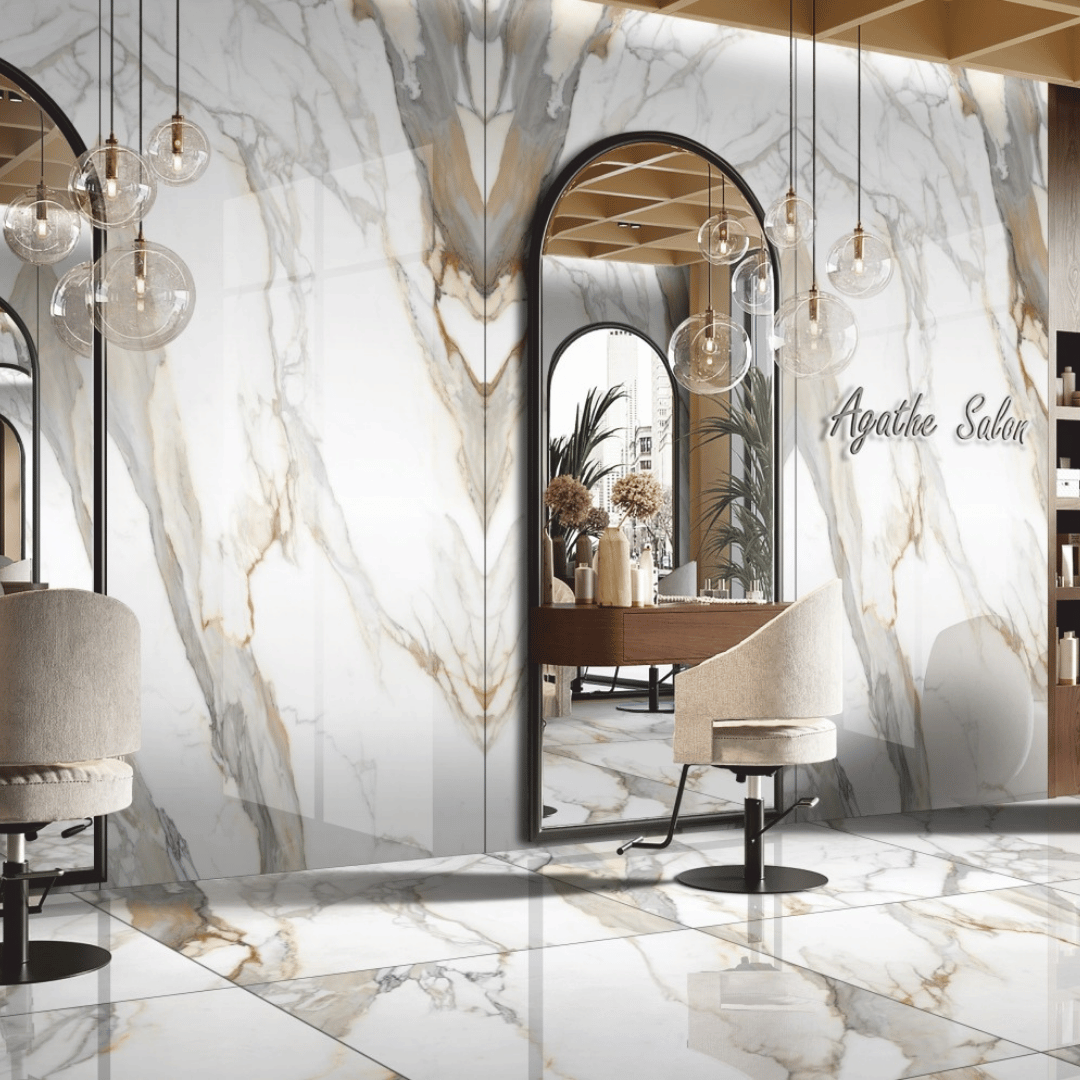
Moreover, the scale of the slab itself impacts your design choices. Larger slabs can create a seamless look that enhances the sense of space, especially in open floor plans. According to the National Kitchen & Bath Association, 70% of homeowners prefer large format surfaces for their ability to reduce seams and create a more unified appearance.
Comparative Table: Benefits of Full Slabs vs. Samples
| Feature | Full Slabs | Samples |
|---|---|---|
| Visual Impact | Full representation of patterns and colors | Limited view, often misleading |
| Scale | True-to-size experience | Small, not representative of actual size |
| Tactile Experience | Ability to feel texture and finish | Limited tactile feedback |
| Contextual Understanding | See how it fits in your space | Isolation from other design elements |
| Variability | Better understanding of natural variations | Cannot capture full variability |
Variability in Natural Stone
Natural stone, such as granite and quartzite, is inherently variable. Each slab is unique, with its own set of minerals, veining, and color variations. When selecting natural stone, it is crucial to appreciate these differences, as they can significantly affect the final look of your project. Samples often fail to capture this variability, leading to potential mismatches in expectations versus reality.
By visiting a slab warehouse like Builder Stone Global, you can see the full range of colors and patterns available. This firsthand experience allows you to select the specific slab that resonates with your design vision. Additionally, understanding the natural variations in stone can help you embrace these characteristics rather than view them as flaws.
Understanding Color and Texture
Color and texture play pivotal roles in the overall aesthetic of your surfaces. When viewing full slabs, you can see how colors interact with each other in different lighting conditions. What looks vibrant under showroom lights may appear muted in natural daylight. For example, a deep blue quartz may seem more intense in artificial light but could wash out in sunlight. Understanding this can save you from costly mistakes down the road.
Texture is another critical aspect that is often lost in small samples. A polished finish may look striking in a sample but could reflect too much light in a larger application, making the surface less functional. Conversely, a matte finish may appear dull in a sample but can provide a luxurious feel in a full slab context. Seeing the slab in person allows you to appreciate these nuances and make more informed decisions.
Making Informed Design Decisions
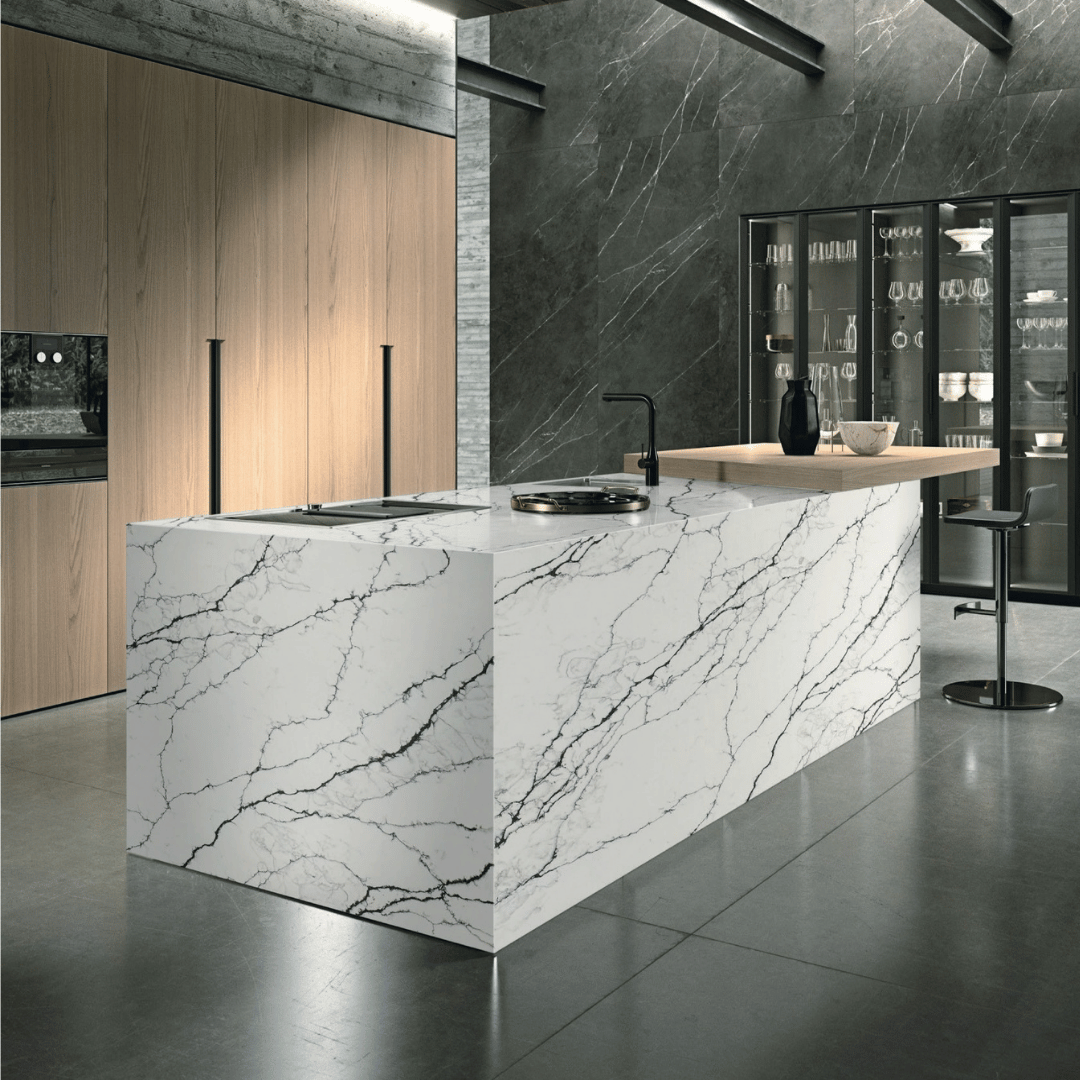
Choosing a slab is more than just picking a color; it involves understanding how that choice will impact your entire design. When you view full slabs, you can better visualize the overall effect and harmony of your design elements. This is particularly relevant for kitchen countertops and bathroom vanities, where surface material plays a central role in functionality and aesthetics.
For example, when selecting quartz for a kitchen countertop, consider how it will complement your cabinetry, backsplash, and flooring. A full slab allows you to see how these elements work together. Additionally, you can assess the practicality of the material in terms of maintenance and durability. High-performance surfaces like those offered by Builder Stone Global are designed to withstand the rigors of everyday use while maintaining their beauty.
Expert Tips for Choosing Slabs
To maximize your experience when selecting slabs, consider the following expert tips:
- **Take your time**: Don’t rush the decision. Spend time exploring different slabs and how they fit into your overall design.
- **Ask questions**: Engage with the staff at your local slab warehouse. They can provide valuable insights into the materials and their applications.
- **Consider your lifestyle**: Choose materials that fit your everyday needs. For instance, if you have children or pets, opt for surfaces that are easy to maintain.
- **Visualize your space**: Use design software or apps to visualize how different slabs will look in your space. This can help you make a more informed decision.
Conclusion
In conclusion, while samples and photos offer a starting point for selecting architectural surfaces, they cannot replace the experience of seeing full slabs in person. The nuances of scale, variability in natural stone, and the interplay of color and texture are best understood through firsthand observation. By visiting a local showroom like Builder Stone Global, you can make more informed design decisions that align with your vision and lifestyle. For those looking to elevate their spaces with premium quartz, porcelain, and natural stone slabs, the journey begins with a visit to the showroom. Call +1 470-551-2092 to speak with our surface specialists today!
FAQs
1. Why is it important to see full slabs in person?
Seeing full slabs allows you to appreciate the scale, color, and texture that cannot be captured in samples or photos.
2. How do lighting conditions affect the appearance of stone slabs?
Different lighting can dramatically change the perception of color and texture, making it essential to see slabs in various light conditions.
3. What are the benefits of large format slabs?
Large format slabs reduce seams, create a more seamless look, and can enhance the sense of space in your design.
4. How can I ensure my chosen slab fits my design vision?
Bringing samples of your cabinetry and flooring to the showroom allows for better visualization of how everything harmonizes.
5. What materials should I consider for high-traffic areas?
High-performance surfaces such as quartz and porcelain are ideal for high-traffic areas due to their durability and ease of maintenance.
6. Can I negotiate prices at a stone slab warehouse?
It’s often possible to negotiate prices, especially when purchasing multiple slabs or working with designers and contractors.
7. What is the difference between polished and matte finishes?
Polished finishes reflect more light and can appear more vibrant, while matte finishes offer a more subtle and sophisticated look.
8. How do I maintain my stone surfaces?
Regular cleaning with appropriate stone cleaners and periodic sealing will help maintain the beauty and durability of your surfaces.