
Expert Guide: Comparing Slab Lots for Consistent Color in Large Projects
Expert Guide: Comparing Slab Lots for Consistent Color in Large Projects
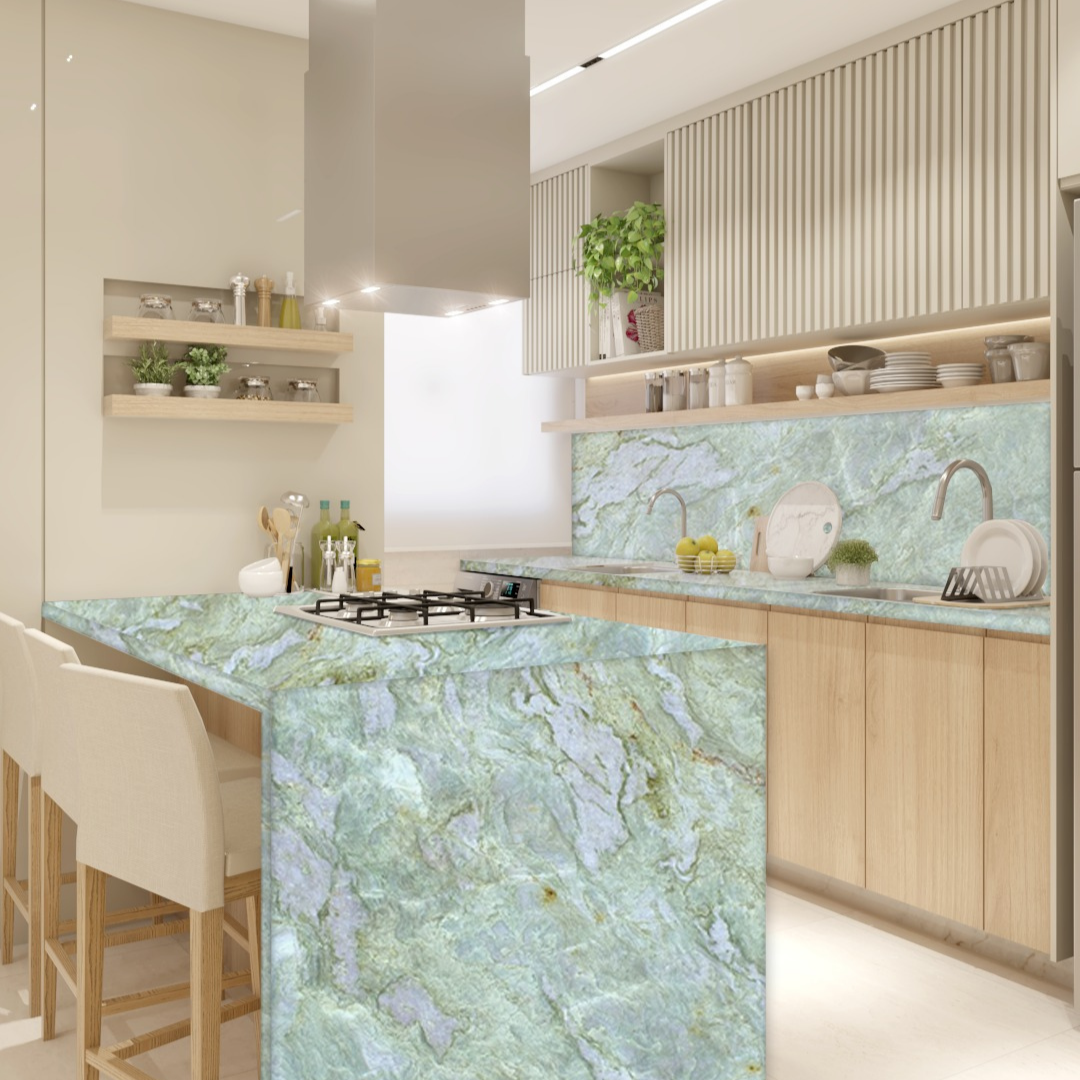
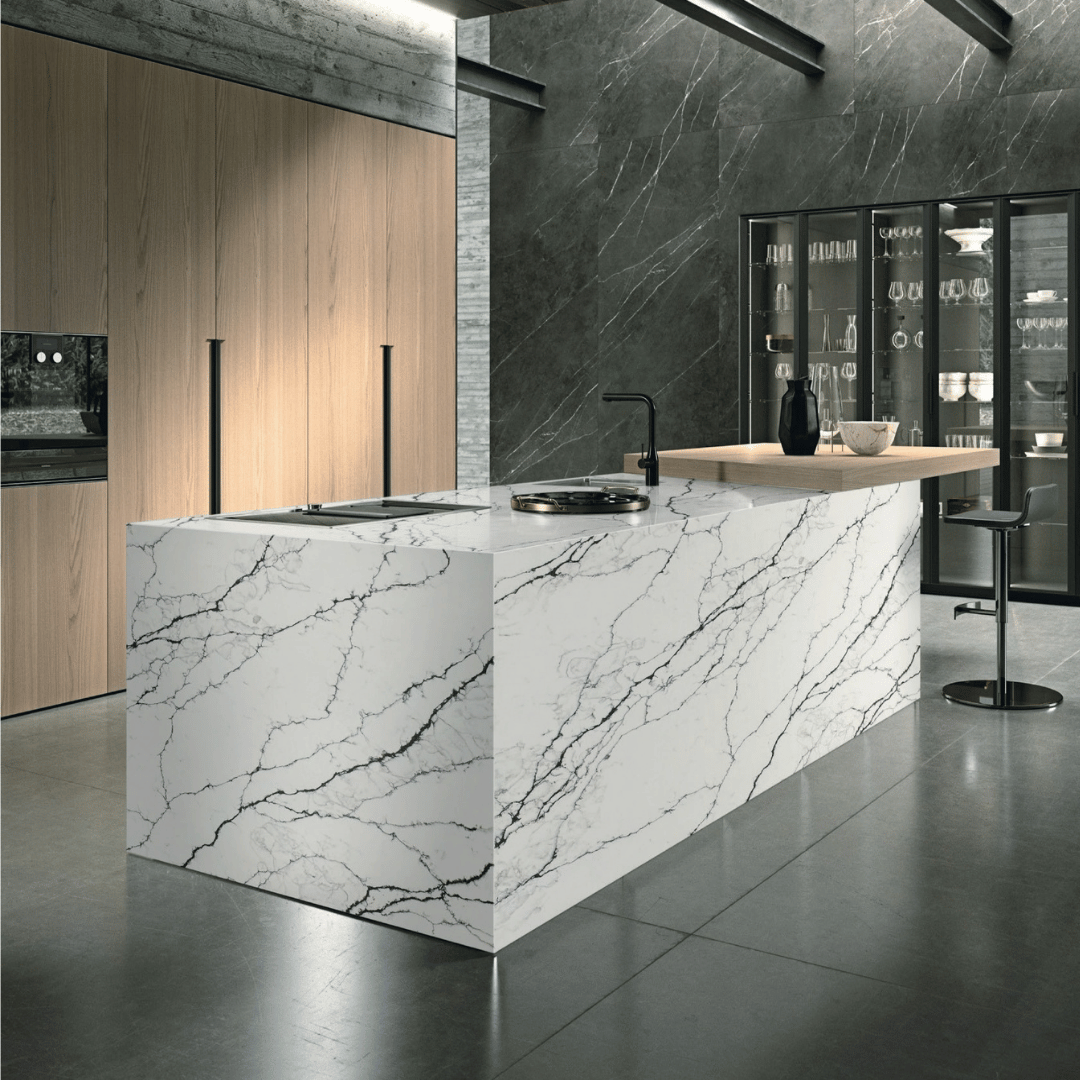
When embarking on large architectural projects, ensuring consistency across slab lots is vital for achieving a cohesive and aesthetically pleasing design. This guide will detail how to compare slab lots from the same color, focusing on quartz, porcelain, and natural stone slabs. Builder Stone Global, a leading quartz slab distributor in Norcross, GA, is committed to providing architectural professionals with the insights needed to make informed decisions. By the end of this article, you will understand the importance of color consistency, how to evaluate different slab lots, and practical steps to ensure a uniform appearance across your project.
Understanding Color Consistency in Slab Lots
Color consistency in slab lots refers to the uniformity in appearance across different slabs of the same material, particularly when sourced from different production runs. Variations can occur due to several factors, including the raw materials used, manufacturing processes, and environmental conditions during production. For architects and designers, achieving a consistent look is crucial for the overall impact of the project.
Factors Affecting Color Consistency
- Raw Material Variations: The source of the stone can lead to subtle differences in color and pattern.
- Production Techniques: Different manufacturers may use varying techniques that affect the final appearance.
- Environmental Conditions: Temperature and humidity during production can influence color outcomes.
- Lighting Conditions: The appearance of slabs can change under different lighting, affecting perceived color consistency.
The Importance of Matching Slab Lots
In large projects, the visual impact of color inconsistency can be detrimental. It can break the flow of design, leading to a disjointed look. Here are some key reasons why matching slab lots is essential:
1. Aesthetic Appeal
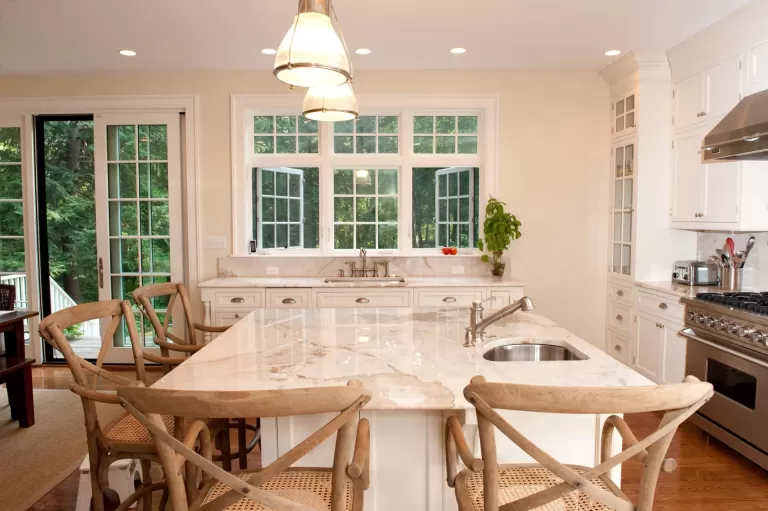
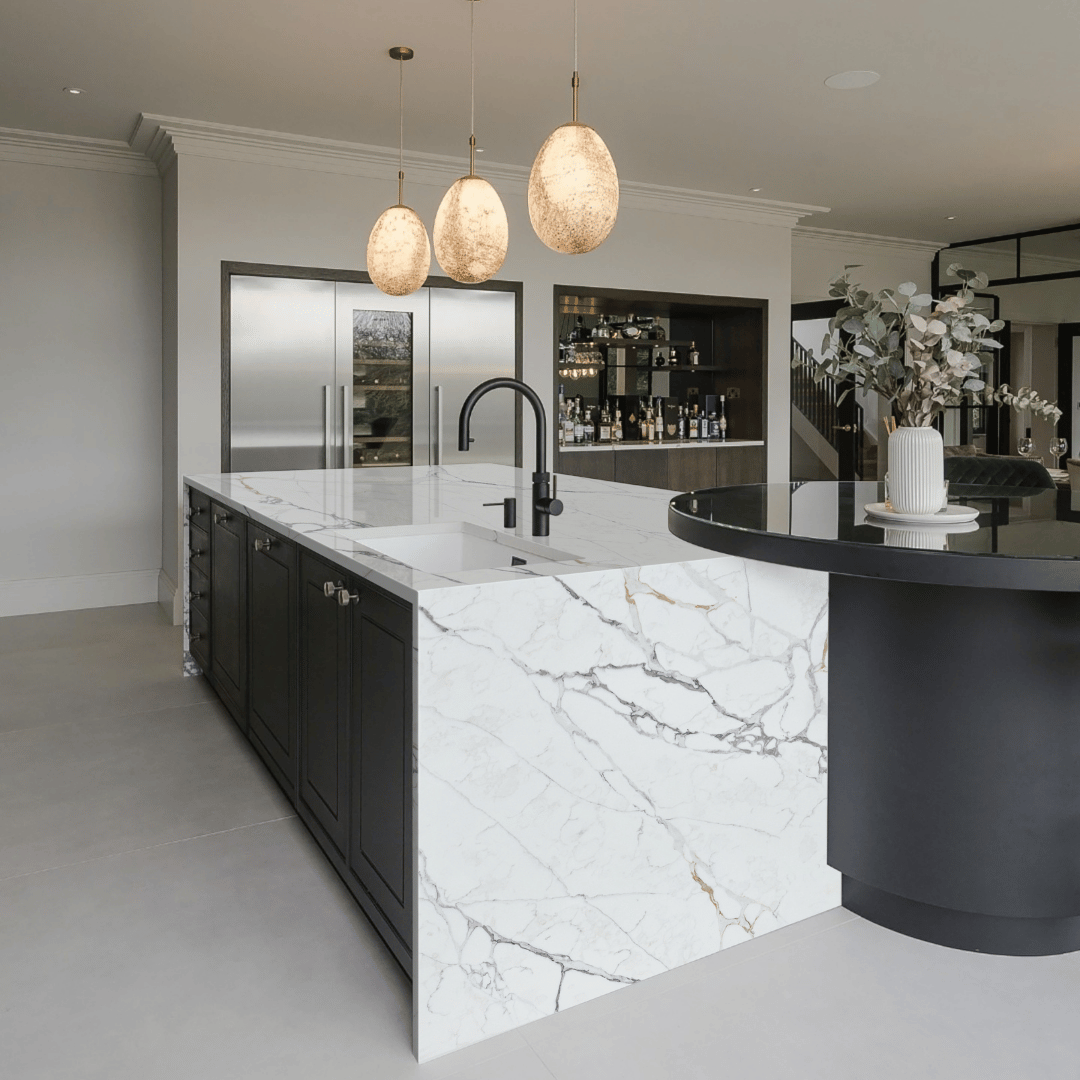
Uniformity in color enhances the beauty of architectural surfaces, making spaces feel cohesive and thoughtfully designed. This is particularly important in high-visibility areas such as kitchens, bathrooms, and commercial spaces.
2. Value Enhancement
Consistent color can elevate the perceived value of a property. Buyers and clients are often drawn to properties that showcase high-quality finishes and meticulous attention to detail.
3. Project Efficiency
By ensuring that slab lots match, you can reduce the need for rework and adjustments during installation, saving time and resources.
How to Compare Slab Lots Effectively
To achieve consistency across large projects, comparing slab lots requires a systematic approach. Here are actionable steps to guide you through the process:
Step 1: Gather Samples
Begin by collecting samples from each slab lot you intend to compare. Ensure that you obtain samples that represent the full range of slabs available in each lot.
Step 2: Evaluate Under Controlled Lighting
Assess the slabs under consistent lighting conditions. Natural daylight is ideal, as it provides the most accurate representation of color. Avoid fluorescent or incandescent lighting, as these can distort colors.
Step 3: Use a Color Matching Tool
Consider utilizing color matching tools or apps that can help analyze the color variations between slabs. These tools can provide objective data to support your visual assessments.
Step 4: Document Observations
Record your findings meticulously. Note any differences in color, pattern, and texture. Use this documentation for future reference and for discussions with suppliers.
Step 5: Consult with Experts
Step 6: Test in Application
If possible, install a small section of each slab lot in the intended environment. This allows for a real-world assessment of how the colors interact with surrounding materials and lighting.
Tips for Ensuring Consistency Across Projects
To maintain consistency across multiple projects, consider implementing the following strategies:
1. Establish a Color Palette
Define a color palette at the outset of your project. This will serve as a reference point when selecting slabs, helping to ensure that all materials align with the desired aesthetic.
2. Order in Bulk
When possible, order slabs from the same lot in bulk. This minimizes the risk of color discrepancies that arise from different production runs.
3. Regularly Review Inventory
Keep track of your slab inventory and regularly review it for consistency. This is particularly important for long-term projects where slabs may be sourced over an extended period.
4. Create a Slab Lot Comparison Chart
Utilize a comparison table to visually assess differences between slab lots. Here’s an example:
| Slab Lot | Color Code | Variation (%) | Texture | Notes |
|---|---|---|---|---|
| Lot A | #B3C7D6 | 5% | Matte | Consistent with initial samples |
| Lot B | #B3C7D6 | 10% | Polished | Subtle veining present |
| Lot C | #A9C2D4 | 15% | Matte | Color slightly lighter |
Real-World Applications and Case Studies
To illustrate the importance of comparing slab lots, let’s explore a few case studies where color consistency played a pivotal role:
Case Study 1: High-End Residential Project
A luxury residential project in Atlanta utilized quartz slabs for its kitchen and bathroom surfaces. The architect worked closely with Builder Stone Global to ensure that all slabs came from the same production batch. This attention to detail resulted in a seamless installation that impressed both the homeowner and prospective buyers.
Case Study 2: Commercial Retail Space
In a commercial retail space, the use of porcelain slabs for flooring required careful selection to maintain brand consistency. By implementing a systematic approach to compare slab lots, the contractor was able to avoid mismatched colors that could detract from the store’s aesthetic.
FAQs: Common Questions About Slab Lot Comparisons
What is the best way to compare slab lots for color consistency?
The best way is to gather samples, evaluate them under natural light, and document your observations.
How can I ensure that my slabs match across multiple projects?
Order slabs from the same lot in bulk and establish a color palette for reference.
What factors affect slab color consistency?
Raw materials, production techniques, environmental conditions, and lighting can all affect consistency.
Is it necessary to test slabs in application?
Yes, testing in the intended environment can provide valuable insights into how colors interact.
Can I use color matching apps for slab comparison?
Yes, color matching tools can assist in objectively assessing color differences between slabs.
What should I do if I find inconsistencies between slabs?
Consult with your supplier to explore options for replacement or additional matching slabs.
How does lighting affect slab appearance?
Different types of lighting can change the perception of color, making it important to evaluate slabs under consistent lighting conditions.
Where can I find premium slabs for my projects?
Visit the live inventory page of Builder Stone Global to explore premium options available for your projects.
Conclusion
In conclusion, comparing slab lots for color consistency is a critical step in ensuring a successful architectural project. By following the outlined steps and implementing best practices, you can achieve a cohesive look that enhances the beauty and value of your designs. For assistance in selecting premium quality slabs, contact Builder Stone Global at +1 470-551-2092 or visit our Norcross showroom today.