
The Ultimate Guide to Slab Remnant Purchasing for Smaller Projects
The Complete Guide to Slab Remnant Purchasing for Smaller Projects and Accent Pieces
When embarking on a smaller project or seeking to add unique accent pieces to your home or commercial space, the idea of purchasing slab remnants can be both exciting and daunting. Slab remnants, which are leftover pieces of stone from larger projects, offer an incredible opportunity to access premium materials at a fraction of the cost. In this comprehensive guide, we will explore everything you need to know about slab remnant purchasing, from understanding the benefits to finding the right suppliers, and finally, how to choose the perfect stone for your needs. By the end of this article, you will be equipped with the knowledge and confidence to make informed decisions on your next project.
1. What Are Slab Remnants?
Slab remnants are leftover pieces of stone that remain after larger slabs have been cut for major projects like countertops, flooring, or wall cladding. These remnants can vary in size, color, and material, offering a diverse range of options for smaller projects. They are often sold at discounted rates, making them a cost-effective choice for homeowners, designers, and contractors looking to create unique designs without breaking the bank.
2. Benefits of Using Slab Remnants
There are several benefits to using slab remnants, especially for smaller projects or accent pieces:
- Cost-Effective: Slab remnants are typically sold at a lower price point than full slabs, allowing you to maximize your budget.
- Unique Designs: With a variety of colors and patterns available, remnants can help you create one-of-a-kind pieces that stand out.
- Eco-Friendly: Utilizing slab remnants reduces waste in the industry, promoting sustainability and responsible sourcing.
- Quick Turnaround: Since remnants are often readily available, you can complete your project faster than waiting for new slabs to be fabricated.
3. How to Find Quality Slab Remnants
Finding quality slab remnants involves a few key steps:
- Research Local Suppliers: Start by identifying local stone distributors and fabricators. For those in the Norcross, GA area, Builder Stone Global offers an extensive inventory of quartz, porcelain, and natural stone slabs, including remnants.
- Visit Showrooms: Nothing beats seeing the stone in person. Schedule a visit to your local suppliers to view their available remnants.
- Ask About Inventory: Inquire about the types of remnants available, including size and color options. Some suppliers may also have a live inventory feature, allowing you to check availability online, such as Builder Stone Global’s live inventory.
4. Tips for Choosing the Right Slab Remnants
When selecting slab remnants, consider the following tips:
- Assess the Size: Measure the area you plan to cover and ensure the remnant piece is large enough for your project.
- Check for Quality: Inspect the remnant for any cracks, chips, or discoloration. High-quality remnants should be free from defects.
- Consider Color and Pattern: Think about how the remnant will fit into your existing decor. Choose colors and patterns that complement your style.
- Understand the Material: Different materials have varying properties. For example, granite is known for its durability, while quartz offers a wider range of colors and patterns.
5. Common Uses for Slab Remnants
Slab remnants can be utilized in numerous ways, including:
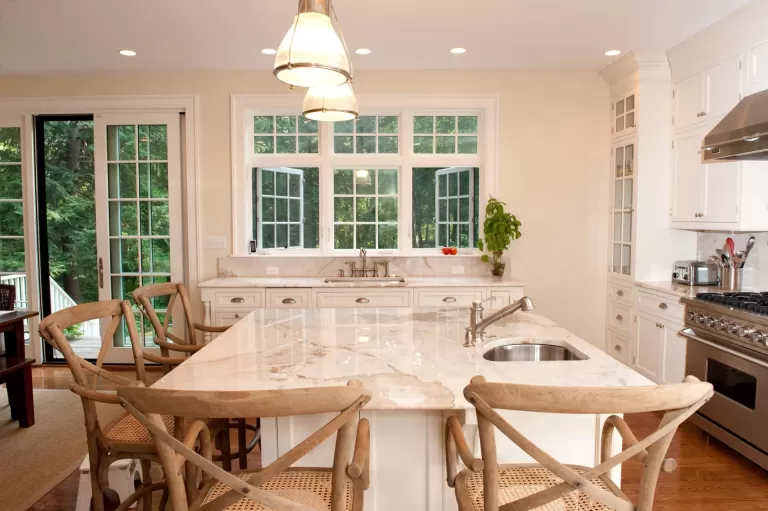
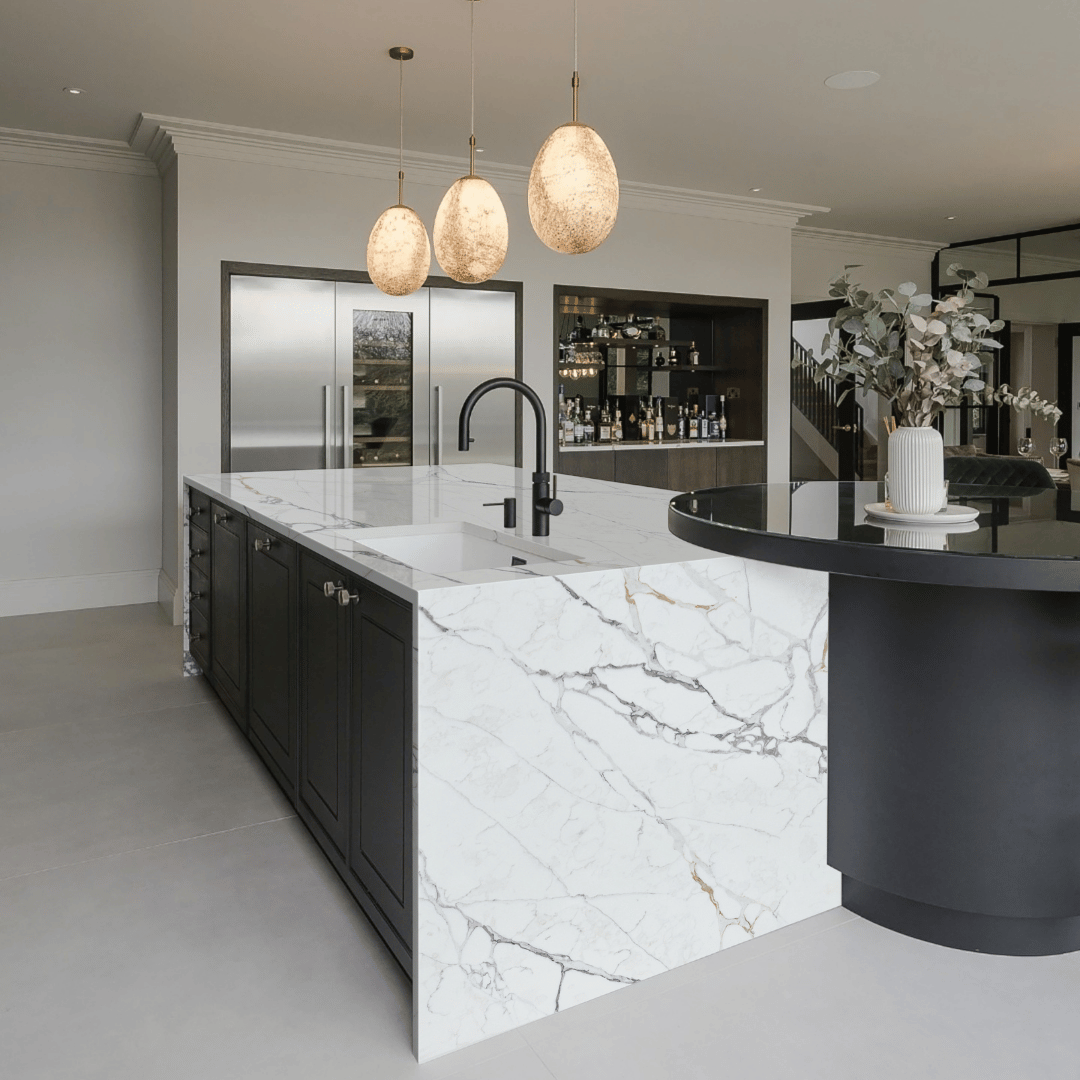
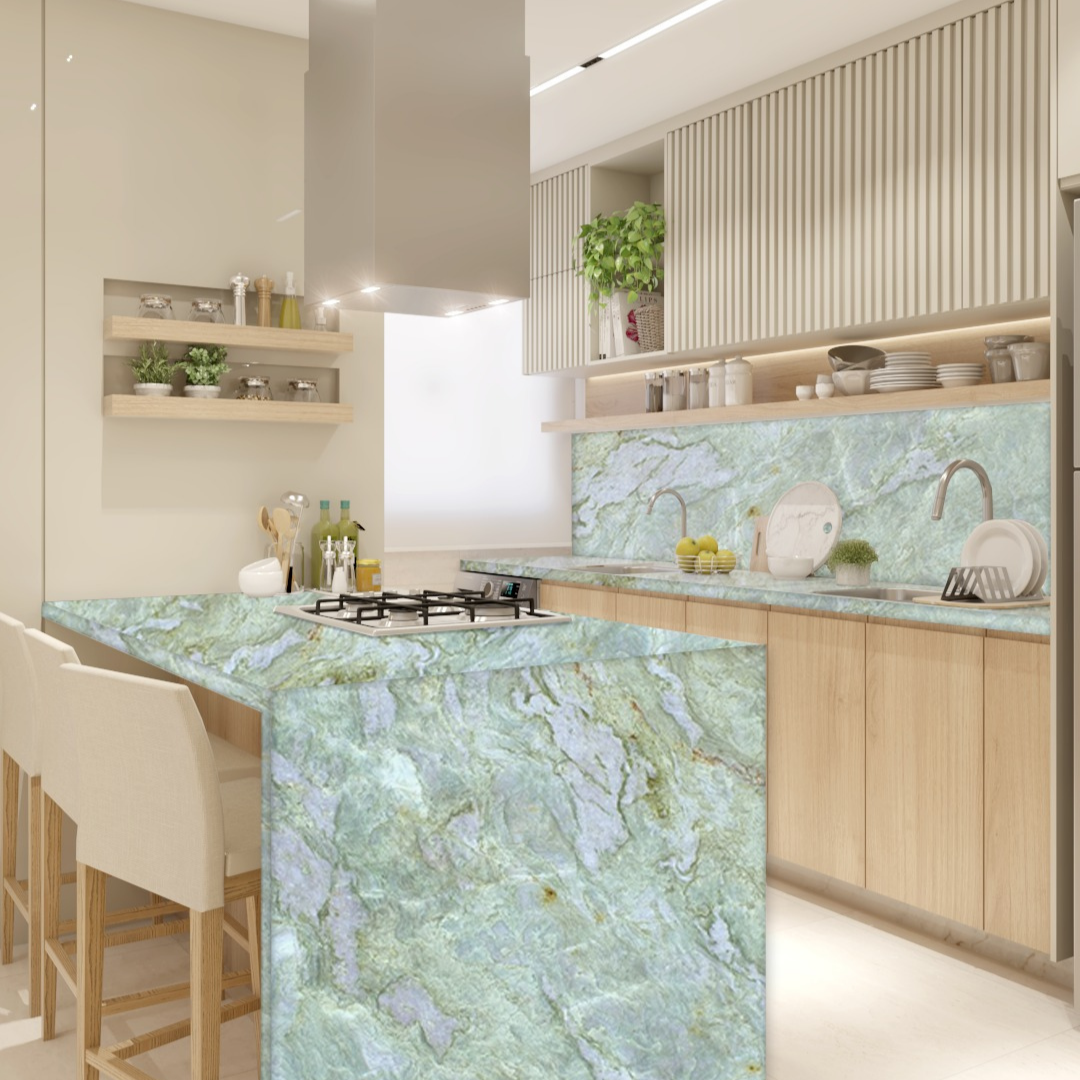
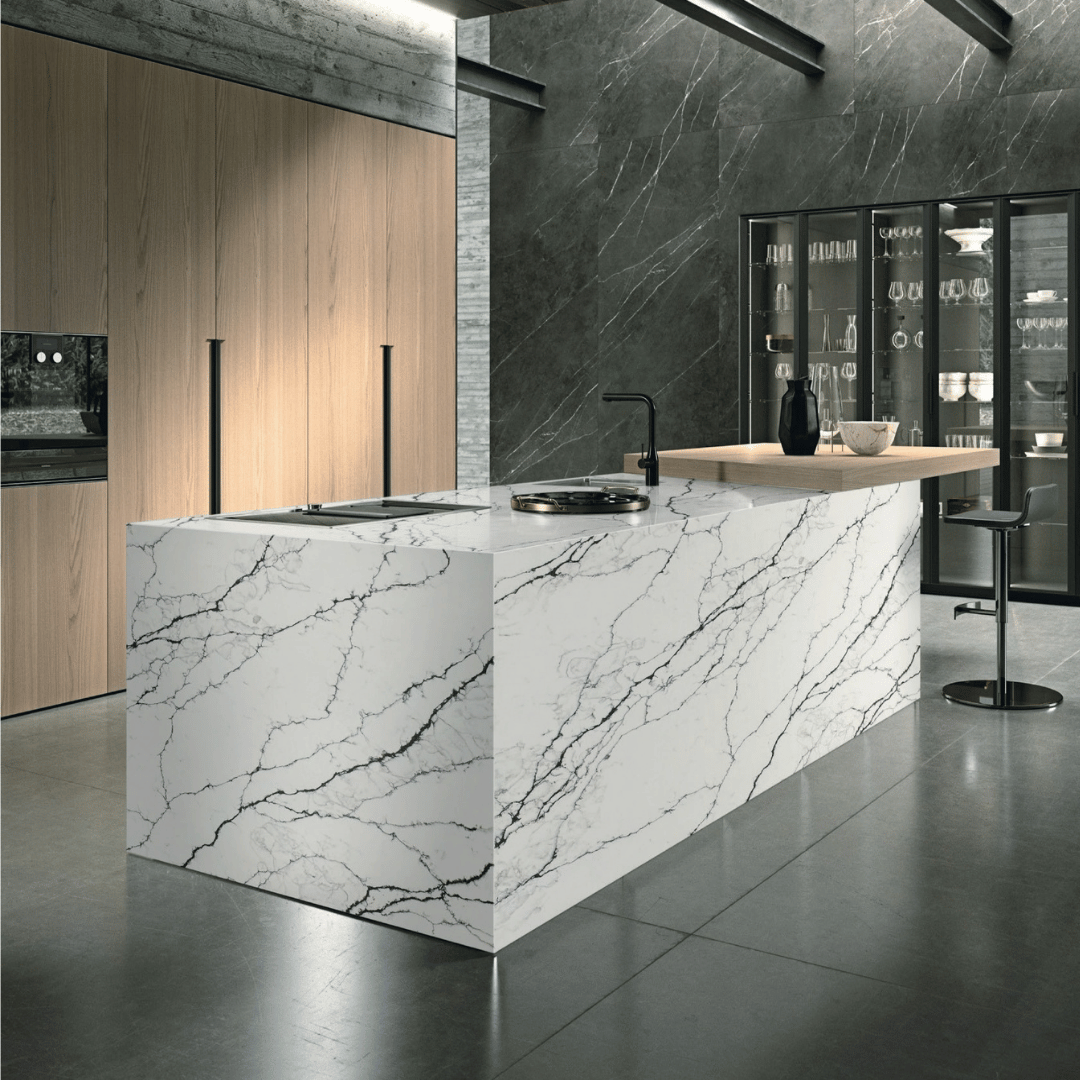
- Countertops: Create stunning kitchen islands or bathroom vanities.
- Accent Walls: Use remnants to add a visual focal point in living areas or offices.
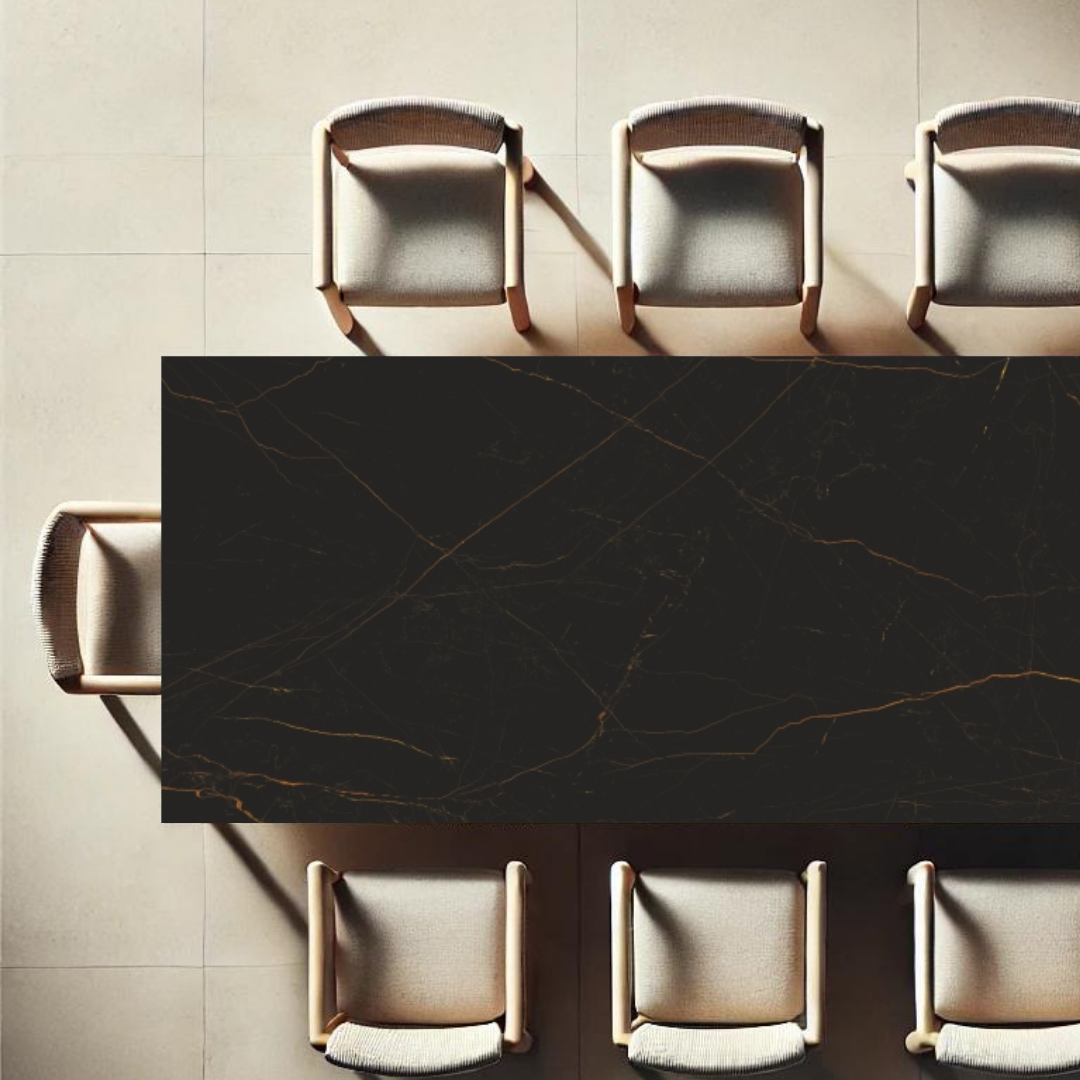
- Tabletops: Craft unique dining or coffee tables that showcase the beauty of natural stone.
- Backsplashes: Enhance your kitchen or bathroom with elegant stone backsplashes.
6. Cost Considerations and Budgeting
When budgeting for slab remnants, consider the following factors:
- Material Type: The price of slab remnants can vary significantly based on the type of stone. For instance, quartz may be less expensive than granite.
- Size of the Remnant: Larger remnants will generally cost more, so it’s essential to find a piece that fits your project needs without overspending.
- Fabrication Costs: While the remnant itself may be inexpensive, factor in any costs for cutting or finishing work required to make it suitable for your project.
Comparison Table: Typical Costs of Stone Materials
| Material | Cost per Square Foot | Durability | Maintenance |
|---|---|---|---|
| Granite | $40 – $100 | High | Seal every 1-2 years |
| Quartz | $50 – $120 | High | Minimal maintenance |
| Marble | $50 – $150 | Medium | Seal every 6-12 months |
| Porcelain | $30 – $80 | High | Minimal maintenance |
7. Maintenance and Care for Your Slab Remnants
To ensure your slab remnants remain beautiful and functional, follow these maintenance tips:
- Regular Cleaning: Use a pH-balanced cleaner to wipe down surfaces regularly. Avoid harsh chemicals that can damage the stone.
- Sealing: Depending on the material, sealing may be necessary to protect against stains and moisture. For example, granite should be sealed every 1-2 years.
- Repairing Chips: If chips or scratches occur, consult a professional for repairs to maintain the integrity of the stone.
8. Frequently Asked Questions
What are the best uses for slab remnants?
Slab remnants are ideal for creating custom countertops, accent walls, tabletops, and backsplashes. They provide a cost-effective way to add luxury to smaller projects.
How do I know if a slab remnant is high quality?
Inspect the remnant for any visible defects such as cracks or discoloration. High-quality remnants should have a consistent finish and be free from major flaws.
Can I negotiate the price of slab remnants?
Many suppliers are open to negotiation, especially for remnants. It’s worth asking if a lower price is possible.
Are slab remnants environmentally friendly?
Yes, using slab remnants helps reduce waste in the stone industry, making it a more sustainable choice compared to new slabs.
How do I measure for a slab remnant?
Measure the area where you plan to install the remnant, accounting for any cuts or adjustments needed for installation.
Can I mix different types of stone in my project?
Yes, mixing different stone types can create a unique look, but ensure they complement each other in color and style.
What should I consider when choosing a color for my slab remnant?
Consider the overall color scheme of your space and choose a remnant that enhances or contrasts effectively with your existing decor.
Where can I find slab remnants in Norcross, GA?
For high-quality slab remnants, visit Builder Stone Global, which offers a wide selection of quartz, porcelain, and natural stone remnants.
Conclusion
Purchasing slab remnants can be a fantastic way to enhance your space with premium materials at a lower cost. By understanding what slab remnants are, their benefits, and how to choose the right pieces for your projects, you can create stunning designs that reflect your personal style. For more information or to explore our extensive inventory of slab remnants, contact Builder Stone Global today or check our live inventory online. Your dream project awaits!