
Understanding Material Pros and Cons: Preventing Client Dissatisfaction After Installation
Understanding Material Pros and Cons: Preventing Client Dissatisfaction After Installation
Choosing the right materials for architectural surfaces is a critical step that can significantly influence the satisfaction of your clients post-installation. Whether you’re a countertop fabricator, interior designer, or architect, understanding the pros and cons of materials such as quartz, porcelain, and natural stone can prevent misunderstandings and ensure a seamless experience for everyone involved. In this article, we will delve deep into why understanding material characteristics is essential, how it impacts client expectations, and actionable steps to enhance your decision-making process.
The Importance of Material Knowledge
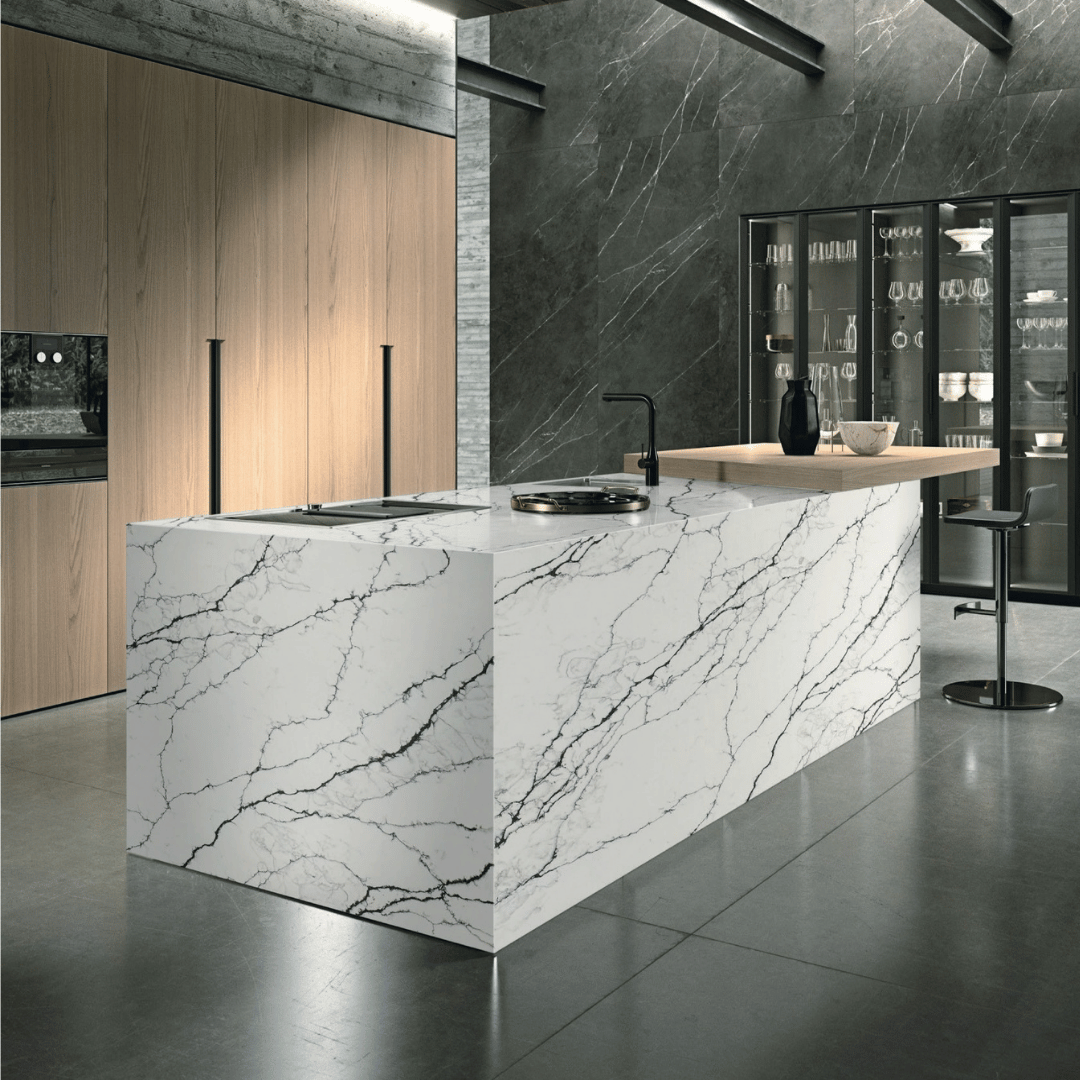
Understanding the pros and cons of different materials is not just a technical necessity; it’s a cornerstone of client satisfaction. A well-informed decision can prevent dissatisfaction stemming from unrealistic expectations. For example, quartz slabs are often praised for their durability and low maintenance, but clients may not realize that they can be susceptible to heat damage if not used correctly. By educating clients about the inherent qualities of the materials you offer, you set the stage for a positive experience.
Statistics show that over 30% of client complaints in the home renovation industry stem from misaligned expectations regarding material performance and durability. Therefore, as a premium quartz and natural stone distributor, it’s essential to foster transparency and trust by providing comprehensive material knowledge.
Common Materials: Pros and Cons
When it comes to architectural surfaces, several materials dominate the market, each with its unique attributes and potential drawbacks. Below, we explore the most commonly used materials in countertop fabrication and architectural surfaces, providing an overview of their pros and cons.
Quartz
Pros:
- Durability: Quartz is engineered to be non-porous and highly resistant to stains and scratches.
- Low Maintenance: Requires minimal upkeep compared to natural stones.
- Variety: Available in a wide range of colors and patterns, allowing for customization.
Cons:
- Heat Sensitivity: Can be damaged by excessive heat, making it essential to use trivets and hot pads.
- Cost: Higher initial investment compared to some other materials.
Porcelain
Pros:
- Heat and Scratch Resistance: Extremely durable, making it ideal for high-traffic areas.
- Design Flexibility: Available in large-format options, allowing for fewer seams and a more seamless look.
Cons:
- Weight: Heavier than other materials, requiring sturdy cabinetry for support.
- Cost of Installation: May require specialized installation techniques, increasing labor costs.
Natural Stone (Granite, Quartzite)
Pros:
- Timeless Aesthetic: Offers a unique, natural beauty that can enhance any design.
- Longevity: With proper care, natural stone can last a lifetime.
Cons:
- Maintenance: Requires regular sealing to prevent staining and damage.
- Cost: Often more expensive than engineered options.
| Material | Pros | Cons |
|---|---|---|
| Quartz | Durable, low maintenance, variety of colors | Heat sensitivity, higher cost |
| Porcelain | Heat/scratch resistant, design flexibility | Heavy, higher installation costs |
| Natural Stone | Timeless aesthetic, longevity | Maintenance required, higher cost |
Aligning Client Expectations with Material Capabilities
One of the most significant challenges in the architectural surface industry is managing client expectations. Clients often come to you with a vision that may not align with the capabilities of the materials available. This misalignment can lead to dissatisfaction after installation.
Educating Clients
Education is key. When clients visit your showroom or consult with you, take the time to explain the characteristics of each material. Discuss how their choices will affect the overall look, feel, and functionality of their spaces. This approach not only builds trust but also empowers clients to make informed decisions.
Setting Realistic Timelines
Another aspect to consider is the timeline for installation. Different materials may have varying lead times, especially if custom orders are involved. Ensure your clients are aware of these timelines upfront to avoid frustration later on. For example, high-performance large format porcelain slabs may require specialized fabrication techniques, which can extend the timeline.
How to Choose the Right Material for Your Project
Choosing the right material involves a systematic approach that takes into account both the practical and aesthetic considerations. Here are some actionable steps to guide your decision-making process:
- Assess the Usage: Determine the primary function of the surface. Will it be a kitchen countertop, bathroom vanity, or a decorative wall? Each application has different requirements.
- Consider Aesthetics: Discuss the desired look with your client. Use visual aids to show how different materials can fit into their vision.
- Evaluate Performance: Discuss the pros and cons of each material in relation to the intended use. For example, if a client is concerned about staining, highlight low-maintenance quartz options.
- Budget Considerations: Be upfront about costs. Use your live inventory to show clients various options within their budget.
- Installation Requirements: Discuss the installation process and any additional costs associated with specialized materials.
Effective Communication with Clients
Clear communication is vital in the architectural surface industry. Misunderstandings can lead to dissatisfaction and damage your reputation. Here are some strategies to enhance communication:
Regular Updates
Keep clients informed about the progress of their orders and installations. Regular updates can alleviate concerns and build trust.
Visual Aids
Use samples, swatches, and digital renderings to help clients visualize their choices. This is especially effective when discussing options like bathroom vanities and countertops.
Feedback Mechanism
Encourage clients to provide feedback throughout the process. This not only helps you improve your service but also makes clients feel valued.
Maintenance and Care Considerations
Once the installation is complete, the relationship with your client continues. Providing information on how to care for their new surfaces is crucial in preventing dissatisfaction.
Material-Specific Care Instructions
Educate clients on how to maintain their surfaces based on the material chosen. For example:
- Quartz: Wipe with a damp cloth and avoid harsh chemicals.
- Porcelain: Clean with mild soap and water; avoid abrasive cleaners.
- Natural Stone: Regularly seal surfaces and use pH-balanced cleaners.
Conclusion
Understanding the pros and cons of various materials is essential for preventing client dissatisfaction after installation. By educating clients, aligning expectations, and fostering clear communication, you can enhance their experience and ensure they are thrilled with their choices. At Builder Stone Global, our commitment to providing premium quality materials and expert guidance sets us apart as a trusted partner in your architectural projects. Call +1 470-551-2092 to speak with our surface specialists today!
Frequently Asked Questions
What are the most common materials used for countertops?
The most common materials include quartz, granite, porcelain, and quartzite, each with unique properties.
How do I choose the right material for my project?
Consider the usage, aesthetics, performance, budget, and installation requirements when selecting materials.
What are the maintenance requirements for quartz countertops?
Quartz countertops require minimal maintenance; simply wipe them down with a damp cloth and avoid harsh chemicals.
Are porcelain slabs suitable for outdoor use?
Yes, porcelain slabs are excellent for outdoor use due to their durability and resistance to weather conditions.
How can I prevent heat damage to quartz surfaces?
Always use trivets or hot pads to protect quartz surfaces from hot pots and pans.
What should I do if my natural stone surface gets stained?
Address stains promptly with a suitable cleaner and consider resealing the surface if necessary.
Is it necessary to seal granite countertops?
Yes, granite countertops should be sealed regularly to maintain their appearance and prevent staining.
How can I ensure a smooth installation process?
Clear communication with your fabricator and understanding the installation requirements will help ensure a smooth process.