Porcelain vs. Natural Stone: Making Informed Choices for Exteriors and Wet Areas
Porcelain vs. Natural Stone: Making Informed Choices for Exteriors and Wet Areas
When it comes to selecting materials for exterior applications and wet areas, the debate between porcelain and natural stone is a critical one. Each material offers unique advantages and considerations, which can significantly affect the aesthetic, durability, and functionality of your project. This comprehensive guide will explore how comparisons between porcelain and natural stone inform material choices, focusing on their performance in outdoor and wet environments. By the end of this article, you will have a thorough understanding of both materials, enabling you to make informed decisions that align with your design goals and functional requirements.
1. Understanding Porcelain and Natural Stone
Porcelain is a high-performance ceramic material made from refined clay and other natural ingredients. It is fired at high temperatures, resulting in a dense, durable surface that is resistant to moisture and stains. This makes porcelain an ideal choice for various applications, including flooring, countertops, and wall coverings, especially in areas prone to water exposure.
Natural stone, on the other hand, refers to materials like granite, marble, limestone, and slate, which are quarried directly from the earth. Each type of natural stone has its unique characteristics, colors, and textures, providing a range of aesthetic options. While natural stone offers a timeless appeal, it may require more maintenance compared to porcelain.
2. Key Differences Between Porcelain and Natural Stone
| Feature | Porcelain | Natural Stone |
|---|---|---|
| Water Resistance | Highly resistant | Varies (generally less resistant) |
| Durability | Very durable | Durability varies by type |
| Maintenance | Low maintenance | Higher maintenance |
| Cost | Generally lower | Can be higher |
| Aesthetic Variety | Limited to colors and patterns | Wide variety of natural patterns |
Water Resistance
Porcelain is renowned for its water resistance due to its low porosity. This makes it an excellent choice for wet areas such as bathrooms, kitchens, and outdoor spaces. In contrast, natural stone can be porous, which may lead to water absorption and potential damage over time if not properly sealed.
Durability
Both materials offer durability, but porcelain is generally more resistant to scratches, stains, and fading. Natural stone, while durable, can be susceptible to chipping or cracking if not handled with care. For high-traffic areas or outdoor applications, porcelain may be the preferred choice.
Maintenance
Porcelain requires minimal maintenance, often needing only regular cleaning to maintain its appearance. Natural stone, however, requires periodic sealing and special cleaning solutions to prevent staining and damage.
3. Performance in Wet Areas
When selecting materials for wet areas, performance is paramount. Porcelain’s non-porous nature makes it inherently resistant to mold and mildew, making it ideal for showers, bathrooms, and pool surrounds. In contrast, natural stone may require additional treatment to enhance its water resistance.
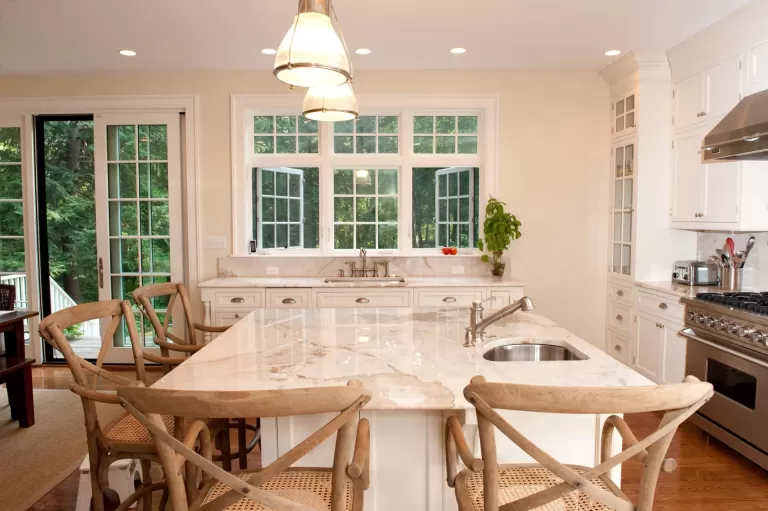
For example, granite is a popular choice for kitchen countertops due to its durability and aesthetic appeal. However, it must be sealed regularly to prevent water damage. Meanwhile, porcelain tiles can be used in shower installations without the need for sealing, providing a hassle-free option for homeowners.
4. Aesthetic Considerations
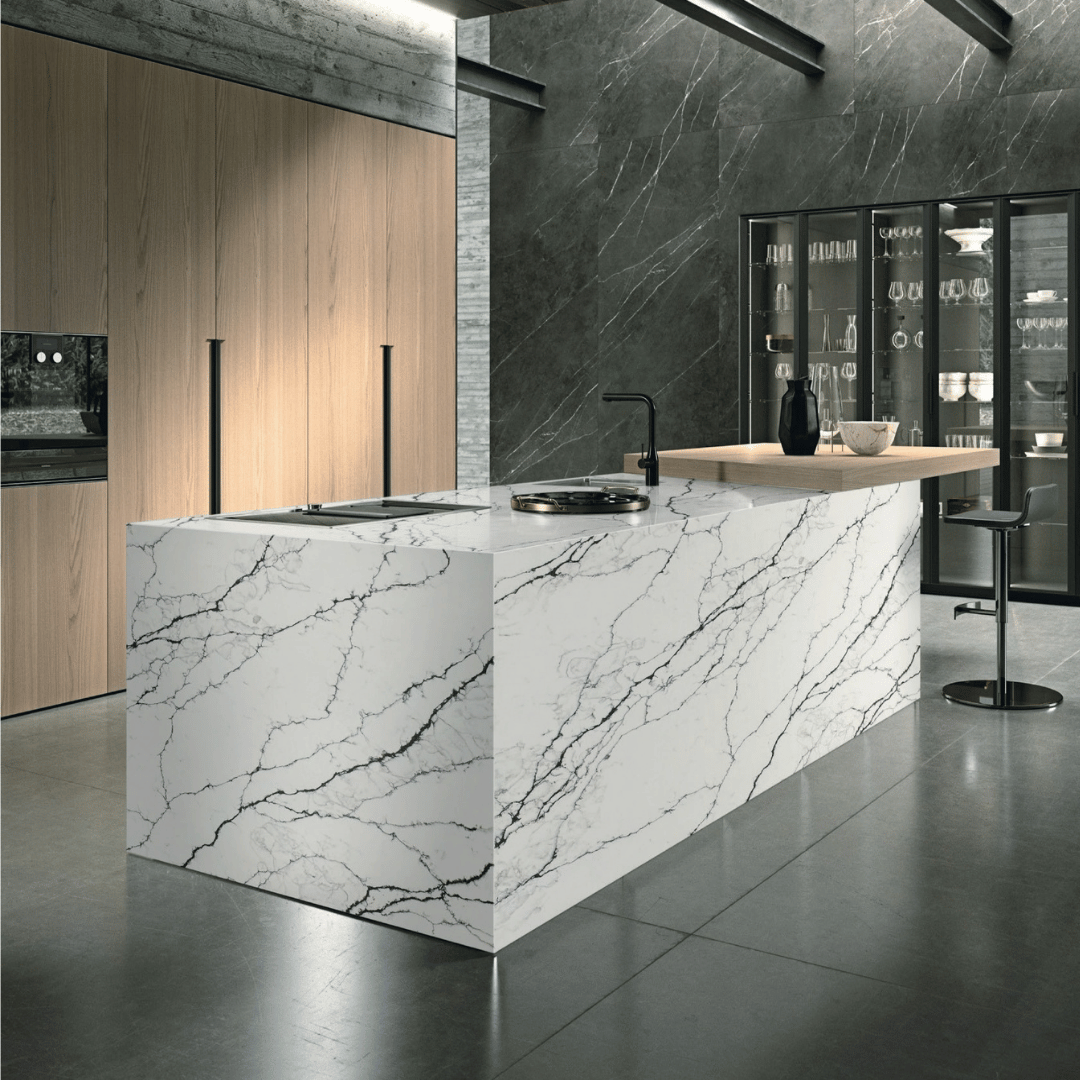
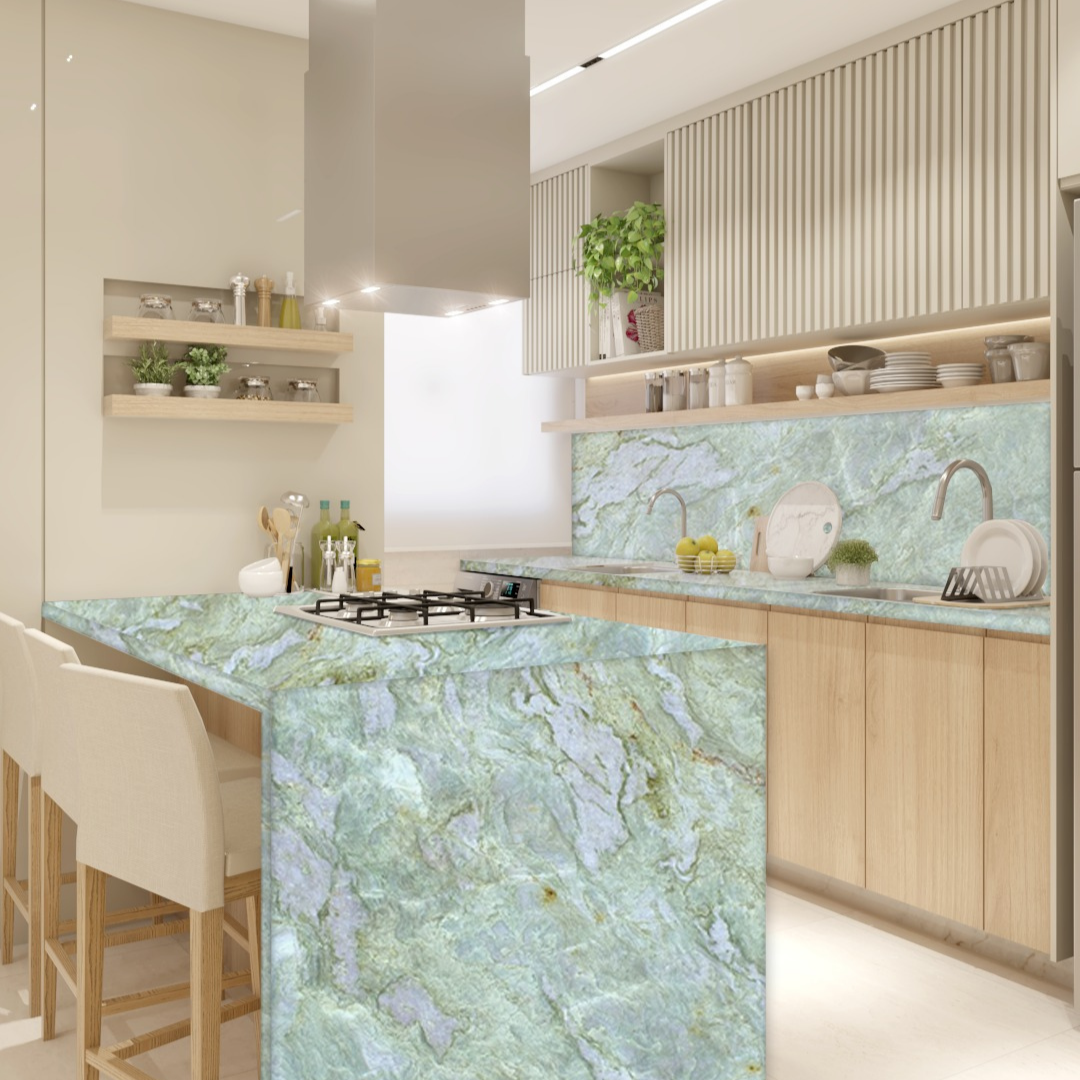
Aesthetics play a crucial role in material selection. Natural stone offers a unique beauty with its varied colors, textures, and patterns, making each piece one-of-a-kind. This natural variation can create a stunning visual impact in both indoor and outdoor spaces.
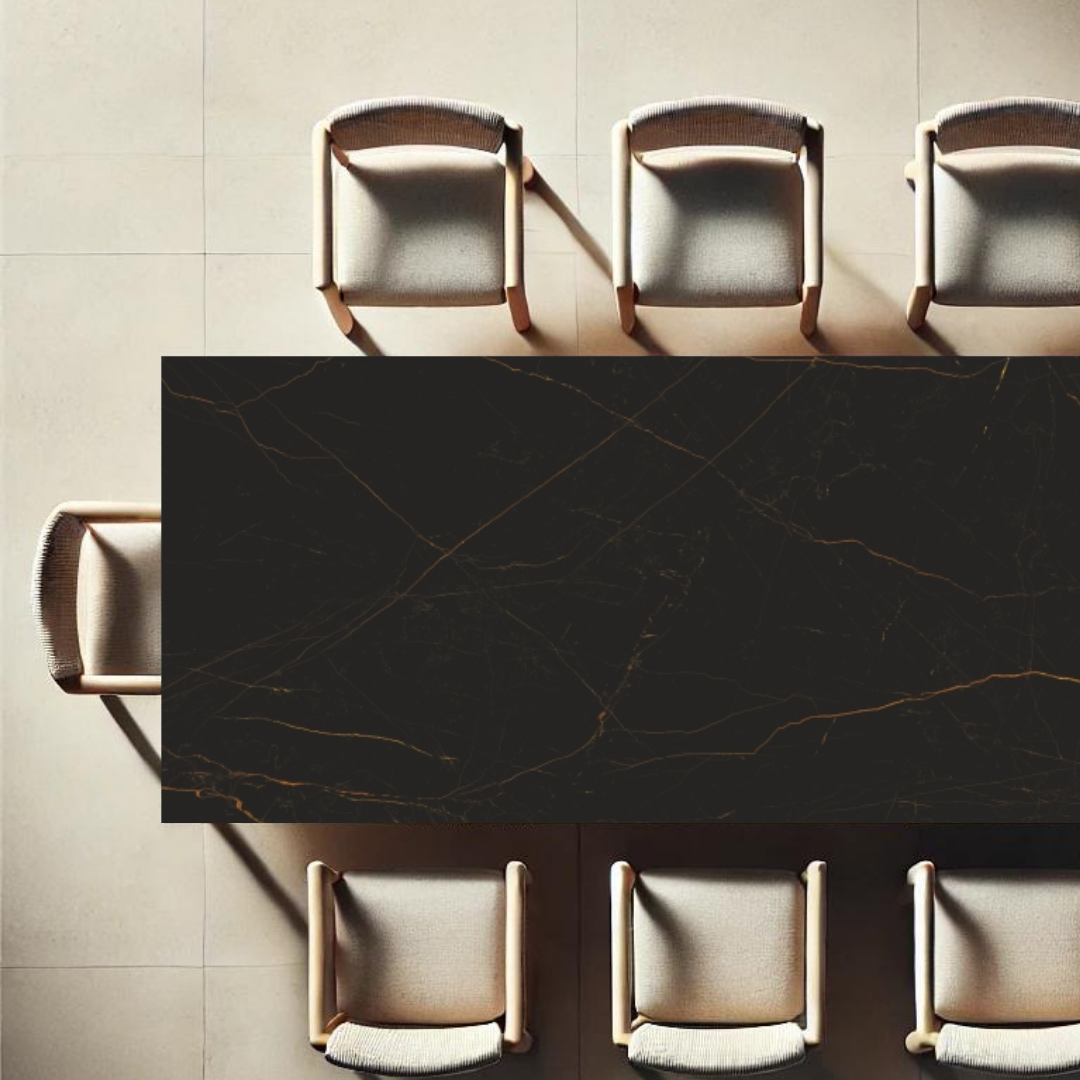
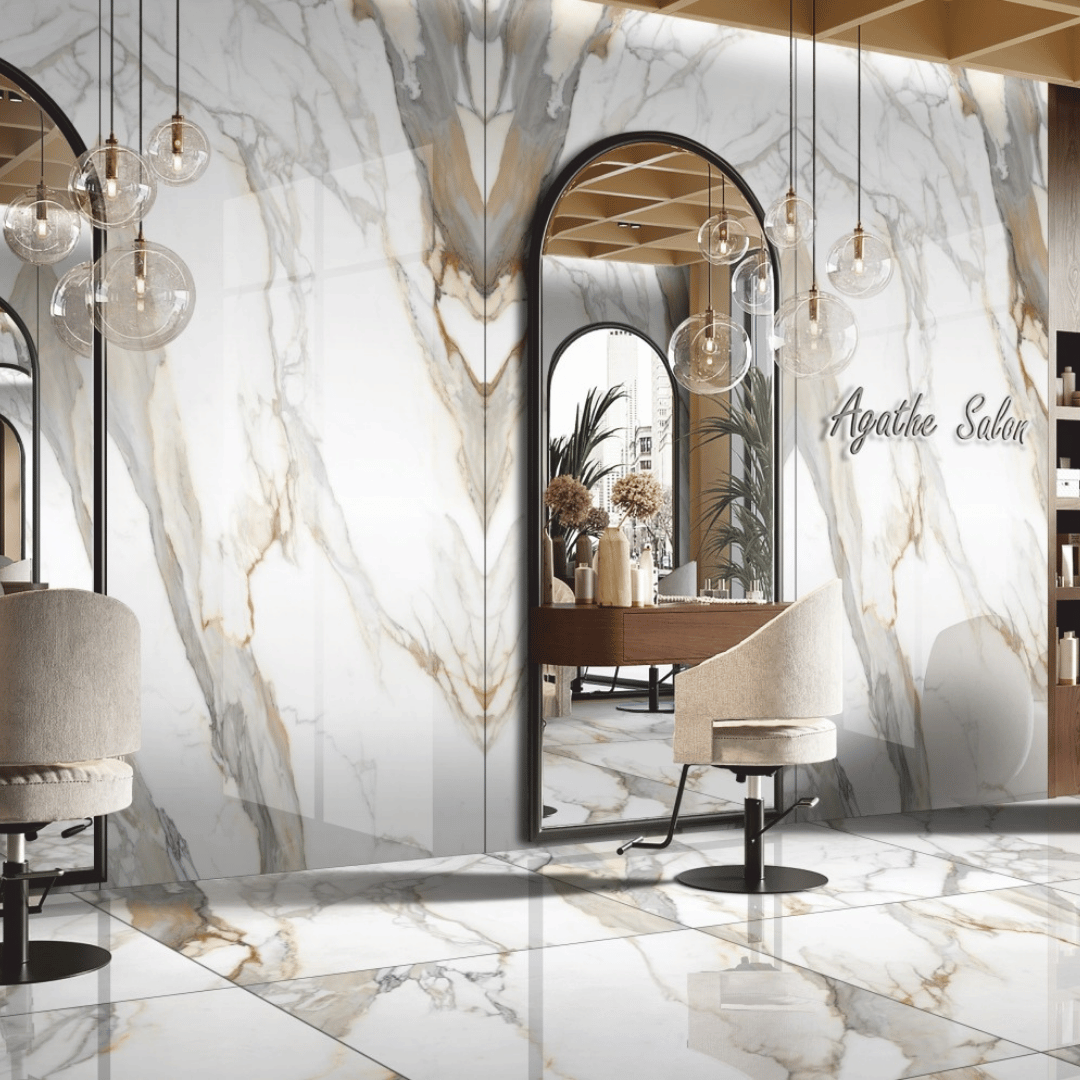
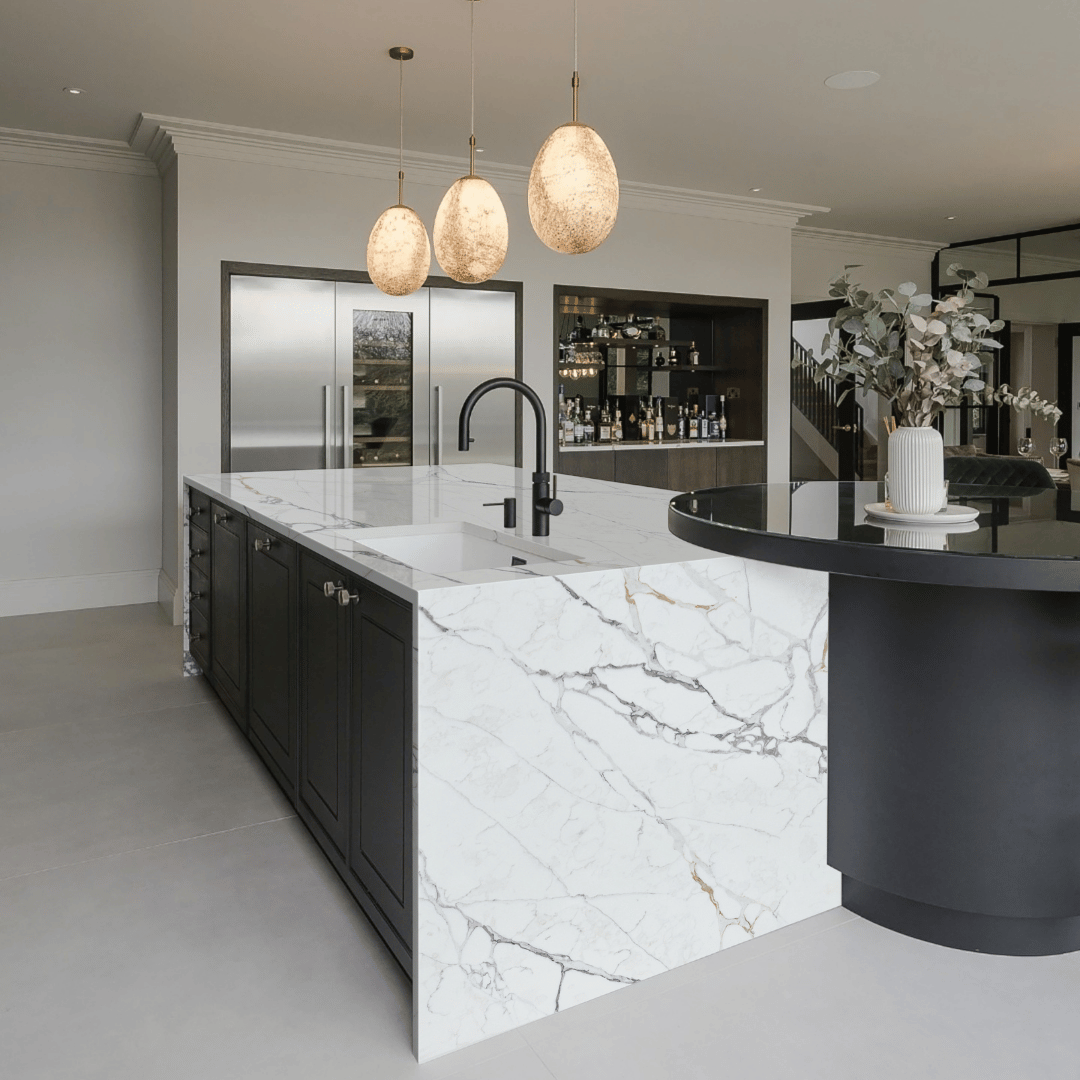
Porcelain, while available in a wide range of colors and patterns, may lack the same depth and uniqueness found in natural stone. However, advances in printing technology have allowed porcelain to mimic the look of natural stone closely, providing a cost-effective alternative for homeowners seeking the aesthetic without the maintenance.
5. Durability and Maintenance
Durability and maintenance are critical factors when choosing materials for exterior and wet areas. Porcelain’s resistance to scratches and stains makes it an excellent choice for areas that experience heavy use. Additionally, its low maintenance requirements mean that homeowners can enjoy their surfaces without the stress of constant upkeep.
Natural stone, while beautiful, often requires more care. For instance, marble is prone to scratching and staining, especially in areas exposed to acidic substances. Regular sealing and careful maintenance can mitigate some of these issues, but they require a commitment on the part of the homeowner.
6. Cost Comparison
Cost is always a consideration in material selection. Generally, porcelain tends to be more budget-friendly than natural stone. However, the initial cost should not be the only factor in your decision-making process. Consider long-term maintenance costs, durability, and the potential need for replacements over time.
For example, while natural stone may have a higher upfront cost, its longevity and aesthetic appeal can justify the investment for many homeowners. Conversely, porcelain’s lower cost and durability may make it a more attractive option for those on a tighter budget.
7. Expert Tips for Choosing the Right Material
Here are some additional tips to guide your decision:
- Assess the environmental conditions: Consider factors like humidity, temperature fluctuations, and exposure to sunlight.
- Evaluate the intended use: High-traffic areas may benefit from the durability of porcelain, while feature areas might shine with the beauty of natural stone.
- Consult with experts: Speak with surface specialists like those at Builder Stone Global to gain insights into the best materials for your specific project.
8. Conclusion
Choosing between porcelain and natural stone for exterior and wet area applications requires careful consideration of various factors, including performance, aesthetics, durability, and cost. Both materials have their unique strengths and can be used effectively in different contexts. By understanding the key differences and similarities between porcelain and natural stone, you can make informed decisions that enhance the beauty and functionality of your spaces. For premium quality options, visit our live inventory or showroom in Norcross, GA.
9. Frequently Asked Questions
What is the main difference between porcelain and natural stone?
The main difference lies in their composition and characteristics. Porcelain is a man-made ceramic material that is highly durable and water-resistant, while natural stone is quarried from the earth and offers unique beauty but may require more maintenance.
Is porcelain suitable for outdoor use?
Yes, porcelain is very suitable for outdoor use due to its durability, low porosity, and resistance to fading.
Does natural stone require sealing?
Yes, most natural stones require sealing to protect against moisture and staining, especially in wet areas.
Which material is better for wet areas?
Porcelain is generally better for wet areas because of its water resistance and low maintenance requirements.
How do I maintain porcelain surfaces?
Porcelain surfaces require minimal maintenance, typically just regular cleaning with mild soap and water.
Can I use natural stone for pool surrounds?
Yes, natural stone can be used for pool surrounds, but it’s essential to choose a type that is less porous and can withstand moisture.
What are the costs associated with porcelain vs. natural stone?
Porcelain is generally less expensive than natural stone, but costs can vary widely based on quality and installation.
How do I choose between porcelain and natural stone?
Consider factors such as aesthetics, durability, maintenance, and cost to determine which material best suits your needs.