Why Granite Slab Heat Resistance Makes It the Preferred Surface for Serious Home Cooks
Why Granite Slab Heat Resistance Makes It the Preferred Surface for Serious Home Cooks
Does granite expand and contract?
Yes, but only slightly. Granite has a low coefficient of thermal expansion, so normal kitchen temperature swings move a countertop by fractions of a millimetre — a correctly installed slab absorbs this without cracking. The real risk is sudden, localised heat shock, which is why repeatedly setting scorching pans on one spot is discouraged.
As a dedicated home cook, the surfaces you choose in your kitchen can significantly impact your culinary experience. One of the most critical factors to consider is heat resistance. Granite slabs are increasingly becoming the preferred choice for serious home cooks, thanks to their exceptional heat resistance and durability. In this article, we will delve into the reasons why granite slabs are favored in kitchens, particularly for those who demand high performance from their surfaces. You will learn about the properties of granite, its advantages over other materials, and how to maintain it to ensure it remains a stunning and functional centerpiece in your kitchen.
Understanding Granite: A Natural Wonder
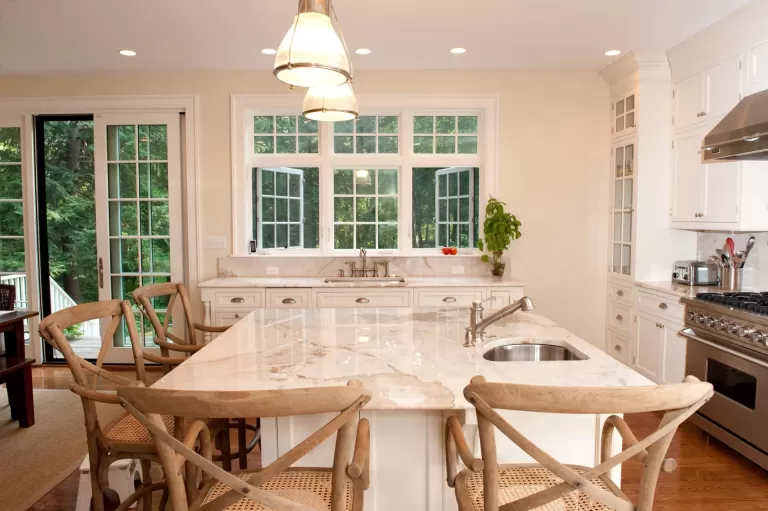
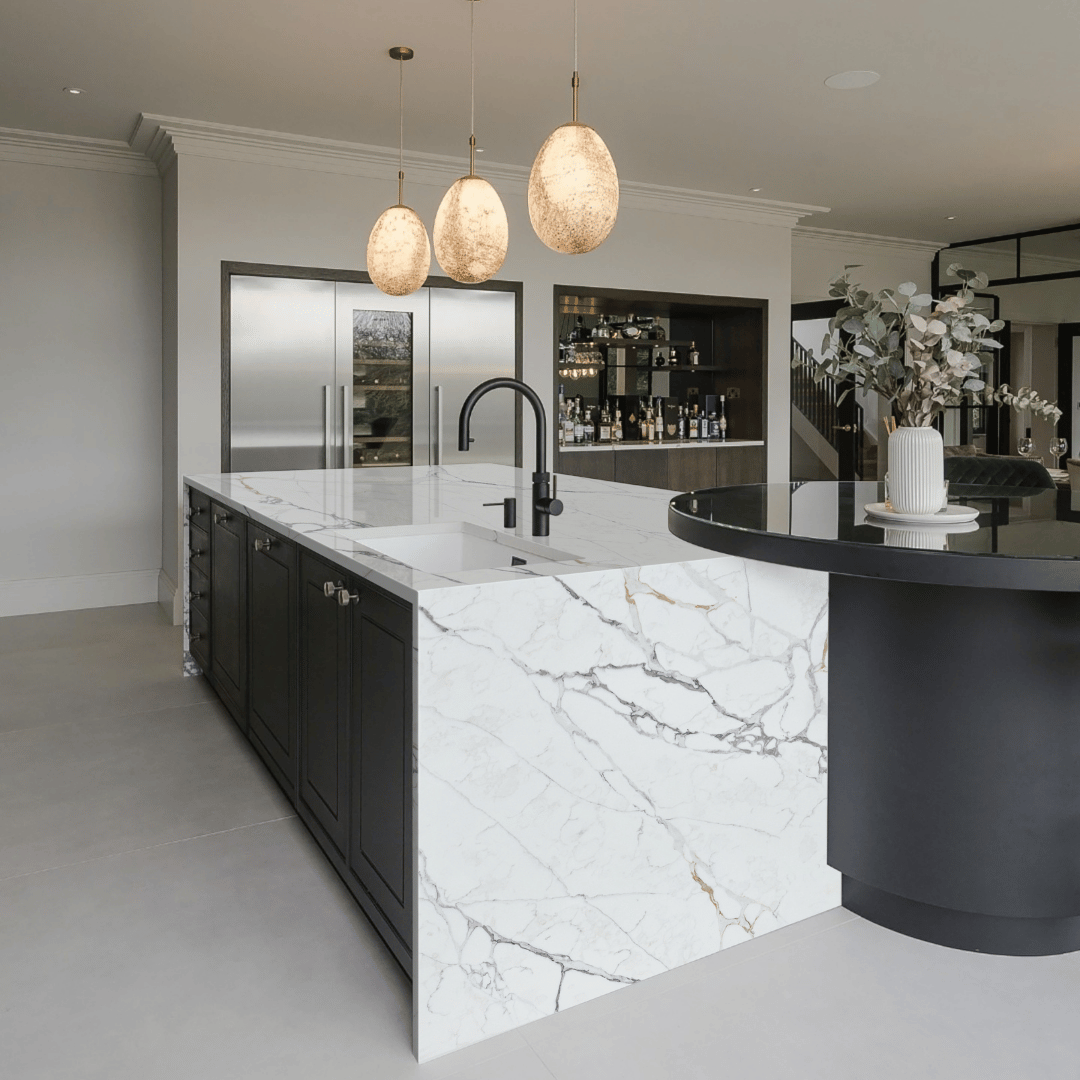
Granite is an igneous rock formed from cooled magma, primarily composed of quartz, feldspar, and mica. This natural stone has been a favored material for centuries due to its remarkable durability and aesthetic appeal. Its unique speckled appearance, which varies from slab to slab, adds a touch of elegance to any kitchen or workspace. As a premium quartz, porcelain, and natural stone slab distributor, Builder Stone Global sources high-quality granite slabs that meet the rigorous standards of both aesthetics and performance.
Heat Resistance: A Key Feature of Granite
One of the most significant advantages of granite is its superior heat resistance. Granite can withstand high temperatures without warping or damaging, making it an ideal surface for serious home cooks. When you place hot pots or pans directly on a granite countertop, you can have peace of mind knowing that the surface will not be adversely affected.
According to a study conducted by the National Institute of Standards and Technology, granite has a thermal conductivity of about 3.0 W/m·K, which is relatively high compared to other countertop materials. This means that granite can absorb and dissipate heat efficiently, preventing localized damage.
Granite’s Thermal Properties
To understand better why granite is so heat-resistant, consider the following thermal properties:
- High Melting Point: Granite’s melting point ranges between 1215°C to 1260°C (2200°F to 2300°F), making it highly resistant to heat.
- Low Thermal Expansion: Granite exhibits low thermal expansion, which means it does not expand or contract significantly with temperature changes, reducing the risk of cracking.
- Durability: The inherent strength of granite allows it to withstand the rigors of daily cooking, including exposure to hot cookware.
Comparative Analysis: Granite vs. Other Countertop Materials
While there are various countertop materials available, granite stands out due to its unmatched heat resistance. Below is a comparative analysis of granite against other popular materials:
| Material | Heat Resistance | Durability | Maintenance |
|---|---|---|---|
| Granite | Excellent (up to 2300°F) | High | Low (sealing needed) |
| Quartz | Good (up to 400°F) | High | Low (no sealing needed) |
| Marble | Moderate (up to 400°F) | Medium | High (prone to scratching) |
| Laminate | Poor (up to 200°F) | Low | Medium (easy to clean) |
From this comparison, it is evident that granite’s heat resistance and durability make it a superior choice for serious cooks. Unlike quartz, which can be damaged by heat, granite remains unscathed even under extreme conditions.
Benefits of Using Granite for Serious Cooking
Granite slabs offer numerous benefits for home cooks, enhancing both functionality and aesthetics in the kitchen:
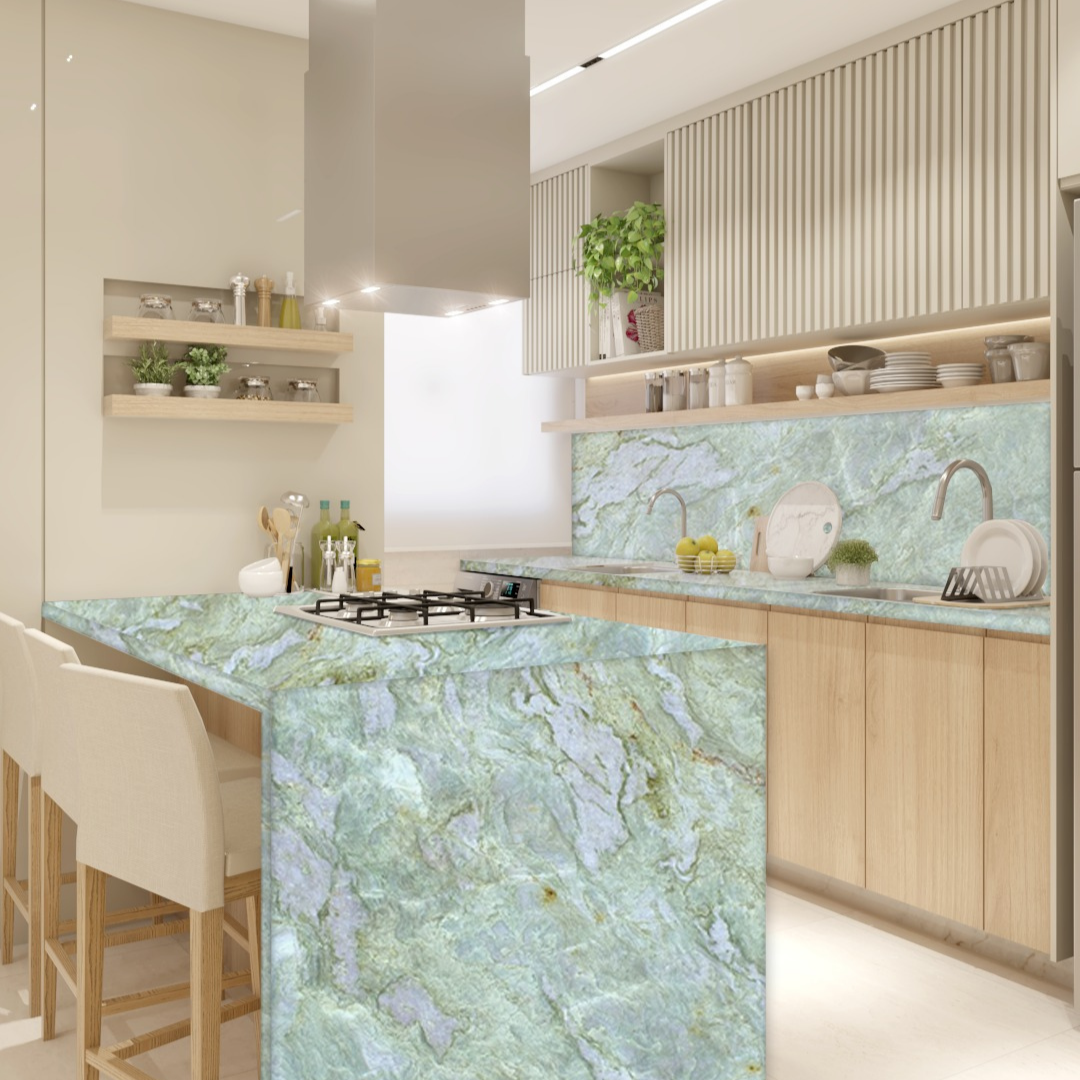
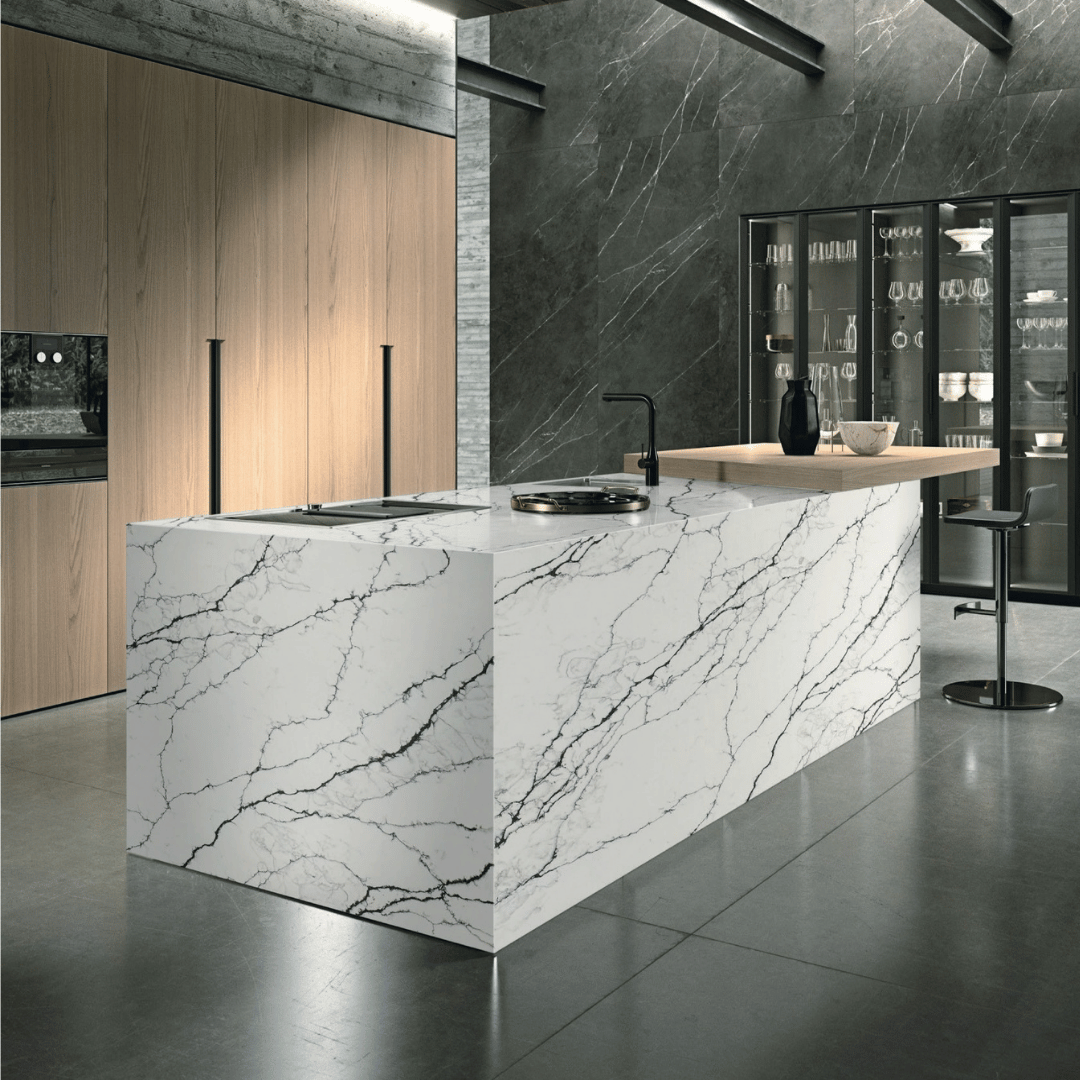
- Versatility: Granite is available in a wide variety of colors and patterns, allowing homeowners to select a style that complements their kitchen design.
- Non-Porous Surface: Unlike other materials, granite is non-porous when properly sealed, making it resistant to stains and easy to clean.
- Increased Home Value: Installing granite countertops can significantly increase the resale value of your home, making it an investment worth considering.
- Natural Beauty: The unique patterns and colors of granite slabs add a luxurious touch to any kitchen, elevating the overall aesthetic.
Maintaining Your Granite Surface
While granite is a durable material, proper maintenance is essential to ensure its longevity and beauty. Here are some expert tips for maintaining your granite surfaces:
- Seal Regularly: To maintain its non-porous nature, seal your granite countertops every 1-2 years, depending on usage.
- Clean with Care: Use a mild dish soap and warm water to clean your granite surfaces. Avoid harsh chemicals that can damage the sealant.
- Use Cutting Boards: Although granite is durable, using cutting boards will help prevent scratches and maintain its pristine appearance.
- Wipe Up Spills Promptly: While granite is stain-resistant, it’s still a good practice to wipe up spills quickly, especially those from acidic substances.
Expert Tips for Choosing the Right Granite Slab
When selecting a granite slab for your kitchen, consider the following tips to ensure you make an informed decision:
- Consider the Thickness: Granite slabs typically come in 2cm and 3cm thicknesses. Thicker slabs provide more durability and a more substantial appearance.
- Check for Quality: Look for slabs with fewer veins and consistent color for a more uniform appearance.
- Visit a Showroom: Visit our Norcross showroom to view our extensive inventory of granite slabs and receive expert guidance.
Conclusion
Granite slabs offer an unbeatable combination of heat resistance, durability, and aesthetic appeal, making them the preferred surface for serious home cooks. As a reliable granite slab distributor in Georgia, Builder Stone Global is committed to providing premium quality granite that meets the needs of culinary enthusiasts. By selecting granite for your kitchen, you not only enhance your cooking experience but also invest in a timeless material that adds value to your home.
Frequently Asked Questions
1. What is the heat resistance of granite?
Granite can withstand high temperatures, typically up to 2300°F, making it an ideal surface for cooking.
2. How do I maintain my granite countertop?
Regularly seal your granite, clean with mild soap and water, and use cutting boards to prevent scratches.
3. Is granite porous?
Granite is non-porous when sealed, which means it is resistant to stains and easy to clean.
4. Can I place hot pots directly on granite?
Yes, granite’s heat resistance allows you to place hot pots and pans directly on the surface without damage.
5. How often should I seal my granite countertops?
It is recommended to seal granite countertops every 1-2 years, depending on usage.
6. What colors and patterns are available in granite?
Granite comes in a wide variety of colors and patterns, allowing for personalized kitchen designs.
7. Does granite increase home value?
Yes, installing granite countertops can significantly increase the resale value of your home.
8. How does granite compare to quartz?
Granite offers superior heat resistance compared to quartz, which can be damaged by high temperatures.