The Ultimate Distributor’s Guide to Quartzite Slab Quality for Fabricators
The Ultimate Distributor’s Guide to Quartzite Slab Quality for Fabricators
Updated on August 14, 2026
In the realm of premium architectural surfaces, quartzite slabs have emerged as a favored choice for fabricators and designers alike. As a distributor, understanding the nuances of quartzite slab quality is paramount for ensuring that your clients receive the best products available. This comprehensive guide will delve into the essential aspects of quartzite slab quality, what fabricators need to know, and how to select the right materials to elevate your projects to new heights.
Understanding Quartzite: A Brief Overview
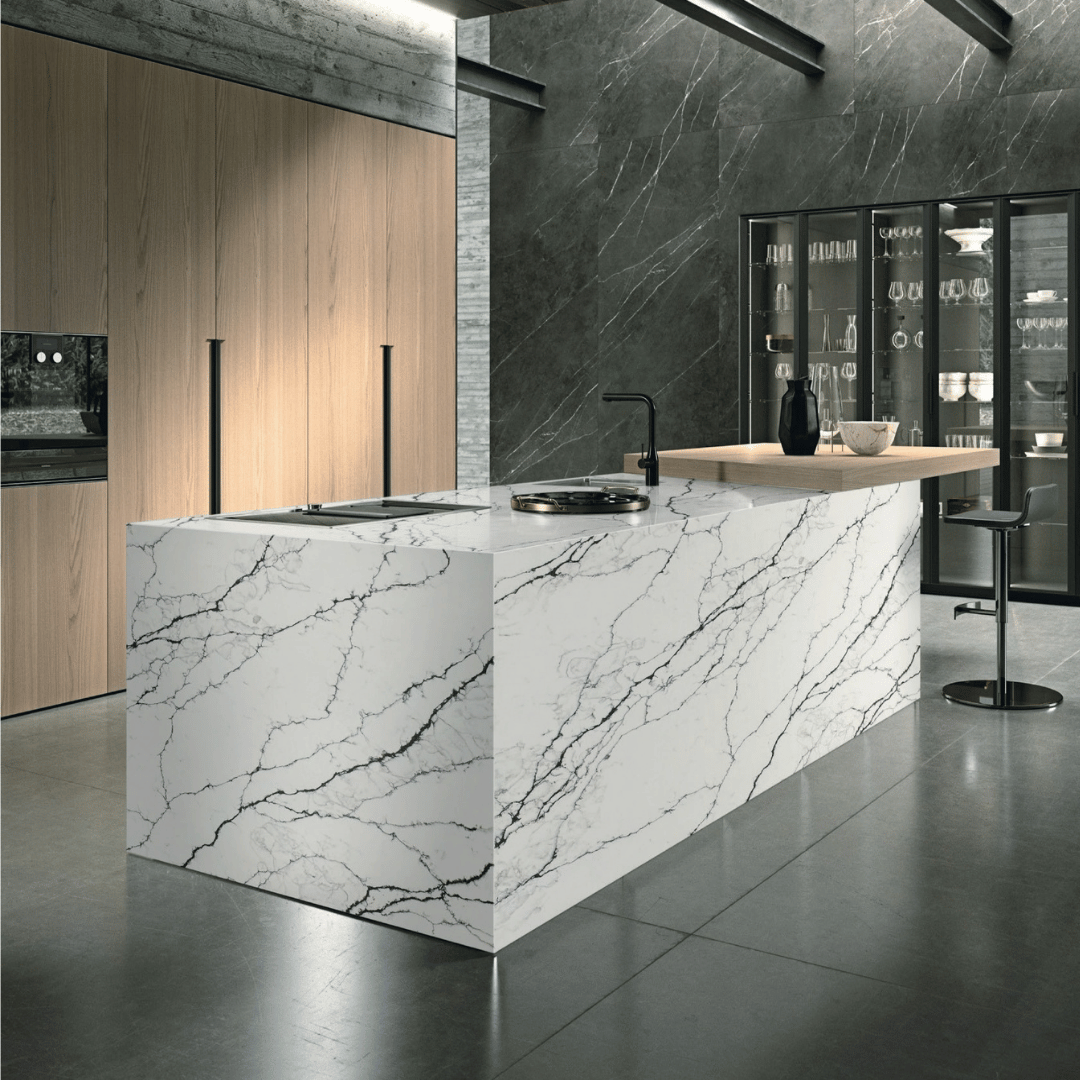
Quartzite is a natural metamorphic rock formed from sandstone that has undergone intense heat and pressure. This geological process transforms the original sandstone into a dense, durable stone with remarkable characteristics. One of the most appealing features of quartzite is its aesthetic versatility, making it suitable for a range of applications, from countertops to flooring. Unlike quartz, which is an engineered stone, quartzite is a natural material that offers unique patterns and colors, providing a luxurious finish that appeals to high-end design.
As a distributor, it’s crucial to understand the different varieties of quartzite available on the market. This includes recognizing the variations in color, pattern, and texture that can affect the overall quality and suitability for specific projects. High-quality quartzite slabs, such as those offered by Builder Stone Global, are characterized by consistent color and pattern, as well as superior durability.
Key Characteristics of High-Quality Quartzite Slabs
When evaluating quartzite slabs, fabricators should consider several key characteristics that define their quality:
- Durability: Quartzite is known for its hardness and resistance to scratching, making it an ideal choice for high-traffic areas. It typically ranks between 7 and 8 on the Mohs hardness scale, which is significantly higher than granite and other natural stones.
- Color and Pattern Consistency: High-quality quartzite slabs should exhibit a consistent color and pattern throughout the surface. Distributors should avoid slabs with significant color variations, as these can create challenges during installation and affect the overall aesthetic.
- Surface Finish: The finish of the quartzite slab can influence its appearance and functionality. Options include polished, honed, and leathered finishes. Each finish offers different benefits and should be chosen based on the intended application.
- Thickness: Quartzite slabs are available in various thicknesses, typically ranging from 2 cm to 3 cm. Thicker slabs provide increased durability and are often preferred for countertops.
- Resistance to Chemicals and Stains: Unlike some other natural stones, high-quality quartzite is more resistant to staining and chemicals. However, it is still advisable to apply a sealant to enhance its stain resistance.
The Importance of Sourcing from Reputable Distributors
Choosing the right distributor is essential for obtaining high-quality quartzite slabs. As a fabricator, partnering with a reputable distributor like Builder Stone Global ensures access to a vast inventory of premium quartzite options. Here are several reasons why sourcing from a reputable distributor is crucial:
- Quality Assurance: Established distributors maintain strict quality control measures to ensure that their products meet industry standards. This includes regular inspections and testing of the slabs.
- Expert Guidance: Reputable distributors employ knowledgeable staff who can provide valuable insights and recommendations based on your project needs. They can help you navigate the various options available and select the best materials.
- Reliable Supply Chain: A trusted distributor will have a reliable supply chain, ensuring timely delivery and consistent availability of products. This is particularly important for large projects that require multiple slabs.
- Customer Support: Excellent customer service is a hallmark of reputable distributors. They are committed to supporting their clients throughout the purchasing process, from selection to installation.
How to Evaluate Quartzite Slabs
When evaluating quartzite slabs, fabricators should perform a thorough assessment of several factors:
- Visual Inspection: Examine the slab’s surface for any visible defects such as cracks, chips, or discoloration. Pay close attention to the edges and corners, as these areas are more prone to damage.
- Color and Pattern Matching: If the project involves multiple slabs, ensure that the colors and patterns match as closely as possible. This is particularly important for countertops and large surfaces.
- Thickness Measurement: Use a caliper or ruler to measure the thickness of the slab. Ensure it meets the specifications required for your project.
- Water Absorption Test: To evaluate the slab’s porosity, perform a water absorption test. Apply a small amount of water to the surface and observe how quickly it absorbs. High-quality quartzite should resist absorption.
- Scratch Test: Conduct a scratch test using a metal object to determine the slab’s hardness. High-quality quartzite should show minimal to no scratching.
By conducting these evaluations, fabricators can ensure that they are selecting the best quartzite slabs for their projects. This diligence not only enhances the quality of the final installation but also builds trust with clients.
Common Applications for Quartzite in Design
Quartzite’s versatility makes it suitable for a variety of applications in architectural design:
| Application | Description |
|---|---|
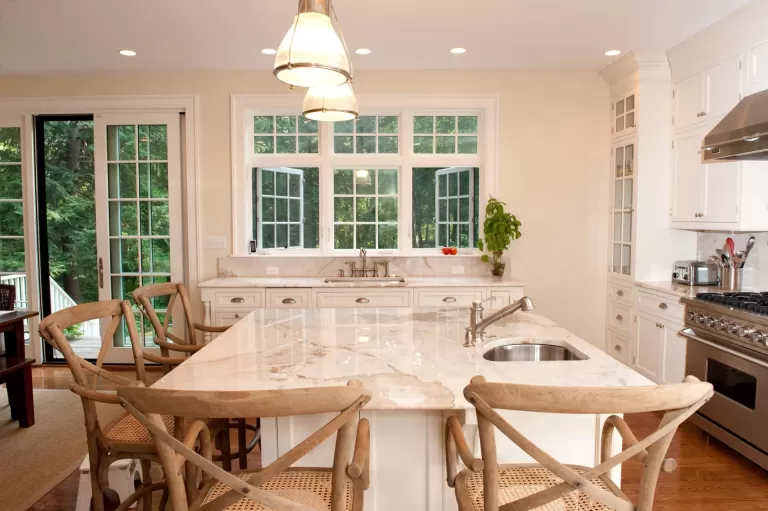
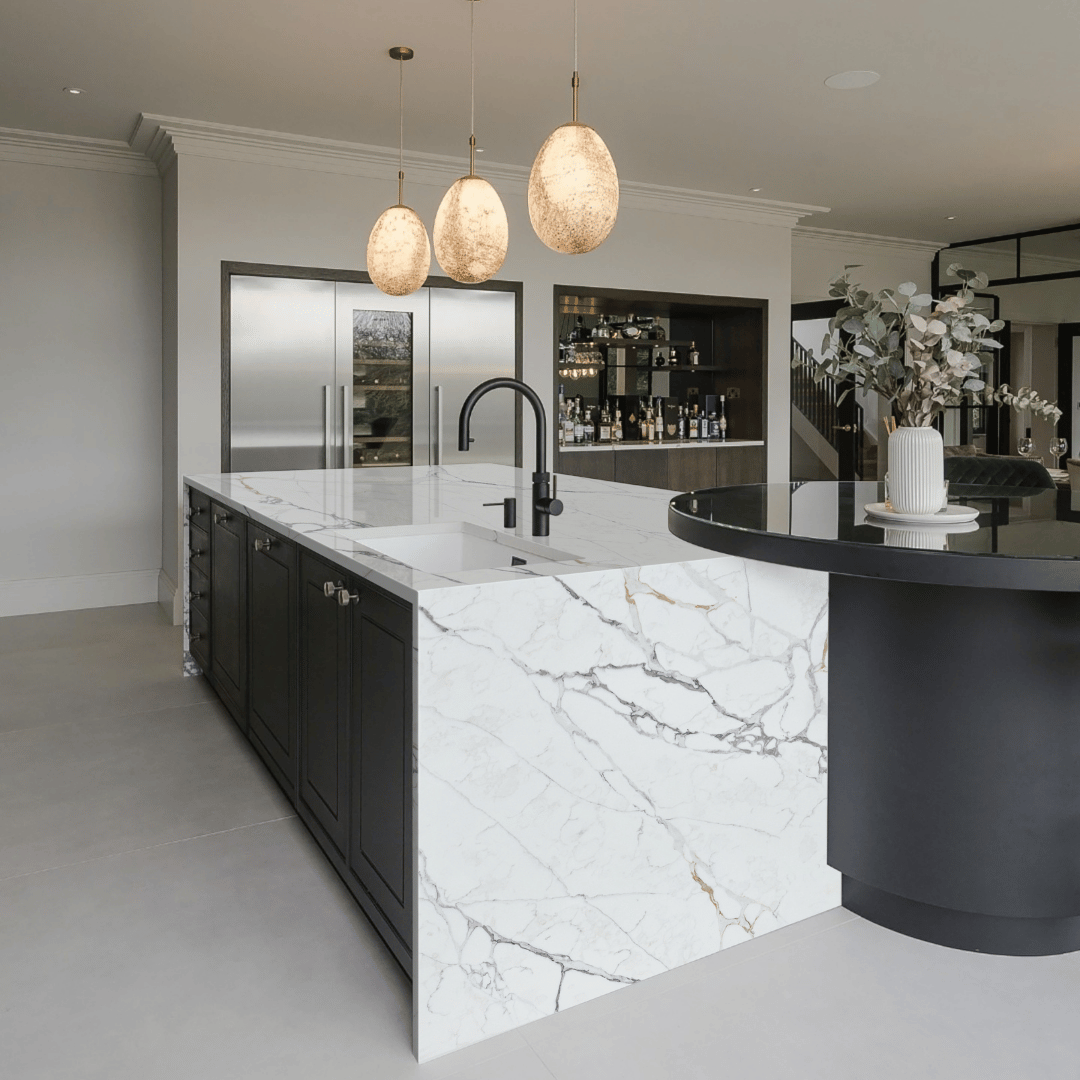
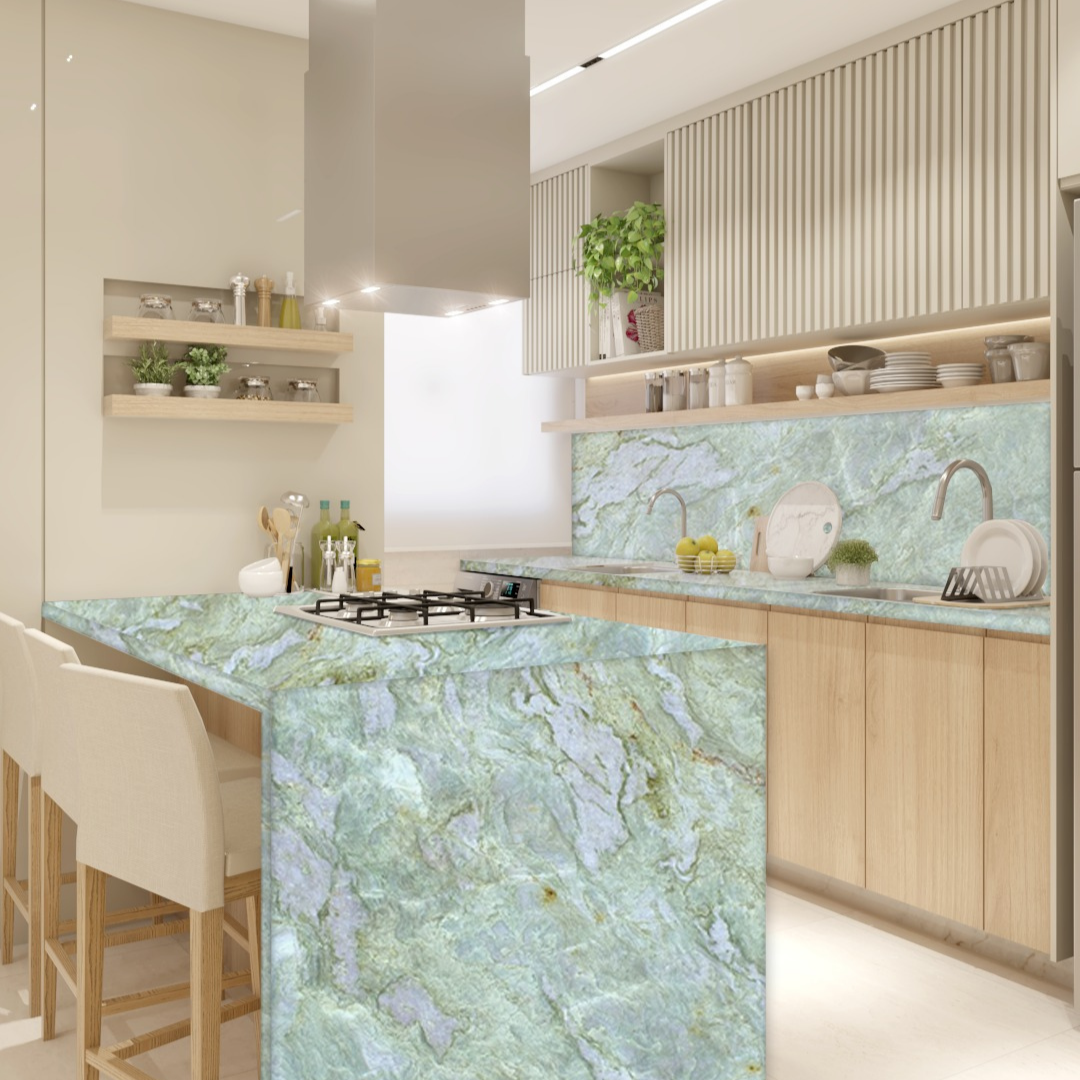
| Countertops | Durable and aesthetically pleasing, quartzite countertops are ideal for kitchens and bathrooms. |
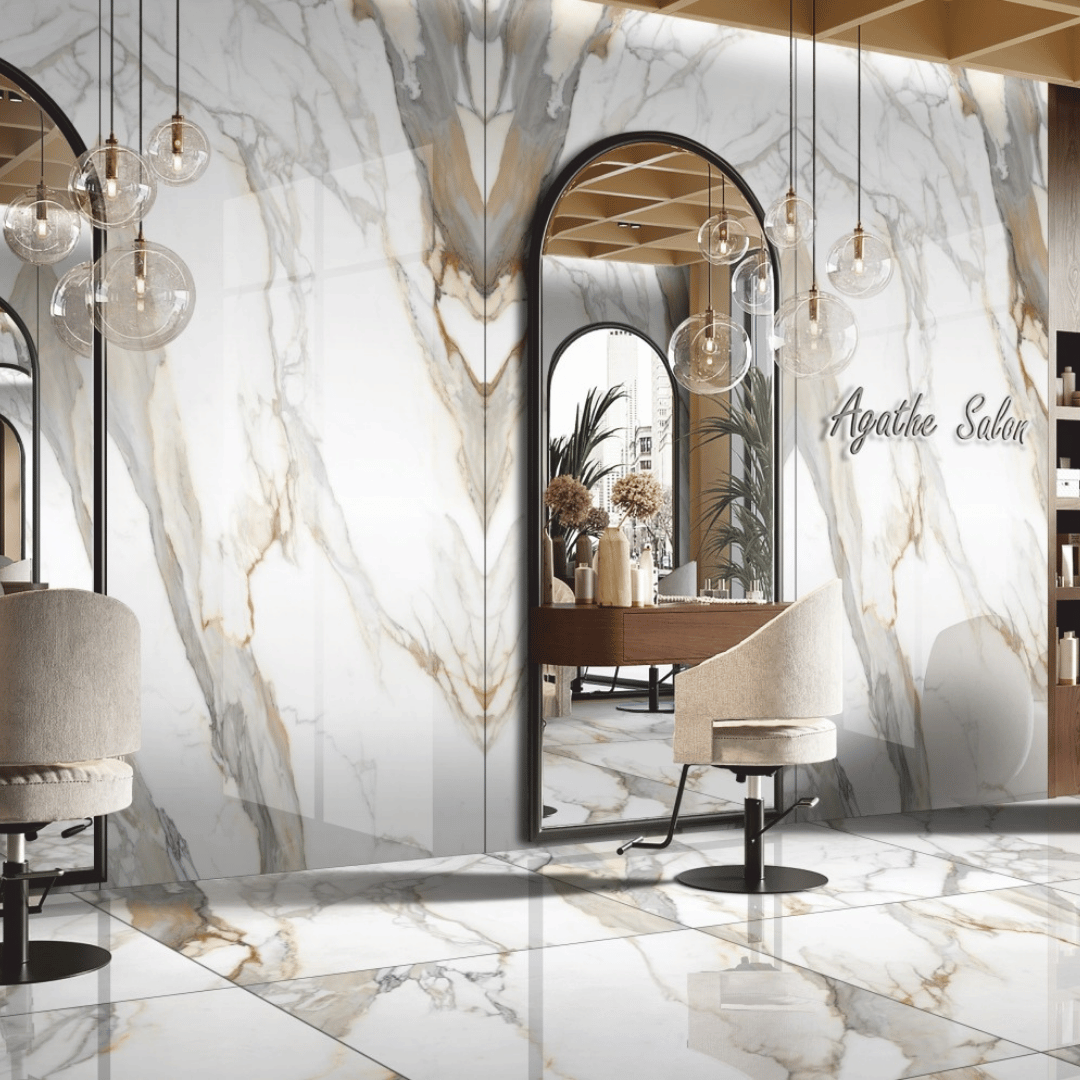
| Flooring | Quartzite flooring offers a unique look and is exceptionally durable, making it suitable for high-traffic areas. |
| Wall Cladding | Using quartzite for wall cladding adds a touch of luxury and can create stunning visual interest. |
| Fireplaces | Quartzite is heat-resistant, making it a popular choice for fireplace surrounds. |
| Outdoor Spaces | Its durability and resistance to weathering make quartzite an excellent choice for outdoor countertops and patios. |
Maintenance Tips for Quartzite Surfaces
Maintaining quartzite surfaces is essential for preserving their beauty and longevity. Here are some expert tips for proper care:
- Sealing: Apply a high-quality stone sealer to quartzite surfaces to enhance their resistance to stains and moisture. It’s recommended to reseal every 6-12 months, depending on usage.
- Cleaning: Use a pH-balanced stone cleaner and a soft cloth for regular cleaning. Avoid harsh chemicals that can damage the surface.
- Heat Pads: While quartzite is heat-resistant, it’s advisable to use heat pads or trivets to protect the surface from extreme heat.
- Promptly Address Spills: Wipe up spills immediately to prevent staining, especially from acidic substances like citrus juices or vinegar.
- Regular Inspections: Periodically inspect the surfaces for any signs of wear or damage, and address issues promptly to maintain the integrity of the material.
Conclusion
Understanding quartzite slab quality is vital for fabricators looking to deliver exceptional results in their projects. By focusing on key characteristics, sourcing from reputable distributors, and conducting thorough evaluations, fabricators can ensure they select the best quartzite slabs available. As a trusted quartzite slab distributor in Norcross, GA, Builder Stone Global is committed to providing high-performance surfaces that meet the unique needs of every project. Call +1 470-551-2092 to speak with our surface specialists and elevate your designs today!
Frequently Asked Questions (FAQs)
What is quartzite?
Quartzite is a natural stone formed from sandstone that has been subjected to heat and pressure, resulting in a dense, durable material used in various applications.
How do I choose high-quality quartzite slabs?
Look for slabs with consistent color and pattern, minimal defects, and a thickness that meets your project’s specifications. Conduct visual inspections and tests to evaluate durability.
What are the benefits of using quartzite for countertops?
Quartzite is extremely durable, resistant to scratching and staining, and offers a unique aesthetic appeal, making it an excellent choice for countertops.
How do I maintain quartzite surfaces?
Regularly seal quartzite surfaces, use pH-balanced cleaners, promptly address spills, and periodically inspect for wear and damage to maintain their beauty.
Can quartzite be used outdoors?
Yes, quartzite is weather-resistant and can be used for outdoor countertops, patios, and other surfaces.
What is the difference between quartz and quartzite?
Quartz is an engineered stone made from natural quartz crystals, while quartzite is a natural metamorphic rock formed from sandstone.
Is quartzite heat-resistant?
Yes, quartzite is heat-resistant, making it suitable for use around fireplaces and in kitchens.
Where can I find high-quality quartzite slabs?
Reputable distributors like Builder Stone Global offer a wide selection of premium quartzite slabs for various applications.