The Complete Guide to Exotic Quartzite Slabs for Architectural Design
The Complete Guide to Exotic Quartzite Slabs for Statement-Making Architectural Design
When it comes to creating stunning architectural designs, the materials chosen play a pivotal role in the overall aesthetic and functionality of the space. Exotic quartzite slabs have emerged as a premium choice for architects and designers seeking to make a bold statement. This comprehensive guide delves into everything you need to know about exotic quartzite slabs, including their unique properties, design applications, and how to select the perfect slab for your project. By the end of this article, you will understand why quartzite is a top choice for high-performance surfaces in architectural design.
What is Quartzite?
Quartzite is a naturally occurring metamorphic rock formed from sandstone under intense heat and pressure. This process not only alters its mineral composition but also enhances its durability, making it one of the toughest natural stone materials available. The transformation from sandstone to quartzite results in a stone that is not only visually stunning but also incredibly resilient, making it perfect for high-traffic areas.
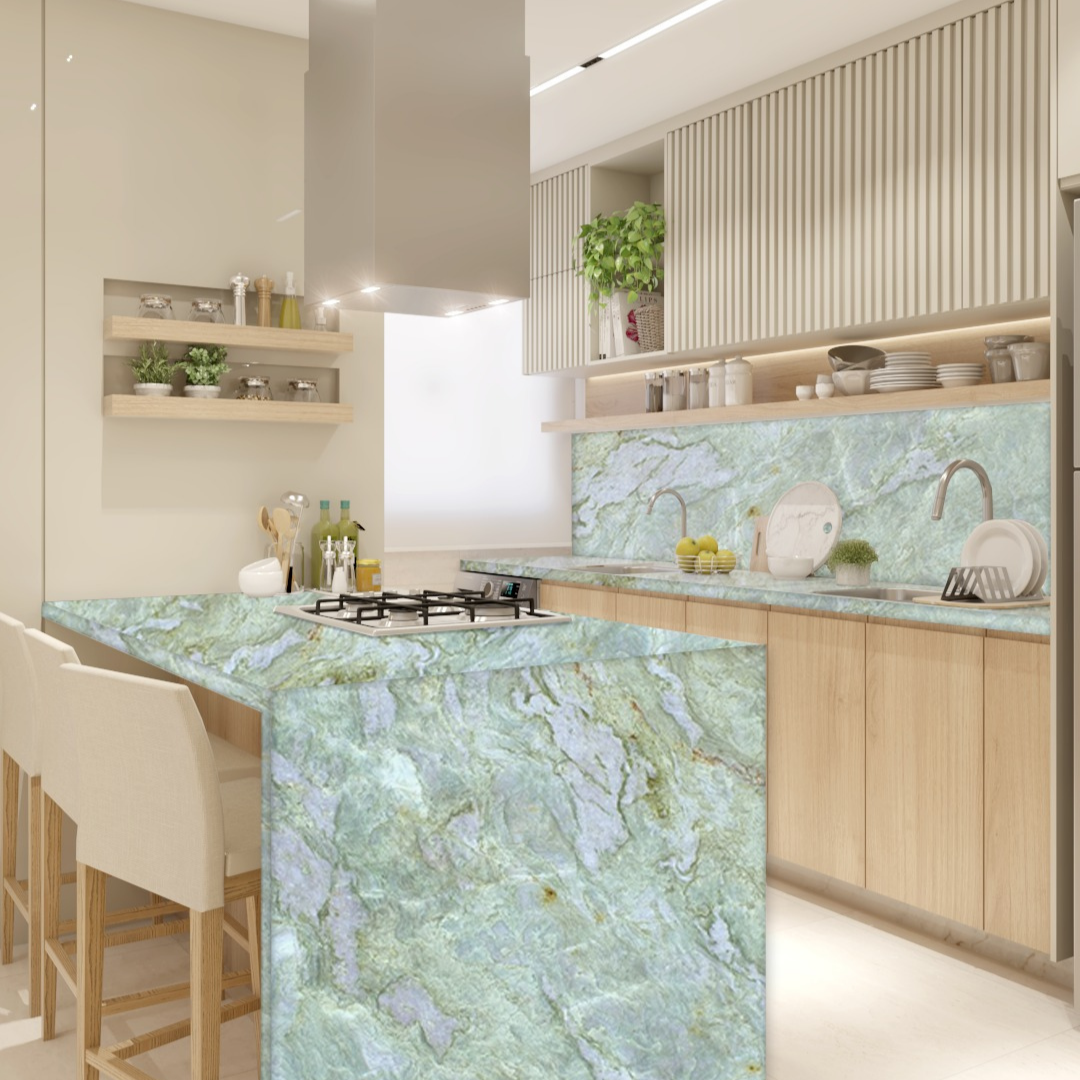
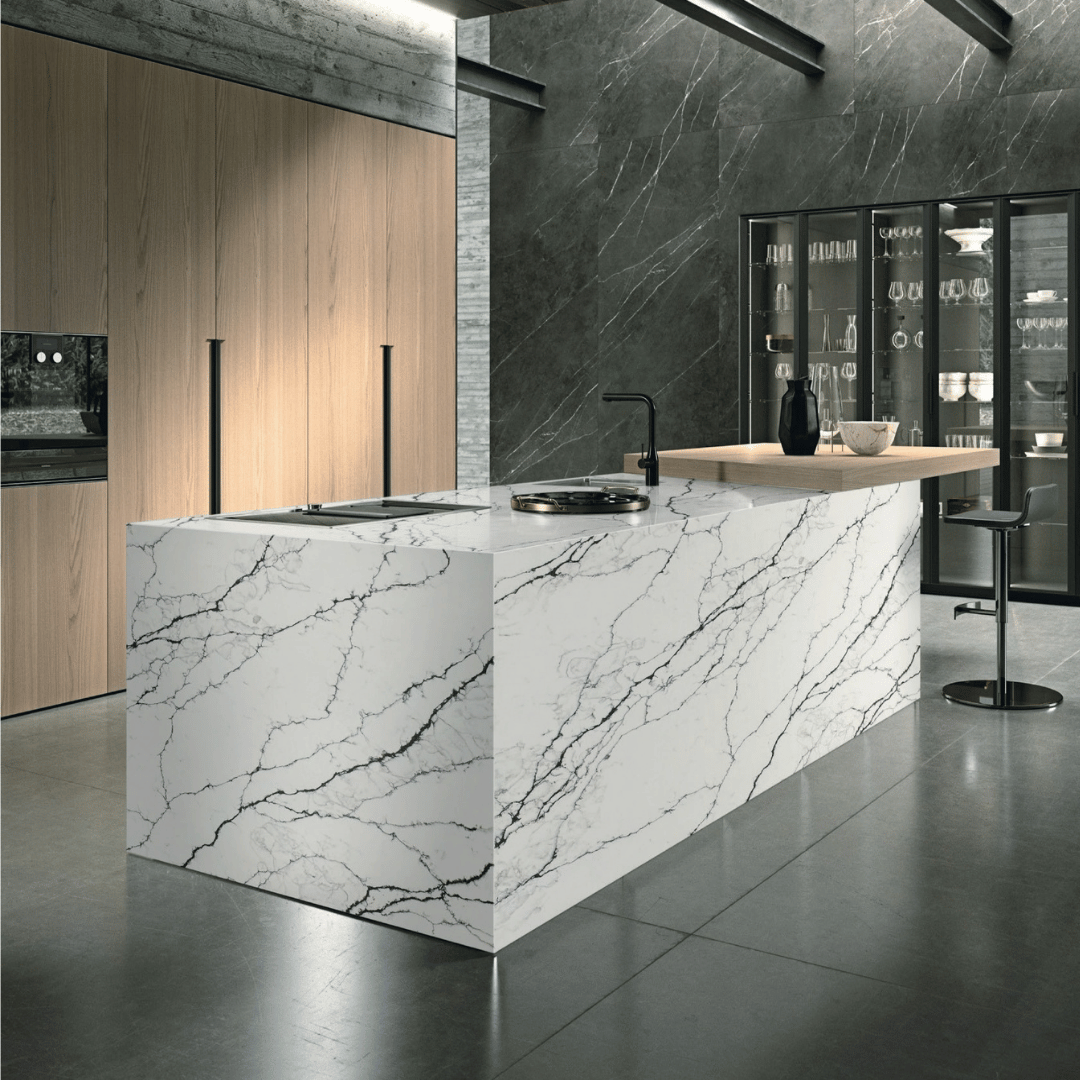
Exotic quartzite slabs, in particular, are characterized by their unique colors and patterns that often resemble marble or granite, but with increased durability and lower maintenance requirements. The vibrant hues and striking veining patterns make exotic quartzite a sought-after choice for luxury architectural surfaces.
Unique Features of Exotic Quartzite
Exotic quartzite slabs offer several unique features that set them apart from other stone materials:
- Diverse Color Palette: Exotic quartzite comes in a rich array of colors, from deep blues and greens to warm golds and reds, allowing for versatile design options.
- Durability: With a Mohs hardness rating of 7, quartzite is highly resistant to scratching, making it ideal for countertops, flooring, and wall coverings.
- Heat and Stain Resistance: Unlike some natural stones, quartzite is less porous, providing excellent resistance to heat and stains, which is essential for kitchen and bathroom applications.
- Low Maintenance: While other stones may require regular sealing, quartzite’s natural properties reduce the need for extensive upkeep.
Design Applications of Quartzite
Exotic quartzite slabs can be utilized in various design applications, enhancing both aesthetic appeal and functionality:
1. Countertops
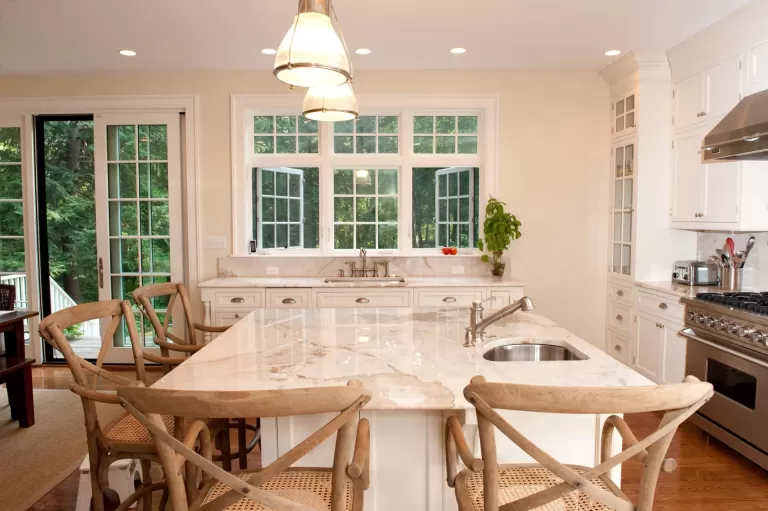
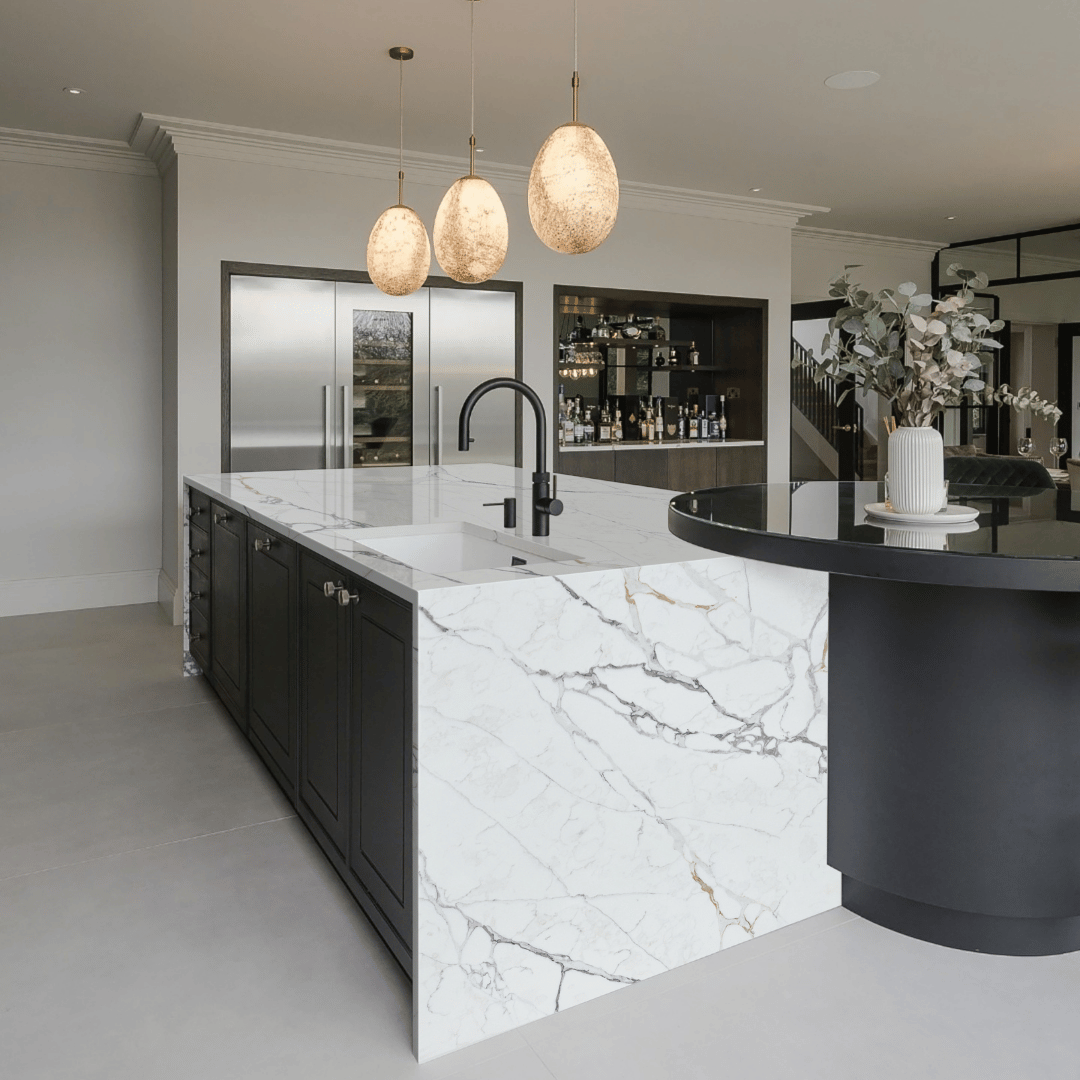
Quartzite is a popular choice for kitchen and bathroom countertops due to its durability and resistance to scratches and stains. Its unique patterns can serve as a focal point in any space.
2. Flooring
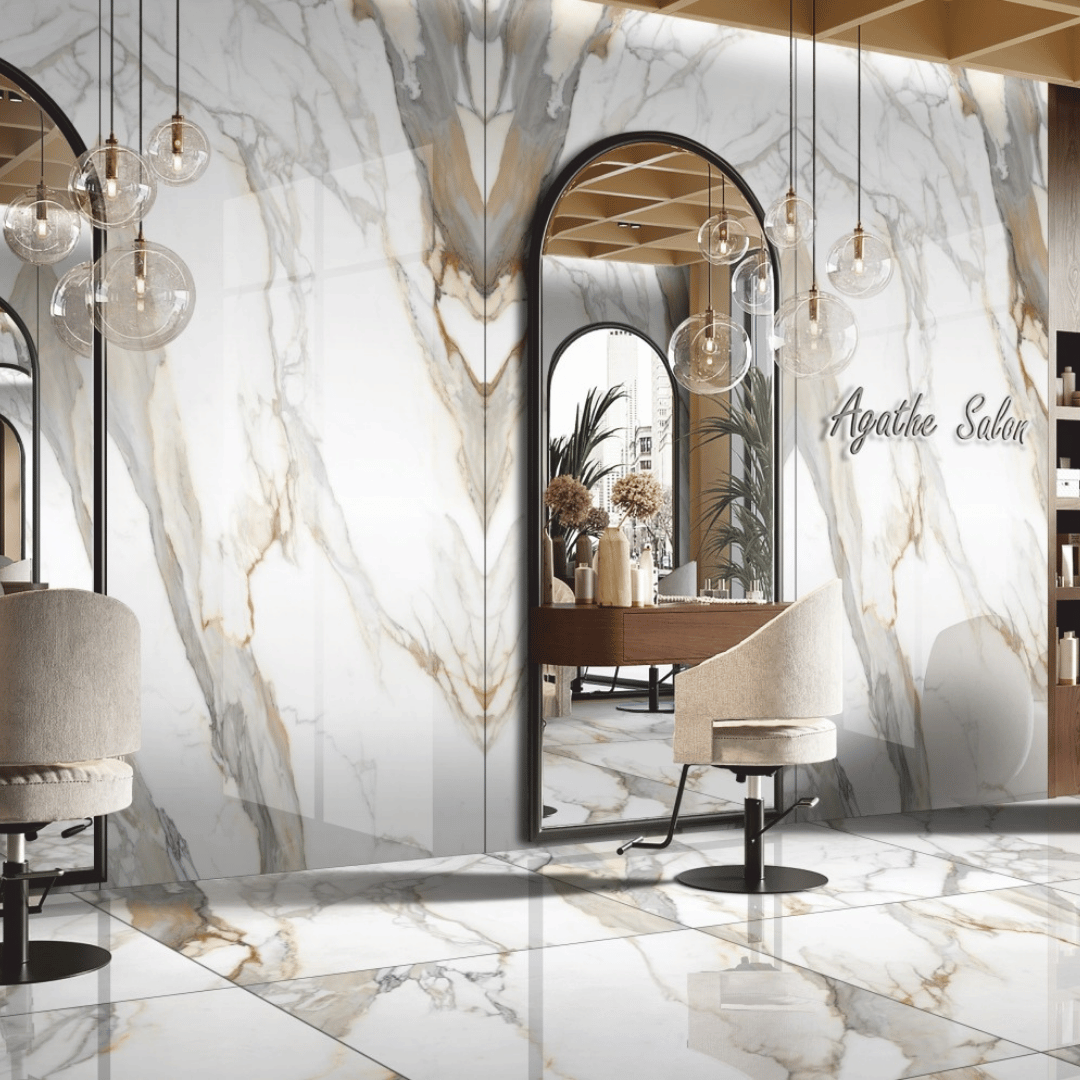
Using quartzite for flooring adds an element of luxury and durability. Its slip-resistant surface makes it suitable for both indoor and outdoor applications.
3. Wall Cladding
Exotic quartzite can be used as wall cladding to create stunning feature walls or fireplace surrounds, adding depth and texture to a room.
4. Sinks and Vanities
Integrating quartzite into sink designs or bathroom vanities creates a seamless and elegant look, combining practicality with high-end design.
5. Outdoor Spaces
Thanks to its durability and resistance to weathering, quartzite is an excellent choice for outdoor kitchens, patios, and walkways.
Choosing the Right Quartzite Slab
When selecting the perfect exotic quartzite slab for your project, consider the following factors:
- Color and Pattern: Evaluate how the slab’s color and pattern will interact with other materials and the overall design of your space.
- Thickness: Common thickness options range from 2cm to 3cm. Thicker slabs offer greater durability but may be heavier and require additional support.
- Finish: Choose between polished, honed, or brushed finishes based on the desired look and application. Polished finishes are shiny and reflective, while honed finishes provide a matte look.
- Budget: Exotic quartzite can vary in price. Determine your budget beforehand and consider the cost of fabrication and installation.
For assistance in selecting the right quartzite slab, contact our surface specialists at Builder Stone Global.
Maintenance and Care for Quartzite Surfaces
Maintaining the beauty of your quartzite surfaces requires minimal effort:
- Cleaning: Use a gentle, pH-balanced cleaner and a soft cloth to wipe down surfaces. Avoid harsh chemicals that could damage the stone.
- Sealing: While quartzite is less porous than other stones, it is still advisable to seal the surface every 1-2 years to enhance its stain resistance.
- Heat Protection: Although quartzite is heat resistant, it’s best to use trivets or hot pads under cookware to prevent thermal shock.
Cost Considerations for Quartzite Slabs
The cost of exotic quartzite slabs can vary widely based on factors such as:
- Quality: Higher-quality slabs with unique patterns and colors tend to be more expensive.
- Origin: Imported quartzite may have higher shipping costs, affecting the overall price.
- Fabrication: The complexity of the cut and finish will influence the fabrication costs.
| Cost Factors | Low-End Estimate | High-End Estimate |
|---|---|---|
| Material Cost per Square Foot | $50 | $200 |
| Fabrication Cost per Square Foot | $30 | $100 |
| Installation Cost per Square Foot | $20 | $50 |
For a detailed estimate tailored to your specific project, check our live inventory and consult with our experts.
Frequently Asked Questions
1. What makes quartzite different from granite?
Quartzite is a metamorphic rock formed from sandstone, while granite is an igneous rock. Quartzite is generally denser and more resistant to scratching than granite.
2. Is quartzite suitable for outdoor use?
Yes, quartzite is highly durable and weather-resistant, making it an excellent choice for outdoor applications such as patios and walkways.
3. Can quartzite be used in high-traffic areas?
Absolutely! Quartzite’s hardness and resistance to wear make it ideal for high-traffic spaces including kitchens and commercial areas.
4. How do I clean quartzite surfaces?
Use a gentle, pH-neutral cleaner and a soft cloth. Avoid abrasive cleaners that could scratch the surface.
5. Does quartzite require sealing?
While quartzite is less porous than other stones, sealing every 1-2 years is recommended to maintain its stain resistance.
6. What are the best colors for quartzite slabs?
Exotic quartzite comes in various colors, including blues, greens, and golds. The best color depends on your design preferences and existing decor.
7. How thick should quartzite slabs be for countertops?
Common thicknesses are 2cm and 3cm. Thicker slabs provide more durability but may require additional support.
8. Where can I purchase exotic quartzite slabs?
You can purchase premium quartzite slabs at Builder Stone Global, where we offer a wide selection and expert guidance. Contact us today for more information.
Conclusion
Exotic quartzite slabs offer unparalleled beauty and durability, making them an excellent choice for architectural design. Their unique features, coupled with their versatility, allow them to be used in various applications, from countertops to flooring and beyond. By understanding how to choose, maintain, and care for quartzite surfaces, you can create stunning spaces that stand the test of time. For premium quality quartzite and expert advice, call +1 470-551-2092 to speak with our surface specialists and elevate your design vision today.