How Quartzite Slabs Compare to Engineered Quartz in Durability and Visual Appeal
How Quartzite Slabs Compare to Engineered Quartz in Durability and Visual Appeal
When it comes to selecting the perfect surface for your home or commercial project, the choice between quartzite slabs and engineered quartz is pivotal. Both materials offer unique advantages, but understanding their differences in durability and visual appeal can guide you in making an informed decision. In this comprehensive guide, we will delve into the characteristics of quartzite and engineered quartz, comparing their durability, aesthetic qualities, and suitability for various applications. By the end of this article, you’ll have a clearer picture of which material aligns best with your design vision and practical needs.
Understanding Quartzite Slabs
Quartzite is a natural metamorphic rock formed from sandstone that has undergone intense heat and pressure over millions of years. This transformation results in a dense and durable material that is highly sought after for architectural surfaces.
One of the defining characteristics of quartzite is its exceptional hardness. It ranks around 7 on the Mohs scale of mineral hardness, making it more durable than granite and highly resistant to scratching and chipping. This durability makes quartzite an ideal choice for high-traffic areas, including kitchen countertops, backsplashes, and flooring.
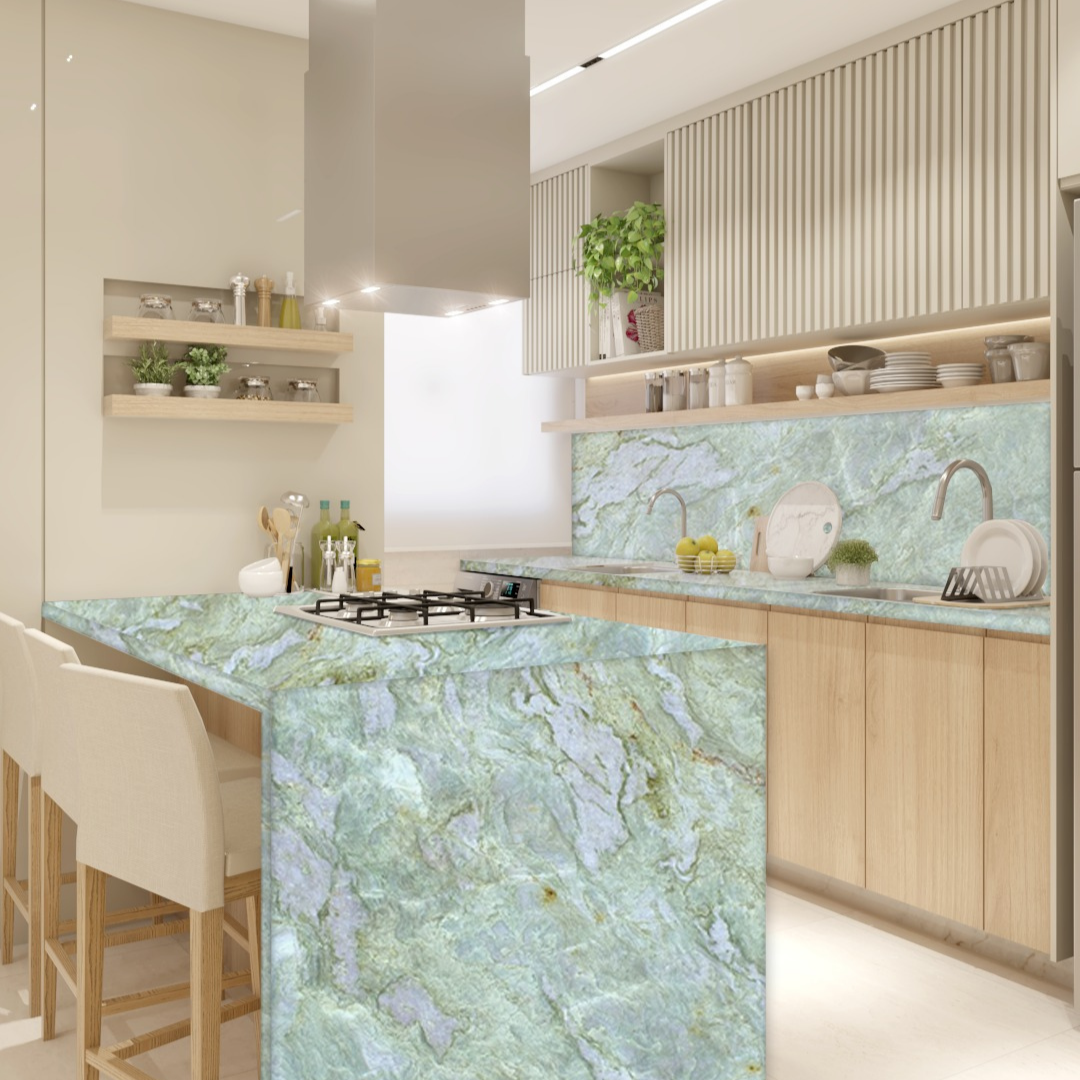
In addition to its toughness, quartzite boasts a stunning aesthetic appeal. The natural patterns and colors found in quartzite slabs can vary widely, offering unique designs that are impossible to replicate in engineered materials. The mineral composition contributes to a range of hues, from soft whites and grays to rich reds and greens, allowing for versatile design options.
Exploring Engineered Quartz
Engineered quartz, also known as composite quartz or simply quartz, is a man-made material that combines about 90-95% crushed natural quartz crystals with resins and pigments. This process results in a non-porous surface that is uniform in appearance and offers a range of colors and patterns.
The manufacturing process allows for greater control over the final product’s aesthetics, making engineered quartz available in a vast array of colors and designs, including options that mimic the look of natural stone. Additionally, engineered quartz is less prone to staining and requires minimal maintenance compared to natural stones.
However, while engineered quartz offers impressive benefits, it may not match the natural beauty and uniqueness of quartzite. Its durability is also noteworthy, but it generally ranks lower than quartzite on the Mohs hardness scale, typically around 6 to 7. This means that while engineered quartz is durable enough for most residential applications, it may be more susceptible to scratching compared to its natural counterpart.
Durability Comparison: Quartzite vs. Engineered Quartz
To truly understand how quartzite slabs compare to engineered quartz in terms of durability, we need to explore several factors, including hardness, resistance to heat and staining, and maintenance requirements.
| Material | Mohs Hardness Scale | Heat Resistance | Stain Resistance | Maintenance |
|---|---|---|---|---|
| Quartzite | 7 | Excellent | Good | Low |
| Engineered Quartz | 6-7 | Good | Excellent | Very Low |
As illustrated in the table above, quartzite slabs have a slight edge over engineered quartz when it comes to hardness and heat resistance. This makes quartzite an excellent choice for kitchen countertops where hot pots and pans may come into contact with the surface. However, engineered quartz excels in stain resistance due to its non-porous nature, making it easier to clean and maintain.
Visual Appeal: Aesthetic Qualities of Each Material
When it comes to visual appeal, the choice between quartzite and engineered quartz often comes down to personal preference and design vision.
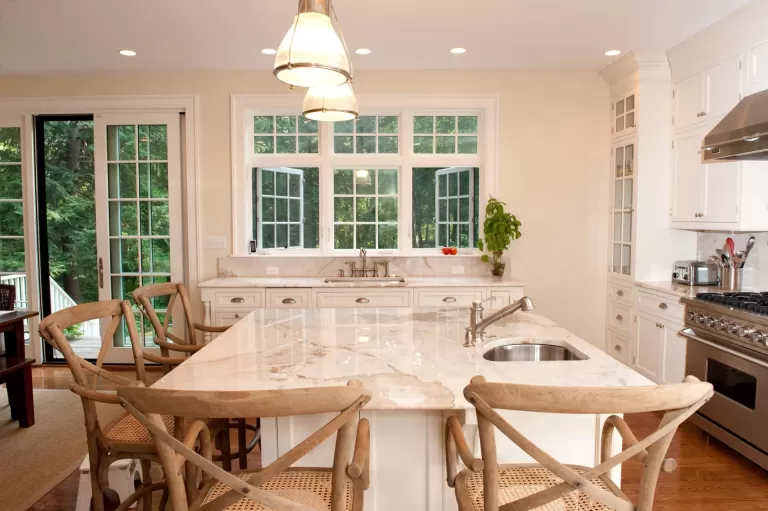
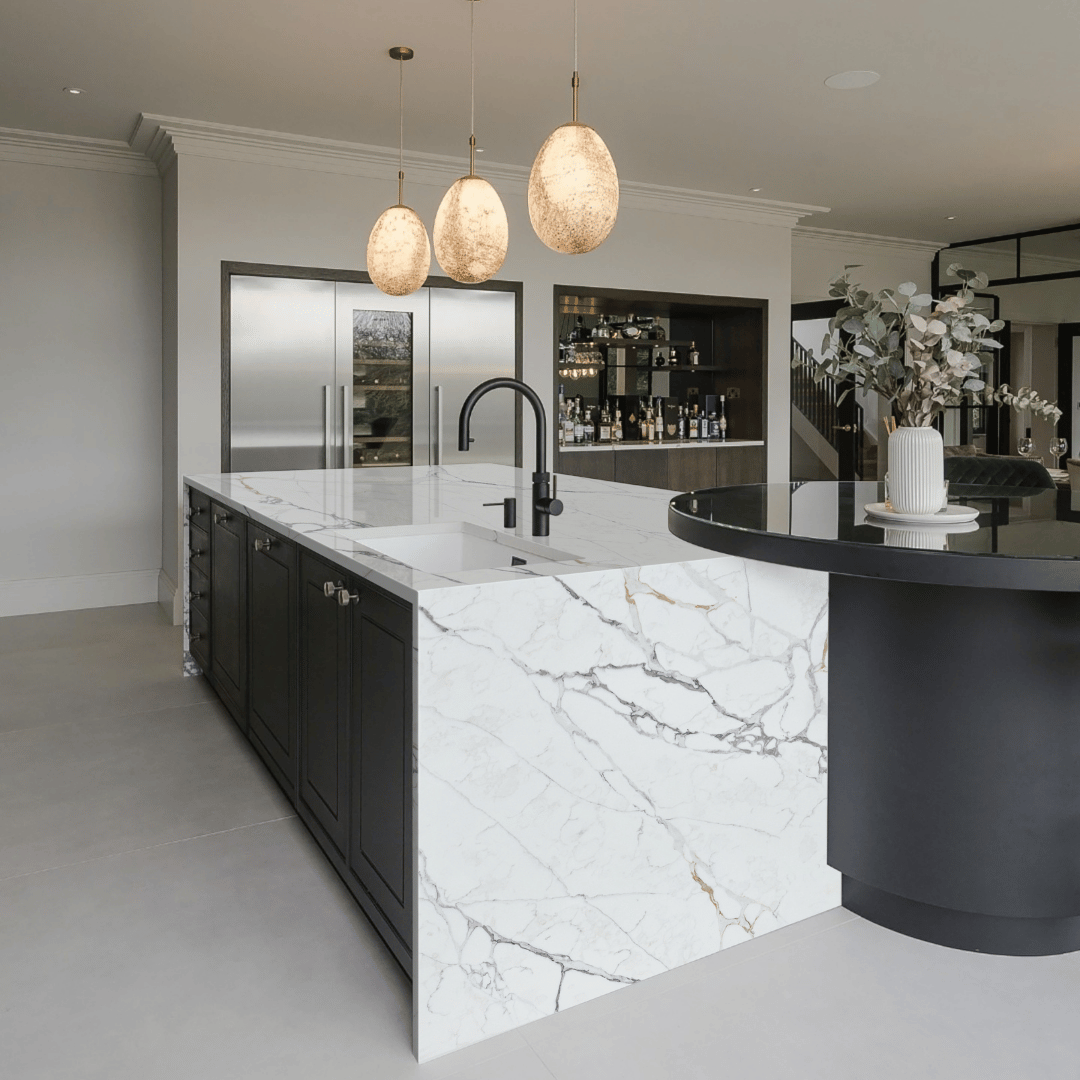
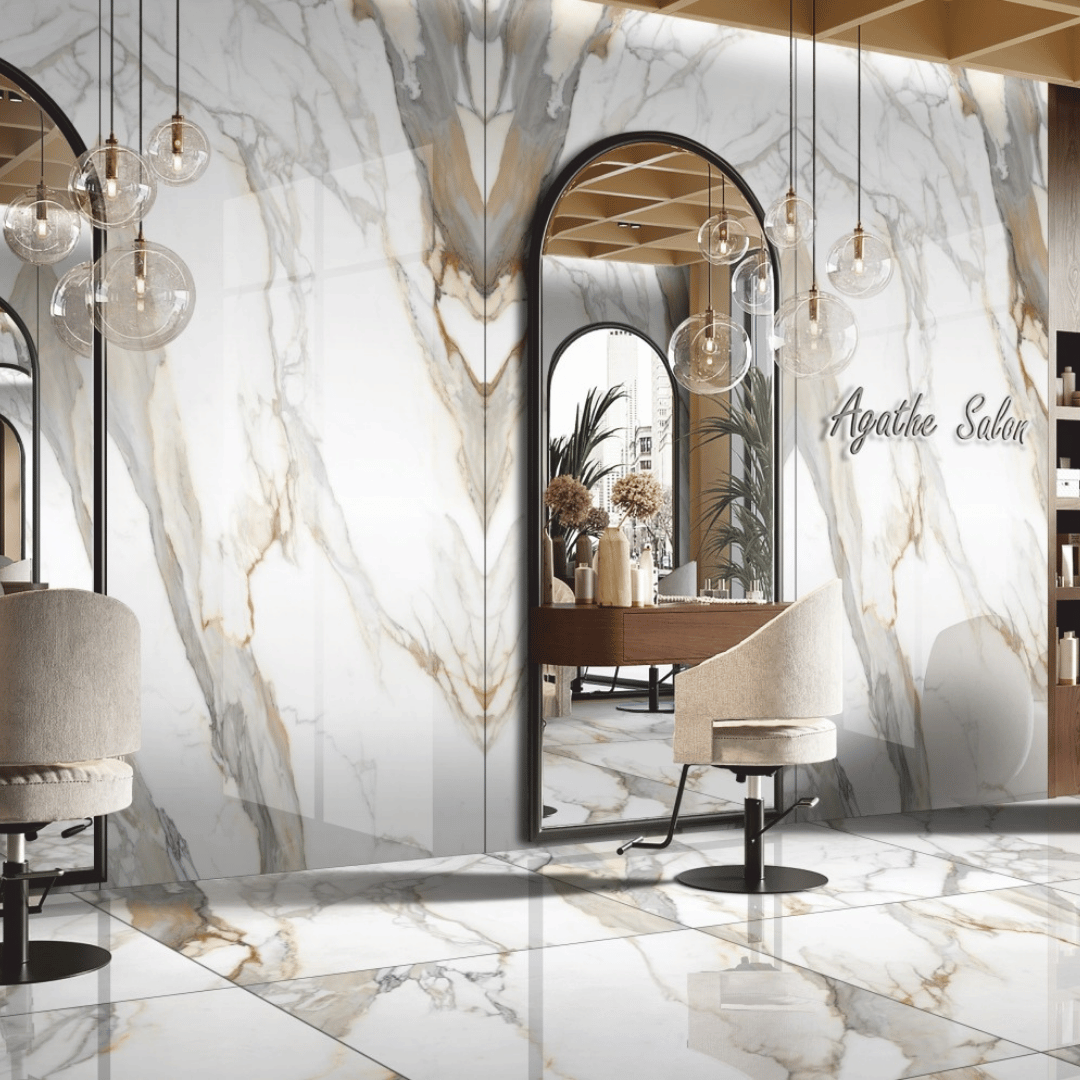
Quartzite offers a unique, organic look with natural veining and color variations that cannot be replicated. Each slab tells a story of its geological journey, making it a stunning centerpiece in any space. For those seeking architectural elegance, quartzite can provide a luxurious, one-of-a-kind aesthetic.
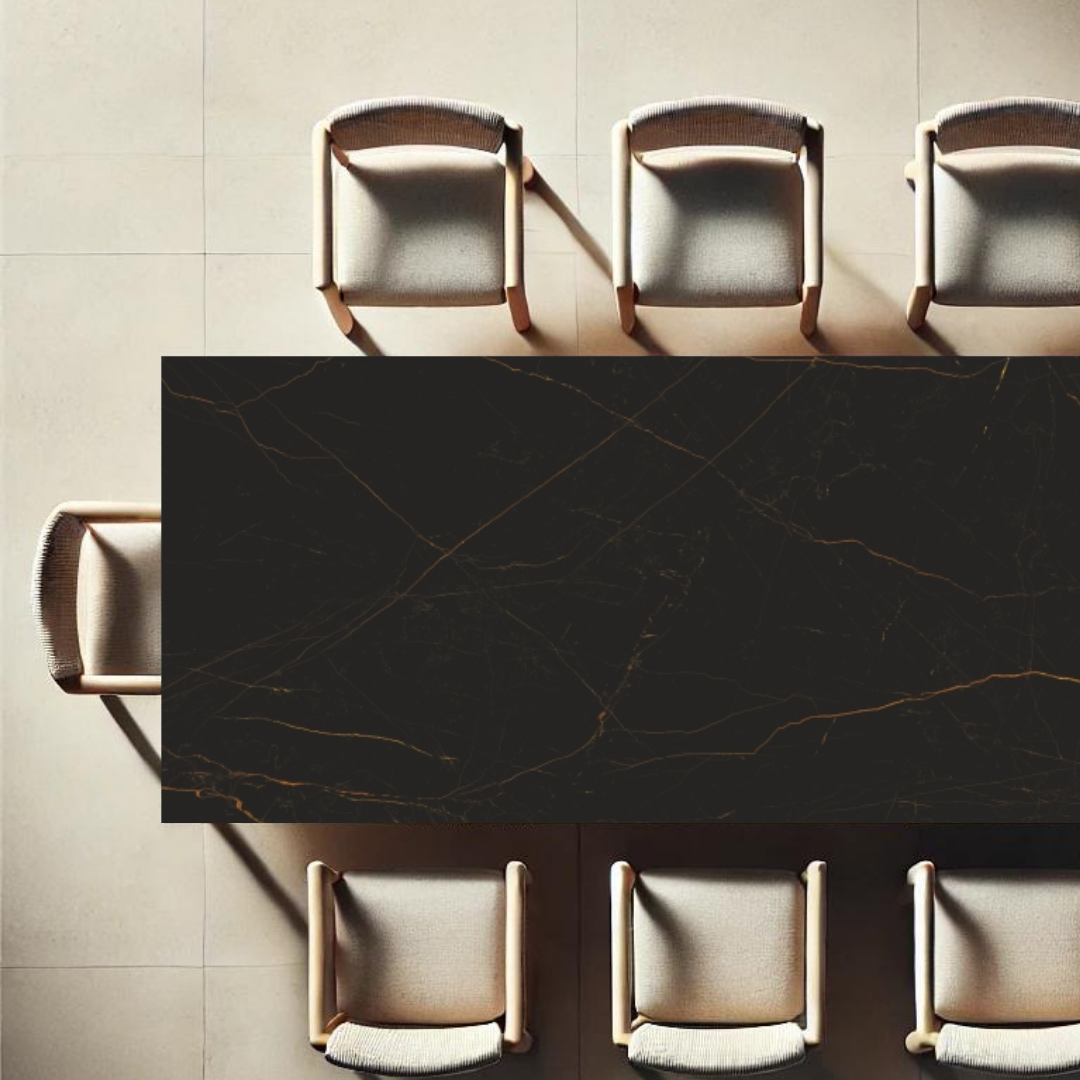
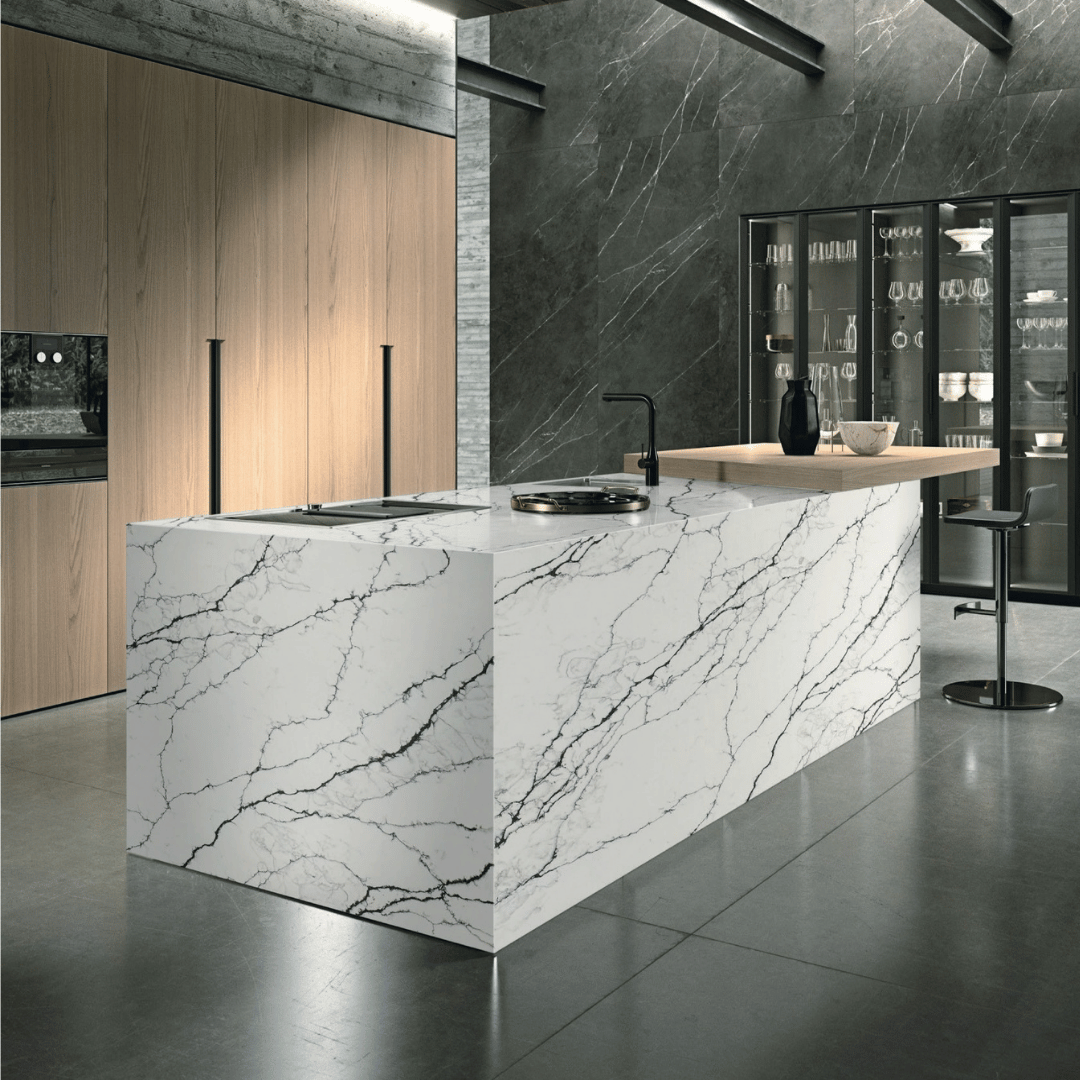
On the other hand, engineered quartz provides a modern, consistent look that appeals to contemporary design sensibilities. Its ability to mimic natural stone patterns, including marble and granite, allows homeowners and designers to achieve desired looks without the maintenance concerns associated with natural materials. The wide range of colors available in engineered quartz also means there is something for every design palette.
Applications and Use Cases for Quartzite and Engineered Quartz
Both quartzite and engineered quartz have distinct applications based on their durability and aesthetic qualities:
- Quartzite: Ideal for high-traffic areas, kitchen countertops, flooring, and outdoor surfaces due to its heat and scratch resistance.
- Engineered Quartz: Best suited for kitchen countertops, bathroom vanities, and backsplashes where stain resistance and a uniform look are desired.
For more insights into the best applications for quartzite slabs, visit our guide on quartzite vs. quartz.
Expert Tips for Choosing the Right Material
Choosing between quartzite and engineered quartz can be challenging. Here are some expert tips to help you make the right decision:
- Assess Your Lifestyle: Consider how you use your surfaces. If you cook frequently and need high heat resistance, quartzite may be the better option.
- Consider Maintenance: If you prefer low maintenance, engineered quartz is a great choice due to its non-porous nature.
- Evaluate Aesthetics: Think about the look you want to achieve. If you desire a unique, natural appearance, quartzite is your best bet.
- Request Samples: Always ask for samples of the materials to see how they look in your space’s lighting.
- Consult a Professional: If you’re unsure, consult with a surface specialist to discuss your specific project needs.
Conclusion
In conclusion, both quartzite slabs and engineered quartz have their unique strengths and appeal. Quartzite stands out for its durability and natural beauty, making it an excellent option for high-traffic areas and those seeking a one-of-a-kind aesthetic. Meanwhile, engineered quartz offers versatility and easy maintenance, making it suitable for a wide range of applications.
Ultimately, your choice will depend on your specific needs and design preferences. If you’re ready to explore our extensive selection of premium quartzite and engineered quartz slabs, contact us today or check our live inventory to find the perfect surface for your next project.
Frequently Asked Questions
1. What is quartzite made of?
Quartzite is a natural metamorphic rock formed from sandstone that has been subjected to heat and pressure, resulting in a dense and durable material.
2. How does engineered quartz differ from quartzite?
Engineered quartz is a man-made material that combines crushed natural quartz crystals with resins and pigments, while quartzite is a natural stone.
3. Which material is more durable: quartzite or engineered quartz?
Quartzite is generally more durable, ranking higher on the Mohs hardness scale, while engineered quartz is slightly less durable but offers superior stain resistance.
4. Can I use quartzite for outdoor surfaces?
Yes, quartzite is an excellent choice for outdoor surfaces due to its durability and heat resistance.
5. How do I maintain quartzite and engineered quartz?
Quartzite requires minimal maintenance, while engineered quartz is very low maintenance due to its non-porous nature.
6. Is engineered quartz available in colors that mimic natural stone?
Yes, engineered quartz can be manufactured in a wide range of colors and patterns, including those that mimic natural stones like marble and granite.
7. What are the best uses for quartzite slabs?
Quartzite slabs are best used for kitchen countertops, flooring, and other high-traffic areas due to their durability.
8. How do I choose between quartzite and engineered quartz for my project?
Consider your lifestyle, maintenance preferences, and desired aesthetics when choosing between quartzite and engineered quartz.