



The Complete Guide to Porcelain Slab Cutting and Fabrication Requirements
The Complete Guide to Porcelain Slab Cutting and Fabrication Requirements
Porcelain slabs have rapidly become a preferred choice for many architectural surfaces due to their durability, aesthetic appeal, and versatility. As a leading porcelain slab supplier in Georgia, Builder Stone Global understands the nuances of cutting and fabricating these high-performance materials. This comprehensive guide will delve into the essential requirements for porcelain slab cutting and fabrication, ensuring that fabricators and designers alike can achieve stunning results in their projects.
Understanding Porcelain Slabs
Porcelain slabs are large-format tiles made from a mixture of natural clay, feldspar, and other materials that undergo a high-temperature firing process. The result is a dense, non-porous material that offers exceptional resistance to stains, scratches, and heat. This makes porcelain slabs ideal for countertops, flooring, walls, and various architectural applications.
Benefits of Using Porcelain Slabs
- Durability: Porcelain is highly resistant to wear and tear, making it suitable for high-traffic areas.
- Design Versatility: Available in various colors, patterns, and finishes, porcelain slabs can mimic natural stone or wood.
- Low Maintenance: Non-porous surfaces do not require sealing and are easy to clean.
Tools and Equipment for Cutting Porcelain Slabs
When it comes to cutting porcelain slabs, having the right tools is crucial for achieving clean, precise cuts. Here are some essential tools and equipment:
1. Wet Saw
A wet saw is a powerful tool designed specifically for cutting tile and stone. The water helps reduce dust and keeps the blade cool, preventing damage to both the tool and the slab.
2. Diamond Blade
Using a diamond blade is essential for cutting through the dense material of porcelain slabs. Ensure that the blade is rated for porcelain to achieve optimal results.
3. Tile Cutter
A manual tile cutter can be handy for smaller jobs or when making straight cuts. This tool allows for precise scoring and snapping of the slab.
4. Angle Grinder
For intricate cuts or shaping edges, an angle grinder equipped with a diamond blade can be used. This tool is ideal for detailed work.
5. Safety Gear
Always wear appropriate safety gear, including goggles, gloves, and a dust mask, to protect yourself during the cutting process.
Step-by-Step Guide to Cutting Porcelain Slabs
To ensure a successful cutting process, follow these steps:
Step 1: Measure and Mark
Accurate measurements are crucial. Use a tape measure to determine the dimensions needed for your project. Mark the cut line clearly with a pencil or chalk.
Step 2: Set Up the Wet Saw
Fill the wet saw’s reservoir with water. Ensure that the blade is installed correctly and that the saw is set up on a stable surface.
Step 3: Make the Cut
Align the marked line with the saw’s guide and begin cutting slowly. Do not force the slab; let the saw do the work for you.
Step 4: Smooth the Edges
After cutting, use an angle grinder or a polishing pad to smooth any rough edges. This will enhance the overall appearance and ensure a proper fit during installation.
Step 5: Clean Up
Once the cutting is complete, clean the workspace and remove any debris. Dispose of waste materials responsibly.
Fabrication Techniques for Porcelain Slabs
Fabrication involves more than just cutting; it includes shaping, finishing, and preparing the slabs for installation. Here are some common fabrication techniques:
1. Edge Profiles
Choosing the right edge profile can significantly impact the aesthetic of the finished product. Common profiles include:
| Edge Profile | Description |
|---|---|
| Beveled | Creates a sharp angle, offering a modern look. |
| Rounded | Softens the edges, making it safer for family environments. |
| Flat | A sleek, contemporary finish that is easy to clean. |
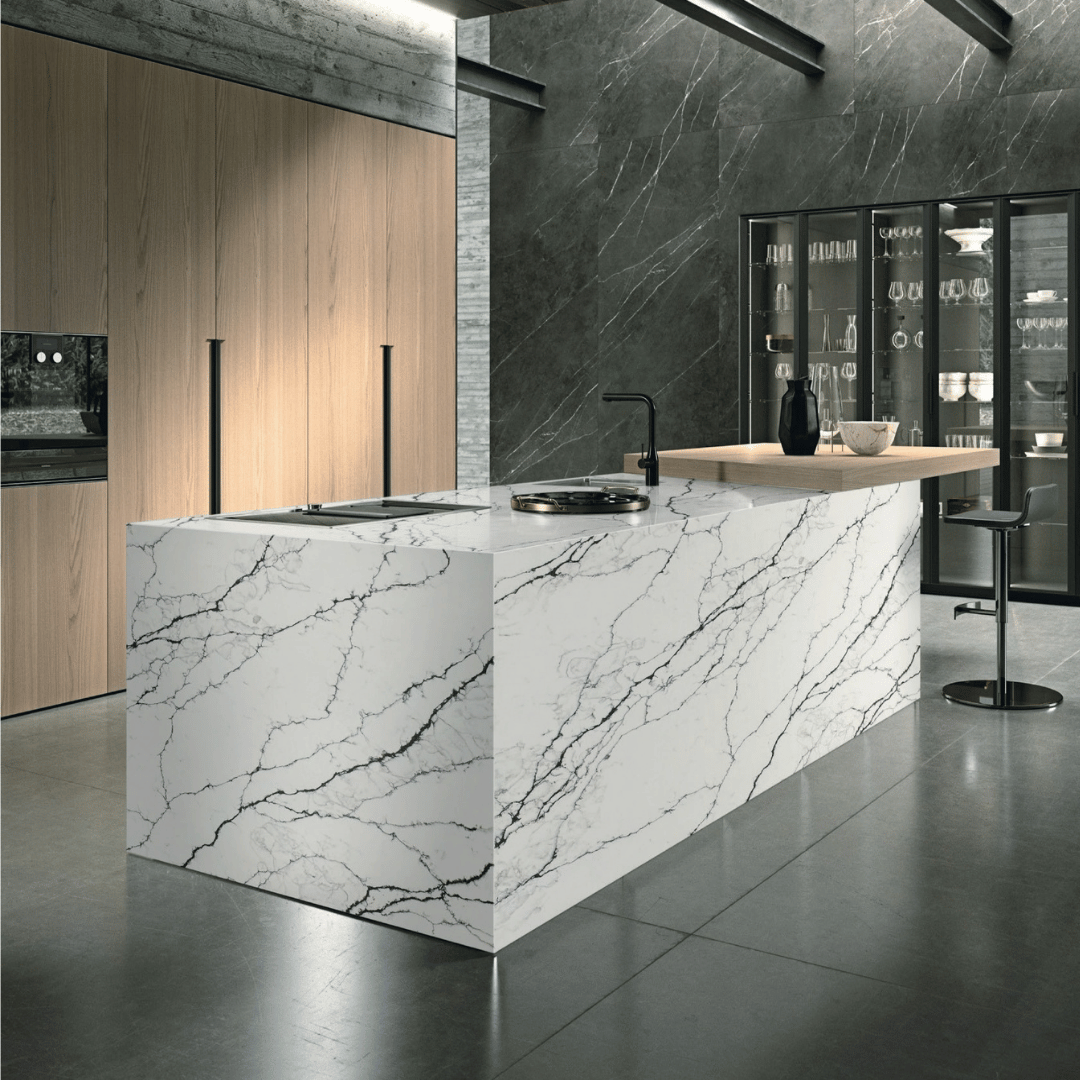
| Waterfall | Provides a seamless transition from countertop to cabinetry. |
2. Drilling Holes
When fabricating porcelain slabs for sinks or fixtures, proper drilling techniques are essential. Use a diamond core bit and apply water to cool the bit during the drilling process.
3. Surface Finishing
Polishing the surface of porcelain slabs enhances their visual appeal. Depending on the desired finish, you can achieve a matte, polished, or textured surface.
Common Mistakes in Porcelain Slab Cutting
Even experienced fabricators can make mistakes. Here are some common pitfalls to avoid:
1. Inaccurate Measurements
Always double-check measurements before cutting. A small error can lead to significant issues during installation.
2. Using the Wrong Blade
Ensure that the diamond blade is suitable for porcelain. Using the wrong type can result in chipping or uneven cuts.
3. Not Wearing Safety Gear
Safety should always be a priority. Neglecting to wear safety equipment can lead to serious injuries.
Maintenance and Care for Porcelain Surfaces
After cutting and fabricating porcelain slabs, proper maintenance is essential for longevity. Here are some tips:
1. Regular Cleaning
Use a pH-balanced cleaner and a soft cloth to wipe down surfaces. Avoid harsh chemicals that can damage the finish.
2. Avoid Heavy Impacts
While porcelain is durable, heavy objects can chip or crack the surface. Use caution when placing items on countertops.
3. Periodic Inspections
Regularly inspect surfaces for any signs of wear or damage. Address any issues promptly to prevent further complications.
Conclusion
Cutting and fabricating porcelain slabs requires precision, the right tools, and a solid understanding of the material. By following the guidelines outlined in this guide, fabricators can ensure high-quality results that reflect the premium quality of their work. For those looking to explore a wide range of porcelain slabs, check our live inventory or contact our surface specialists for personalized assistance.
Frequently Asked Questions
1. What is the best tool for cutting porcelain slabs?
The best tool for cutting porcelain slabs is a wet saw equipped with a diamond blade specifically designed for porcelain. This ensures clean and precise cuts.
2. Can I use a tile cutter for porcelain slabs?
Yes, a manual tile cutter can be used for porcelain slabs, especially for straight cuts. However, for larger slabs or intricate cuts, a wet saw is recommended.
3. How do I prevent chipping when cutting porcelain?
To prevent chipping, ensure you use a diamond blade rated for porcelain and cut at a slow, steady pace. Using a wet saw can also minimize chipping.
4. What are the common edge profiles for porcelain slabs?
Common edge profiles for porcelain slabs include beveled, rounded, flat, and waterfall edges. Each offers a different aesthetic appeal.
5. How do I maintain porcelain surfaces?
Maintain porcelain surfaces by regularly cleaning with a pH-balanced cleaner and a soft cloth. Avoid harsh chemicals and heavy impacts to preserve the finish.
6. Can porcelain slabs be used outdoors?
Yes, porcelain slabs are suitable for outdoor use due to their durability and resistance to heat and moisture.
7. What is the difference between porcelain and ceramic slabs?
Porcelain slabs are denser and less porous than ceramic slabs, making them more durable and resistant to staining and scratching.
8. Is it necessary to seal porcelain slabs?
No, porcelain slabs are non-porous and do not require sealing, making them low maintenance compared to other materials.