How Porcelain Slab Surface Textures Create Realistic Stone, Wood, and Concrete Appearances
How Porcelain Slab Surface Textures Create Realistic Stone, Wood, and Concrete Appearances
In the world of architectural design, the quest for materials that seamlessly blend beauty with functionality is perpetual. Among the frontrunners in this pursuit are porcelain slabs, renowned not only for their durability but also for their remarkable ability to mimic the aesthetics of natural stone, wood, and concrete. This article will delve into how porcelain slab surface textures achieve these realistic appearances, providing insights into their manufacturing processes, design versatility, and practical applications in both residential and commercial spaces. As a trusted quartz slab distributor in Norcross, GA, Builder Stone Global offers an extensive range of premium porcelain slabs that embody these qualities, making them a popular choice among architects, designers, and homeowners alike.
Understanding Porcelain Slabs
Porcelain slabs are a type of ceramic material, made from a mixture of high-quality clay, sand, and other minerals. They are fired at extremely high temperatures, resulting in a dense and durable product that is less porous than traditional ceramics. This unique composition allows porcelain slabs to be used in a variety of applications, from countertops to flooring and wall cladding. Their ability to mimic the appearance of natural materials while offering superior performance makes them an attractive option in modern design.
The Manufacturing Process of Porcelain Slabs
The manufacturing process of porcelain slabs is crucial in achieving their realistic textures. It involves several key steps:
- Raw Material Selection: High-quality clay and minerals are selected to ensure durability and aesthetic appeal.
- Mixing: The raw materials are blended to create a uniform mixture that will form the base of the porcelain slab.
- Pressing: The mixture is pressed into large slabs using hydraulic presses, creating a dense and compact product.
- Firing: The slabs are then fired at temperatures exceeding 1200°C, which vitrifies the material and enhances its strength.
- Surface Treatment: After firing, the slabs undergo various surface treatments to create textures that mimic natural stone, wood, or concrete. This can include polishing, honing, or applying specific finishes.
This meticulous process not only enhances the aesthetic qualities of porcelain slabs but also contributes to their durability and resistance to wear and tear.
Surface Textures and Their Realistic Effects
One of the most compelling features of porcelain slabs is their ability to replicate the textures of natural materials. This is achieved through advanced printing technologies and surface treatments. Below are some common textures and their realistic effects:
1. Stone Textures
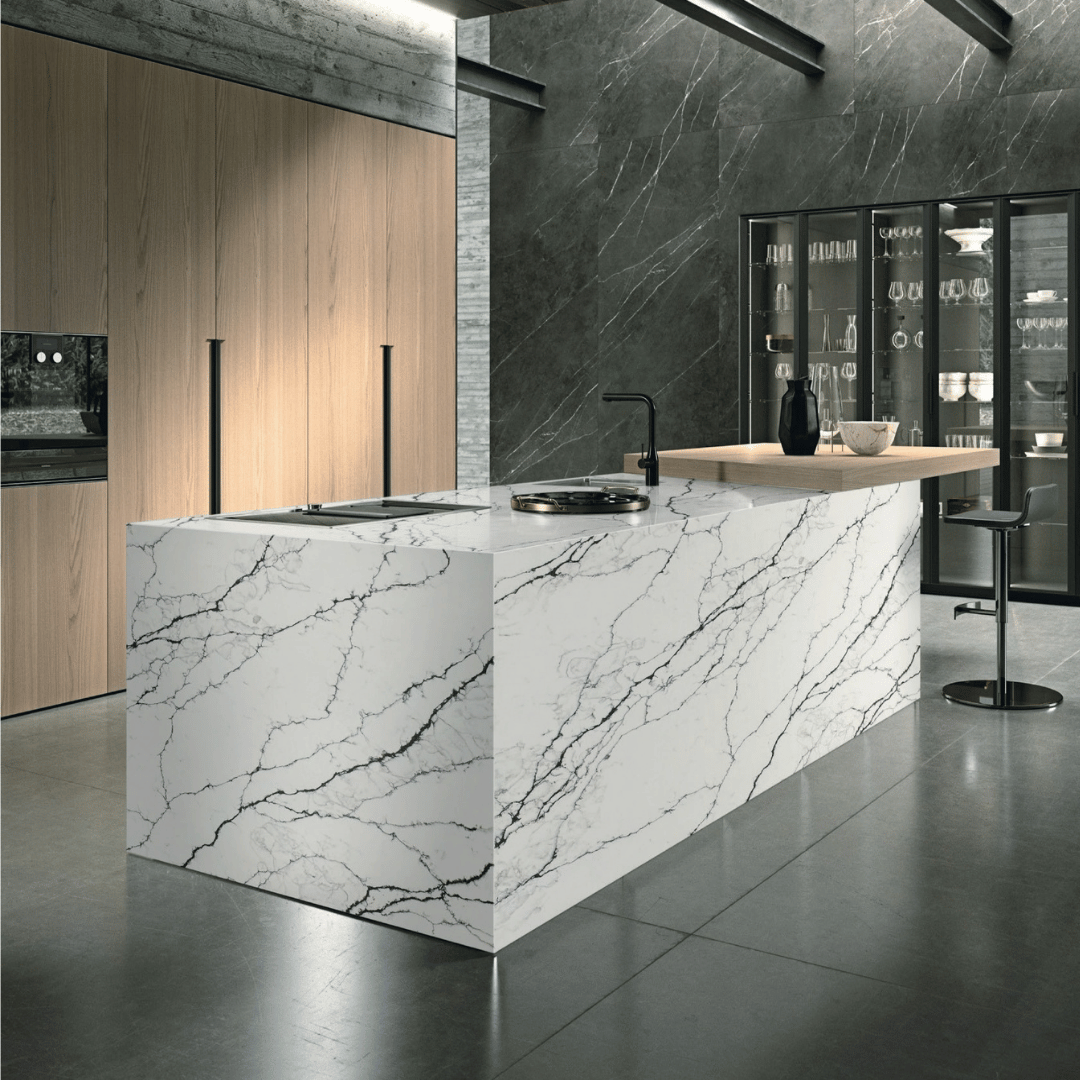
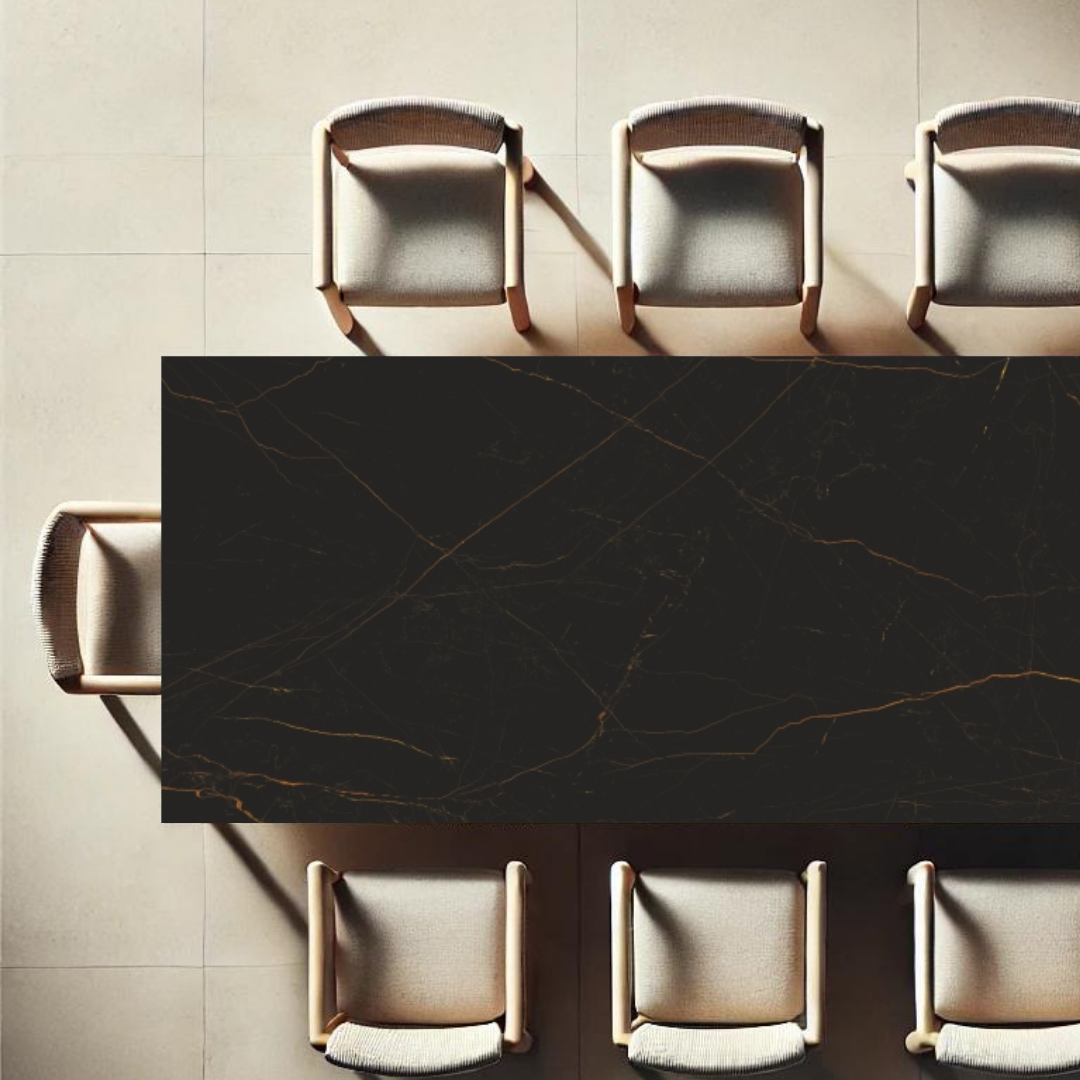
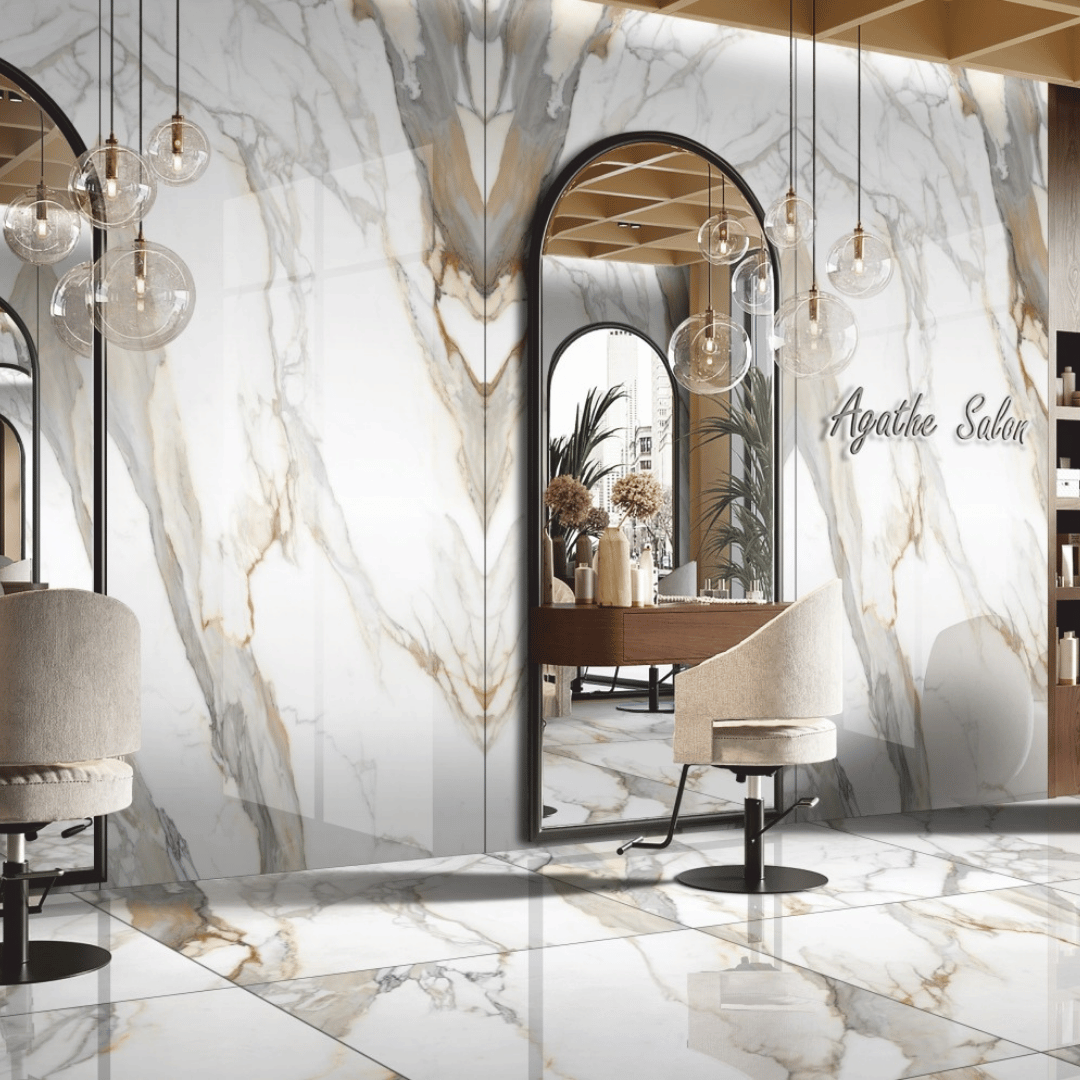
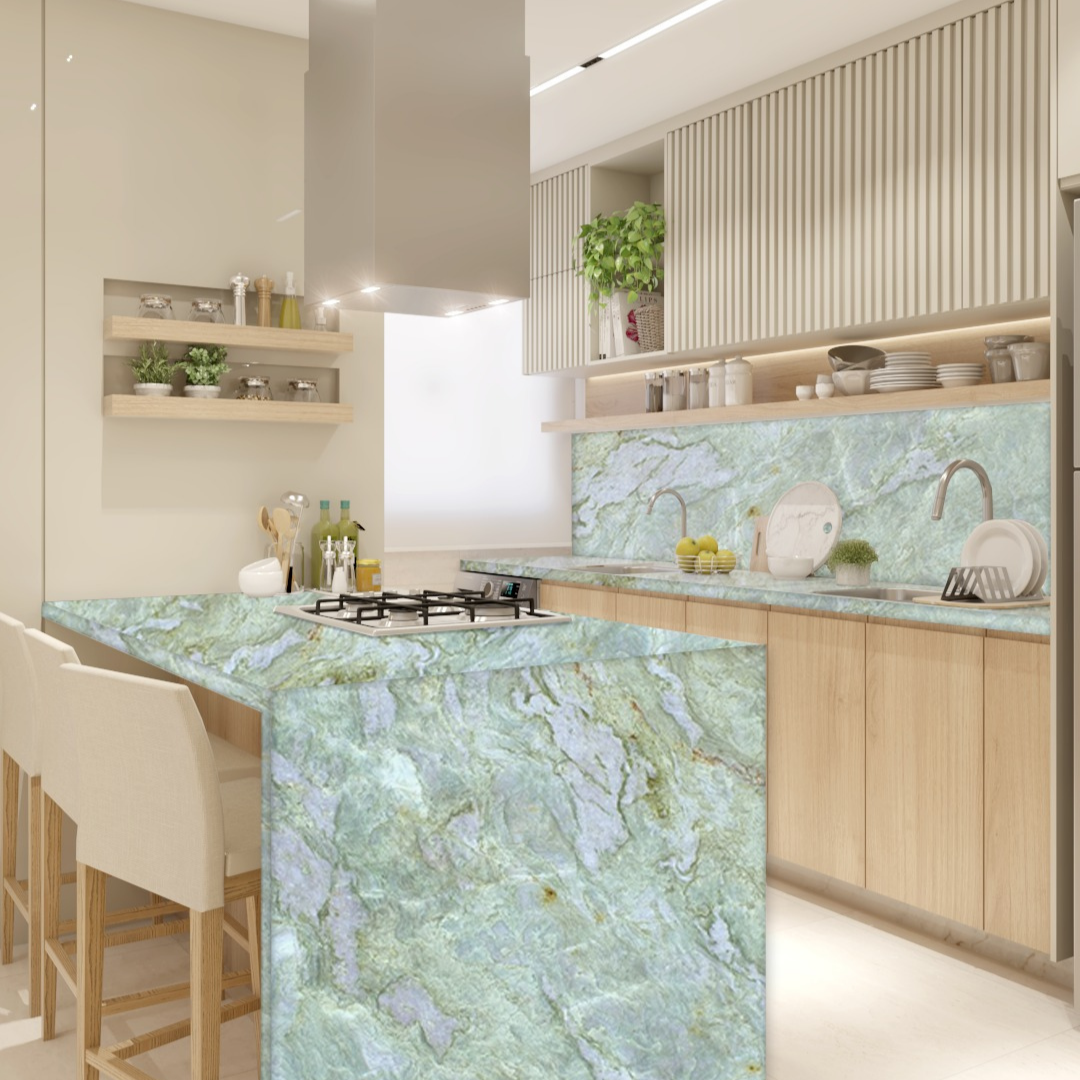
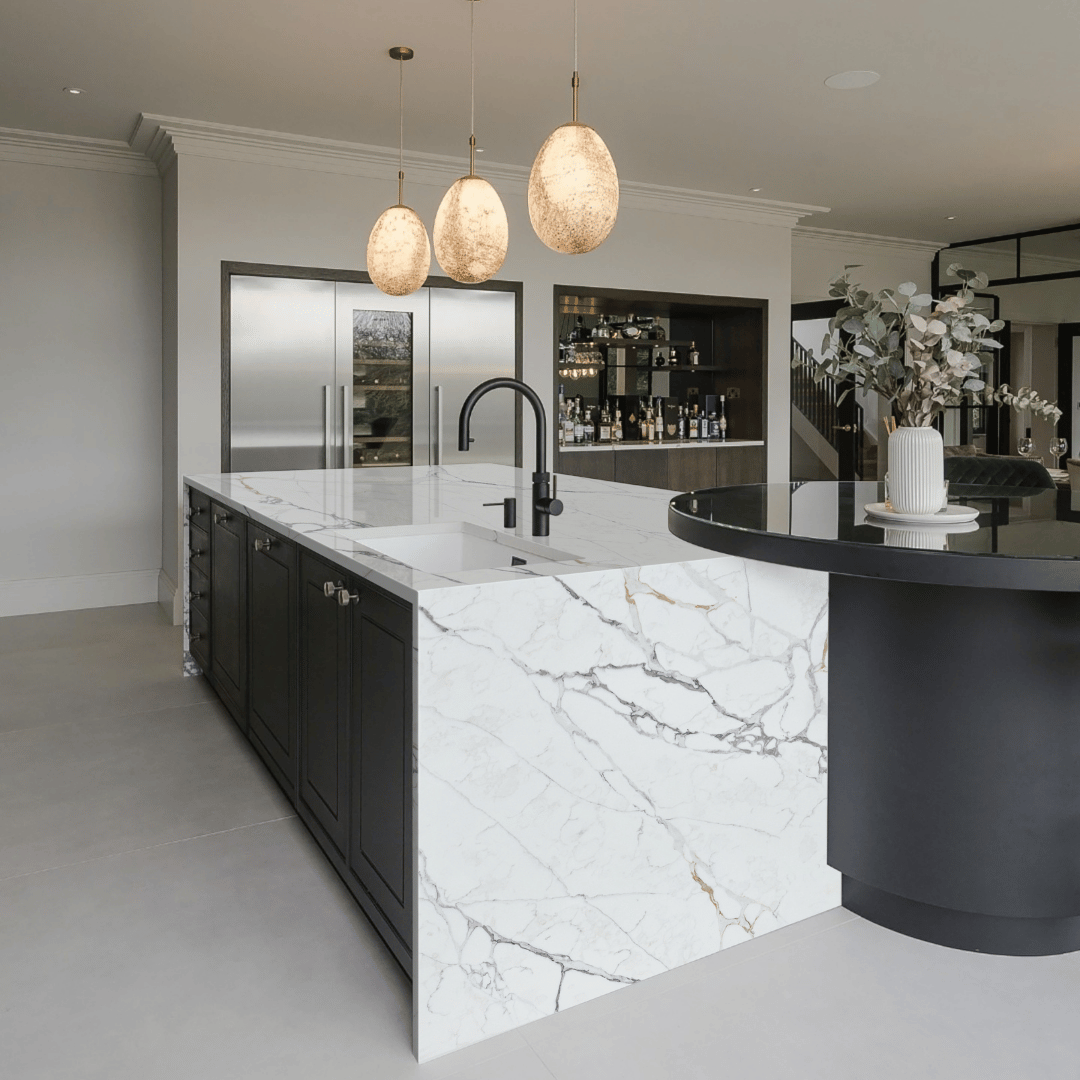
Porcelain slabs can mimic various types of stone, such as marble, granite, and quartzite. Using digital printing technology, manufacturers can recreate the intricate veining and color variations found in natural stones. The result is a slab that not only looks like stone but also retains the durability and low maintenance of porcelain.
2. Wood Textures
Wood-look porcelain slabs capture the warmth and character of natural wood without the drawbacks of traditional timber. The textures can range from smooth finishes that resemble polished hardwood to rougher surfaces that mimic reclaimed wood. This versatility allows designers to achieve a rustic or contemporary look in any space.
3. Concrete Textures
Concrete-inspired porcelain slabs are perfect for modern industrial designs. They can replicate the raw, textured appearance of concrete while offering the benefits of a non-porous surface that is easy to clean and maintain. These slabs can be used for countertops, flooring, and even wall applications, providing a cohesive design aesthetic.
Comparing Porcelain with Natural Materials
When considering materials for design projects, it’s essential to understand how porcelain slabs stack up against natural materials like stone and wood. The following table provides a comparison of key attributes:
| Attribute | Porcelain Slabs | Natural Stone | Wood |
|---|---|---|---|
| Durability | Highly durable and resistant to scratches, stains, and moisture | Durable but can be porous and prone to staining | Less durable; susceptible to scratches and moisture damage |
| Maintenance | Low maintenance; easy to clean | Requires sealing and maintenance to prevent staining | Requires regular sealing and care to maintain appearance |
| Cost | Generally less expensive than high-end natural stones | Can be costly, especially for rare types | Varies widely; high-quality wood can be expensive |
| Appearance | Can replicate a variety of natural looks | Unique, natural variations | Warm, organic feel |
This comparison highlights the benefits of porcelain slabs, especially when it comes to durability and maintenance, making them a practical choice for both residential and commercial applications.
Applications of Porcelain Slabs
Porcelain slabs are incredibly versatile and can be used in various applications, including:
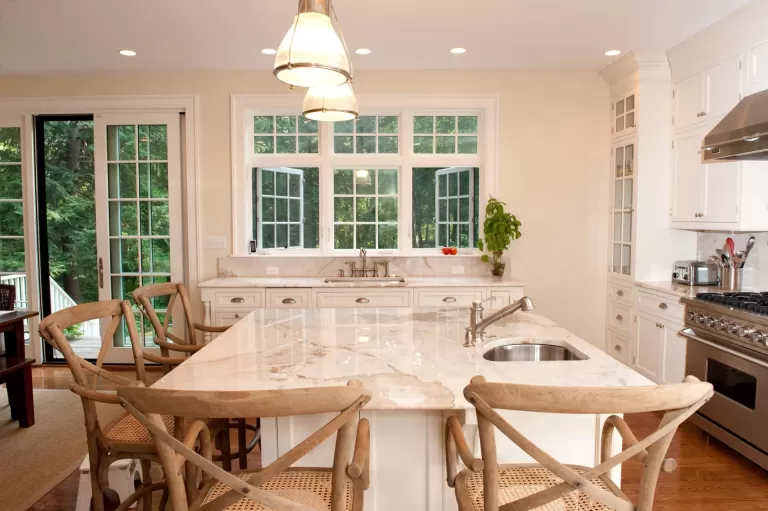
- Countertops: Ideal for kitchens and bathrooms due to their resistance to stains and moisture.
- Flooring: Available in large formats, porcelain slabs provide a seamless look that’s easy to maintain.
- Wall Cladding: Perfect for creating feature walls in residential and commercial spaces.
- Outdoor Spaces: Certain porcelain slabs are designed for outdoor use, providing a durable surface for patios and walkways.
With such a wide range of applications, porcelain slabs are becoming a go-to choice for designers looking to combine aesthetic appeal with practicality.
Maintenance and Care for Porcelain Surfaces
While porcelain slabs are known for their durability, proper care is essential to maintain their appearance. Here are some expert tips for keeping your porcelain surfaces in top condition:
- Regular Cleaning: Use a mild detergent and warm water for routine cleaning. Avoid harsh chemicals that can damage the surface.
- Prevent Scratches: Use cutting boards and mats to protect the surface from scratches and abrasions.
- Sealants: Unlike natural stones, porcelain does not require sealing, but applying a sealant can enhance its longevity.
- Heat Resistance: Porcelain slabs are heat resistant, but it’s wise to use trivets for hot pots and pans to avoid thermal shock.
Expert Tips for Choosing the Right Porcelain Slab
Here are some additional factors to consider:
- Texture: Choose a texture that complements your design style. For sleek, modern designs, opt for polished finishes; for rustic looks, consider textured surfaces.
- Thickness: Porcelain slabs come in various thicknesses; choose a thickness that suits your application, whether for countertops, flooring, or wall cladding.
- Color and Pattern: Look for colors and patterns that harmonize with your overall design scheme. Don’t hesitate to request samples to see how they look in your space.
Conclusion
Porcelain slabs are revolutionizing the design industry with their ability to replicate the beauty of natural materials while offering enhanced durability and low maintenance. With a wide variety of textures available, they provide endless possibilities for creating stunning spaces. As a leading porcelain slab supplier in Georgia, Builder Stone Global is committed to providing high-performance surfaces that meet the highest standards of quality and design. Whether you’re an architect, designer, or homeowner, incorporating porcelain slabs into your projects can elevate your design vision.
FAQs
1. What are porcelain slabs made of?
Porcelain slabs are made from a mixture of high-quality clay, sand, and other minerals, fired at high temperatures to create a dense and durable product.
2. How do porcelain slabs compare to natural stone?
Porcelain slabs are generally more durable and less porous than natural stone, making them easier to maintain. They can also replicate the look of various natural stones.
3. Can porcelain slabs be used outdoors?
Yes, certain porcelain slabs are designed specifically for outdoor use and can withstand various weather conditions.
4. How do I maintain my porcelain slab surfaces?
Regular cleaning with mild detergent and warm water is recommended. Avoid harsh chemicals and use cutting boards to prevent scratches.
5. Are porcelain slabs heat resistant?
Yes, porcelain slabs are heat resistant, but it’s advisable to use trivets for hot pots and pans to prevent thermal shock.
6. Can I find unique textures in porcelain slabs?
Absolutely! Porcelain slabs come in a variety of textures that mimic natural materials like stone, wood, and concrete.
7. How do I choose the right porcelain slab for my project?
Consider factors such as texture, thickness, color, and pattern that align with your design style and application needs.
8. Where can I purchase premium porcelain slabs?
You can explore a wide selection of premium porcelain slabs at Builder Stone Global, your trusted porcelain slab supplier in Norcross, GA.