
Why Porcelain Slab Fire Resistance Makes It the Preferred Material for Fireplace Surrounds
Why Porcelain Slab Fire Resistance Makes It the Preferred Material for Fireplace Surrounds
Updated on August 14, 2026
When it comes to designing a fireplace surround, choosing the right material is crucial for both aesthetic appeal and functional performance. Among the various options available, porcelain slabs stand out as the preferred choice, primarily due to their exceptional fire resistance. This article delves into the reasons why porcelain slabs are ideal for fireplace surrounds, highlighting their durability, safety features, and design versatility.
What is Porcelain Slab?
Porcelain slabs are large-format tiles made from a mixture of natural clay, feldspar, and other minerals, which are fired at extremely high temperatures. This process results in a dense, durable material that is not only aesthetically pleasing but also incredibly functional. Porcelain is known for its low porosity, making it resistant to stains, scratches, and moisture, which is ideal for high-traffic areas and environments exposed to heat.
Fire Resistance Properties of Porcelain Slabs
One of the standout features of porcelain slabs is their remarkable fire resistance. Unlike many other materials, porcelain does not burn, melt, or emit toxic fumes when exposed to high temperatures. According to the National Fire Protection Association (NFPA), materials like porcelain are classified as non-combustible, making them a safe choice for fireplace surrounds.
In fact, porcelain slabs can withstand temperatures exceeding 1,400°F (760°C) without any degradation in quality or appearance. This is particularly important in a fireplace setting, where direct exposure to flames and heat can be a concern. The fire resistance properties of porcelain slabs ensure not only the safety of your home but also the longevity of the material.
Testing Standards and Certifications
Porcelain slabs often undergo rigorous testing to meet fire safety standards set by organizations such as ASTM International and Underwriters Laboratories (UL). These certifications validate their performance in terms of fire resistance, ensuring that they can withstand the high temperatures typically found in fireplace environments.
Advantages of Using Porcelain for Fireplace Surrounds
Choosing porcelain slabs for your fireplace surround offers numerous advantages beyond fire resistance:
- Durability: Porcelain is incredibly resilient, making it resistant to chips, cracks, and wear. This durability ensures that your fireplace surround will maintain its beauty and functionality over time.
- Low Maintenance: Unlike natural stone or wood, porcelain requires minimal maintenance. A simple wipe with a damp cloth is often sufficient to keep it looking pristine.
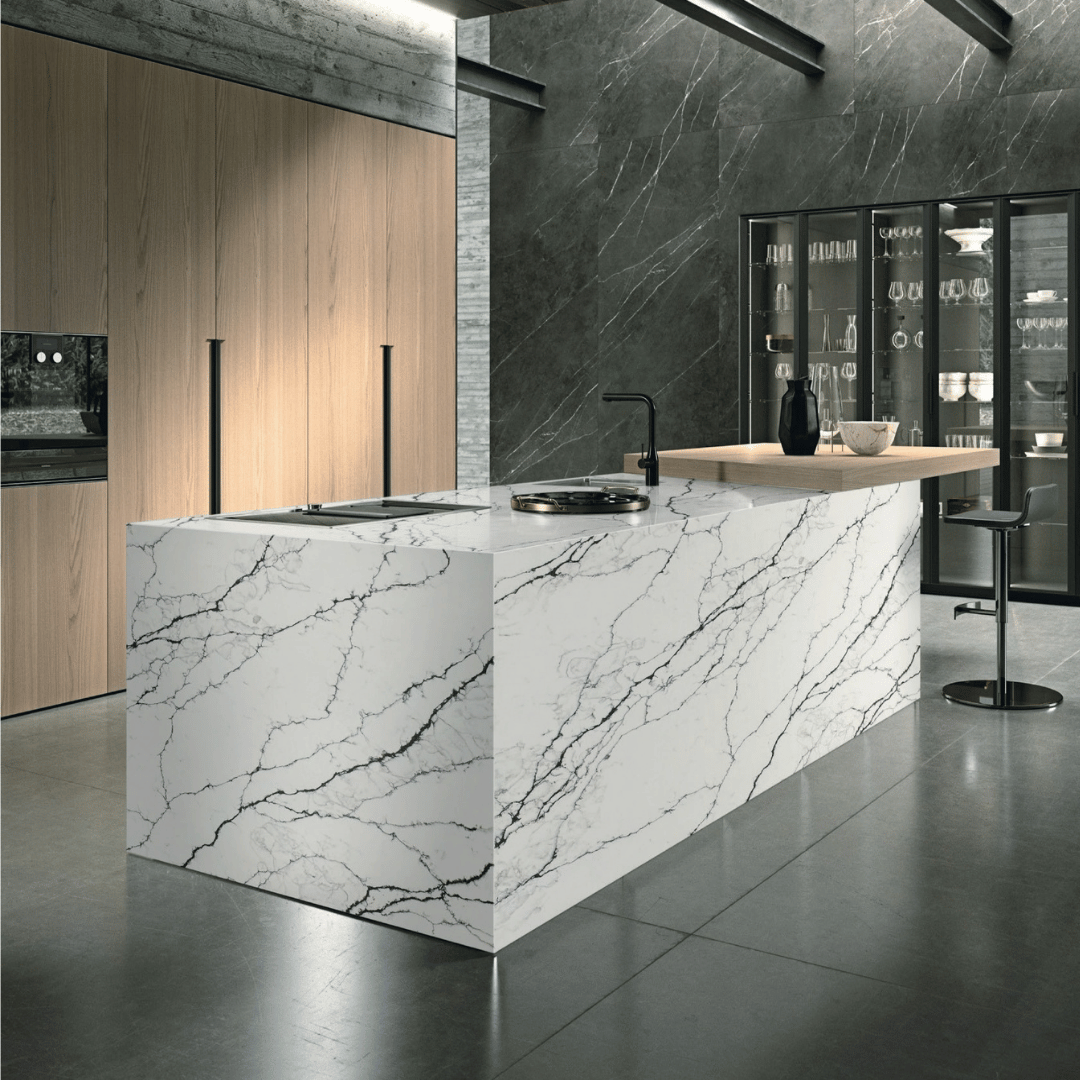
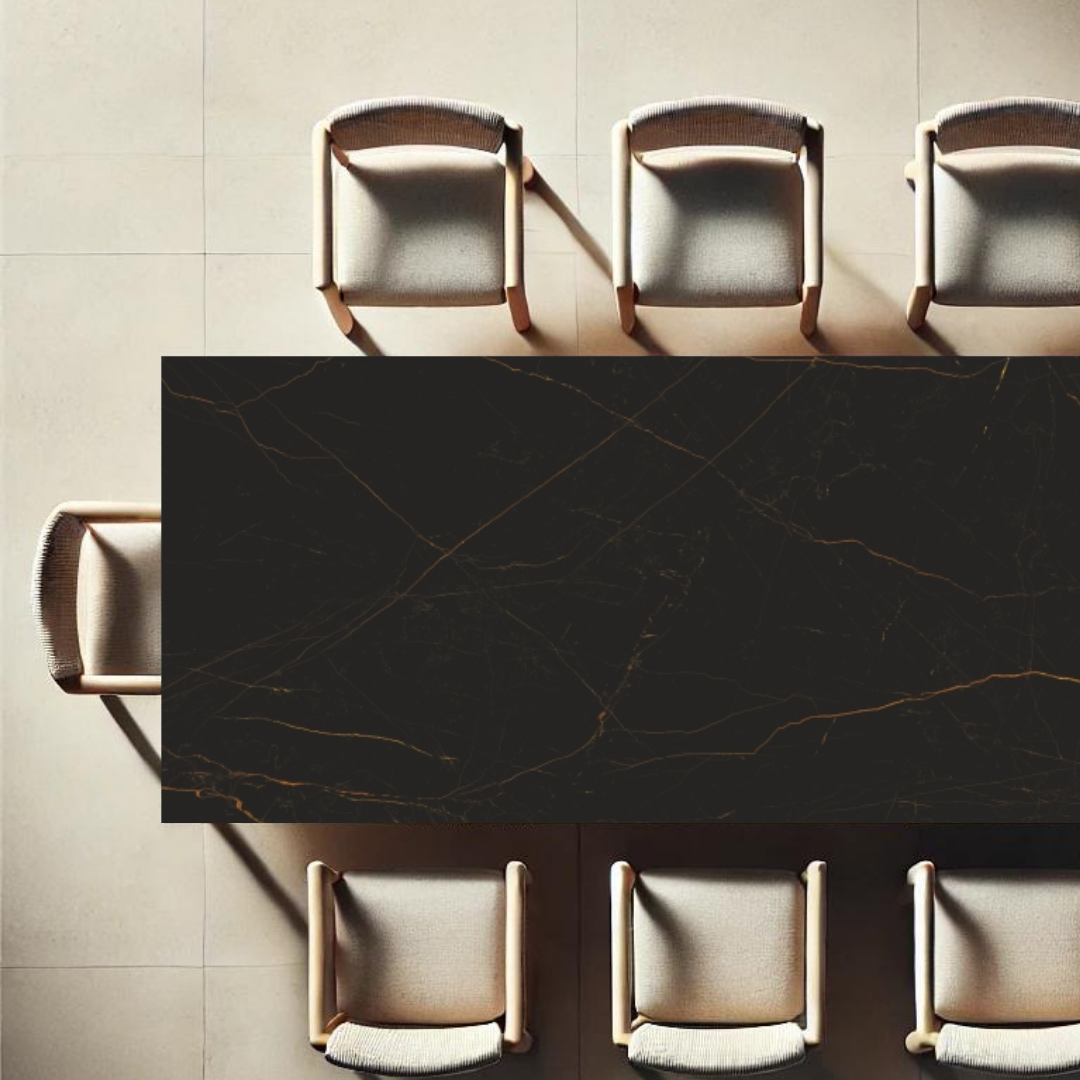
- Design Versatility: Porcelain slabs come in a wide range of colors, patterns, and finishes, allowing homeowners to achieve their desired aesthetic. From sleek modern designs to rustic looks, porcelain can complement any style.
- Eco-Friendly: Many porcelain manufacturers use sustainable practices in their production processes, making porcelain an environmentally friendly choice for your home.
- Cost-Effectiveness: While the initial investment may be higher than some other materials, the long-term savings in maintenance and replacement costs make porcelain a wise financial choice.
Comparing Porcelain with Other Materials
When it comes to fireplace surrounds, homeowners often weigh the pros and cons of various materials. Below is a comparison table highlighting the key differences between porcelain slabs and other common materials:
| Material | Fire Resistance | Durability | Maintenance | Cost |
|---|---|---|---|---|
| Porcelain Slabs | Non-combustible, withstands high temps | Highly durable, resistant to scratches | Low maintenance, easy to clean | Moderate to high initial cost |
| Granite | Heat resistant, but can crack under extreme heat | Very durable, but porous | Requires sealing, more maintenance | Moderate to high initial cost |
| Marble | Heat resistant, but can discolor with heat | Less durable, prone to scratches | High maintenance, requires sealing | High initial cost |
| Wood | Combustible, not recommended for direct heat | Durable, but can warp | High maintenance, prone to damage | Low to moderate initial cost |
Expert Insights
Maintenance and Care of Porcelain Slabs
Maintaining porcelain slabs is straightforward, thanks to their low porosity and resistance to stains. Here are some tips for keeping your fireplace surround in top condition:
- Regular Cleaning: Use a damp cloth and mild detergent to wipe down the surface regularly. Avoid harsh chemicals that can damage the finish.
- Avoid Abrasive Tools: When cleaning, steer clear of steel wool or abrasive pads that can scratch the surface.
- Seal if Necessary: While most porcelain slabs do not require sealing, check with your supplier to ensure optimal maintenance for your specific product.
Choosing the Right Porcelain Slab for Your Fireplace
Selecting the perfect porcelain slab for your fireplace surround involves several considerations:
- Style: Determine the overall aesthetic you want to achieve. Consider colors and patterns that complement your home’s design.
- Thickness: Porcelain slabs come in various thicknesses. Thicker slabs may offer better durability and performance.
- Finish: Choose between matte, polished, or textured finishes based on your design preferences and maintenance considerations.
- Supplier Reputation: Work with a reputable supplier like Builder Stone Global, known for their premium quality porcelain slabs and extensive inventory.
To explore our collection, check our live inventory or contact us for personalized assistance from our surface specialists.
Frequently Asked Questions
1. What makes porcelain slabs fire-resistant?
Porcelain slabs are fired at high temperatures, making them non-combustible and able to withstand extreme heat without degrading.
2. Can porcelain slabs crack under heat?
While porcelain is highly durable, extreme temperature changes can sometimes cause cracking. It’s essential to choose high-quality slabs and avoid sudden temperature shifts.
3. How do I clean porcelain slabs?
Use a damp cloth and mild detergent for regular cleaning. Avoid abrasive tools that can scratch the surface.
4. Are porcelain slabs suitable for outdoor fireplaces?
Yes, porcelain slabs can be used for outdoor fireplaces, provided they are designed for exterior use and can withstand weather elements.
5. How do porcelain slabs compare to granite for fireplaces?
Porcelain slabs offer better fire resistance and lower maintenance than granite, which is porous and requires sealing.
6. What thickness of porcelain slab should I choose for my fireplace?
Thicker slabs generally offer better durability and performance. Consult with your supplier for recommendations based on your design and usage.
7. Can I install porcelain slabs myself?
While DIY installation is possible, it’s recommended to hire professionals for precise cutting and fitting, ensuring optimal results.
8. Where can I find premium porcelain slabs in Georgia?
Builder Stone Global is your go-to source for premium porcelain slabs in Norcross, GA. Visit our showroom or check our live inventory.
Conclusion
Porcelain slabs are the ideal choice for fireplace surrounds due to their unmatched fire resistance, durability, and design versatility. By selecting high-quality porcelain from reputable suppliers like Builder Stone Global, homeowners can achieve both safety and aesthetic appeal in their living spaces. For personalized advice and to explore our extensive inventory of premium slabs, contact us today.