
Understanding Natural Color Variation in Quartzite Slab Selection
Understanding Natural Color Variation in Quartzite Slab Selection
Choosing the right quartzite slab for your project is not just about aesthetics; it requires a deep understanding of the natural color variations inherent in this beautiful stone. As a premium quartz, porcelain, and natural stone slab distributor, Builder Stone Global recognizes that the selection process can be daunting. With our extensive inventory and expertise, we aim to guide you through the nuances of quartzite color variation, ensuring your project achieves architectural elegance and high-performance surface quality.
This article will explore why understanding natural color variation is essential when selecting quartzite slabs, the factors influencing color differences, and practical tips for making informed decisions. By the end, you’ll be equipped with the knowledge to select the perfect quartzite slab that aligns with your design vision.
The Beauty of Quartzite: An Overview
Quartzite is a metamorphic rock that originates from sandstone, undergoing intense heat and pressure that transforms its mineral composition. The result is a dense and durable stone that is not only visually stunning but also highly functional for a variety of applications, including countertops, flooring, and wall cladding.
Known for its strength and resistance to heat and scratching, quartzite is an ideal choice for both residential and commercial projects. Its natural beauty, characterized by unique patterns and colors, makes it a sought-after material in architectural design. However, this beauty comes with the complexity of color variation, which can significantly impact the final look of your installation.
Understanding Natural Color Variation
Natural color variation in quartzite is a result of the geological processes that shape the stone. Unlike man-made materials, quartzite is formed over millions of years, leading to a wide array of colors and patterns that can vary even within the same slab. This variability is influenced by several factors, including mineral content, location of origin, and the specific conditions under which the stone was formed.
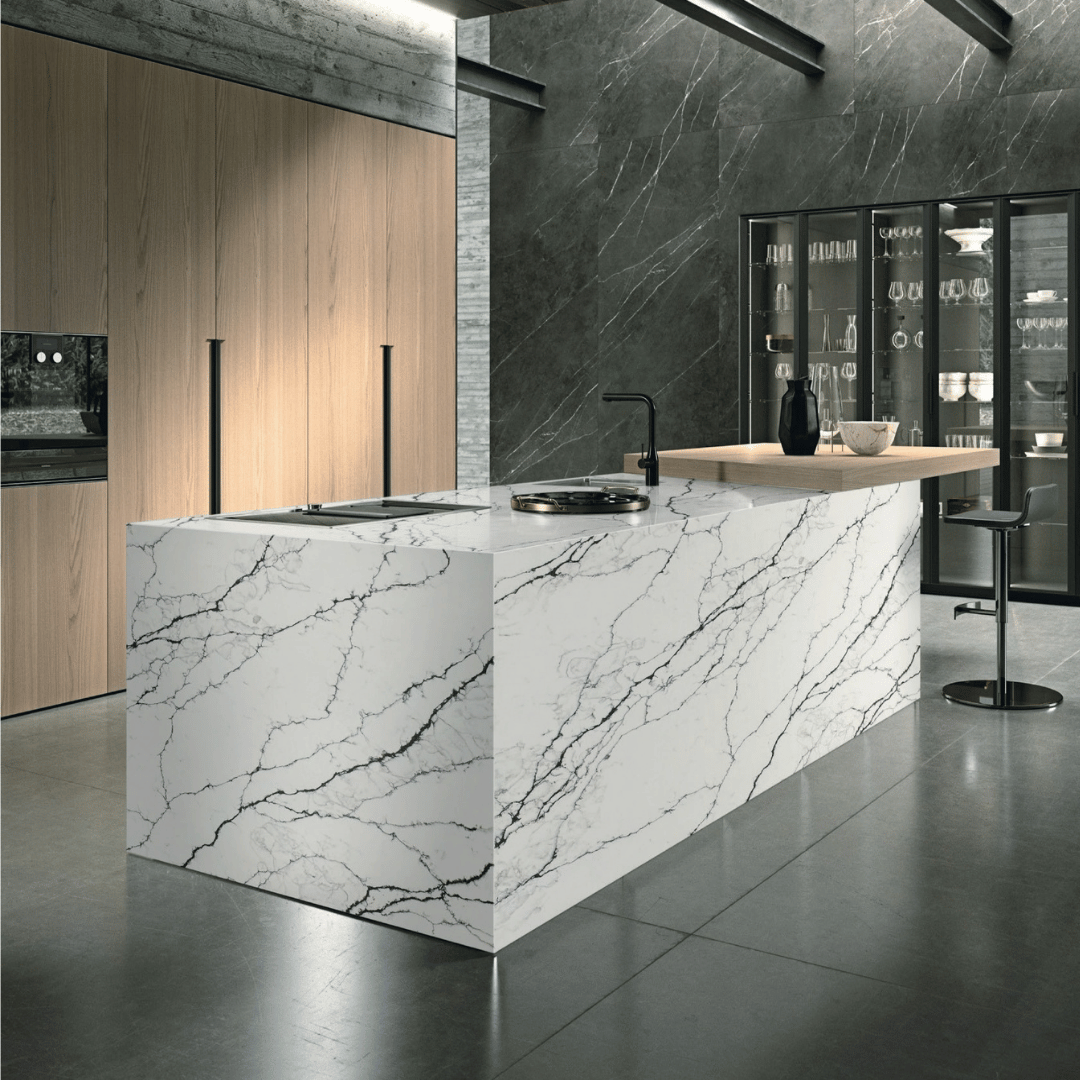
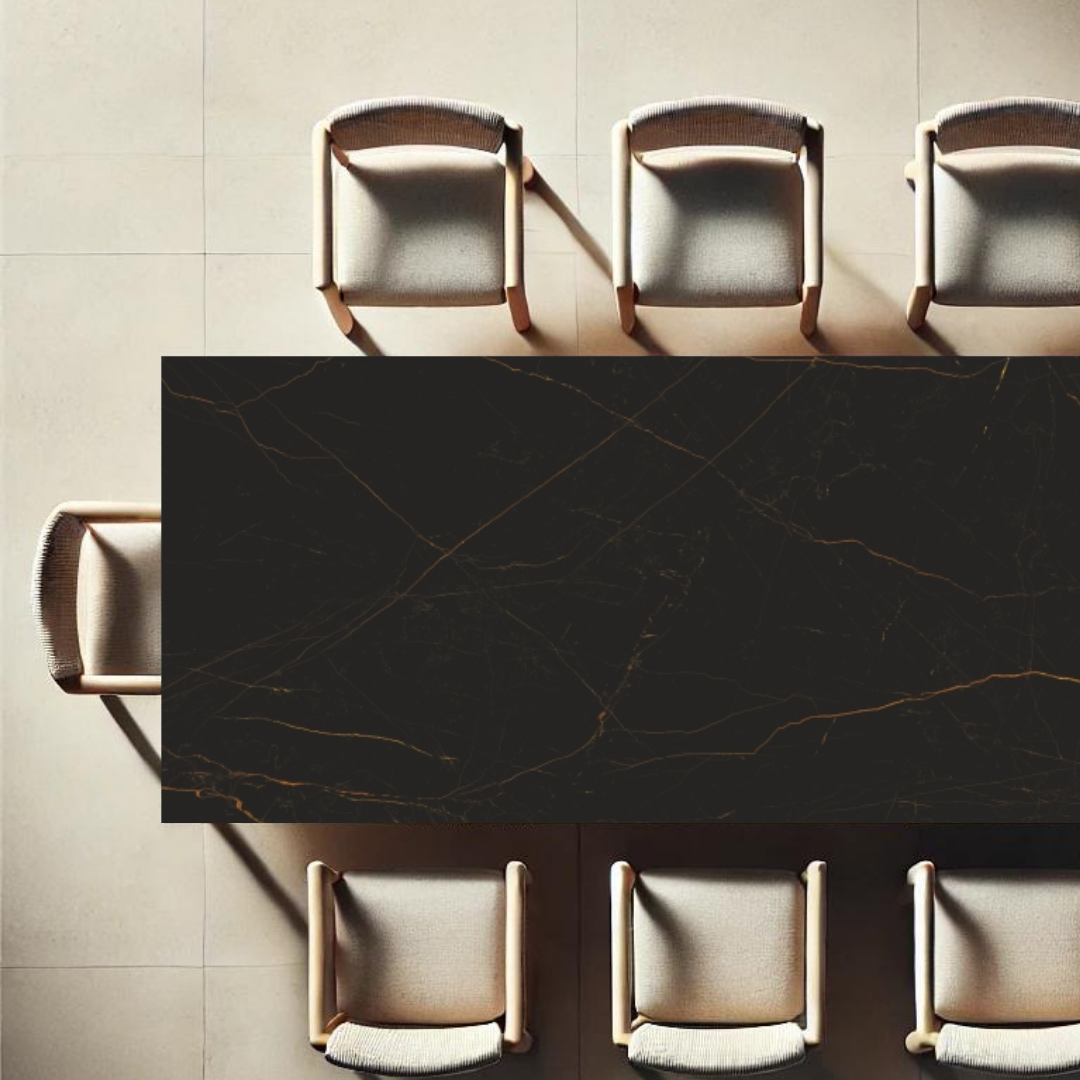
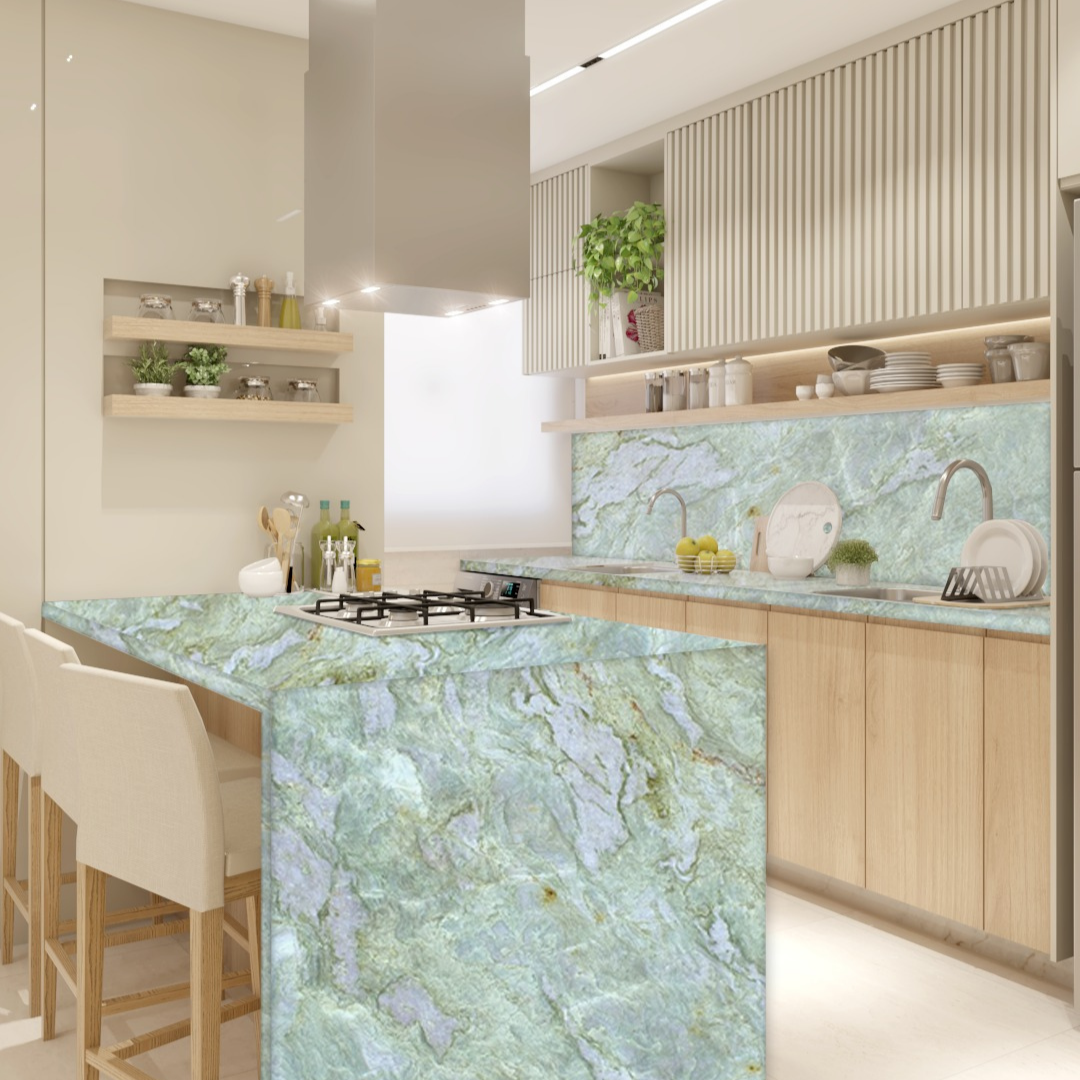
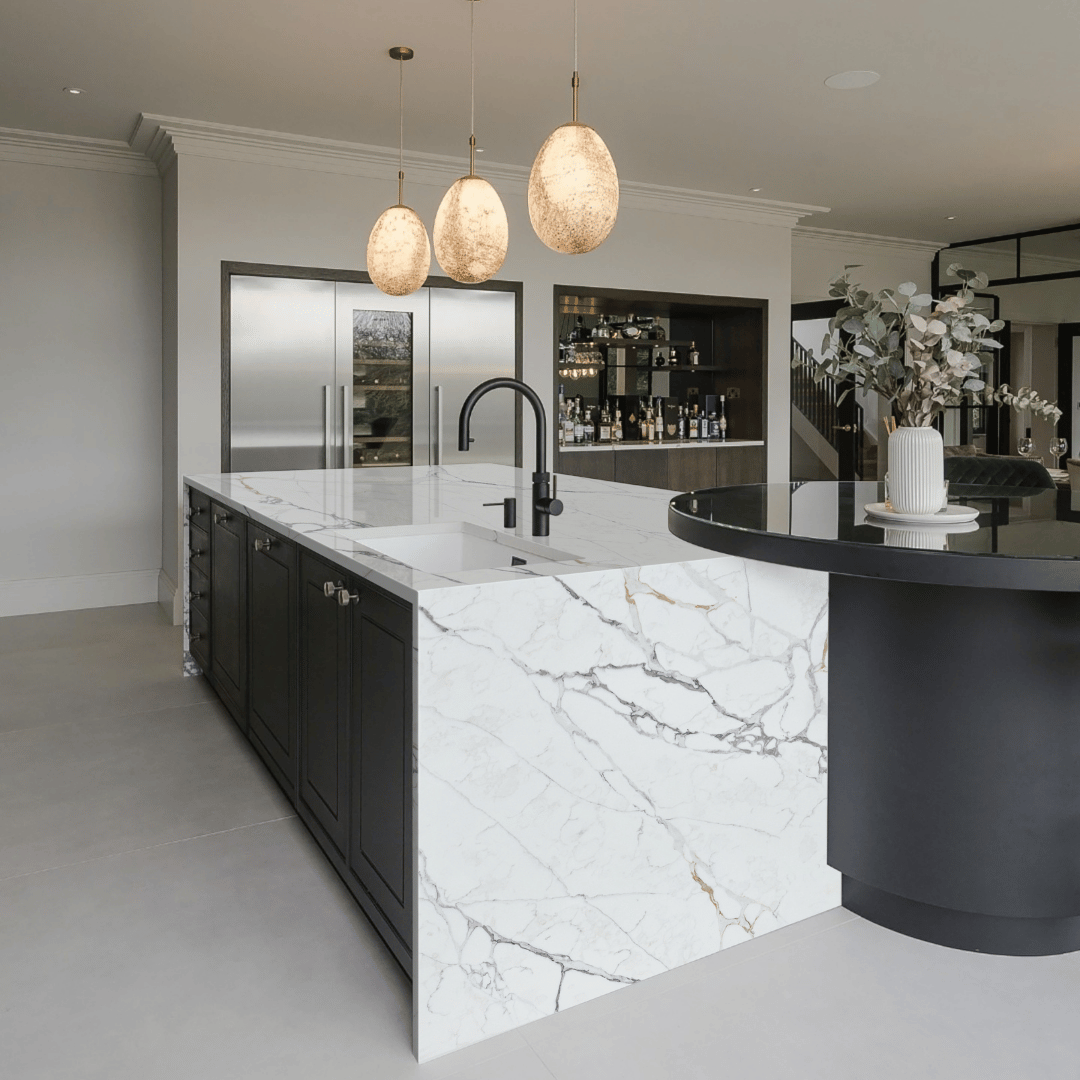
For instance, quartzite can exhibit shades of white, gray, blue, green, and even red, often with striking veining or speckled patterns that add depth and character. Understanding these variations is crucial, especially for projects where consistency in appearance is desired.
Factors Influencing Color Variation in Quartzite
Several key factors contribute to the color variations found in quartzite:
- Mineral Composition: The minerals present in the sandstone before metamorphosis play a significant role in determining the color of the final quartzite. For example, iron oxide can impart reddish hues, while chlorite may contribute green shades.
- Geological Processes: The conditions under which quartzite is formed, including temperature, pressure, and the presence of fluids, can affect its coloration. Variations in these conditions can lead to different color patterns even within a single quarry.
- Location of Origin: Different quarries produce quartzite with distinct color profiles. For instance, quartzite from Brazil may offer vivid colors and patterns, while stones from the United States may showcase more muted tones.
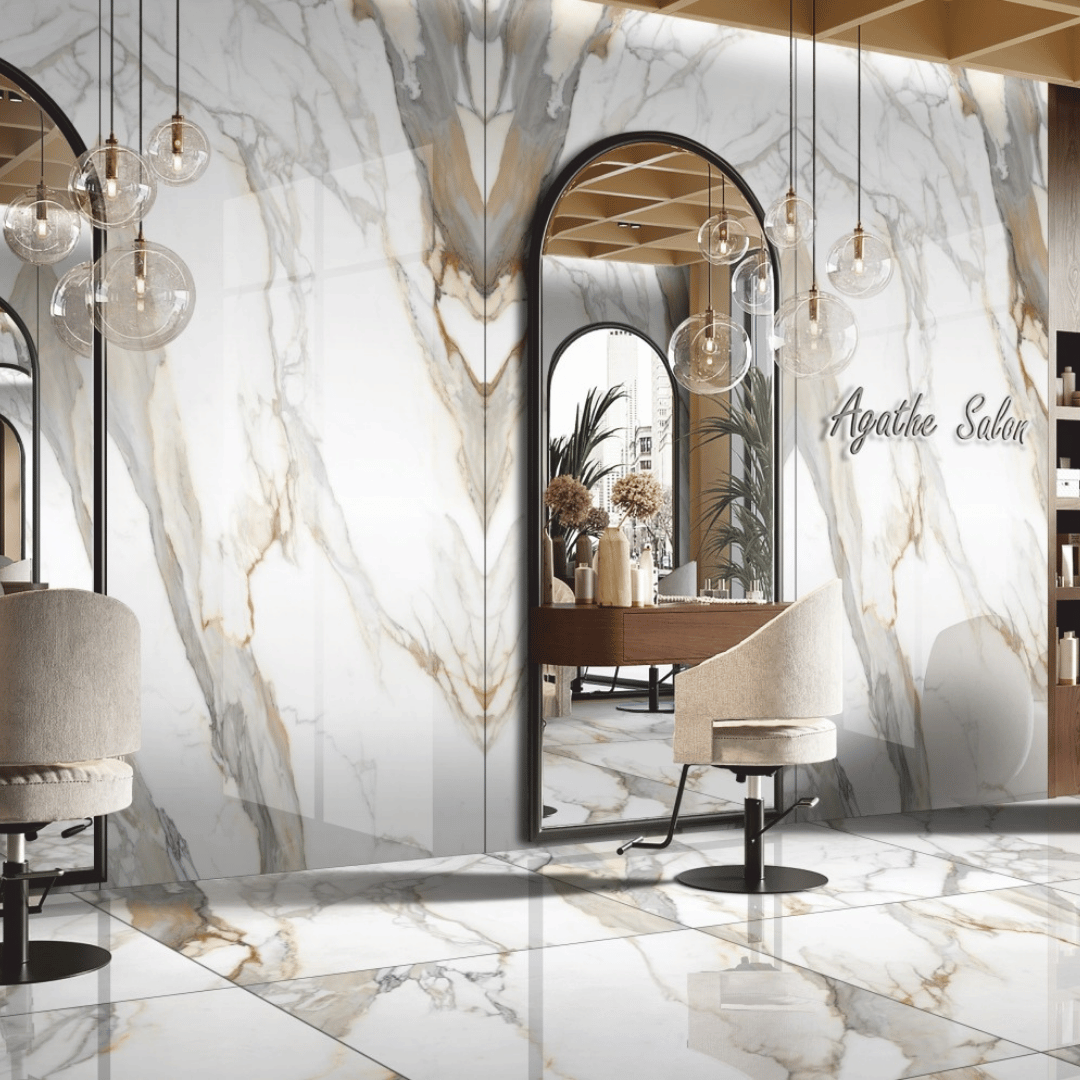
- Surface Treatment: The finish applied to the quartzite slab can also influence its appearance. Polished surfaces tend to reflect light differently than honed or textured surfaces, which can affect how colors are perceived.
Why Color Variation Matters in Quartzite Selection
Understanding color variation is essential for several reasons:
- Aesthetic Impact: The color and pattern of quartzite can dramatically affect the overall aesthetic of a space. Selecting a slab with the right color variation can enhance design elements and create a cohesive look.
- Consistency in Installation: For large projects, it’s crucial to consider how multiple slabs will work together. Variations in color and pattern can lead to an inconsistent appearance if not carefully chosen.
- Long-term Satisfaction: Choosing the right quartzite slab requires a consideration of how color will age over time. Natural stones can darken or lighten with exposure to light and wear, making it important to select a slab that will maintain its beauty throughout its lifespan.
Tips for Selecting Quartzite Slabs
When choosing quartzite slabs, consider the following tips to ensure you make an informed decision:
- Examine Multiple Slabs: Always view several slabs from the same batch to understand the range of color variations. Natural stone is unique, and seeing multiple options can help you gauge what’s available.
- Request Samples: Obtain samples of the slabs you’re considering. This allows you to see how the colors look in your project’s lighting conditions.
- Consult Experts: Engage with surface specialists, such as those at Builder Stone Global, who can provide insights on the best options for your specific project needs. Call +1 470-551-2092 to speak with our surface specialists.
- Consider Your Design Style: Think about how the quartzite color will complement or contrast with other materials in your space. Whether aiming for a modern look or a more traditional aesthetic, the right color can make all the difference.
- Assess the Finish: Decide on the finish you prefer—polished, honed, or textured—as this will affect the stone’s appearance and maintenance requirements.
Comparing Quartzite to Other Natural Stones
When selecting architectural surface materials, it’s important to compare quartzite with other natural stones like granite and marble. The following table summarizes key differences:
| Feature | Quartzite | Granite | Marble |
|---|---|---|---|
| Durability | High | High | Medium |
| Color Variation | Extensive | Moderate | High |
| Maintenance | Low | Low | High |
| Heat Resistance | Excellent | Excellent | Good |
| Common Uses | Countertops, flooring | Countertops, flooring | Countertops, decorative elements |
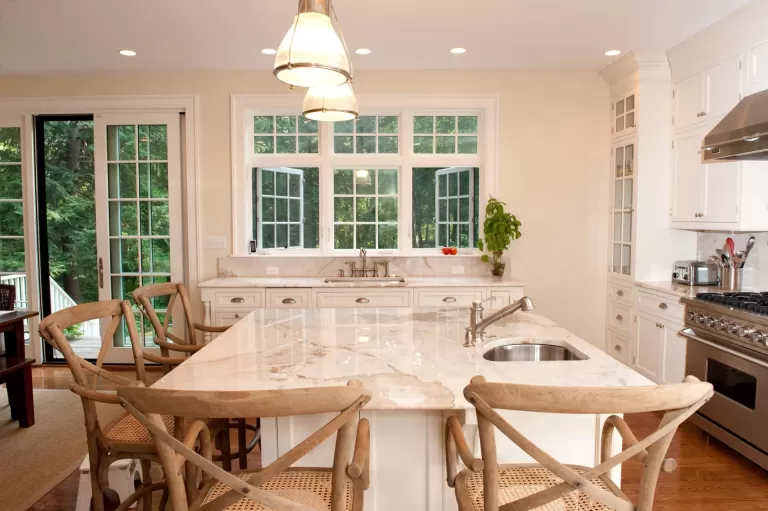
As seen in the table, quartzite offers extensive color variation and high durability, making it an ideal choice for a variety of applications, especially in high-use areas like kitchens and bathrooms.
Caring for Quartzite Surfaces
To maintain the beauty of your quartzite surfaces, proper care is essential. Here are some tips:
- Regular Cleaning: Use a gentle cleanser and a soft cloth to clean surfaces. Avoid harsh chemicals that can degrade the stone.
- Sealing: While quartzite is less porous than other stones, sealing it every year can help maintain its luster and protect against stains.
- Heat Protection: Although quartzite is heat-resistant, always use trivets or hot pads to protect the surface from extreme heat.
FAQs
What is quartzite?
Quartzite is a metamorphic rock formed from sandstone, known for its durability and unique color variations.
How does color variation in quartzite occur?
Color variation occurs due to differences in mineral composition, geological processes, and the location of the stone’s origin.
Why is understanding color variation important?
Understanding color variation is crucial for aesthetic impact, consistency in installation, and long-term satisfaction with the selected material.
How should I care for quartzite surfaces?
Care includes regular cleaning with gentle cleansers, yearly sealing, and using heat protection.
What are the best uses for quartzite?
Quartzite is ideal for countertops, flooring, and wall cladding due to its durability and aesthetic appeal.
How does quartzite compare to granite and marble?
Quartzite offers extensive color variation and high durability, while granite also provides durability and marble is known for its beauty but has higher maintenance needs.
Can I use quartzite outdoors?
Yes, quartzite is suitable for outdoor applications due to its durability and resistance to weathering.
Where can I find quality quartzite slabs?
You can find quality quartzite slabs at reputable distributors like Builder Stone Global, which offers a wide selection and expert guidance.