How Quartzite Slab Hardness on the Mohs Scale Translates to Real-World Kitchen Performance
How Quartzite Slab Hardness on the Mohs Scale Translates to Real-World Kitchen Performance
When it comes to selecting materials for kitchen countertops, durability and performance are paramount. One of the most sought-after materials in modern kitchen design is quartzite. Renowned for its stunning aesthetics and exceptional strength, quartzite slabs offer a unique blend of beauty and resilience. Understanding how quartzite slab hardness on the Mohs scale translates to real-world kitchen performance is essential for homeowners, designers, and fabricators alike. This article will delve into the intricacies of quartzite, its place on the Mohs scale, and what this means for your kitchen.
What is Quartzite?
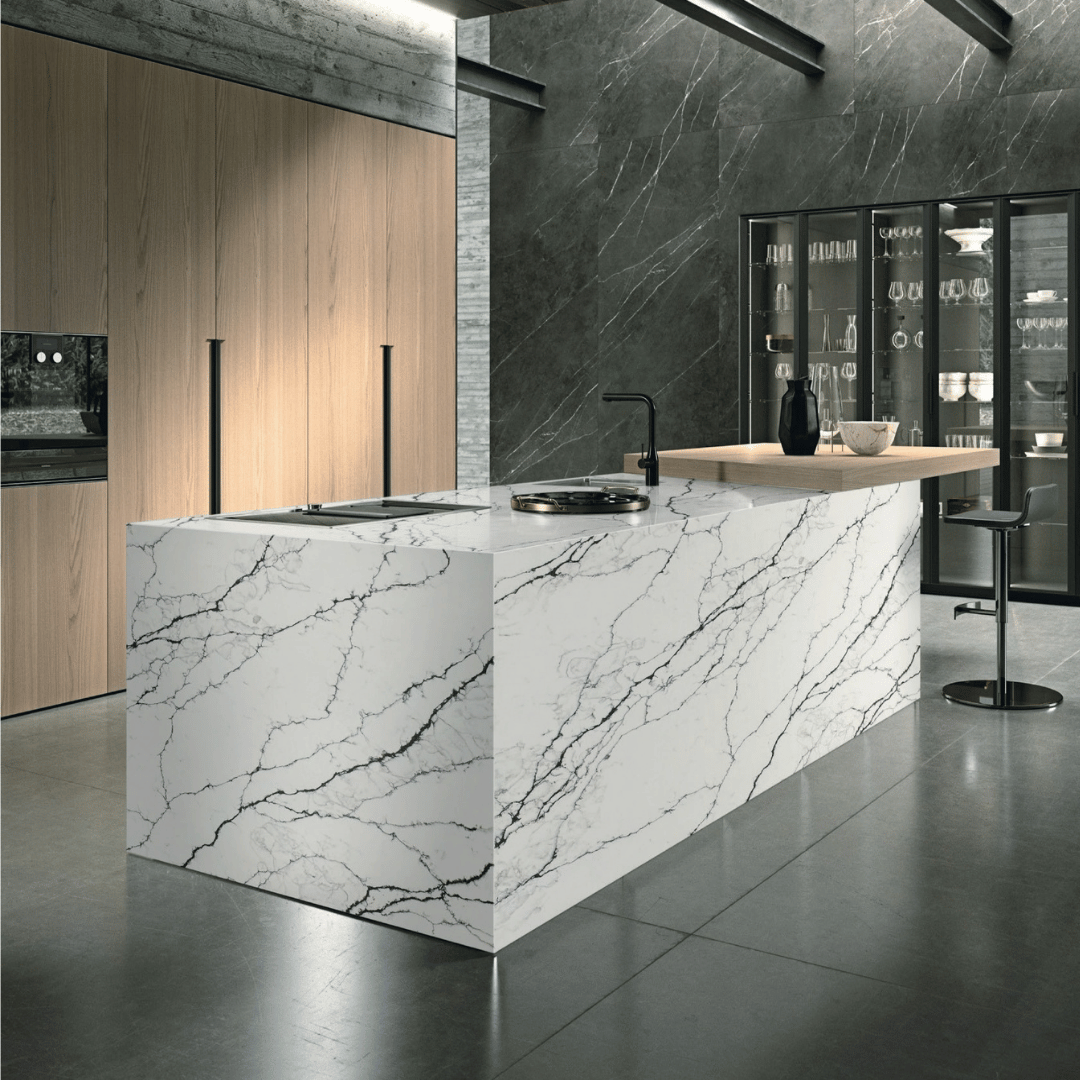
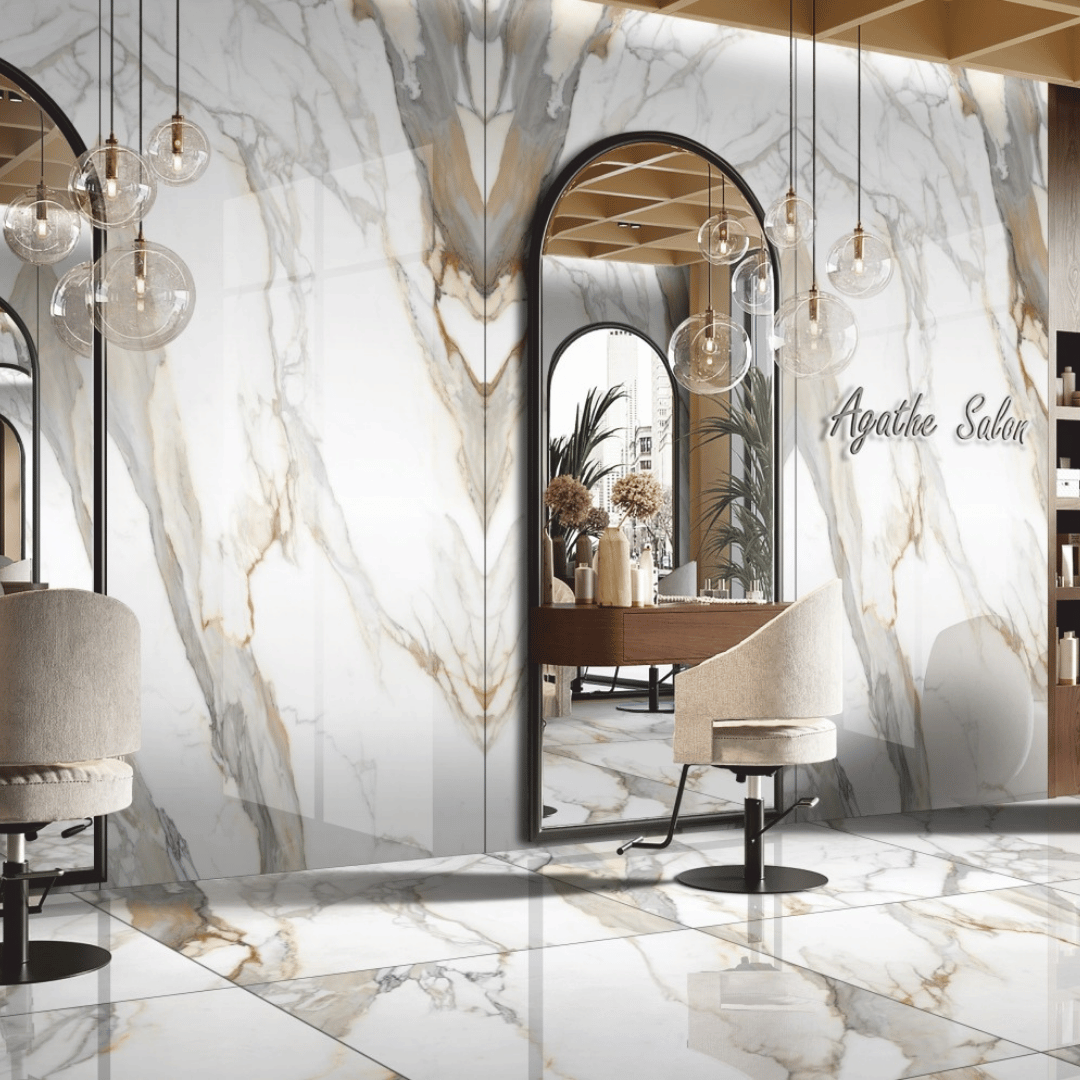
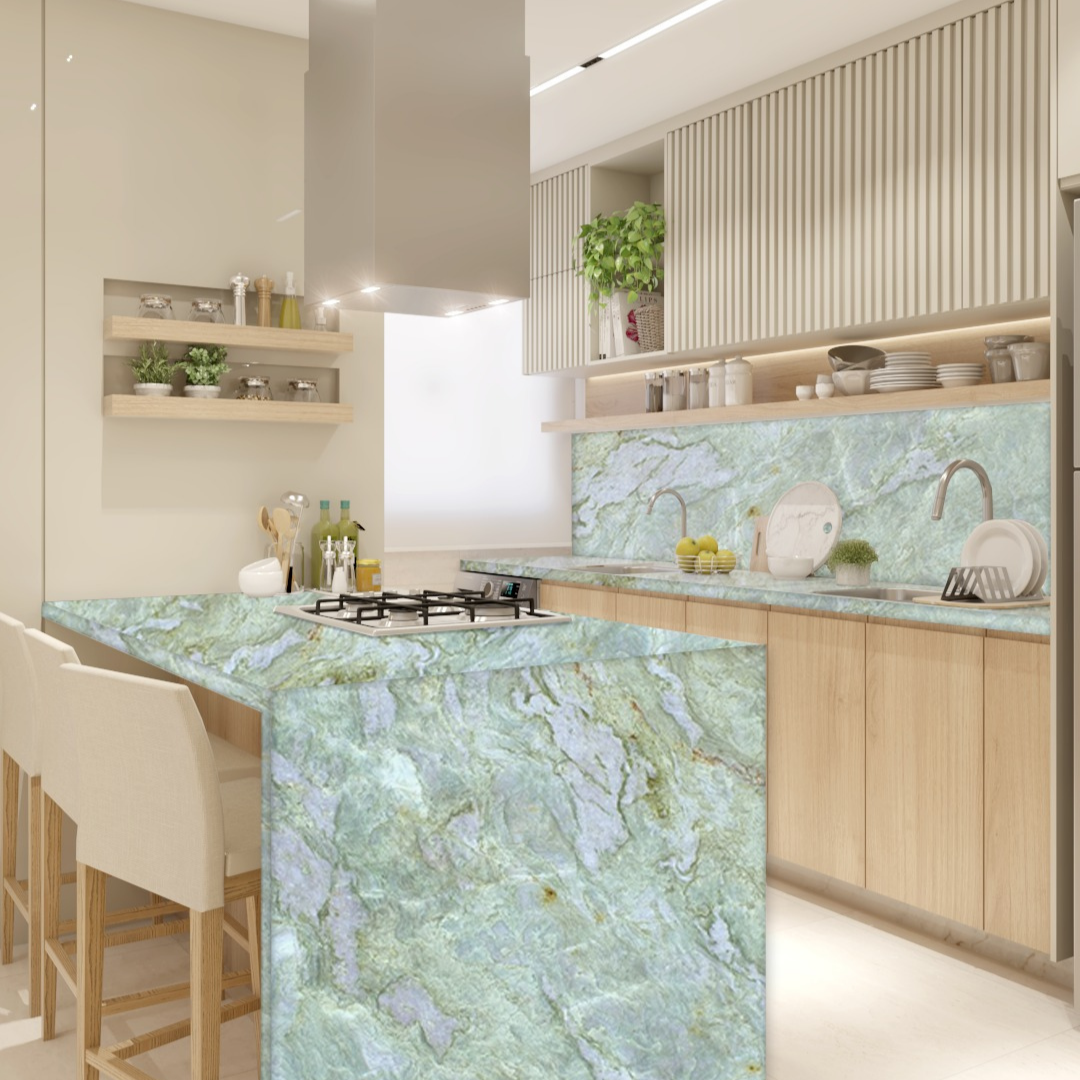
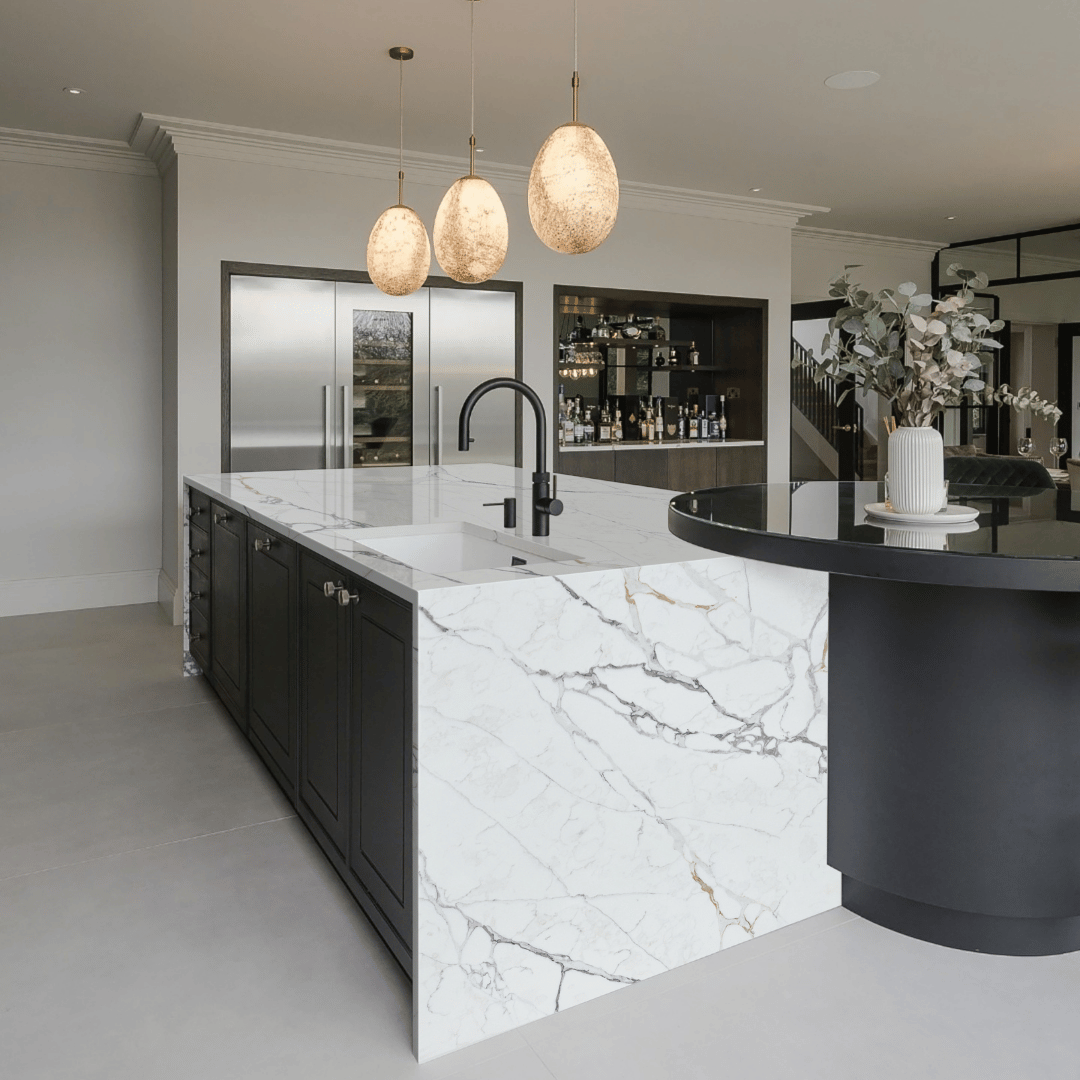
Quartzite is a natural metamorphic rock formed from sandstone under intense heat and pressure. This process results in a dense, hard material that is incredibly durable and resistant to scratches and stains. Its unique formation gives quartzite its characteristic veining and color variations, making it an attractive choice for architectural surfaces. Builder Stone Global offers a variety of premium quartzite slabs, showcasing the beauty and uniqueness of each piece. Whether you are looking for a stunning countertop or an elegant backsplash, quartzite delivers both performance and aesthetic appeal.
Understanding the Mohs Scale
The Mohs scale of mineral hardness is a qualitative scale that ranks minerals based on their ability to scratch one another. Developed by German geologist Friedrich Mohs in 1812, the scale ranges from 1 (talc) to 10 (diamond). Each mineral is assigned a value based on its hardness and resistance to scratching. This scale is crucial for determining the durability of materials, especially in applications such as countertops where resistance to scratches and wear is vital.
Quartzite Hardness on the Mohs Scale
Quartzite typically ranks between 7 and 8 on the Mohs scale, making it one of the hardest natural stones available. This high hardness rating indicates that quartzite can withstand significant wear and tear, making it an excellent choice for high-traffic areas like kitchens. In comparison, granite ranks around 6 to 7, while marble is significantly softer at 3 to 5. The hardness of quartzite translates to its ability to resist scratches, heat, and staining, ensuring that it maintains its beauty and functionality even in the busiest kitchens.
| Material | Mohs Hardness Rating | Typical Uses |
|---|---|---|
| Quartzite | 7-8 | Countertops, flooring, backsplashes |
| Granite | 6-7 | Countertops, flooring |
| Marble | 3-5 | Countertops, flooring, decorative elements |
| Soapstone | 2-4 | Countertops, sinks |
| Slate | 3-5 | Flooring, roofing |
Real-World Kitchen Performance
Understanding quartzite’s hardness is essential, but how does this translate into real-world kitchen performance? Here are some key factors to consider:
- Scratch Resistance: With a hardness rating of 7 to 8, quartzite is highly resistant to scratches. This makes it ideal for kitchen environments where knives and other utensils are frequently used. For instance, a quartzite countertop can withstand daily chopping and food preparation without showing wear.
- Heat Resistance: Quartzite can endure high temperatures, making it suitable for handling hot pots and pans. Unlike some materials that may scorch or warp under heat, quartzite maintains its integrity, providing peace of mind during cooking.
- Stain Resistance: Although quartzite is porous, it can be treated with sealants to enhance its stain resistance. This is particularly important in kitchens where spills are common. Regular maintenance, such as resealing, can help maintain its appearance and performance.
- Aesthetic Appeal: The natural beauty of quartzite, with its unique patterns and colors, adds a touch of elegance to any kitchen. Homeowners can choose from a wide range of designs to match their aesthetic preferences.
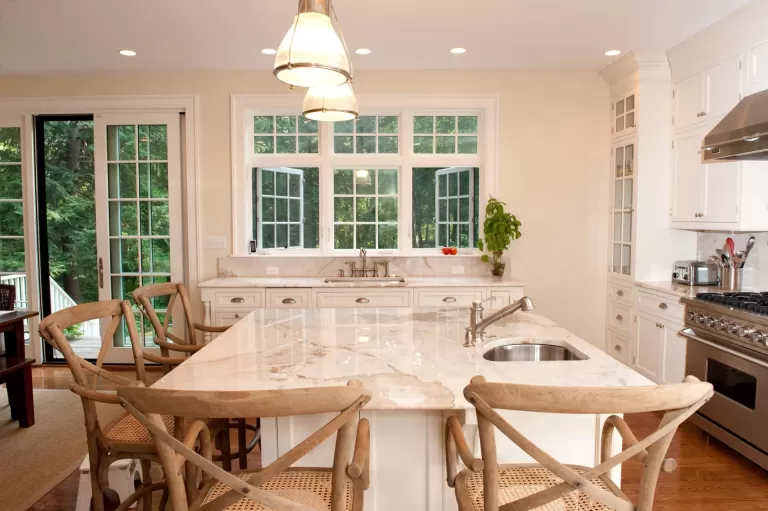
When selecting quartzite for your kitchen, it’s crucial to consider your lifestyle and usage patterns. For instance, if you frequently cook and entertain, opting for a premium quartzite slab can enhance both functionality and visual appeal.
Comparing Quartzite to Other Stones
While quartzite is an excellent choice, it’s essential to compare it with other popular countertop materials. Here are some comparisons to consider:
Quartzite vs. Granite
Both quartzite and granite are natural stones, but they differ in hardness and appearance. Granite typically ranges between 6 and 7 on the Mohs scale, making it slightly softer than quartzite. While granite offers a wide variety of colors and patterns, quartzite often features more dramatic veining and unique patterns.
Quartzite vs. Marble
Marble is renowned for its beauty but is significantly softer, with a Mohs hardness of 3 to 5. This makes marble more susceptible to scratches and stains, requiring more maintenance than quartzite. Homeowners seeking a high-end look with less upkeep should consider quartzite as a superior alternative.
Quartzite vs. Soapstone
Soapstone is softer than quartzite, ranging from 2 to 4 on the Mohs scale. While it offers excellent heat resistance, its lower hardness makes it more prone to scratches. Quartzite’s superior durability makes it a preferred choice for busy kitchens.
Maintenance and Care for Quartzite
To ensure your quartzite surfaces remain in top condition, regular maintenance is essential. Here are some expert tips:
- Sealing: It is recommended to seal quartzite surfaces every 1-2 years to enhance their stain resistance and longevity. A high-quality sealant can protect against spills and stains.
- Cleaning: Use a mild soap and warm water for daily cleaning. Avoid harsh chemicals or abrasive cleaners that can damage the surface.
- Heat Protection: While quartzite is heat resistant, always use trivets or hot pads under hot cookware to avoid thermal shock.
- Scratch Prevention: Use cutting boards when chopping to prevent scratches, even though quartzite is highly scratch-resistant.
Expert Tips for Choosing Quartzite
Choosing the right quartzite slab can elevate your kitchen design. Here are some expert tips:
- Consider Thickness: Quartzite slabs come in various thicknesses. A thicker slab may offer more durability and a more substantial appearance, while a thinner slab can be lighter and easier to install.
- Ask About Origin: The origin of the quartzite can affect its quality. Premium quartzite typically comes from specific regions known for their superior stone quality.
- Check for Consistency: Ensure there is consistency in color and pattern throughout the slab. Variations can add character, but extreme inconsistencies may not be desirable.
Frequently Asked Questions
What is the Mohs scale?
The Mohs scale is a scale that ranks minerals based on their hardness and ability to scratch one another, ranging from 1 (talc) to 10 (diamond).
How hard is quartzite on the Mohs scale?
Quartzite typically has a hardness rating between 7 and 8 on the Mohs scale, making it one of the hardest natural stones available.
Is quartzite suitable for kitchen countertops?
Yes, quartzite is an excellent choice for kitchen countertops due to its durability, heat resistance, and resistance to scratching.
How do I maintain quartzite countertops?
Regular maintenance includes sealing the surface every 1-2 years, cleaning with mild soap and water, and avoiding harsh chemicals.
Can quartzite be scratched?
While quartzite is highly scratch-resistant, it can still be scratched if subjected to sufficient force. Using cutting boards can help prevent scratches.
Is quartzite stain-resistant?
Quartzite is porous but can be treated with sealants to enhance its stain resistance, making it suitable for kitchen environments.
What are the benefits of quartzite over granite?
Quartzite is typically harder than granite, making it more scratch-resistant. It also offers unique veining and color variations that can enhance a kitchen’s aesthetic.
Where can I find premium quartzite slabs in Norcross, GA?
Builder Stone Global is a leading quartzite slab distributor in Norcross, GA, offering a wide selection of premium quartzite for various applications.
Conclusion
In conclusion, understanding quartzite slab hardness on the Mohs scale is crucial for anyone considering this stunning material for their kitchen. Its superior durability, heat resistance, and aesthetic appeal make it an ideal choice for countertops. By selecting quartzite, you are investing in a high-performance surface that can withstand the demands of daily kitchen use while enhancing your home’s overall design. For more information on our extensive inventory of quartzite slabs, check our live inventory or contact us to speak with our surface specialists.