
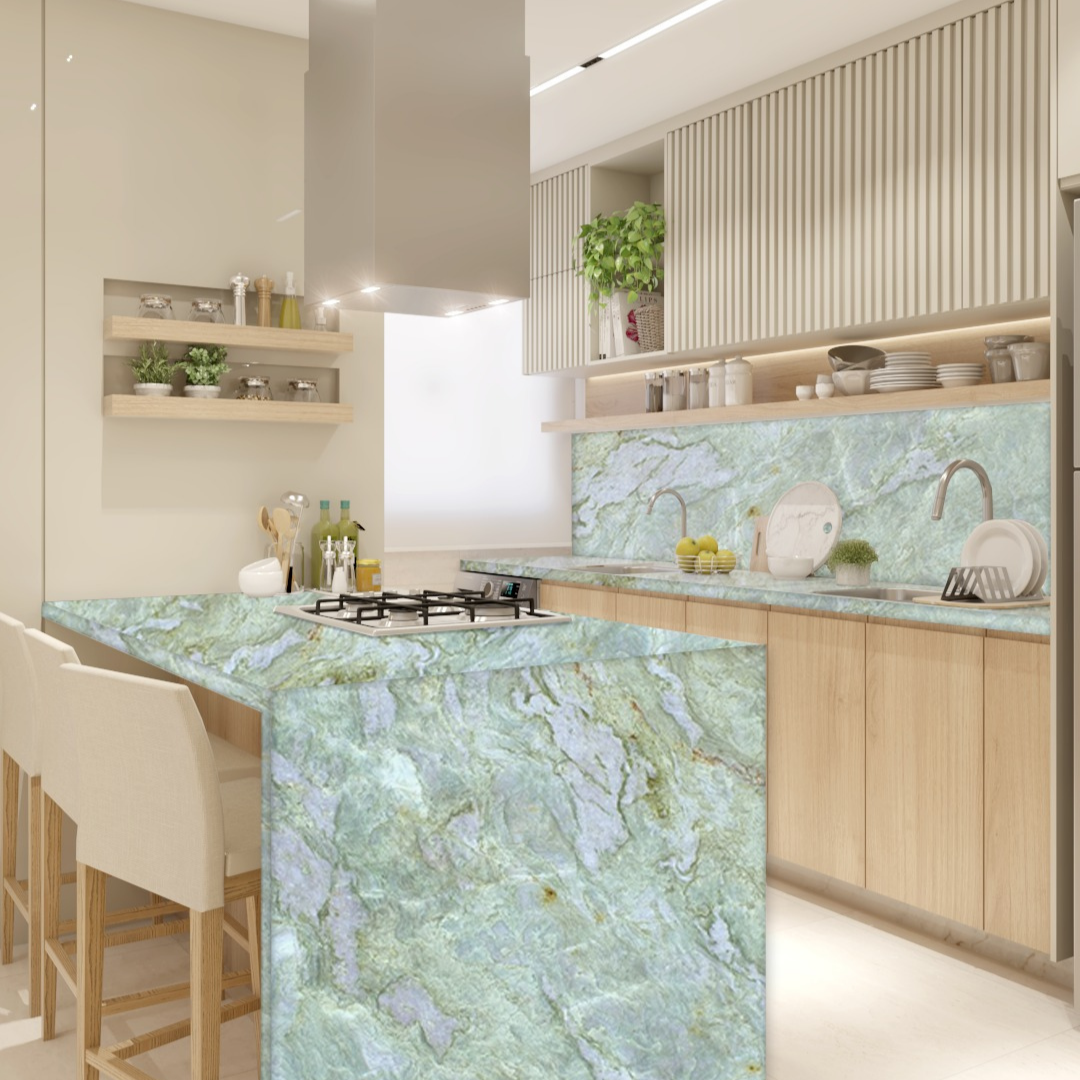
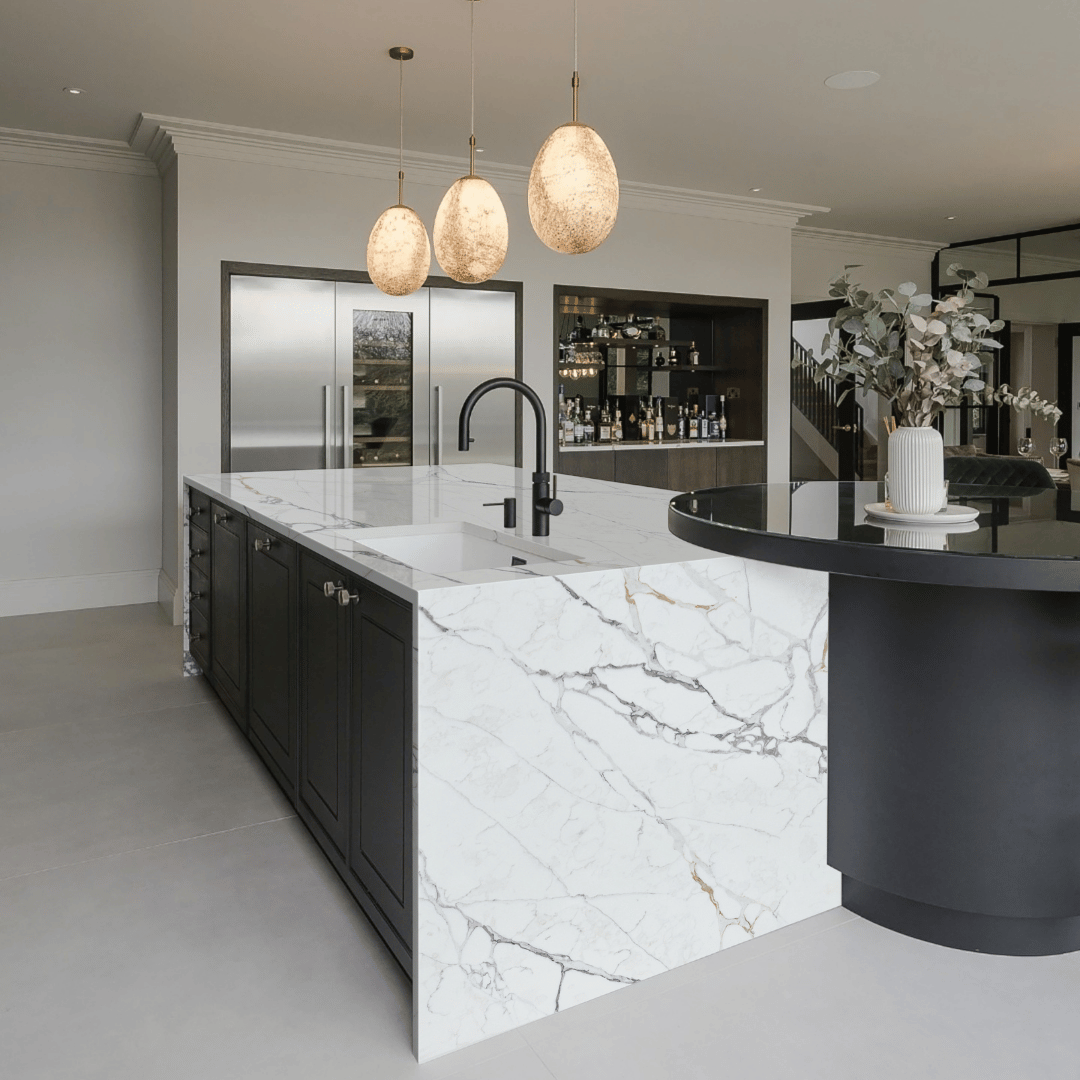
The Complete Guide to Quartzite Slab Sealing Requirements and Maintenance Schedules
The Complete Guide to Quartzite Slab Sealing Requirements and Maintenance Schedules
Updated on August 14, 2026
Quartzite is a premium natural stone that has gained immense popularity in residential and commercial applications due to its durability and stunning aesthetics. If you’re considering quartzite slabs for your countertops, flooring, or other architectural surfaces, understanding the sealing requirements and maintenance schedules is crucial to preserving their beauty and functionality. In this comprehensive guide, we will explore everything you need to know about quartzite slab sealing, including when and how to seal, the best products to use, and a maintenance schedule to keep your quartzite surfaces looking their best.
Understanding Quartzite: Properties and Benefits
Quartzite is a metamorphic rock formed when sandstone is subjected to high pressure and temperature. This process results in a dense and durable stone that is resistant to scratching and heat. Here are some key properties and benefits of quartzite:
- Durability: Quartzite is one of the hardest natural stones available, making it ideal for high-traffic areas.
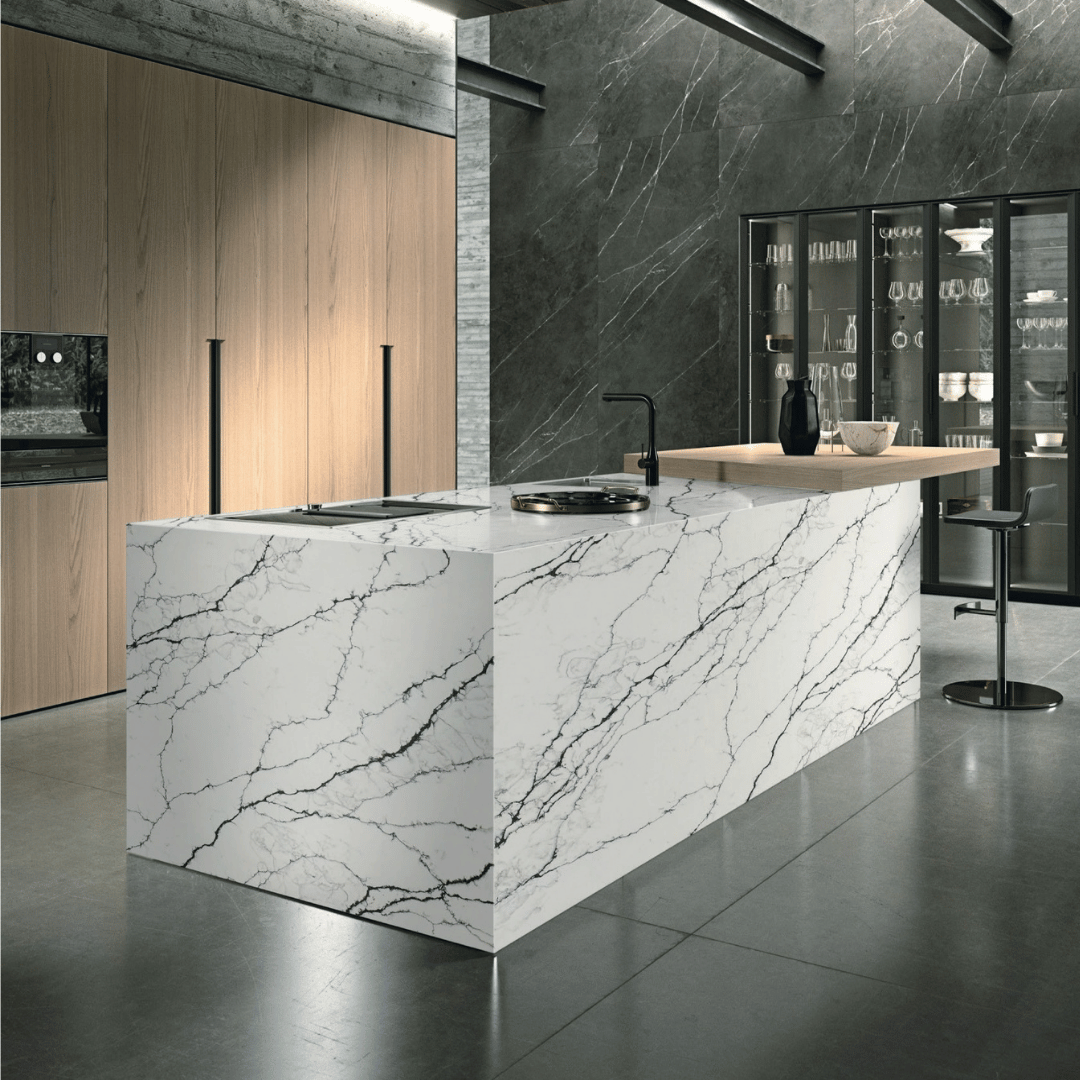
- Stunning Aesthetics: Available in a range of colors and patterns, quartzite offers a unique and elegant look that can elevate any design.
- Low Maintenance: With proper sealing and care, quartzite surfaces can remain beautiful with minimal upkeep.
- Resistant to Stains and Scratches: Sealed quartzite is less likely to absorb liquids and resist scratches, making it a practical choice for kitchens and bathrooms.
As a trusted quartzite slab importer in the USA, Builder Stone Global provides high-performance quartzite slabs that meet the demands of both residential and commercial projects.
Why Seal Quartzite Slabs?
Sealing quartzite slabs is essential for several reasons:
- Protection Against Stains: While quartzite is relatively stain-resistant, it can still absorb liquids if not properly sealed. A good sealant creates a barrier that prevents spills from penetrating the stone.
- Enhancement of Aesthetics: Sealing enhances the color and shine of quartzite, bringing out its natural beauty and depth.
- Extended Lifespan: Regular sealing and maintenance can prolong the life of your quartzite surfaces, saving you money in the long run.
For homeowners and fabricators alike, understanding the importance of sealing quartzite is crucial to maintaining its premium quality. As a leading quartz slab distributor in Norcross, GA, we emphasize the necessity of proper maintenance for all our products.
When to Seal Quartzite Slabs
Knowing when to seal your quartzite slabs is vital for effective maintenance. Here are some guidelines:
- Initial Sealing: New quartzite slabs should be sealed immediately after installation to ensure maximum protection.
- Frequency of Re-Sealing: Depending on the type of sealant used and the amount of wear and tear, quartzite surfaces typically require resealing every 1 to 3 years.
- Signs that Sealing is Needed: If you notice water pooling on the surface rather than beading up, or if stains begin to appear, it’s time to reseal your quartzite.
How to Seal Quartzite Slabs: A Step-by-Step Guide
Sealing quartzite is a straightforward process, but it requires attention to detail. Follow this step-by-step guide to ensure effective sealing:
Materials Needed:
- Quality stone sealer (look for a penetrating sealer recommended for quartzite)
- Cleansing solution (pH-balanced)
- Soft cloth or sponge
- Paint roller or applicator
- Protective gloves
- Masking tape (optional)
Step 1: Clean the Surface
Thoroughly clean the quartzite slab using a pH-balanced cleansing solution. This removes dirt, grime, and any previous sealant residue.
Step 2: Dry the Surface
Ensure the surface is completely dry before applying the sealer. Moisture can interfere with the sealing process.
Step 3: Apply the Sealer
Using a paint roller or applicator, apply a generous coat of the sealer evenly across the surface. Be sure to follow the manufacturer’s instructions regarding application thickness.
Step 4: Allow to Penetrate
Let the sealer sit for the recommended time (usually 10-15 minutes) to penetrate the stone.
Step 5: Wipe Off Excess
After the penetration time, wipe off any excess sealer with a clean soft cloth to avoid a sticky residue.
Step 6: Allow to Cure
Allow the sealer to cure according to the manufacturer’s instructions before using the surface.
Maintenance Schedule for Quartzite Surfaces
Maintaining your quartzite surfaces involves regular cleaning and periodic sealing. Here’s a detailed maintenance schedule:
| Task | Frequency | Details |
|---|---|---|
| Daily Cleaning | Daily | Wipe down with a damp cloth and pH-balanced cleaner. |
| Deep Cleaning | Monthly | Use a specialized stone cleaner for deeper grime. |
| Resealing | 1-3 years | Depending on wear, reseal with a high-quality penetrating sealer. |
| Stain Treatment | As needed | Address stains immediately with a poultice or appropriate cleaner. |
This maintenance schedule ensures that your quartzite surfaces remain stunning and functional for years to come. For further insights on maintaining natural stone surfaces, check out our article on stain resistance in quartz.
Common Questions About Quartzite Maintenance
What is the best sealer for quartzite?
The best sealers for quartzite are penetrating sealers that are specifically formulated for natural stone. Look for products that allow the stone to breathe while providing effective protection against stains.
How can I tell if my quartzite needs to be resealed?
If water droplets do not bead up on the surface and instead soak into the stone, it’s time to reseal. Additionally, if stains are appearing, this is another sign that sealing is needed.
Can I use vinegar or bleach on quartzite?
No, vinegar and bleach can damage the surface of quartzite. Always use pH-balanced cleaners specifically designed for natural stone.
Is quartzite more durable than granite?
Quartzite is generally more durable than granite due to its higher density and resistance to scratching and heat. However, both stones offer excellent durability for countertops.
How do I remove stains from quartzite?
For minor stains, use a stone cleaner or a poultice made from baking soda and water. For tougher stains, consider consulting a professional stone restoration service.
What should I avoid using on quartzite?
Avoid acidic cleaners, abrasive scrubbers, and anything that can scratch the surface. Stick to pH-balanced solutions for cleaning.
Can quartzite be used outdoors?
Yes, quartzite is suitable for outdoor use due to its durability and resistance to weathering. However, it should still be sealed to protect against moisture and stains.
How do I maintain the shine on my quartzite?
Regular cleaning with a soft cloth and a pH-balanced cleaner will help maintain the shine. Resealing every 1-3 years will also enhance the luster of the stone.
Conclusion
Quartzite slabs are a stunning and functional choice for any architectural surface. Understanding the sealing requirements and maintenance schedules is essential for preserving their beauty and longevity. By following the guidelines outlined in this guide, you can ensure that your quartzite surfaces remain in pristine condition for years to come. For high-performance quartzite slabs and expert advice, contact our surface specialists or visit our Norcross showroom to explore our extensive inventory.