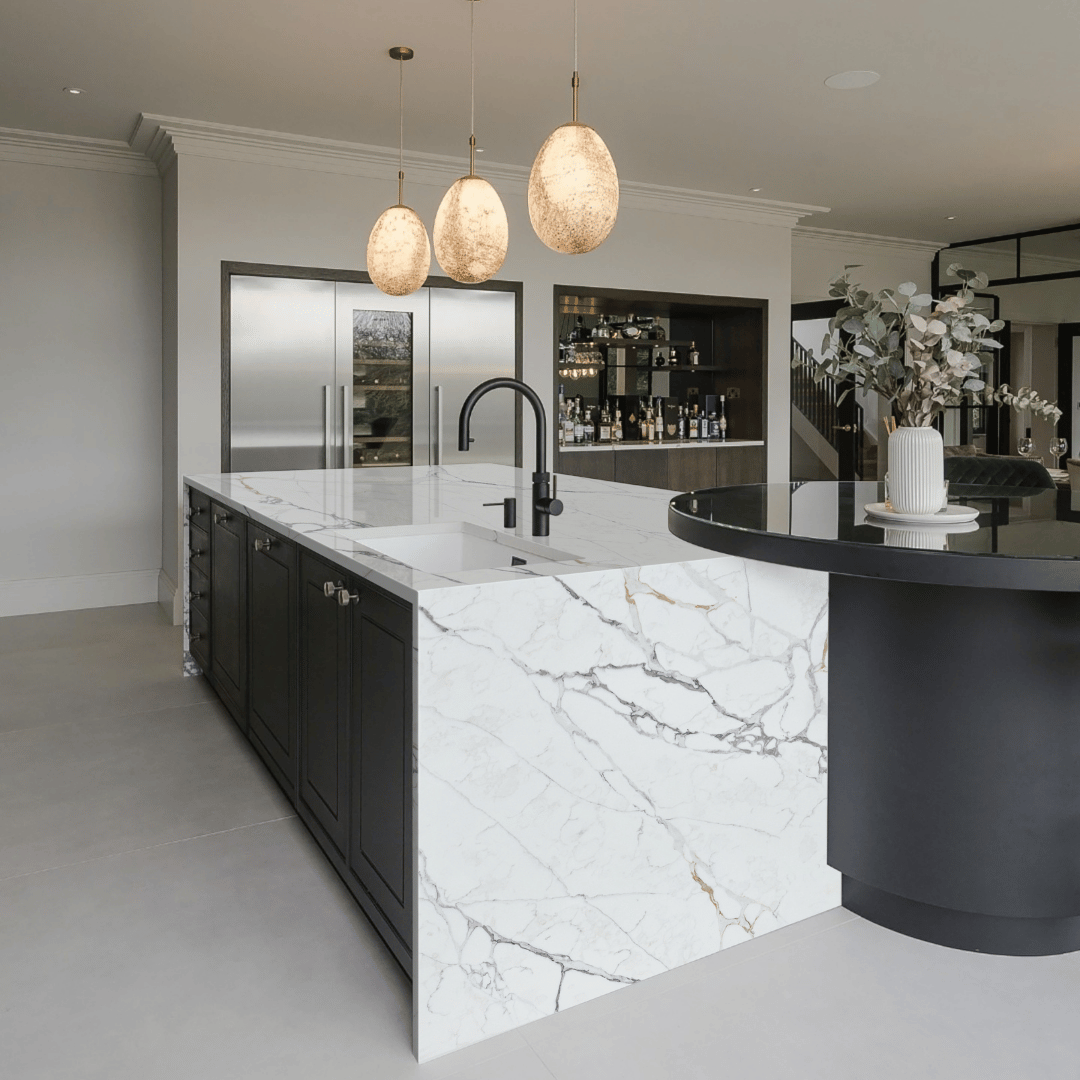
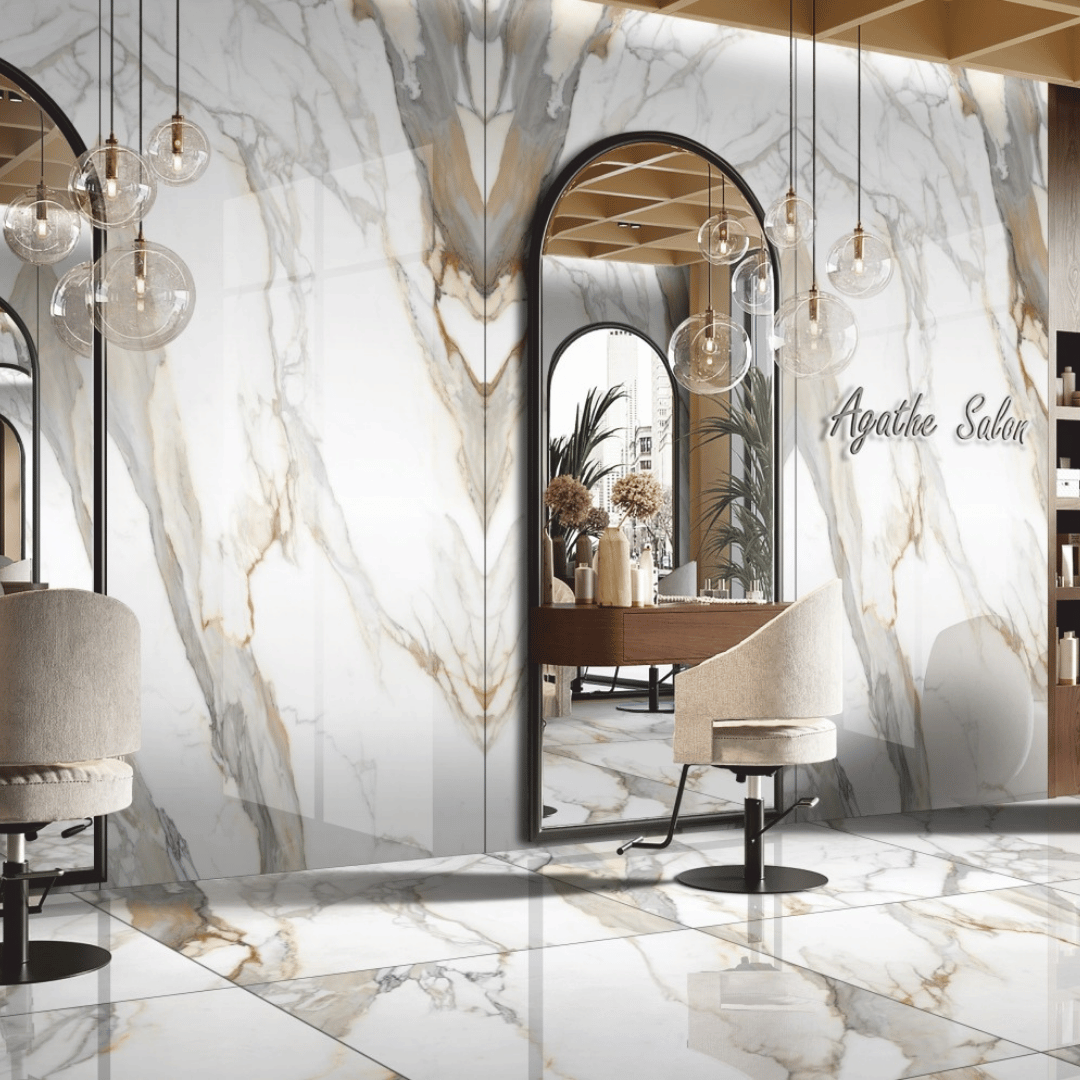
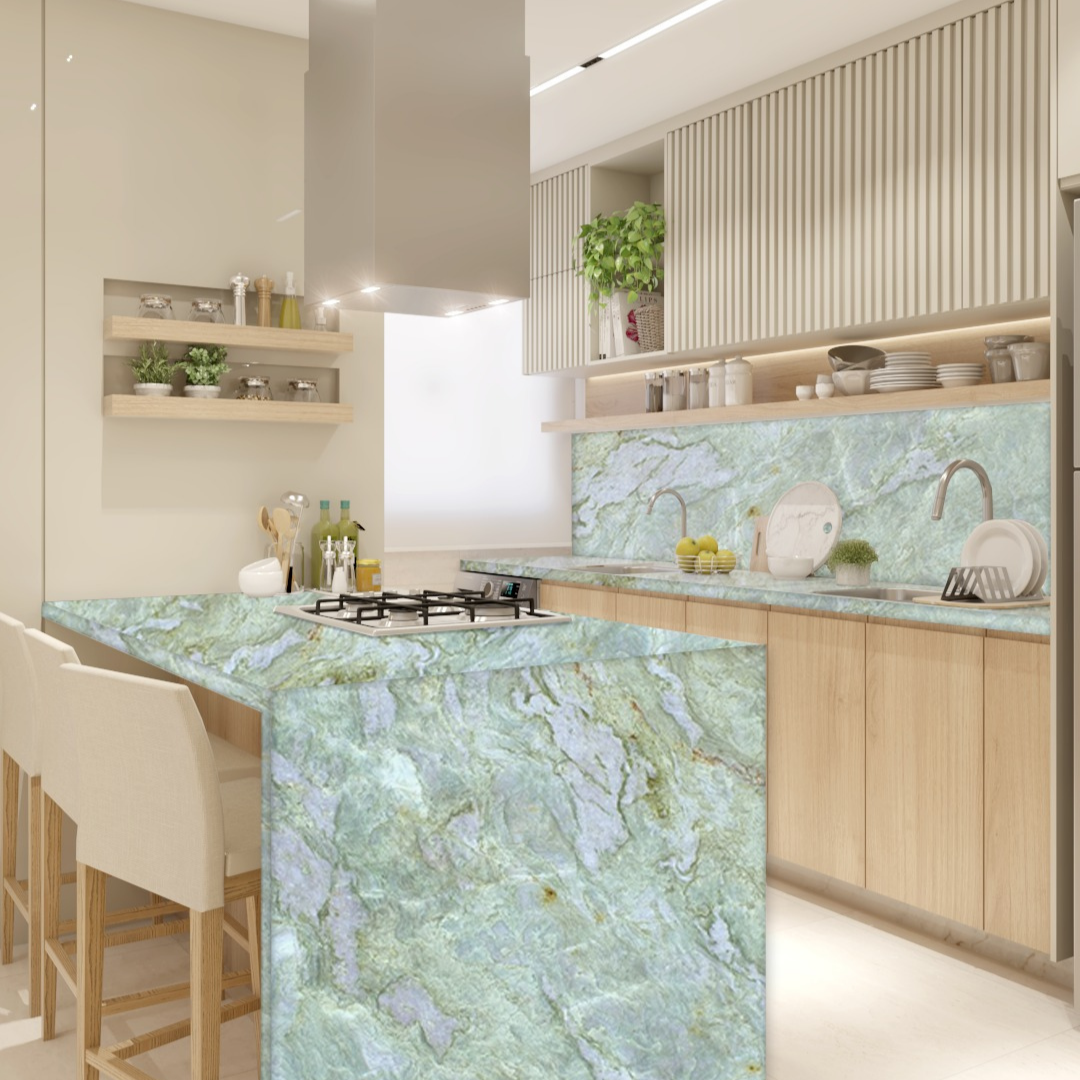
Why Choosing Durable Slab Materials Reduces Replacement Frequency and Landfill Waste
Why Choosing Durable Slab Materials Reduces Replacement Frequency and Landfill Waste
In a world increasingly focused on sustainability and environmental responsibility, the materials we choose for construction and design play a pivotal role in shaping our ecological footprint. Durable slab materials, such as premium quartz, porcelain, and natural stone, not only elevate the aesthetic appeal of spaces but also significantly reduce replacement frequency and landfill waste. By making informed choices, homeowners, designers, and builders can contribute to a more sustainable future while enjoying the long-lasting benefits of high-performance surfaces.
The Importance of Durable Materials
Durability in construction materials is not just a buzzword; it’s a necessity. With rising construction costs and the increasing demand for sustainable practices, choosing durable slab materials can lead to significant long-term savings and environmental benefits. According to the U.S. Environmental Protection Agency, buildings account for a substantial portion of waste in landfills, and the materials used in these structures often dictate their lifespan.
When materials fail prematurely, they not only require replacement but also contribute to landfill waste, which is a growing concern in urban areas. Therefore, selecting high-performance surfaces such as quartz, porcelain, and natural stone is crucial for reducing both replacement frequency and the environmental impact of construction.
Understanding Slab Material Durability
Durability in slab materials refers to their ability to withstand wear, pressure, and environmental factors without significant degradation. Several factors contribute to the durability of slab materials:
- Composition: The inherent properties of the material, including density and porosity, affect its strength and longevity.
- Finish: The surface finish can enhance resistance to scratches, stains, and moisture.
- Thickness: Thicker slabs are generally more durable and less prone to cracking.
- Maintenance: Regular upkeep can prolong the life of slab materials significantly.
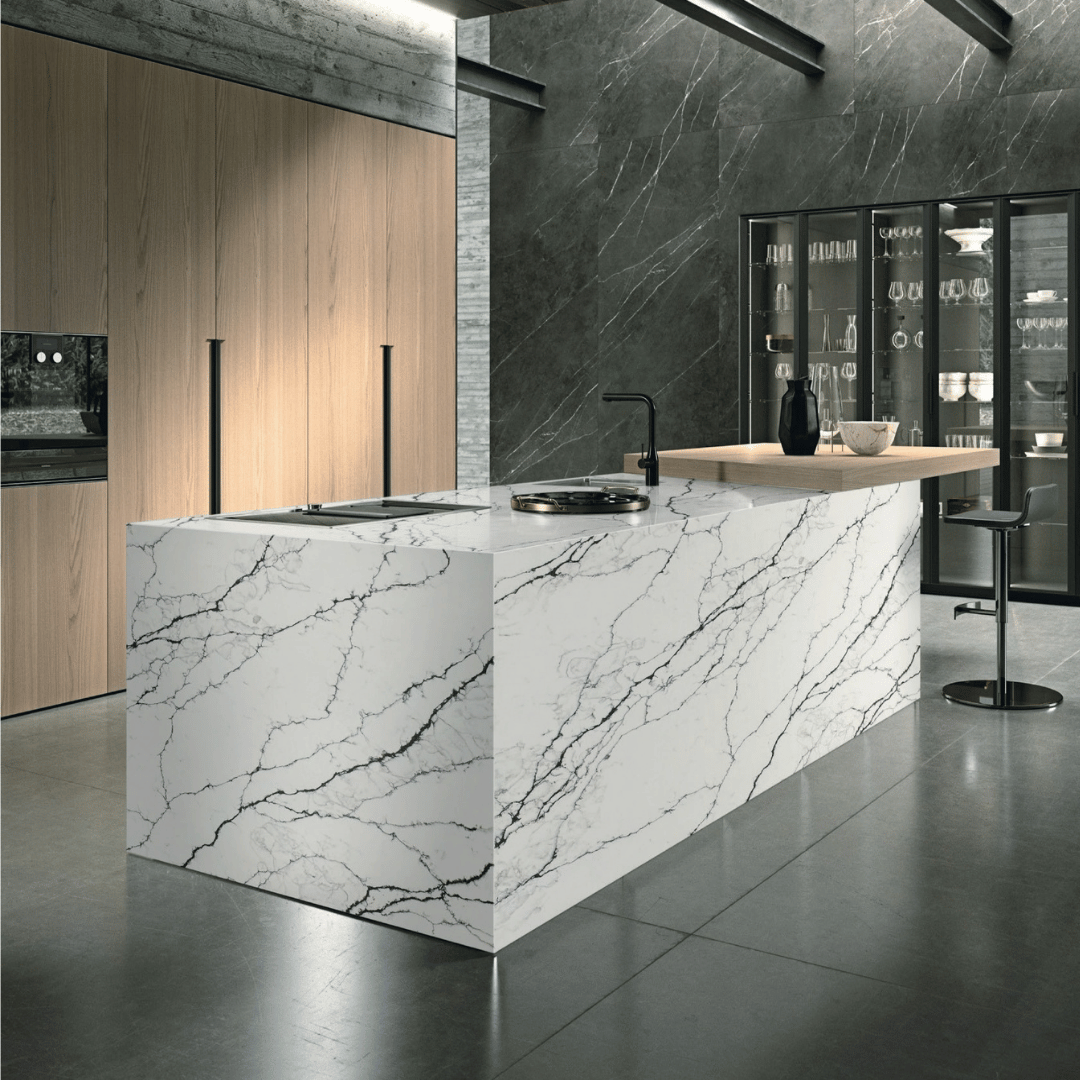
For instance, high-performance surfaces like premium quartz and large format porcelain slabs are engineered to resist scratches and stains, making them ideal for high-traffic areas.
Comparing Slab Materials: A Durability Overview
| Material | Durability Rating | Maintenance Level | Typical Lifespan |
|---|---|---|---|
| Quartz | High | Low | 25+ years |
| Porcelain | Very High | Low | 30+ years |
| Granite | High | Medium | 20+ years |
| Quartzite | Very High | Medium | 30+ years |
This comparison highlights that both porcelain and quartzite slabs offer exceptional durability, making them ideal choices for various applications. By investing in these premium materials, clients not only secure long-lasting surfaces but also minimize the need for frequent replacements, thus reducing waste.
Environmental Impact of Durable Slabs
The environmental advantages of choosing durable slab materials are manifold. Firstly, by extending the lifespan of materials, we significantly reduce the frequency of replacements. This translates into less waste sent to landfills, which is crucial given that construction and demolition debris accounts for approximately 25% of total waste in the U.S.
Moreover, durable materials often require fewer resources over time. For example, a single high-quality quartz slab can last over 25 years, while a lower-quality alternative might need to be replaced multiple times within the same period. This cycle not only consumes more raw materials but also increases the carbon footprint associated with manufacturing and transportation.
By prioritizing durable slab materials, we can play a significant role in minimizing our environmental impact. The U.S. Green Building Council emphasizes the importance of sustainable building practices, which include selecting materials that promote longevity and reduce waste.
Choosing the Right Slab Material for Your Project
When selecting slab materials, several factors should be considered to ensure you make the best choice for your specific needs:
- Project Type: Determine the purpose of the slab (countertops, flooring, walls) and choose materials accordingly.
- Aesthetic Preferences: Consider colors, patterns, and finishes that align with your design vision.
- Durability Requirements: Assess the level of wear and tear the slab will face and choose materials with appropriate durability ratings.
- Maintenance Needs: Factor in how much upkeep you are willing to commit to over time.
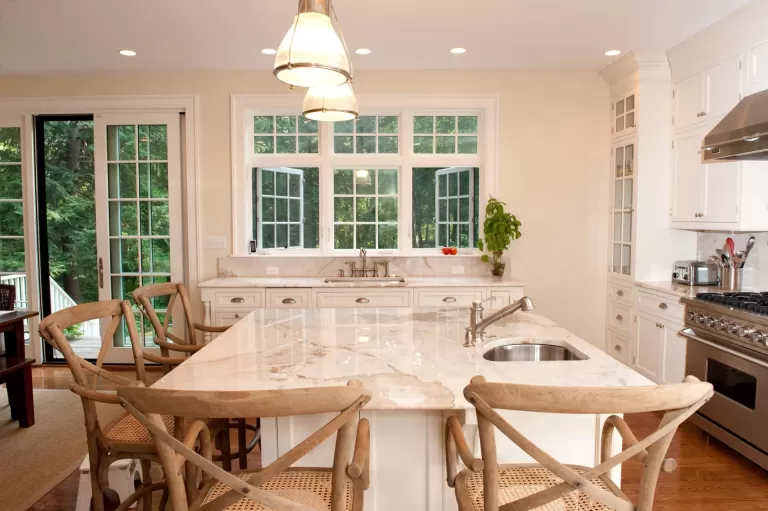
For example, quartz slabs are an excellent choice for kitchen countertops due to their low maintenance and high durability, while granite may be preferred for its unique natural beauty.
Maintenance Tips for Long-lasting Slab Surfaces
To maximize the lifespan of your slab materials, proper maintenance is essential. Here are some actionable tips:
- Regular Cleaning: Use a soft cloth and mild detergent to clean surfaces regularly. Avoid harsh chemicals that can damage the finish.
- Sealants: For porous materials like granite and quartzite, consider applying a sealant every few years to maintain their protective layer.
- Immediate Spill Cleanup: Wipe up spills immediately to prevent staining, especially with darker liquids like red wine.
- Avoid Heavy Impacts: Use cutting boards and trivets to protect surfaces from scratches and heat damage.
FAQs
1. What are the most durable slab materials available?
Some of the most durable slab materials include quartz, porcelain, granite, and quartzite. Each offers unique benefits depending on the application.
2. How long do slab materials typically last?
Durability varies by material, but high-performance options like porcelain and quartzite can last over 30 years with proper care.
3. Why is durability important in slab materials?
Durability reduces the need for replacements, which minimizes waste and the environmental impact associated with manufacturing and disposal.
4. How can I maintain my slab surfaces?
Regular cleaning, using sealants, and promptly addressing spills are key to maintaining slab surfaces.
5. What is the environmental impact of choosing durable materials?
Durable materials reduce landfill waste and the consumption of resources over time, contributing to a more sustainable construction practice.
6. Are quartz and porcelain slabs easy to maintain?
Yes, both quartz and porcelain slabs require minimal maintenance, making them ideal for busy households.
7. How do I choose the right slab material for my project?
Consider factors like project type, aesthetic preferences, durability requirements, and maintenance needs when selecting materials.
8. What are the benefits of investing in premium slab materials?
Investing in premium materials ensures longevity, enhances property value, and provides a high-quality aesthetic that can elevate any space.
9. Can I use porcelain slabs for outdoor projects?
Yes, porcelain slabs are highly resistant to UV rays and weather conditions, making them suitable for outdoor applications.
10. How do slab materials contribute to sustainable building practices?
By reducing waste and the need for frequent replacements, durable slab materials align with sustainable building practices that prioritize environmental responsibility.
11. What is the difference between quartz and quartzite?
Quartz is an engineered stone made from resin and natural quartz, while quartzite is a natural metamorphic rock. Both are durable but differ in composition and aesthetics.
12. Where can I find premium slab materials in Norcross, GA?
Builder Stone Global offers a wide range of premium quartz, porcelain, and natural stone slab materials at our showroom in Norcross, GA.