

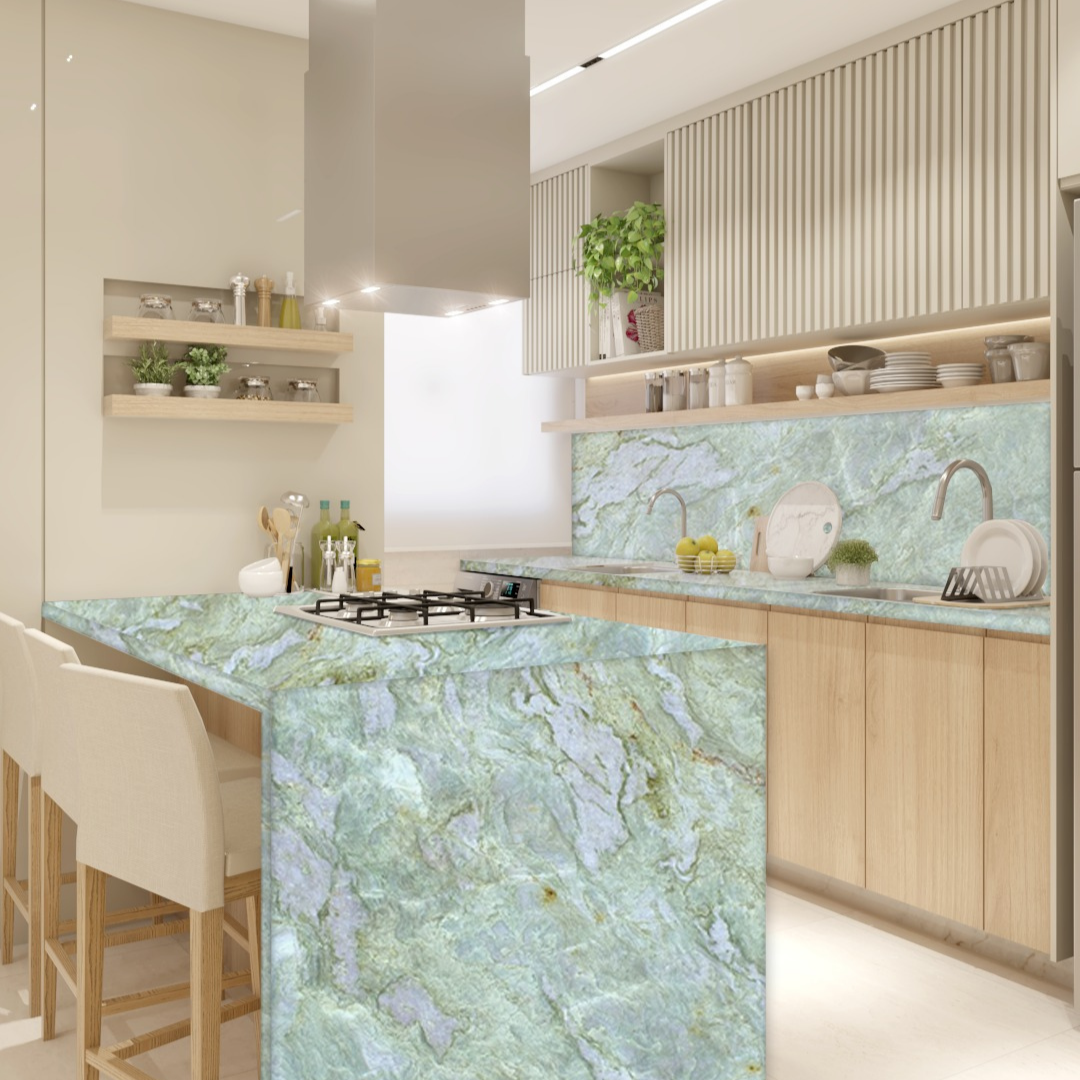
How Porcelain Slab Manufacturing from Natural Clays Minimizes Environmental Impact
How Porcelain Slab Manufacturing from Natural Clays Minimizes Environmental Impact
In an era where sustainability is at the forefront of architectural and interior design, the manufacturing of porcelain slabs from natural clays represents a significant step towards eco-friendly practices in the stone industry. As a premium quartz, porcelain, and natural stone slab distributor, Builder Stone Global is committed not only to delivering high-performance surfaces but also to promoting environmentally responsible manufacturing processes. This article explores how the use of natural clays in porcelain slab production minimizes environmental impact, providing insights into the materials, processes, and benefits involved.
Understanding Porcelain Slabs and Their Composition
Porcelain slabs are a versatile material widely used in architectural surfaces, countertops, and interior design elements. Made primarily from natural clays, feldspar, and silica, these slabs undergo a meticulous manufacturing process that results in durable, aesthetically pleasing products. The composition of porcelain slabs contributes to their strength, resistance to staining, and low porosity, making them ideal for high-performance applications.
At Builder Stone Global, our extensive inventory of porcelain slabs showcases a variety of colors and finishes, allowing architects and designers to create stunning environments while adhering to sustainable practices. Our commitment to high-performance surfaces aligns with the growing demand for eco-friendly materials in the construction industry.
The Environmental Impact of Traditional Manufacturing
Traditional manufacturing processes for stone and ceramic materials often involve significant energy consumption and greenhouse gas emissions. The extraction of raw materials, transportation, and processing can lead to soil erosion, habitat destruction, and pollution. According to the U.S. Environmental Protection Agency (EPA), the construction industry is responsible for a substantial portion of global carbon emissions, making sustainable practices imperative for reducing environmental impact.
By contrast, the use of natural clays in porcelain slab manufacturing presents an opportunity to mitigate these negative effects. As the industry shifts towards more sustainable practices, understanding the environmental implications of traditional methods is crucial for promoting change.
Natural Clays: A Sustainable Resource
Natural clays are abundant and widely available, making them a sustainable resource for porcelain slab production. These clays are typically sourced from local deposits, reducing transportation emissions and supporting local economies. Moreover, the extraction of natural clays often has a lower environmental footprint compared to other raw materials, such as quarried stone.
Natural clays possess unique properties that enhance the performance of porcelain slabs. They are plastic when wet, allowing for easy shaping and molding, and they harden upon firing, resulting in a durable final product. The use of natural clays not only minimizes waste but also supports the circular economy by allowing for the recycling of materials.
The Manufacturing Process of Porcelain Slabs
The manufacturing process of porcelain slabs involves several key steps, each designed to minimize environmental impact:
- Raw Material Selection: High-quality natural clays are sourced, ensuring minimal environmental disturbance and supporting local economies.
- Formulation: The clays are mixed with other ingredients, such as feldspar and silica, to create a homogeneous blend.
- Shaping: The mixture is formed into slabs using advanced technology, reducing waste and energy consumption.
- Drying: The slabs are dried to remove moisture, which can be done using energy-efficient methods.
- Sintering: The slabs are fired at high temperatures, transforming them into durable porcelain. This step can utilize renewable energy sources to further reduce carbon emissions.
- Quality Control: Rigorous quality control measures ensure that every slab meets the highest standards, reducing the likelihood of waste.
At Builder Stone Global, our commitment to sustainability is evident in our manufacturing partnerships, where we prioritize eco-friendly processes and materials. By understanding the intricacies of porcelain slab production, designers and builders can make informed choices that align with their sustainability goals.
Comparative Analysis: Porcelain vs. Other Materials
| Material | Environmental Impact | Durability | Maintenance |
|---|---|---|---|
| Porcelain Slabs | Low (natural clay source, less energy-intensive) | High (resistant to scratches, stains) | Easy (requires minimal upkeep) |
| Granite | Moderate (quarrying impact, higher energy use) | High (very durable) | Moderate (needs sealing) |
| Quartz | Moderate (engineered, resin impact) | High (resistant to heat, scratches) | Easy (non-porous) |
This comparison highlights the environmental benefits of choosing porcelain slabs over other materials. As architects and designers seek sustainable solutions, porcelain stands out as a premium choice that balances performance with eco-consciousness.
Benefits of Eco-Friendly Porcelain Slabs
Choosing eco-friendly porcelain slabs offers numerous advantages for both consumers and the environment:
- Reduced Carbon Footprint: The use of natural clays minimizes emissions associated with extraction and processing.
- Durability: Porcelain slabs are highly durable, reducing the need for replacements and waste.
- Low Maintenance: Their resistance to stains and scratches means less frequent cleaning and chemical use.
- Aesthetic Versatility: Available in a wide range of colors and finishes, porcelain slabs can suit any design style.
- Local Sourcing: Supporting local economies by sourcing materials close to manufacturing sites.
At Builder Stone Global, we are proud to offer a selection of eco-friendly porcelain slabs that meet the highest standards of quality and sustainability. Our products not only enhance architectural elegance but also contribute to a greener future.
Steps to Ensure Sustainable Practices in Your Projects
As a designer, architect, or builder, there are several actionable steps you can take to ensure sustainability in your projects:
- Choose Sustainable Materials: Opt for porcelain slabs made from natural clays, like those available at Builder Stone Global.
- Consider Life Cycle Impact: Assess the entire life cycle of materials, from extraction to disposal, to make informed choices.
- Incorporate Energy-Efficient Practices: Use energy-efficient equipment and renewable energy sources in your projects.
- Educate Clients: Inform clients about the benefits of eco-friendly materials and sustainable practices.
- Stay Informed: Keep up with industry trends and innovations in sustainable building materials.
By taking these steps, you can contribute to a more sustainable built environment while delivering high-quality, premium surfaces to your clients.
FAQs
FAQs about Porcelain Slab Manufacturing and Sustainability
1. What are porcelain slabs made from?
Porcelain slabs are primarily made from natural clays, feldspar, and silica, which are mixed and fired to create a durable product.
2. How do porcelain slabs minimize environmental impact?
The use of natural clays reduces carbon emissions associated with traditional manufacturing processes, and local sourcing minimizes transportation impacts.
3. Are porcelain slabs durable?
4. How do I maintain porcelain slabs?
5. What are the design options for porcelain slabs?
6. Can porcelain slabs be recycled?
7. How does porcelain compare to granite and quartz?
8. Where can I find eco-friendly porcelain slabs?
For more information or to explore our extensive inventory of porcelain slabs, check our live inventory or contact us directly. Our surface specialists are ready to assist you in selecting the right materials for your project.
Conclusion
In conclusion, the manufacturing of porcelain slabs from natural clays represents a significant advancement in sustainable architectural practices. By choosing eco-friendly materials, designers and builders can minimize environmental impact while delivering premium quality surfaces. Builder Stone Global is committed to providing high-performance porcelain slabs that align with sustainable goals. Together, we can elevate spaces with architectural elegance while preserving the environment for future generations.