
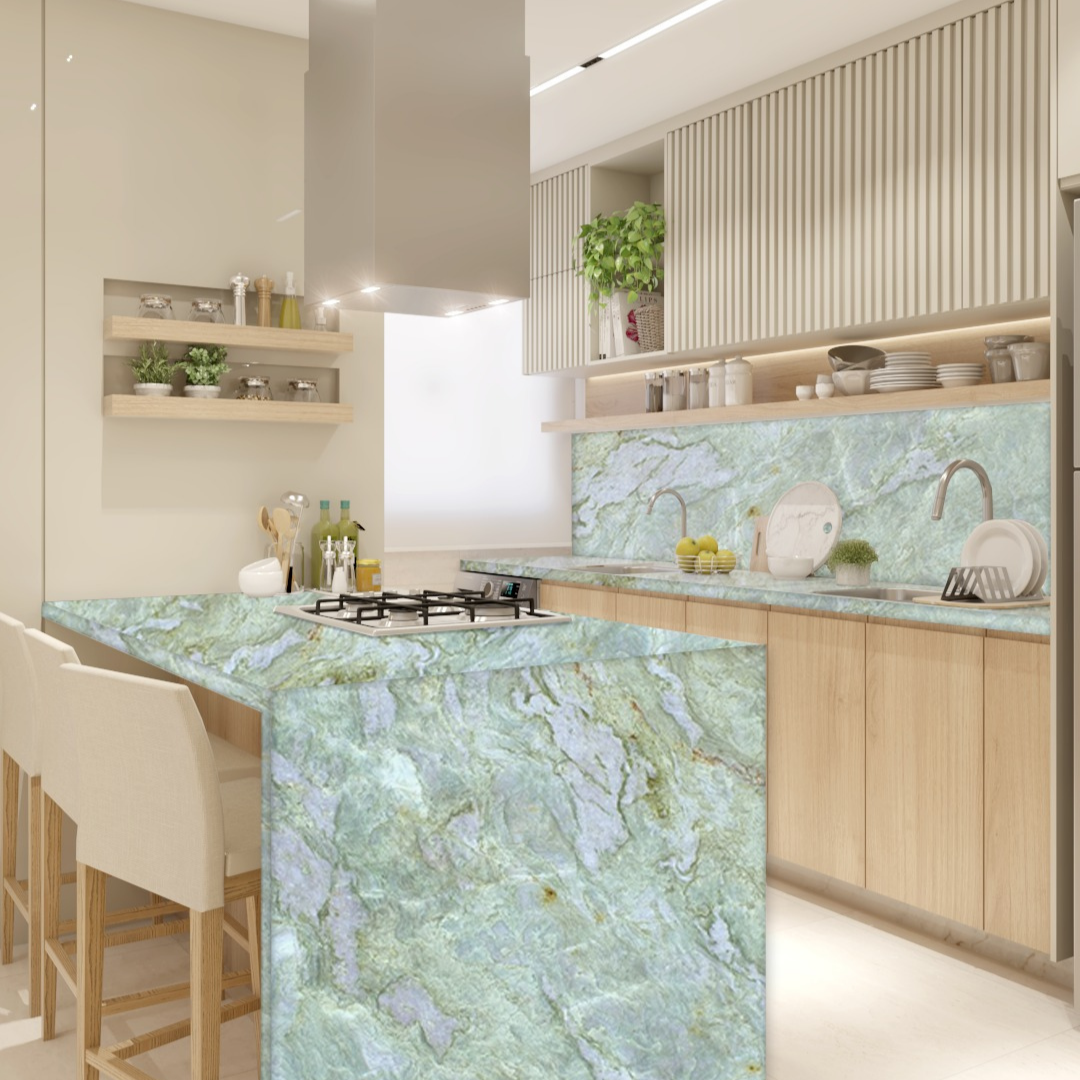

Slab Waste Reduction Tips for Fabricators: Maximizing Efficiency and Sustainability
Slab Waste Reduction Tips for Fabricators: Maximizing Efficiency and Sustainability
In the ever-evolving world of stone fabrication, the balance between efficiency and sustainability has never been more crucial. With rising material costs and increased environmental awareness, fabricators are seeking innovative ways to minimize waste without sacrificing quality. In this article, we will explore effective slab waste reduction tips that can enhance your operations while contributing to a greener future.
Understanding Slab Waste in Fabrication
Before delving into waste reduction strategies, it is vital to understand what slab waste encompasses. Slab waste refers to the material lost during the cutting, shaping, and finishing processes of stone slabs. This waste can result from:
- Miscalculations in measurements
- Improper cutting techniques
- Unwanted remnants after the installation
- Defects in the stone itself
By identifying these sources of waste, fabricators can better strategize their operations to minimize loss.
1. Accurate Measurements and Planning
One of the most significant contributors to waste is inaccurate measurements. Fabricators must invest time in precise planning before cutting any slabs. Utilizing advanced measuring tools and software can ensure that every cut is intentional and calculated. Here are some strategies to improve measurement accuracy:
- Use Digital Measuring Tools: Digital templates and laser measuring devices can enhance accuracy and reduce human error.
- Incorporate CAD Software: Computer-aided design (CAD) software allows for precise layout planning, enabling fabricators to visualize cuts and optimize slab usage.
- Create Detailed Templates: Before cutting, create physical templates to validate measurements and layout before the final cut.
2. Efficient Cutting Techniques
The cutting process is where much of the slab waste occurs. Implementing efficient cutting techniques can significantly reduce waste. Consider the following tips:
- Utilize Waterjet Cutting: Waterjet cutting minimizes chipping and fragmentation, allowing for cleaner cuts and less waste.
- Optimize Tool Selection: Use the right tools for specific materials. Diamond blades and specialized bits can enhance cut precision and reduce waste.
- Plan for Remnants: Design your cuts with remnant utilization in mind. Identify potential smaller pieces that can be used for other projects.
3. Reuse and Repurpose Scraps
Instead of discarding offcuts, explore ways to reuse and repurpose scraps. This practice not only reduces waste but can also create additional profit avenues. Here are some ideas:
- Create Smaller Products: Use leftover pieces for smaller applications such as coasters, sinks, or decorative elements.
- Offer Remnants for Sale: Set up a section in your showroom to sell remnant pieces at discounted prices, appealing to budget-conscious clients.
- Collaborate with Local Artists: Partner with local artisans to transform scraps into unique art pieces or furniture.
4. Invest in Quality Materials
Using high-quality materials can reduce waste caused by defects or flaws. Investing in premium quartz, porcelain, or natural stone slabs from reputable suppliers ensures that the material is less likely to chip or break during fabrication. Builder Stone Global, for example, offers extensive in-stock quartz slab inventory that provides consistent quality and minimizes the risk of waste.
5. Maintain Equipment and Tools
Regular maintenance of cutting tools and equipment is essential for efficient operation. Dull blades or misaligned machines can create unnecessary waste. Implement a maintenance schedule that includes:
- Regular sharpening of blades
- Calibration of cutting machines
- Routine inspections for wear and tear
6. Implement Lean Manufacturing Principles
Lean manufacturing focuses on minimizing waste while maximizing productivity. By adopting lean principles, fabricators can streamline operations and reduce slab waste. Key strategies include:
- Value Stream Mapping: Analyze each step in your fabrication process to identify areas of waste and inefficiency.
- Standard Operating Procedures: Establish clear workflows and SOPs to ensure consistency and reduce errors.
- Continuous Improvement: Encourage feedback from your team and be open to making changes based on their suggestions.
7. Educate Your Team
Education plays a vital role in waste reduction. Ensure that your team understands the importance of minimizing waste and is trained in best practices. Provide ongoing training sessions that cover
- Effective cutting techniques
- Material handling procedures
- Waste reduction strategies
8. Monitor and Analyze Waste
To effectively reduce waste, you need to monitor and analyze it regularly. Keep track of the amount and types of waste generated during fabrication. This data will help identify trends and areas for improvement. Consider using software solutions that can track waste metrics and generate reports for analysis.
9. Collaborate with Suppliers
Establish strong partnerships with your suppliers, like Builder Stone Global, who prioritize quality and sustainability. Discuss your waste reduction goals with them, and they may offer solutions or materials that align with your objectives.
10. Promote Sustainability Practices
Finally, promote sustainability practices within your business. By positioning your fabricator as an environmentally responsible company, you attract clients who value sustainability. Implementing waste reduction strategies not only benefits your bottom line but also contributes to a healthier planet.
Conclusion
Slab waste reduction is an essential aspect of modern stone fabrication. By implementing the tips discussed above, fabricators can enhance efficiency, reduce costs, and promote sustainability. Embrace the challenge of minimizing waste and watch as your business flourishes in a competitive market. For more information on high-quality quartz, porcelain, and natural stone slabs, contact our team or check our live inventory to explore our premium collections.