Porcelain Countertops vs. Quartz: Pros and Cons for Georgia Climate
Porcelain Countertops vs. Quartz: Pros and Cons for Georgia Climate
When it comes to selecting the perfect material for countertops in Georgia, homeowners and designers often find themselves weighing the benefits of porcelain and quartz. Both materials offer unique advantages and potential drawbacks, particularly in the context of Georgia’s humid subtropical climate. In this article, we will explore the pros and cons of porcelain and quartz countertops, helping you make an informed decision for your home.
Understanding Porcelain and Quartz
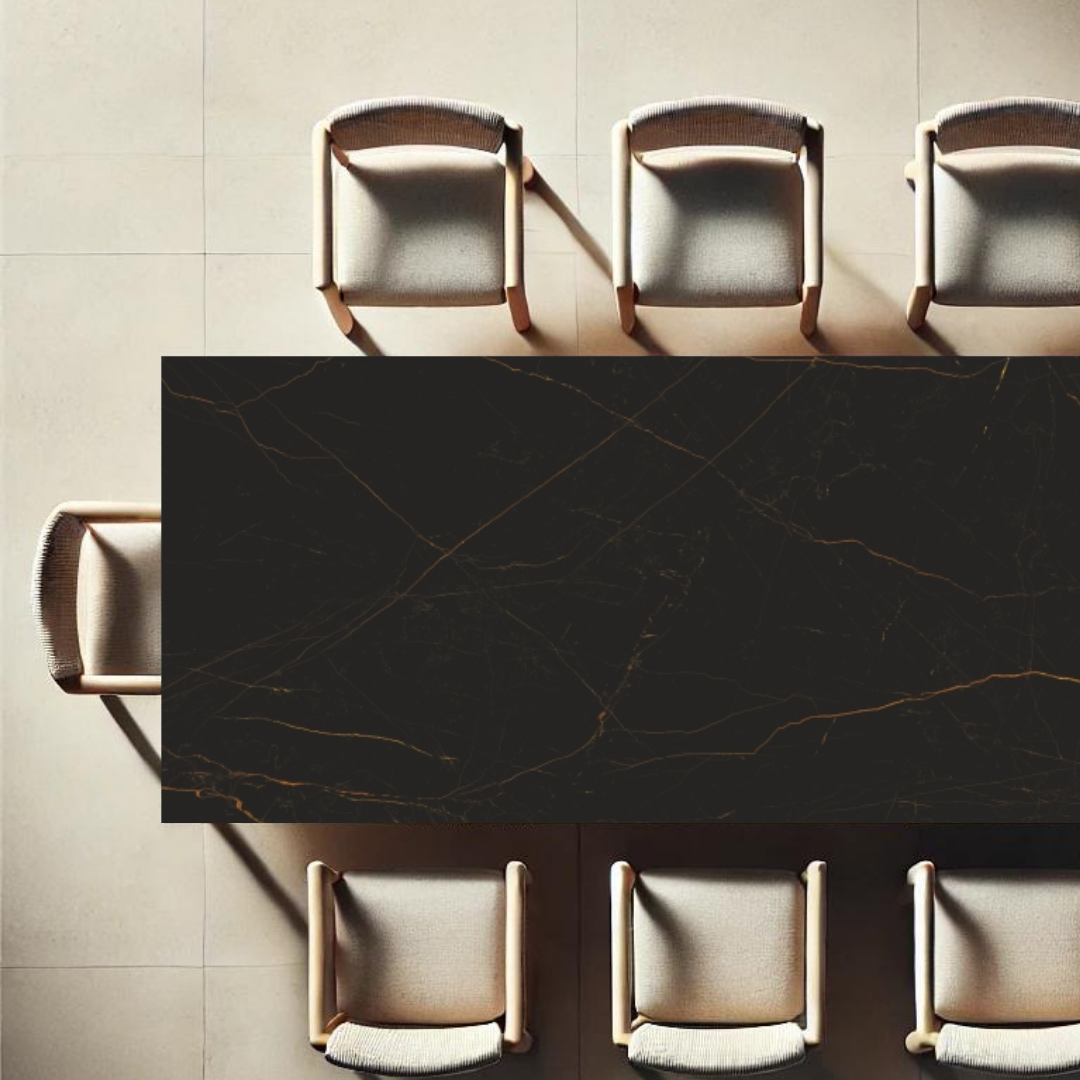
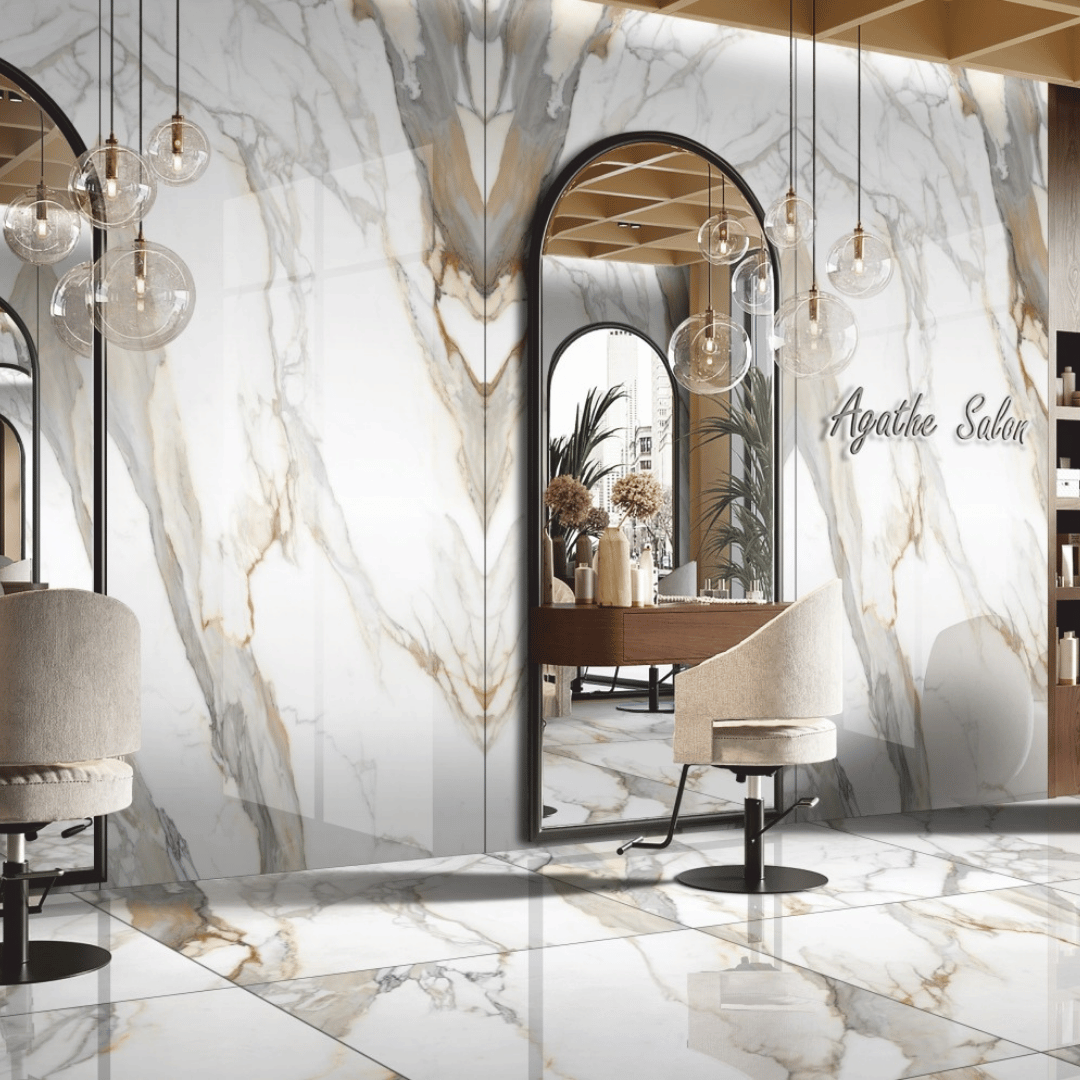
Before diving into the pros and cons, it’s essential to understand the fundamental differences between porcelain and quartz. Porcelain countertops are made from a dense, hard material crafted through the process of heating clay and other raw materials at extremely high temperatures. This results in a non-porous, durable surface that is resistant to stains and scratches.
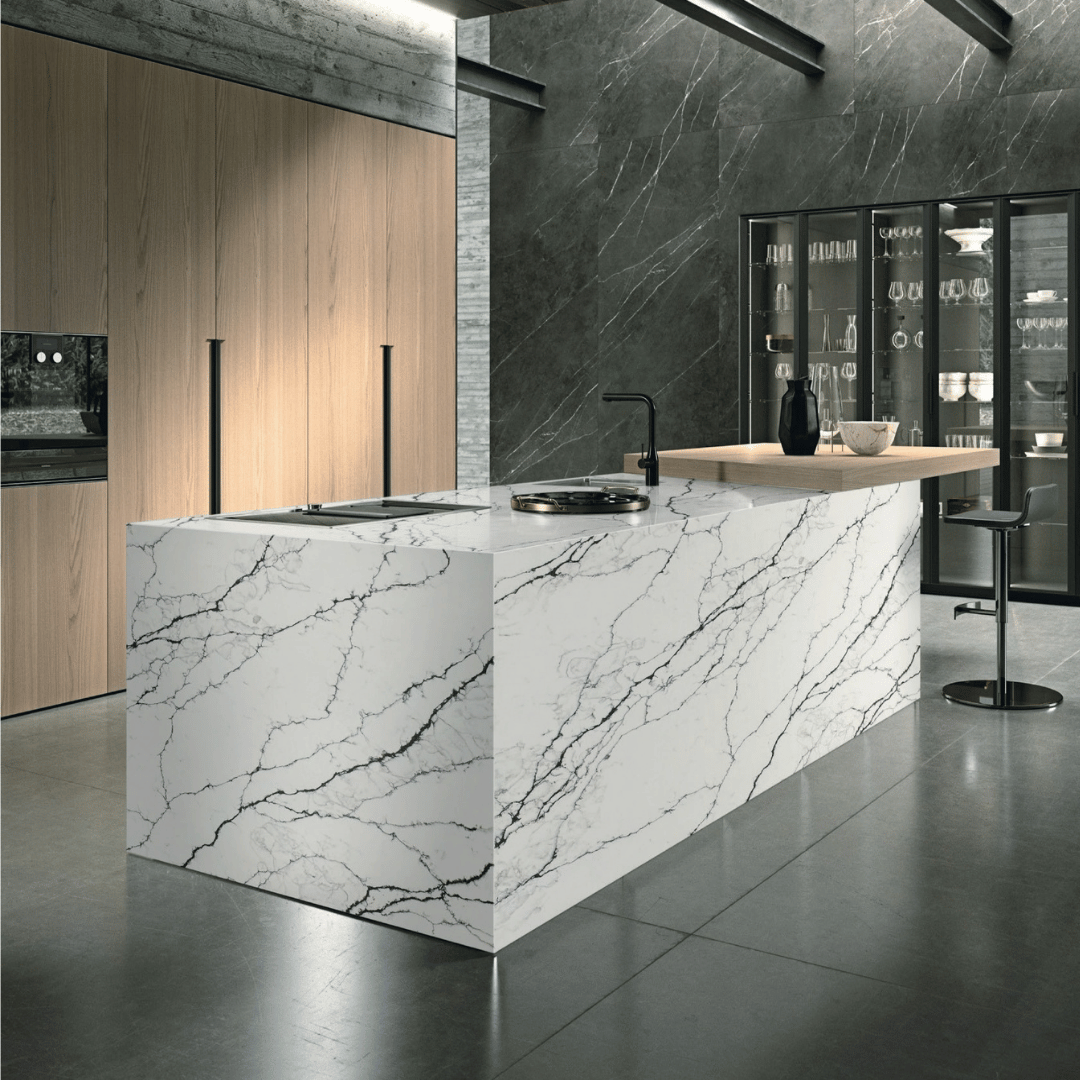
Quartz countertops, on the other hand, are engineered stone surfaces made from approximately 90-95% crushed natural quartz crystals mixed with resins, pigments, and polymers. This process results in a surface that is both beautiful and functional, providing a wide variety of colors and patterns to choose from.
Pros of Porcelain Countertops
1. Durability and Resistance
Porcelain is known for its exceptional durability. It is highly resistant to scratches, heat, and stains, making it an excellent choice for high-traffic areas like kitchens. In Georgia’s humid climate, where spills can occur frequently, porcelain’s non-porous nature means that moisture won’t seep into the material, preventing mold and mildew growth.
2. Aesthetic Flexibility
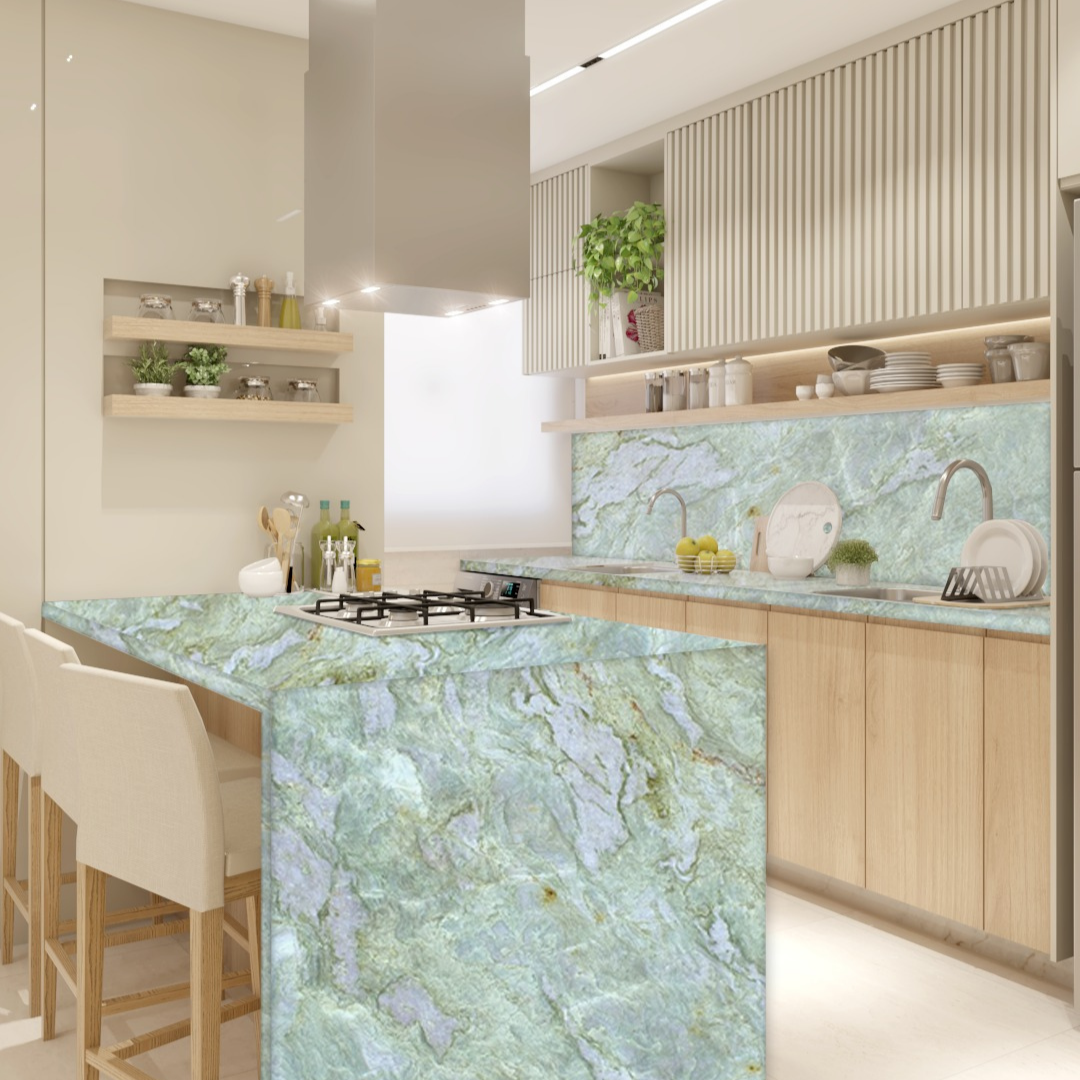
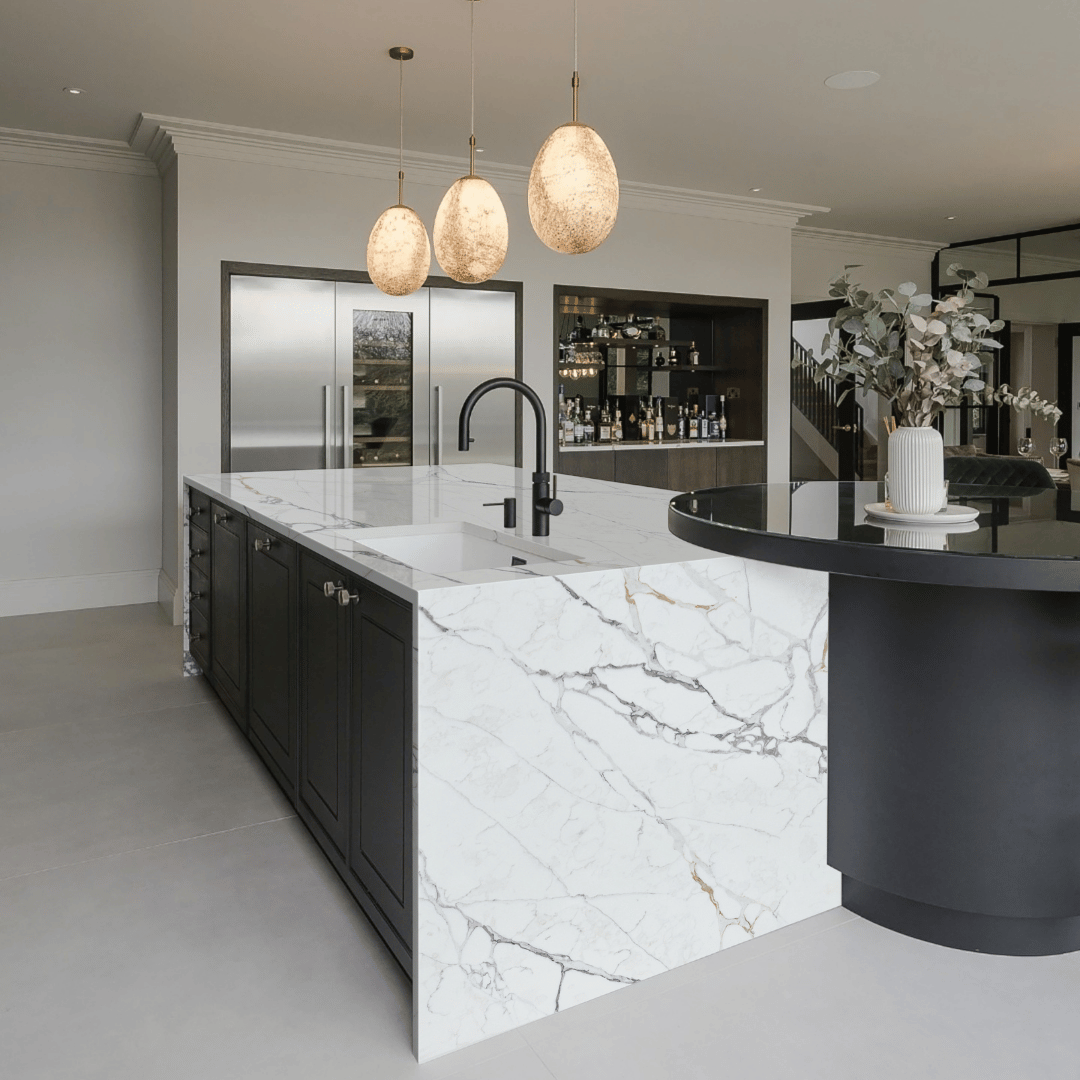
Porcelain countertops are available in a vast array of colors and designs, allowing homeowners to achieve their desired aesthetic. Whether you want a sleek, modern look or something more rustic, there’s likely a porcelain option that fits your vision.
3. Low Maintenance
With porcelain, maintenance is minimal. It does not require sealing, unlike some natural stones, and can be easily cleaned with mild soap and water. This is particularly beneficial in Georgia, where humidity can lead to more frequent cleaning needs.
Cons of Porcelain Countertops
1. Weight
Porcelain countertops can be heavier than other materials, which may require additional support during installation. Homeowners should consult with professionals to ensure their cabinetry can handle the weight.
2. Potential for Chipping
While porcelain is generally durable, it can chip if subjected to heavy impact. This is something to consider if you have a busy kitchen with frequent use of heavy cookware.
Pros of Quartz Countertops
1. Versatility in Design
Quartz countertops are celebrated for their versatility. With a wide range of colors, patterns, and finishes available, quartz can suit any design scheme, from contemporary to traditional.
2. Non-Porous Surface
Like porcelain, quartz is non-porous, which means it resists staining and bacterial growth. This makes it an excellent choice for kitchens and bathrooms, where cleanliness is paramount.
3. Consistent Quality
Quartz countertops are engineered, meaning that the quality and appearance of each slab are consistent. Homeowners can trust that they are receiving a product that meets specific standards.
Cons of Quartz Countertops
1. Heat Sensitivity
One of the primary drawbacks of quartz countertops is their sensitivity to heat. While they can withstand some heat, placing hot pots or pans directly on the surface can lead to damage. This is a crucial consideration for those who frequently cook.
2. Requires Sealing
Although quartz is non-porous, it can still require sealing to maintain its appearance and prevent scratching. This adds a maintenance component that some homeowners may wish to avoid.
Comparison in the Context of Georgia’s Climate
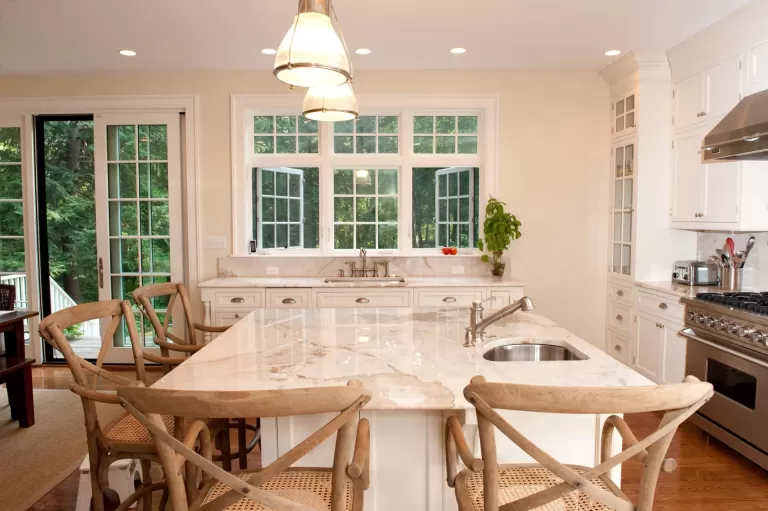
In Georgia’s humid climate, both materials have their strengths. Porcelain’s resistance to moisture and low maintenance requirements make it a strong contender for areas prone to spills and humidity. However, quartz’s aesthetic versatility and consistent quality also present compelling reasons to choose it.
Conclusion
Ultimately, the choice between porcelain and quartz countertops depends on your specific needs and preferences. If you prioritize durability, low maintenance, and resistance to humidity, porcelain may be the better option. On the other hand, if you value design versatility and consistent quality, quartz could be the right choice for you. Both materials have unique benefits that can enhance your home, so consider your lifestyle, budget, and aesthetic goals when making your decision.
Contact Builder Stone Global
If you’re interested in exploring premium quartz or porcelain options for your home, contact Builder Stone Global at +1 470-551-2092 or visit our showroom in Norcross, GA. Our surface specialists are ready to assist you in finding the perfect countertops for your needs.