
Why Large Format Porcelain Slabs Reduce Seam Count for Cleaner Surface Aesthetics
Why Large Format Porcelain Slabs Reduce Seam Count for Cleaner Surface Aesthetics
Updated on August 14, 2026
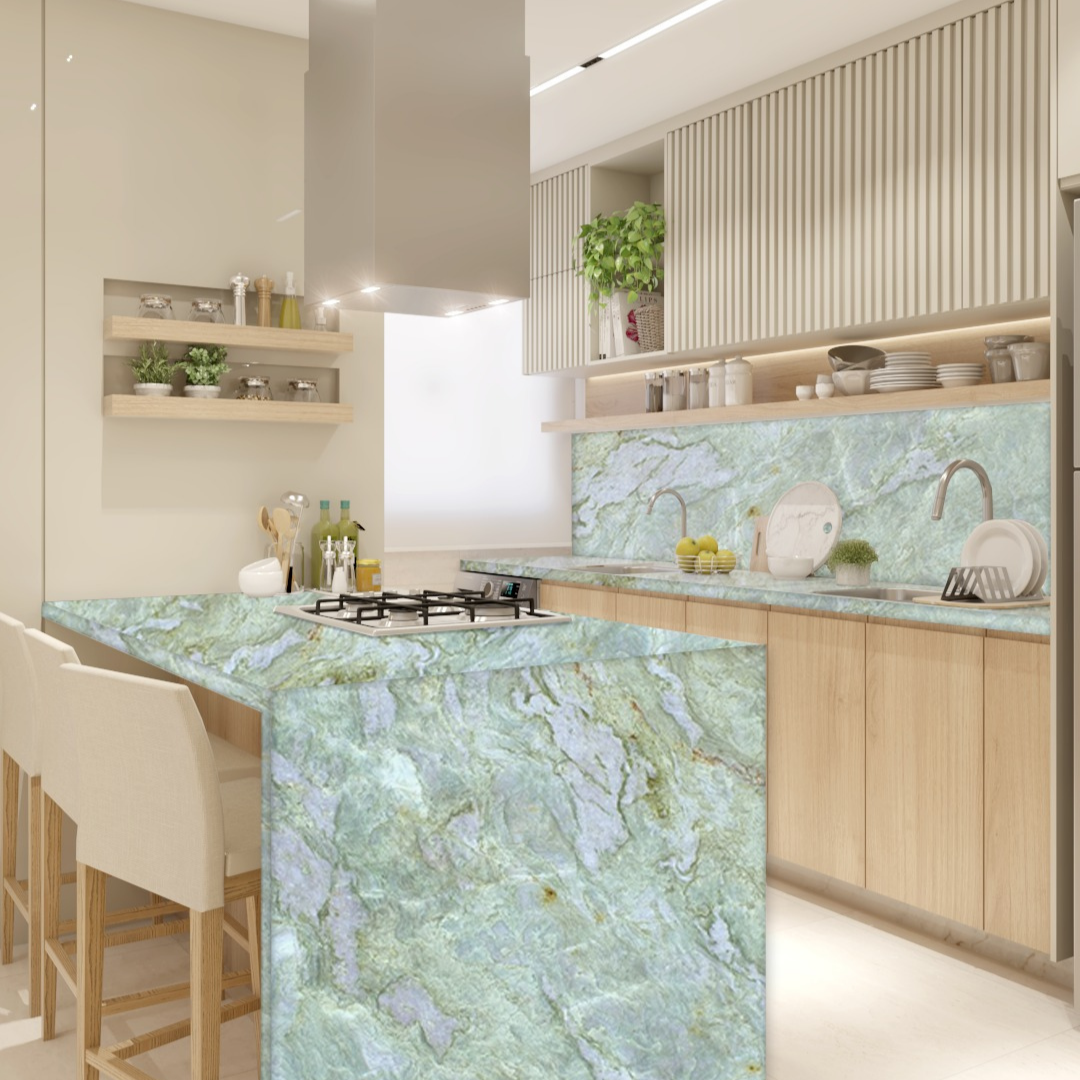
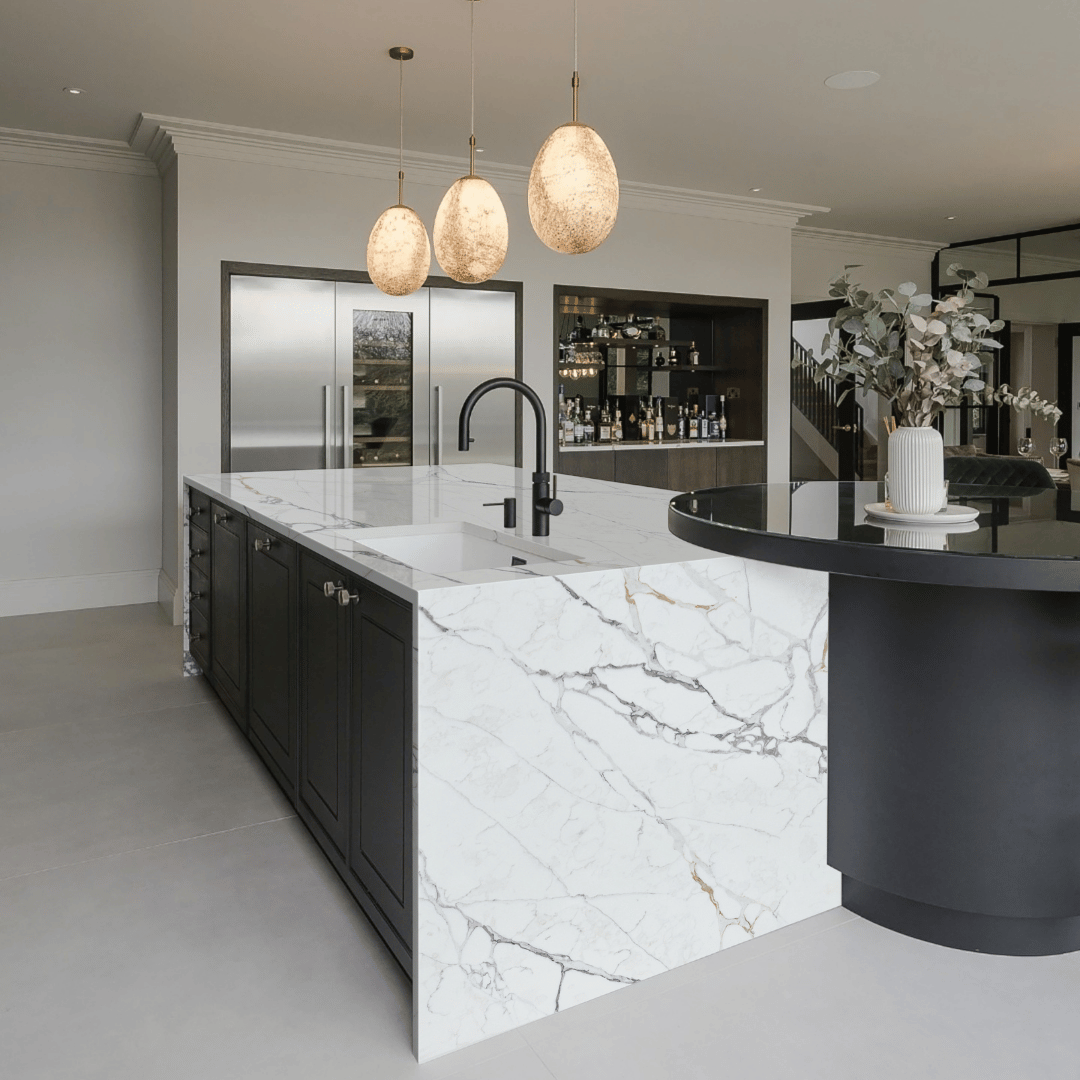
In the world of architectural design, aesthetics play an essential role in creating spaces that are not only functional but also visually appealing. When it comes to surfaces, the choice of materials can significantly impact the overall look and feel of any project. Large format porcelain slabs have emerged as a game-changer in the industry, offering a multitude of benefits, one of the most significant being their ability to reduce seam count. In this comprehensive guide, we will explore why large format porcelain slabs are the preferred choice for architects, designers, and homeowners looking to achieve cleaner surface aesthetics while maintaining high-performance standards.
Understanding Large Format Porcelain Slabs
Large format porcelain slabs are defined as tiles that exceed the standard dimensions of traditional porcelain tiles, typically starting at 24 inches by 48 inches and going up to sizes as large as 5 feet by 10 feet. These slabs are manufactured using advanced technology that allows for the creation of thin yet durable surfaces, making them ideal for various applications including countertops, backsplashes, and wall coverings.
One of the key advantages of large format porcelain slabs is their versatility. They can be used in both residential and commercial spaces, providing a seamless look that is highly sought after in modern design. Additionally, their high-performance characteristics, including heat resistance, scratch resistance, and low porosity, make them an excellent choice for high-traffic areas.
The Importance of Seam Count in Surface Design
Seams are the joints where two pieces of material meet. In traditional surface applications, seams are often necessary due to the limited size of the materials used. However, seams can be detrimental to the overall aesthetics and functionality of a surface. They can create visual interruptions, attract dirt and grime, and complicate maintenance.
Reducing seam count is crucial for achieving a clean, uninterrupted surface. This is particularly important in spaces like kitchens and bathrooms, where hygiene and aesthetics are paramount. Fewer seams mean fewer places for bacteria to hide and less effort required for cleaning and upkeep.
How Large Format Porcelain Slabs Reduce Seam Count
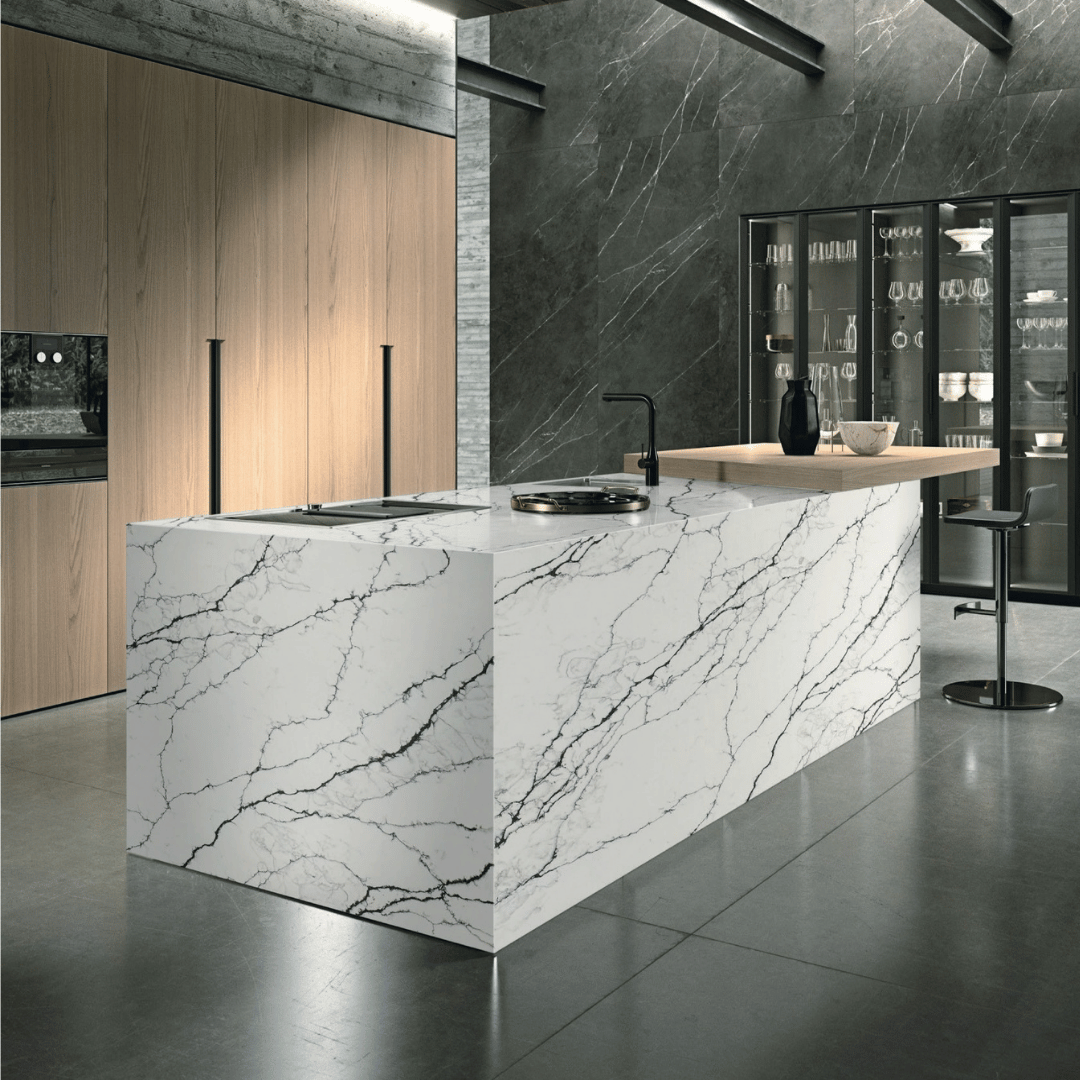
Large format porcelain slabs significantly reduce seam count by providing larger surface areas that can cover more space without the need for multiple pieces. For instance, a single large slab can replace several smaller tiles or slabs, effectively minimizing the number of seams required.
Moreover, advancements in manufacturing technology have enabled the production of these slabs with remarkable consistency in color, pattern, and texture. This uniformity allows for better alignment and less visual disruption, enhancing the overall aesthetic appeal of the installation.
Benefits of Reduced Seam Count
The benefits of reducing seam count extend beyond aesthetics. Here are some key advantages:
- Enhanced Aesthetics: Large format porcelain slabs create a sleek, modern look that is highly desirable in contemporary design.
- Improved Hygiene: Fewer seams mean fewer crevices for bacteria and dirt to accumulate, making surfaces easier to clean and maintain.
- Increased Durability: Large slabs are less likely to crack or chip due to fewer joints, which can be points of weakness in traditional installations.
- Cost-Effective: Although the initial investment may be higher, the long-term savings in maintenance and cleaning can offset the costs.
Comparative Analysis: Large Format vs. Standard Slabs
| Feature | Large Format Porcelain Slabs | Standard Slabs |
|---|---|---|
| Size | Typically 24″ x 48″ and larger | Typically 12″ x 24″ or smaller |
| Seam Count | Fewer seams due to larger size | Higher seam count due to smaller size |
| Aesthetic Appeal | Seamless, modern look | More visible seams, less uniform |
| Maintenance | Easier to clean, fewer grout lines | More grout lines, harder to maintain |
| Durability | Higher durability, fewer points of failure | More joints, potential weak points |
Choosing the Right Large Format Porcelain Slab
When selecting large format porcelain slabs, consider the following factors:
- Thickness: Common thicknesses range from 6mm to 12mm. Thicker slabs offer greater durability but may be heavier and require more robust support.
- Finish: Choose between polished, matte, or textured finishes based on the intended use and aesthetic preference.
- Color and Pattern: Ensure the color and pattern align with your design vision. Consider how the slab will complement surrounding materials.
- Supplier Reputation: Work with reputable suppliers like Builder Stone Global that offer premium quality and reliable service. Call +1 470-551-2092 to speak with our surface specialists.
Maintenance and Care for Large Format Porcelain Surfaces
Maintaining large format porcelain slabs is relatively simple:
- Regular Cleaning: Use a soft cloth or mop with a pH-neutral cleaner to wipe down surfaces regularly.
- Stain Removal: For stubborn stains, create a paste using baking soda and water, apply it to the stain, and let it sit for a few minutes before wiping clean.
- Sealing: While many large format porcelain slabs are non-porous and do not require sealing, check with your supplier for specific recommendations.
Conclusion
Large format porcelain slabs are revolutionizing the way we approach surface design. By reducing seam count, they provide cleaner surface aesthetics, improved hygiene, and enhanced durability. For architects, designers, and homeowners seeking to create stunning, functional spaces, investing in large format porcelain slabs is a decision that pays off in both the short and long term. To explore our extensive inventory of premium porcelain slabs, visit our live inventory or contact us for personalized assistance.
FAQs
1. What are large format porcelain slabs?
Large format porcelain slabs are tiles that exceed standard dimensions, typically starting from 24″ x 48″ and can be as large as 5′ x 10′.
2. How do large format porcelain slabs reduce seam count?
They cover larger areas, allowing for fewer pieces to be used, which minimizes the number of seams.
3. What are the benefits of fewer seams in surface design?
Fewer seams lead to enhanced aesthetics, improved hygiene, increased durability, and easier maintenance.
4. Are large format porcelain slabs suitable for outdoor use?
Yes, many large format porcelain slabs are designed to be weather-resistant and can be used for outdoor applications.
5. How do I maintain large format porcelain surfaces?
Regular cleaning with a pH-neutral cleaner and occasional stain removal with a baking soda paste is recommended.
6. What thickness options do large format porcelain slabs come in?
Common thicknesses range from 6mm to 12mm.
7. Can I use large format porcelain slabs for countertops?
Yes, they are ideal for countertops due to their durability and aesthetic appeal.
8. Where can I find premium large format porcelain slabs?
Builder Stone Global offers an extensive selection of premium large format porcelain slabs. Check our live inventory for options.