The Complete Guide to Quartzite Slab Edge Profile Options and Structural Considerations
The Complete Guide to Quartzite Slab Edge Profile Options and Structural Considerations
When it comes to selecting the perfect edge profile for your quartzite slabs, there is much more at stake than mere aesthetics. The choice of edge profile can significantly influence the overall appearance, functionality, and durability of your surfaces. This guide will delve into the various edge profile options available for quartzite slabs and the structural considerations involved in making the right selection. With our extensive experience as a leading quartz slab distributor in Norcross, GA, Builder Stone Global is here to provide you with the insights needed to make an informed decision.
What is Quartzite?
Quartzite is a metamorphic rock that originates from sandstone. It is formed under high heat and pressure, which leads to the recrystallization of the original quartz grains. This process results in a dense, hard surface that offers exceptional durability and resistance to scratching and staining, making it a popular choice for countertops, flooring, and other architectural surfaces. The natural beauty of quartzite, combined with its performance characteristics, positions it as a premium material for both residential and commercial applications.
Benefits of Quartzite Slabs
Choosing quartzite slabs for your project comes with numerous advantages:
- Durability: Quartzite is highly resistant to heat, scratches, and stains, making it ideal for high-traffic areas.
- Aesthetic Appeal: The unique patterns and colors found in quartzite enhance the visual impact of any space.
- Low Maintenance: Quartzite requires minimal care and can last for decades with proper maintenance.
- Versatility: It can be used for a variety of applications, including countertops, backsplashes, and flooring.
Introduction to Edge Profiles
Edge profiles refer to the finished edge of the quartzite slab, which can dramatically affect the surface’s overall look and functionality. Selecting the right edge profile is crucial as it not only influences aesthetics but also plays a role in the slab’s structural integrity. For instance, a thicker edge may provide more support and durability, while a more intricate profile can enhance the design’s elegance. In the following sections, we will explore various edge profile options available for quartzite slabs.
Popular Edge Profiles for Quartzite Slabs
Understanding the different edge profiles will help you choose the most suitable option for your quartzite slab installation. Here are some popular edge profiles:
1. Eased Edge
The eased edge profile features a slightly rounded edge, which creates a soft appearance without compromising the slab’s straight lines. This profile is popular for its simplicity and works well in modern and minimalist designs.
2. Beveled Edge
The beveled edge profile features a diagonal cut along the top edge, creating a sleek and contemporary look. This profile is often chosen for its ability to reduce chipping and enhance the overall durability of the slab.
3. Bullnose Edge
With a fully rounded edge, the bullnose profile provides a smooth finish that is both safe and visually appealing. This edge profile is commonly used in kitchen countertops and is ideal for spaces with children.
4. Mitered Edge
The mitered edge profile features a 45-degree angle cut that creates a seamless appearance, particularly when using thicker slabs. This profile is favored for its sophisticated look and is often used in high-end designs.
5. Ogee Edge
The ogee edge profile features an elegant S-shaped curve, adding a touch of luxury to any surface. This profile is often selected for traditional and ornate designs, enhancing the architectural elegance of the space.
6. Waterfall Edge
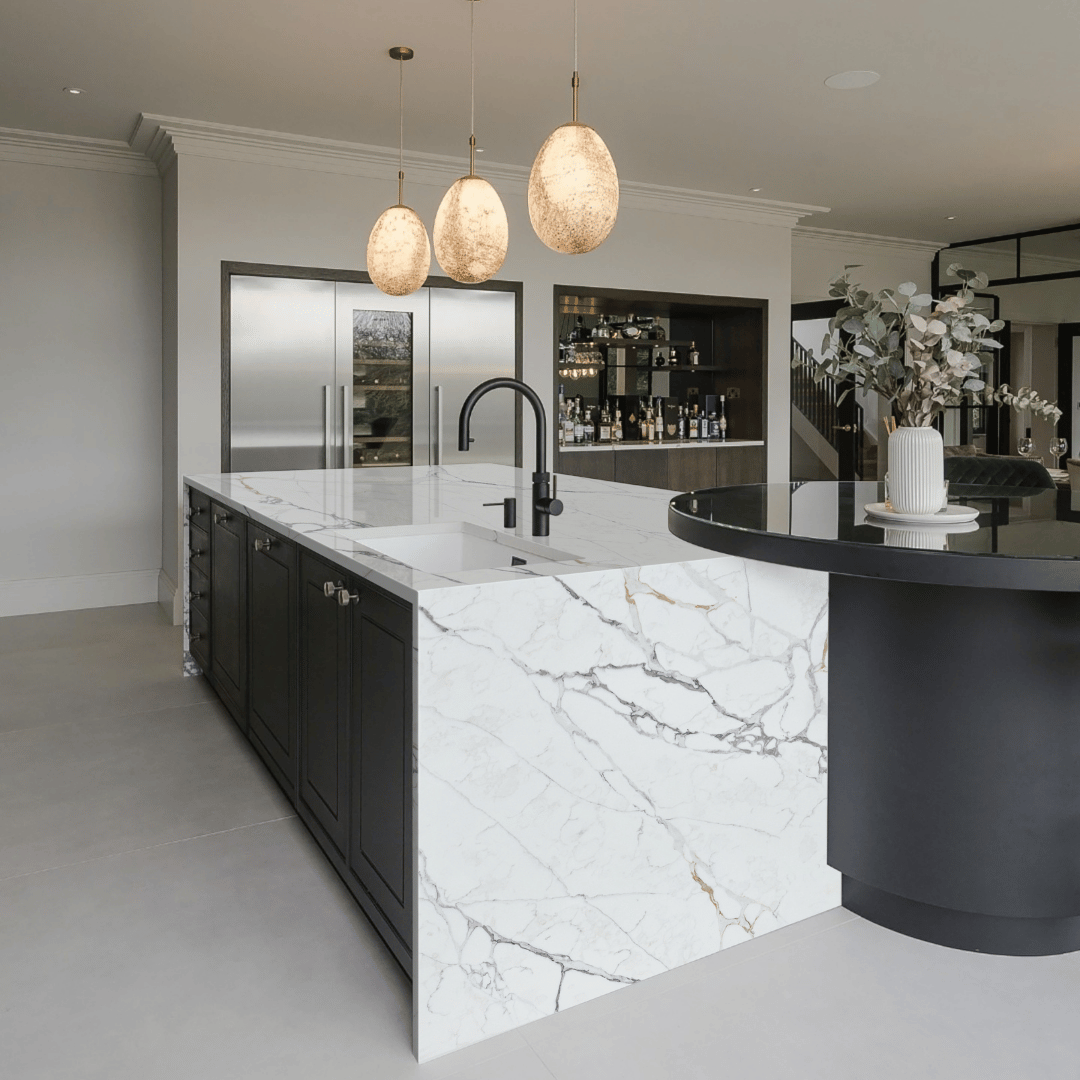
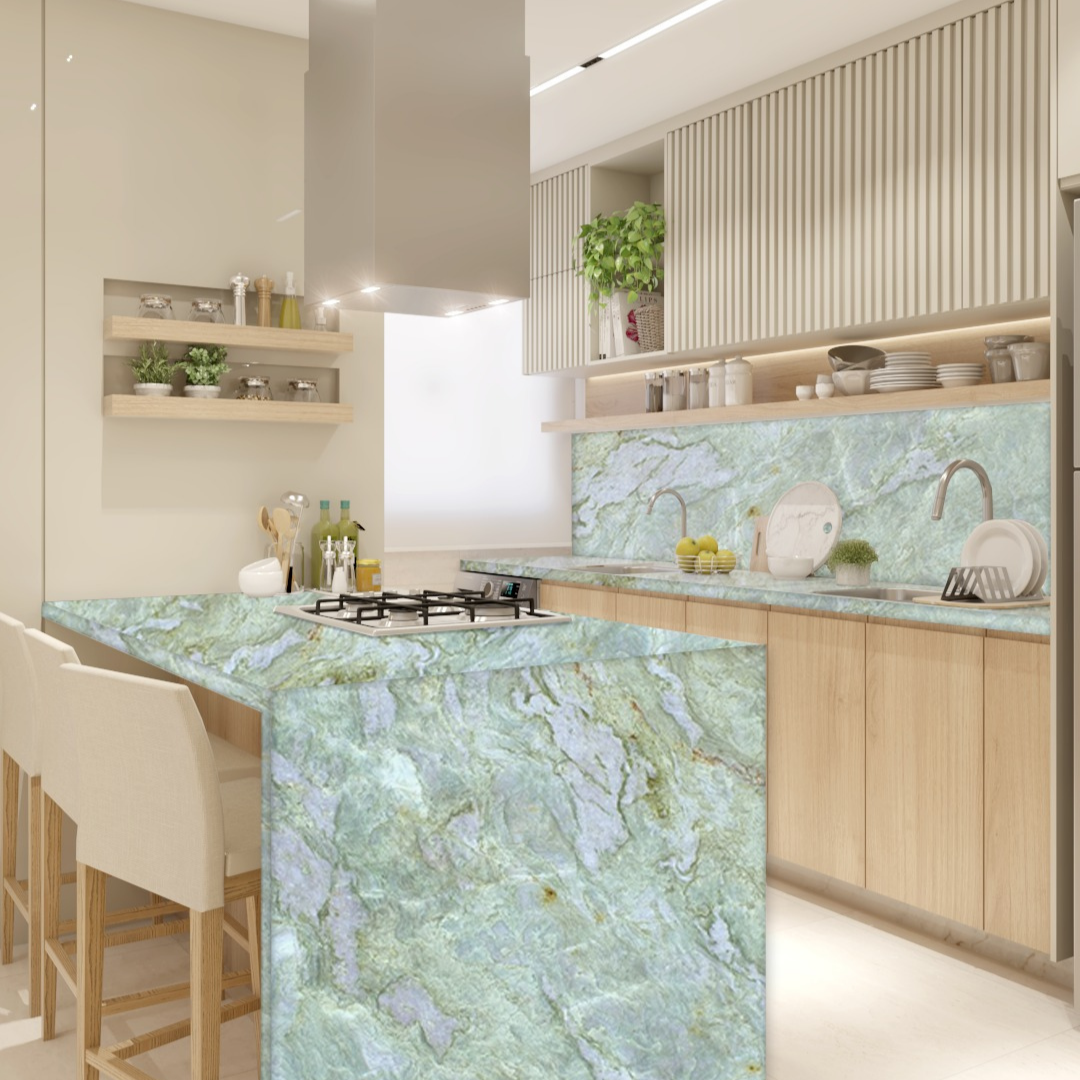
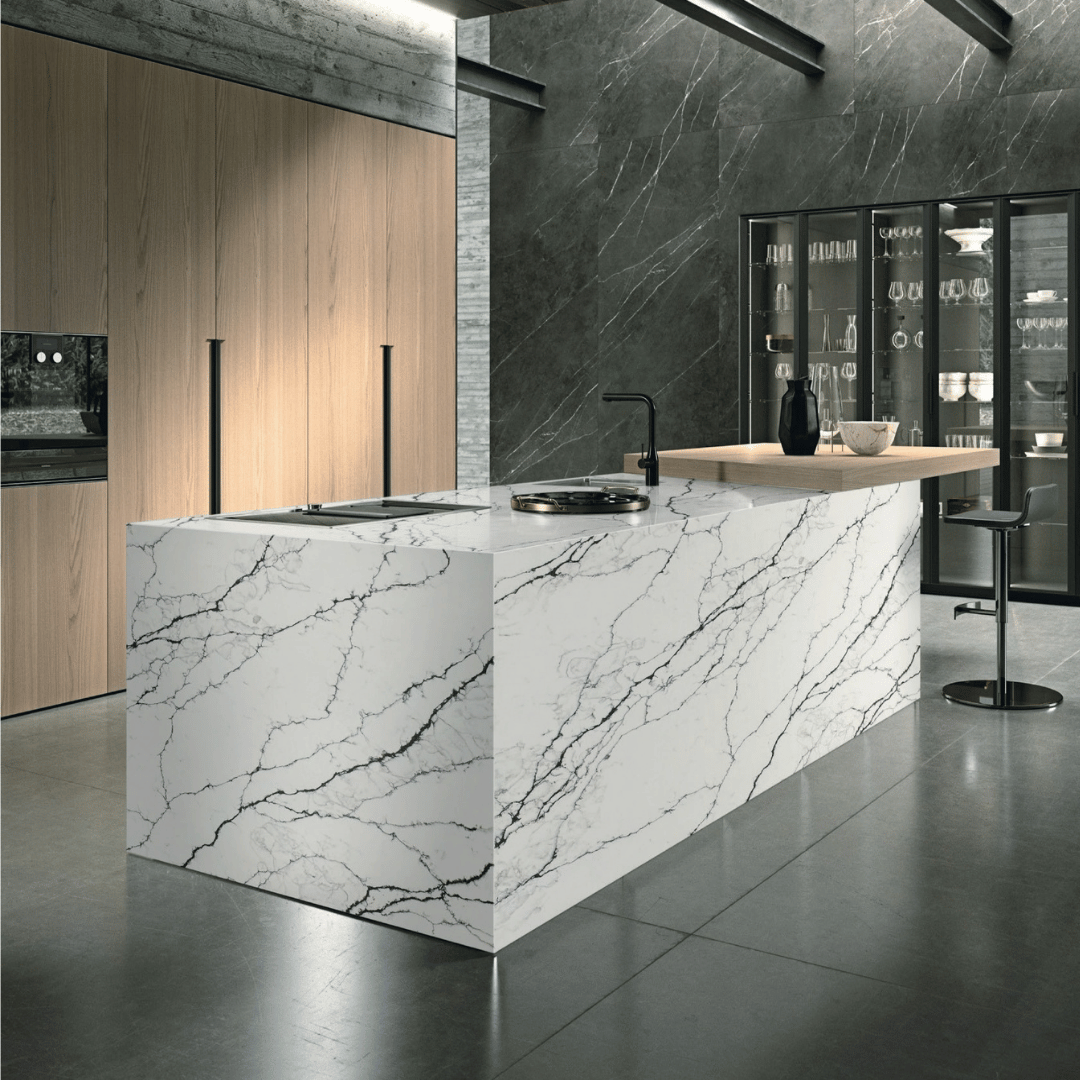
The waterfall edge profile creates a stunning visual effect where the countertop appears to flow over the edge and down the sides. This profile is increasingly popular in modern designs, particularly in kitchens and islands.
7. Custom Edge Profiles
For those looking for a unique touch, custom edge profiles can be designed to meet specific aesthetic preferences. Collaborating with a skilled fabricator allows you to create an edge profile that reflects your personal style and complements your overall design.
Choosing the Right Edge Profile
Selecting the right edge profile requires careful consideration of various factors:
- Style: Consider the overall aesthetic of your space. Choose an edge profile that complements your design style, whether it’s modern, traditional, or eclectic.
- Functionality: Think about how the space will be used. For high-traffic areas or homes with children, a rounded profile may be more practical.
- Thickness of the Slab: The slab thickness can influence the edge profile choice. Thicker slabs often allow for more intricate profiles.
- Maintenance: Some edge profiles may require more upkeep than others. Consider your willingness to maintain the chosen profile.
- Budget: Custom edge profiles may come at a higher cost. Establish a budget before making your selection.
Structural Considerations for Quartzite Slabs
Beyond aesthetics, structural integrity is paramount when selecting quartzite slabs and edge profiles. Here are essential factors to consider:
1. Thickness of the Slab
The thickness of the quartzite slab is crucial for its strength and durability. Common thicknesses include 2 cm (3/4 inch) and 3 cm (1 1/4 inch). Thicker slabs provide better support, especially for larger countertops or overhangs.
2. Support Structures
Ensure that your cabinetry or support structures are designed to handle the weight of the quartzite slabs. For larger installations, additional support may be necessary to prevent sagging or cracking.
3. Edge Profile Impact
The chosen edge profile can affect the slab’s overall strength. For example, intricate profiles may require additional support to maintain structural integrity. Consult with a professional fabricator to understand the implications of your edge profile choice.
4. Installation Techniques
Proper installation is vital for ensuring the longevity of your quartzite slabs. Engage experienced professionals who understand the specific requirements for quartzite, including proper sealing and securing methods.
5. Environmental Conditions
Consider the environmental conditions where the quartzite will be installed. Extreme temperature fluctuations can affect the material, so ensure it is suitable for your climate.
Maintenance and Care of Quartzite Edges
Maintaining the beauty and durability of your quartzite slab edges requires regular care:
- Sealing: Quartzite is naturally porous, making it essential to seal the surface to prevent staining. Reapply the sealant as recommended by your fabricator.
- Cleaning: Use a mild soap and warm water for daily cleaning. Avoid harsh chemicals that can damage the surface.
- Preventing Damage: Use cutting boards and trivets to prevent scratches and heat damage to the edges.
Frequently Asked Questions
1. What is the best edge profile for quartzite slabs?
The best edge profile depends on your design preferences and the functionality of the space. Popular choices include eased, bullnose, and mitered edges.
2. How thick should quartzite slabs be for countertops?
Quartzite slabs are commonly available in 2 cm (3/4 inch) and 3 cm (1 1/4 inch) thicknesses. Thicker slabs offer more durability and support.
3. Can quartzite slabs chip easily?
Quartzite is highly durable, but edges, especially with intricate profiles, can chip if not properly maintained. Rounded edges often provide better protection against damage.
4. How do I maintain my quartzite slab edges?
Regular cleaning, sealing, and using cutting boards can help maintain the integrity of your quartzite slab edges.
5. Are there custom edge profile options available?
Yes, many fabricators offer custom edge profiles tailored to your specific design preferences.
6. What is the difference between quartz and quartzite?
Quartz is an engineered stone made from resin and natural stone, while quartzite is a natural metamorphic rock formed from sandstone.
7. How can I prevent my quartzite slabs from staining?
Sealing your quartzite slabs regularly will help prevent staining and maintain their beauty over time.
8. Is quartzite suitable for outdoor use?
Yes, quartzite is suitable for outdoor applications due to its durability and resistance to weathering.