
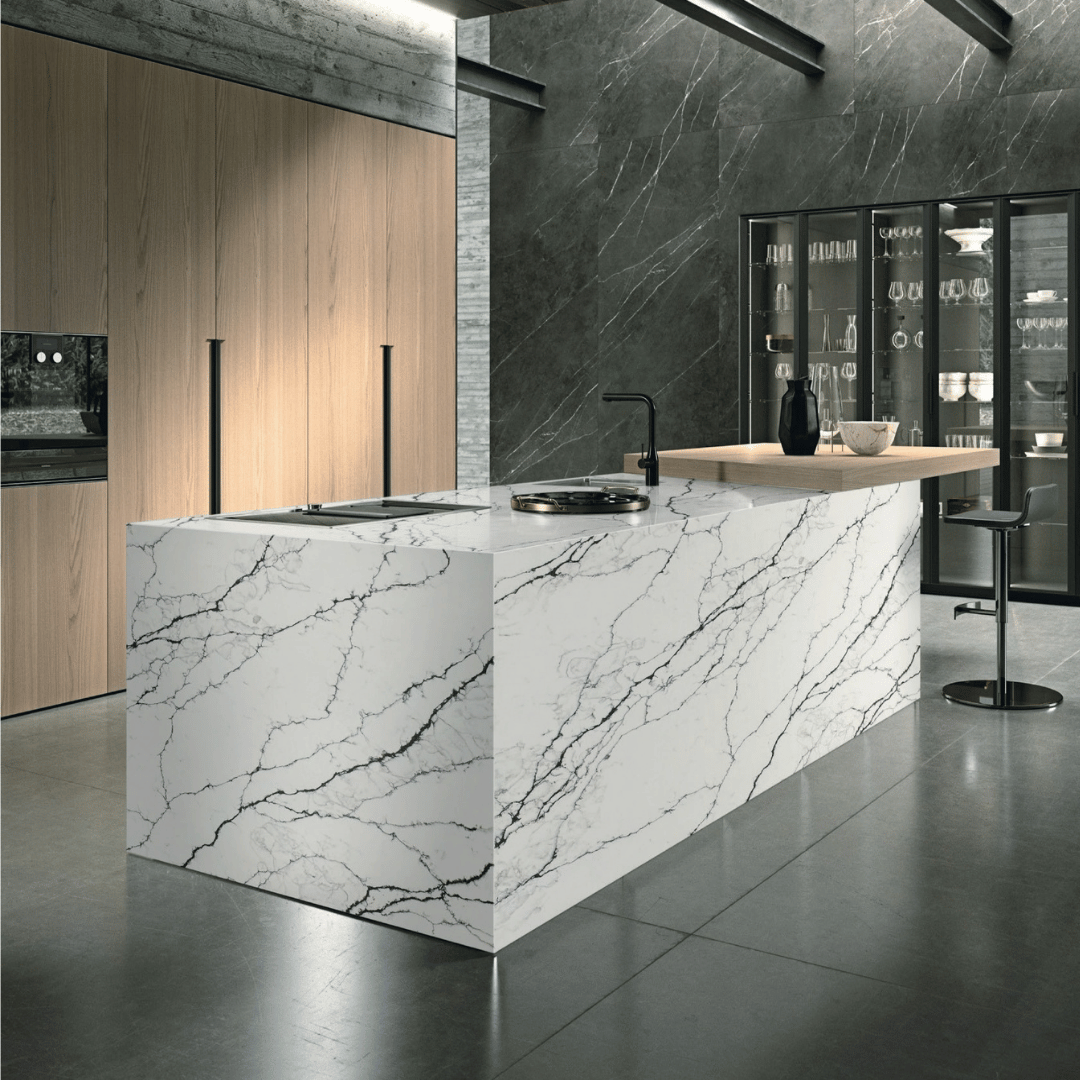

The Complete Guide to Granite Slab Sealing and Maintenance for Long-Term Performance
The Complete Guide to Granite Slab Sealing and Maintenance for Long-Term Performance
Granite countertops are a luxurious addition to any home, offering unmatched durability and aesthetic appeal. However, to maintain their beauty and longevity, proper sealing and maintenance are crucial. In this comprehensive guide, we will explore everything you need to know about granite slab sealing and maintenance, ensuring your surfaces remain in pristine condition for years to come. Whether you are a homeowner, fabricator, or designer, understanding these principles will help you maximize the performance of your granite surfaces.
What is Granite?
Granite is a natural stone composed primarily of quartz, feldspar, and mica. It is formed through the slow crystallization of magma beneath the Earth’s surface, making it one of the most durable materials available for countertops. The unique patterns and colors of granite are a result of its mineral composition and the geological processes that formed it. This geological origin gives granite its strength, making it resistant to scratches, heat, and stains, provided it is properly sealed and maintained.
Importance of Sealing Granite
Sealing granite is an essential part of maintaining its beauty and longevity. The primary reasons for sealing include:
- Stain Resistance: Granite is porous, which means it can absorb liquids and stains if not sealed properly. A good sealant creates a barrier that prevents liquids from penetrating the stone.
- Protection from Bacteria: Sealing helps to inhibit the growth of bacteria and mold, particularly in kitchen environments where food is prepared.
- Enhanced Appearance: Sealing enhances the natural beauty of the stone, providing a glossy finish that accentuates its unique patterns.
- Longevity: Properly sealed granite can last for decades, maintaining its functionality and aesthetic appeal over time.
When to Seal Granite
Determining when to seal your granite surfaces depends on several factors, including usage and the type of sealant used. Here are some general guidelines:
- Initial Sealing: Newly installed granite countertops should be sealed immediately after installation.
- Regular Maintenance: Most granite surfaces should be resealed every 1-3 years, depending on usage.
- Water Test: To check if your granite needs resealing, perform a water test by placing a few drops of water on the surface. If the water beads up, the seal is intact. If it soaks in, it’s time to reseal.
How to Seal Granite: A Step-by-Step Guide
Sealing granite is a straightforward process that can be done at home with the right materials. Follow this step-by-step guide for effective sealing:
- Gather Supplies: You will need a granite cleaner, a high-quality granite sealer, a clean cloth, and a sponge.
- Clean the Surface: Thoroughly clean the granite surface with a granite cleaner to remove any dirt, grime, or previous sealant residue. Allow it to dry completely.
- Apply the Sealer: Using a clean cloth or sponge, apply the granite sealer evenly across the surface. Follow the manufacturer’s instructions regarding application technique and drying time.
- Let it Cure: Allow the sealer to cure as per the manufacturer’s instructions. This may take several hours to a full day.
- Buff the Surface: After curing, buff the surface with a clean cloth to remove any excess sealer and enhance the shine.
Granite Maintenance Tips
Proper maintenance is key to keeping your granite surfaces looking their best. Here are some essential maintenance tips:
- Daily Cleaning: Use a pH-balanced cleaner or a mild dish soap mixed with water for daily cleaning. Avoid acidic cleaners that can damage the seal.
- Immediate Spill Cleanup: Wipe up spills immediately to prevent staining. This is particularly important for oils, wines, and acidic substances.
- Use Coasters and Cutting Boards: Protect your granite surfaces by using coasters for drinks and cutting boards for food preparation.
- Regular Resealing: As mentioned earlier, reseal your granite surfaces every 1-3 years, depending on usage.
Common Mistakes to Avoid
While sealing and maintaining granite is relatively simple, there are common mistakes that can lead to problems:
- Using Harsh Cleaners: Avoid using acidic or abrasive cleaners that can degrade the seal.
- Neglecting Resealing: Failing to reseal regularly can lead to staining and damage.
- Skipping the Water Test: Regularly checking the seal’s integrity with the water test can prevent issues before they arise.
Frequently Asked Questions
1. How often should I seal my granite countertops?
Granite countertops should typically be resealed every 1-3 years, depending on usage and the type of sealant used.
2. What is the best way to clean granite?
The best way to clean granite is to use a pH-balanced cleaner or a mild dish soap mixed with water. Avoid acidic or abrasive cleaners.
3. Can I use vinegar to clean granite?
No, vinegar is acidic and can damage the granite surface and seal. Stick to pH-balanced cleaners.
4. What should I do if my granite gets stained?
If your granite gets stained, clean it immediately with a granite cleaner. For stubborn stains, consider using a poultice or consulting a professional.
5. Is granite heat resistant?
Yes, granite is heat resistant, but it’s advisable to use trivets or hot pads to prevent thermal shock.
6. Can I use bleach on granite?
Bleach should be avoided as it can damage the seal and discolor the granite.
7. How can I tell if my granite needs resealing?
You can perform a water test by placing a few drops of water on the surface. If the water soaks in, it’s time to reseal.
8. What type of sealant should I use for granite?
Use a high-quality penetrating sealer specifically designed for granite surfaces.
9. Is sealing granite really necessary?
Yes, sealing granite is necessary to protect against stains, bacteria, and to enhance its appearance.
10. Can I seal granite myself?
Yes, sealing granite can be done at home with the right materials and following the proper steps.
11. What are the benefits of granite countertops?
Granite countertops offer durability, heat resistance, a unique aesthetic, and increased property value.
12. How do I choose the right granite slab for my project?
Consider factors such as color, pattern, thickness, and finish when choosing a granite slab. For expert advice, visit our Norcross showroom to consult with our surface specialists.
Conclusion
Granite slab sealing and maintenance are vital for ensuring long-term performance and beauty. By understanding the importance of sealing, following the proper maintenance tips, and avoiding common mistakes, you can keep your granite surfaces looking stunning for years to come. For premium quality granite slabs and expert advice, contact us today or visit our live inventory for the best selection in Norcross, GA.