How Italian and Spanish Porcelain Slab Manufacturing Sets Global Quality Standards
How Italian and Spanish Porcelain Slab Manufacturing Sets Global Quality Standards
In the realm of architectural surfaces, the quality of materials plays a pivotal role in determining the final aesthetic and performance of any project. Italian and Spanish porcelain slab manufacturing has gained global recognition for setting exceptionally high quality standards. This article delves into the intricate processes and innovations that define these two nations’ contributions to the porcelain industry, showcasing their impact on design, durability, and sustainability.
1. The Evolution of Porcelain Slab Manufacturing
Porcelain has its roots in ancient China, but its evolution into the modern slabs we recognize today has been significantly shaped by advancements in Italy and Spain. As the demand for high-performance surfaces increased, particularly in architectural applications, these countries emerged as leaders in the porcelain slab market.
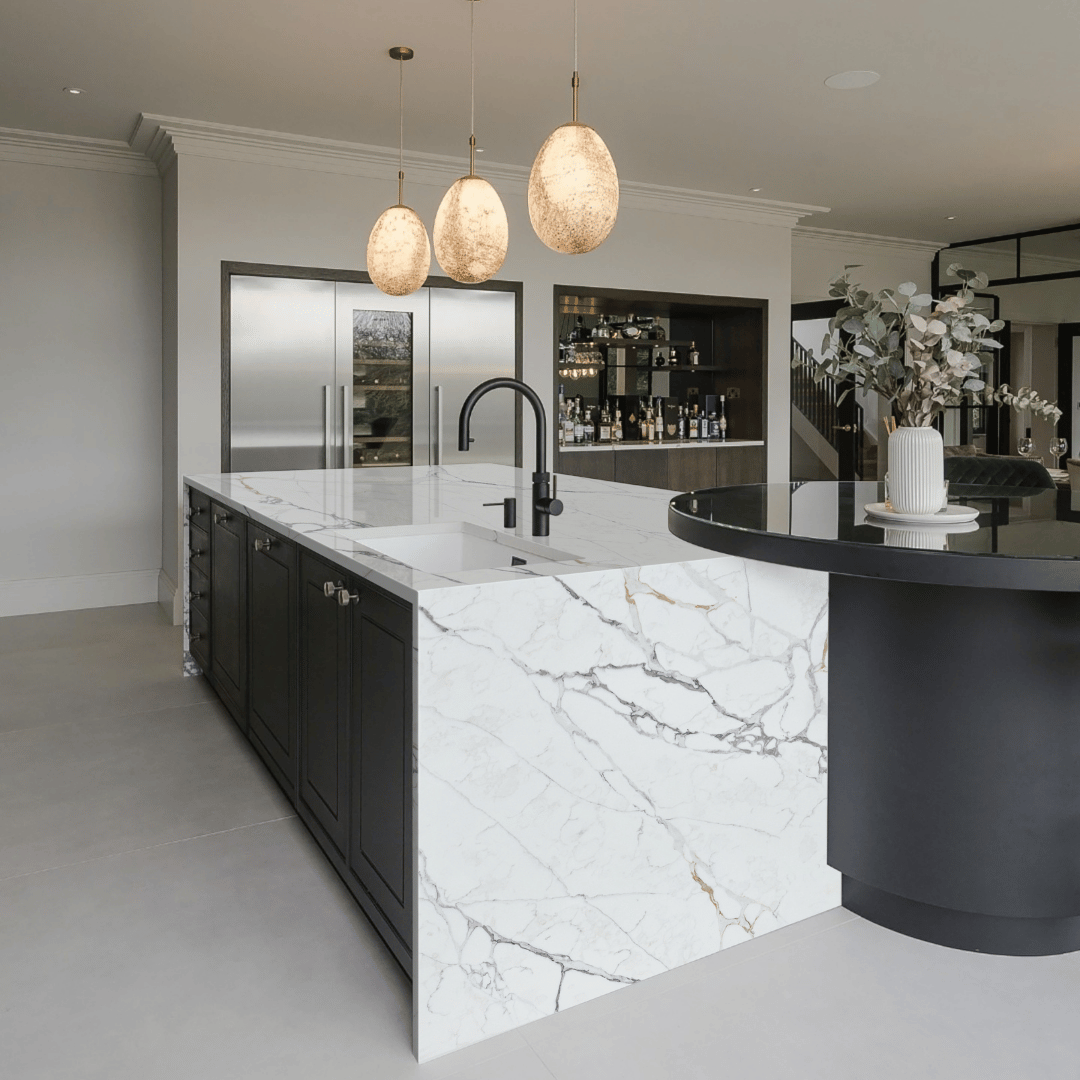
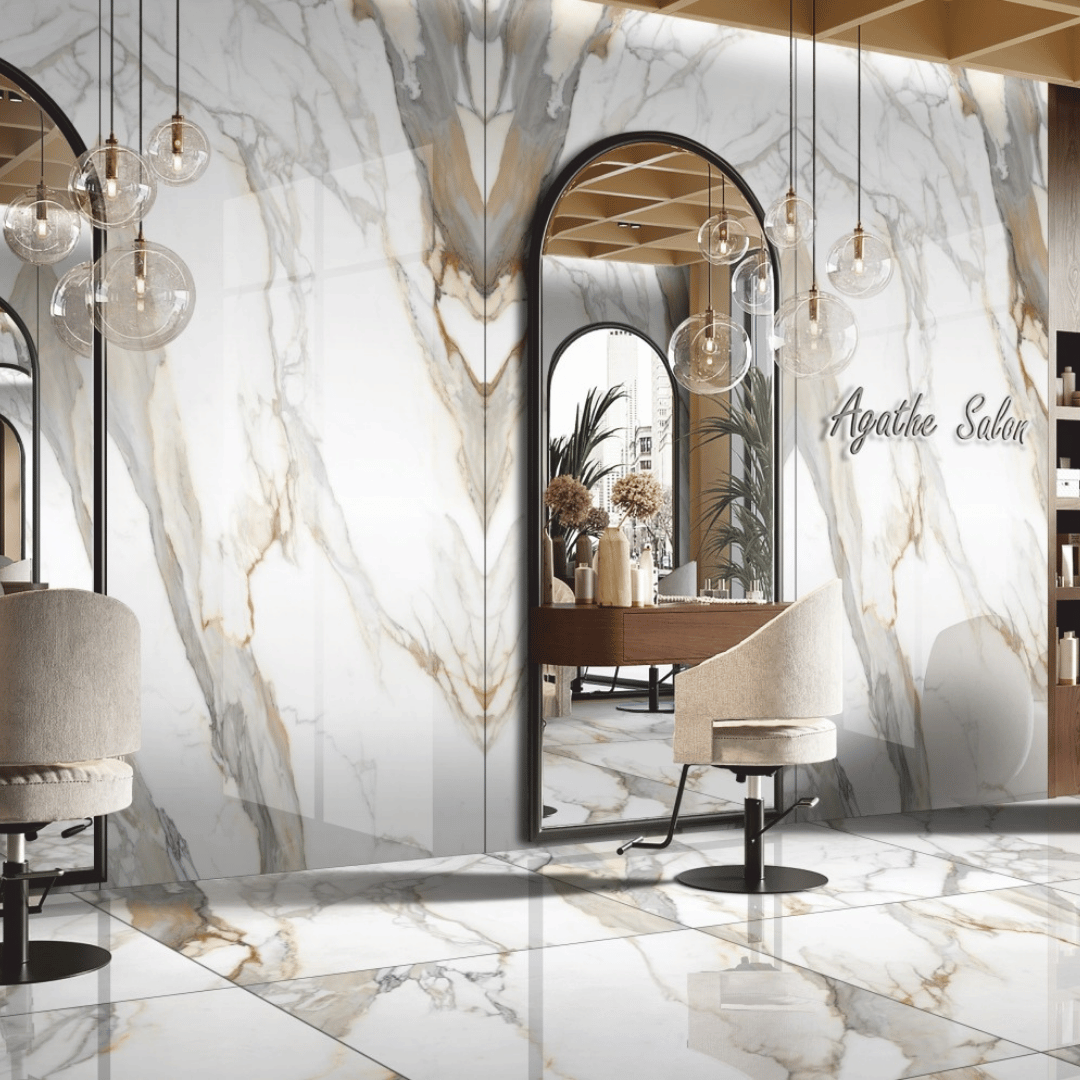
Italian manufacturers prioritized aesthetic appeal, utilizing advanced techniques to produce visually stunning slabs that mimic natural stone. Spain, on the other hand, combined traditional craftsmanship with innovative technology to enhance durability and performance. Together, they have established a benchmark for quality that resonates across the globe.
2. Key Manufacturing Techniques in Italy and Spain
The manufacturing processes in Italy and Spain involve several critical steps that contribute to the high quality of their porcelain slabs:
- Raw Material Selection: The choice of raw materials is fundamental. Both countries utilize high-quality clays, feldspar, and quartz, ensuring a robust final product.
- Pressing Techniques: Italian manufacturers often employ hydraulic pressing methods to achieve dense, high-strength slabs. Spanish manufacturers use advanced digital printing technologies to create intricate designs and textures.
- Sintering Process: The sintering process involves heating the pressed slabs at high temperatures, which fuses the materials into a solid mass. This step is crucial for enhancing the durability and resistance of the slabs.
- Finishing Techniques: Both countries excel in finishing techniques, offering a range of textures and finishes, from polished to matte, which cater to various aesthetic preferences.
These techniques not only enhance the visual appeal of the porcelain but also contribute to its performance characteristics, making it a preferred choice for architects and designers worldwide.
3. Quality Control Measures
Quality assurance is a cornerstone of the manufacturing process in both Italy and Spain. Rigorous testing protocols are implemented at various stages:
- Material Testing: Before production, raw materials undergo thorough testing for impurities and composition.
- Mid-Production Checks: Manufacturers perform checks during the pressing and sintering stages to ensure consistency in thickness, density, and color.
- Final Inspection: After finishing, slabs are subjected to final inspections for defects and compliance with international standards.
This dedication to quality control ensures that the porcelain slabs meet the expectations of both designers and consumers, solidifying their reputation as premium surface materials.
4. Environmental Considerations
In an era where sustainability is paramount, both Italian and Spanish manufacturers have adopted eco-friendly practices in their production processes. These include:
- Recycling Initiatives: Many manufacturers recycle water and raw materials, minimizing waste.
- Energy Efficiency: Advanced kilns and production technologies reduce energy consumption during the manufacturing process.
- Low Emission Standards: Compliance with stringent environmental regulations ensures that emissions from production are kept to a minimum.
These practices not only contribute to environmental sustainability but also appeal to a growing market of eco-conscious consumers.
5. Comparative Analysis of Italian and Spanish Porcelain
| Feature | Italian Porcelain | Spanish Porcelain |
|---|---|---|
| Aesthetic Variety | High, with artistic and unique designs | Moderate, focusing on modern, sleek designs |
| Durability | Excellent, with high resistance to wear | Very good, with a focus on practical applications |
| Environmental Practices | Innovative recycling and energy-efficient methods | Strong compliance with eco-friendly standards |
| Market Reach | Global leader, especially in luxury segments | Growing presence, strong in commercial applications |
This comparison highlights the strengths and unique offerings of both Italian and Spanish porcelain slab manufacturers, allowing architects and designers to make informed decisions based on their project needs.
6. The Future of Porcelain Slabs
As the architectural landscape evolves, so does the demand for innovative materials. The future of porcelain slabs looks promising, with manufacturers focusing on:
- Smart Surfaces: Incorporating technology into surfaces that can monitor wear and provide maintenance alerts.
- Customization: Increased options for bespoke designs that cater to individual client preferences.
- Enhanced Performance: Ongoing research into materials that enhance durability, stain resistance, and ease of maintenance.
These advancements will ensure that Italian and Spanish porcelain slabs continue to set the standard for quality in the global market.
7. Frequently Asked Questions
What are porcelain slabs used for?
Porcelain slabs are versatile and can be used for countertops, flooring, wall cladding, and outdoor surfaces.
How do I maintain porcelain slabs?
Regular cleaning with mild detergents and avoiding abrasive cleaners will help maintain the beauty of your porcelain surfaces.
Are Italian porcelain slabs better than Spanish ones?
It depends on the specific needs of your project. Italian slabs are known for their aesthetic variety, while Spanish slabs are recognized for their durability and practicality.
What are the environmental benefits of porcelain slabs?
Many manufacturers utilize sustainable practices, including recycling and energy-efficient production methods.
Can porcelain slabs be used outdoors?
Yes, porcelain slabs are highly durable and resistant to weather conditions, making them suitable for outdoor applications.
What is the difference between porcelain and ceramic slabs?
Porcelain slabs are denser and less porous than ceramic slabs, offering better durability and stain resistance.
How are porcelain slabs made?
Porcelain slabs are made through a process that includes raw material selection, pressing, sintering, and finishing.
Where can I buy premium porcelain slabs?
For premium quality porcelain slabs, visit Builder Stone Global’s live inventory.
8. Conclusion
Italian and Spanish porcelain slab manufacturing has established itself as the gold standard in quality, durability, and design. With their commitment to innovation and sustainability, these countries continue to lead the way in setting global quality standards. By choosing porcelain slabs from these regions, architects and designers can ensure that their projects not only meet but exceed expectations in both performance and aesthetic appeal.
To explore our extensive collection of premium porcelain slabs, contact Builder Stone Global today or visit our Norcross showroom.