

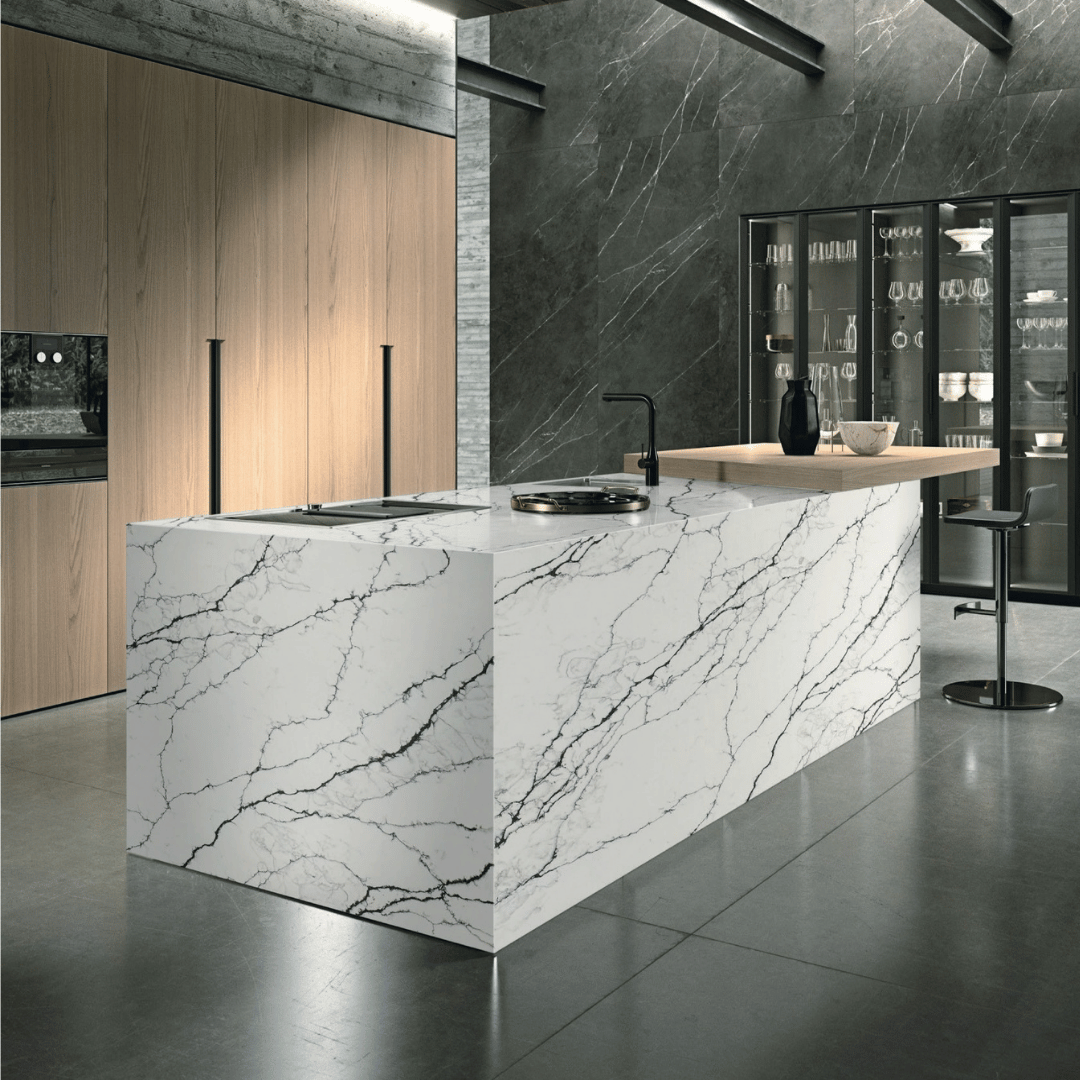




Distributor-Level Sustainability Commitments Impacting Project Quality
How Distributor-Level Sustainability Commitments Flow Through to End-Use Project Quality
In today’s rapidly evolving construction and design landscape, sustainability is no longer just a buzzword; it’s a critical commitment that shapes the quality and longevity of architectural projects. As a premier quartz slab distributor in Norcross, GA, Builder Stone Global recognizes that our sustainability initiatives not only contribute to environmental stewardship but also enhance the performance and aesthetic appeal of the projects we supply materials for. This article delves into how distributor-level sustainability commitments profoundly influence end-use project quality, particularly in the context of premium quartz, porcelain, and natural stone slab distribution.
What is Sustainability in Distribution?
Sustainability in distribution refers to the practices and policies that minimize environmental impact throughout the supply chain. This includes sourcing materials responsibly, optimizing logistics to reduce carbon footprints, and ensuring that the products meet stringent environmental standards. For a distributor like Builder Stone Global, this means offering premium quality slabs—such as quartz, porcelain, and natural stone—that not only meet aesthetic standards but also adhere to sustainable practices. The commitment to sustainability flows from the very beginning of the supply chain, influencing every aspect of the materials we provide.
The Role of Distributors in Sustainability
Distributors play a pivotal role in the sustainability equation. They act as the bridge between manufacturers and end-users, and their sustainability commitments can significantly influence the quality of materials available for projects. By prioritizing sustainable sourcing, distributors ensure that the materials they offer are not only of premium quality but also ethically produced.
For instance, Builder Stone Global partners with manufacturers that demonstrate a commitment to environmentally friendly practices, such as using recycled materials in slab production or employing energy-efficient manufacturing processes. This not only improves the overall sustainability of the products but also enhances their durability and performance in end-use applications.
Impact on Material Quality
When distributors prioritize sustainability, the quality of the materials they offer improves in several ways:
- Durability: Sustainable materials tend to be more robust, as they are often produced using advanced technologies that enhance their performance. For example, high-performance large format porcelain slabs are engineered to withstand wear and tear, making them ideal for both residential and commercial applications.
- Aesthetic Appeal: Sustainable sourcing often leads to unique and visually appealing products. For instance, natural stone slabs, like quartzite and granite, exhibit stunning patterns and colors that are a direct result of environmentally responsible extraction methods.
- Long-Term Cost Savings: While sustainable materials may have a higher upfront cost, they often lead to long-term savings due to their durability and lower maintenance requirements. This is especially true for kitchen countertops, where the quality of the slab directly impacts the longevity of the installation.
Comparison Table: Sustainable vs. Traditional Materials
| Material Type | Sustainability Rating | Durability | Aesthetic Quality | Long-Term Cost |
|---|---|---|---|---|
| Quartz Slabs | High | Excellent | Varied | Medium |
| Porcelain Slabs | Very High | Superior | Modern | Low |
| Granite Slabs | Medium | Good | Classic | Medium |
| Natural Stone | Variable | Good | Unique | High |
Sustainable Practices in Slab Distribution
At Builder Stone Global, we employ numerous sustainable practices in our distribution processes:
- Efficient Logistics: By optimizing our supply chain and logistics, we minimize transportation emissions. Our regional logistics ensure timely deliveries while reducing the carbon footprint associated with long-distance shipping.
- Inventory Management: Our live inventory system allows us to maintain optimal stock levels, reducing waste and ensuring that materials are fresh and ready for use.
- Partnerships with Sustainable Suppliers: We collaborate with suppliers who prioritize eco-friendly practices, ensuring that every slab we distribute meets high environmental standards.
- Recycling Initiatives: We actively promote recycling within our operations, ensuring that any waste generated during the distribution process is minimized and reused wherever possible.
Case Studies of Successful Commitments
To illustrate the impact of sustainability commitments, consider the following case studies:
Case Study 1: High-Performance Porcelain for Commercial Projects
A recent project in Atlanta required durable, aesthetically pleasing surfaces for a high-traffic commercial space. By utilizing our sustainable porcelain slabs, the project not only met design expectations but also adhered to LEED certification requirements, showcasing how distributor-level commitments can contribute to end-use project quality.
Case Study 2: Quartz Countertops in Residential Spaces
In a luxury home renovation, our premium quartz slabs were selected for their durability and low maintenance. The homeowners appreciated the eco-friendly sourcing and minimal environmental impact, which enhanced their satisfaction with the overall project quality.
The Future of Sustainable Distribution
The future of sustainable distribution in the stone industry is promising. As environmental regulations become stricter and consumer awareness increases, distributors will need to adapt to these changes. Here are some trends to watch:
- Increased Transparency: Consumers are demanding more information about the origins and sustainability of the materials they purchase. Distributors that can provide detailed information about their sourcing and manufacturing processes will gain a competitive edge.
- Innovative Materials: The development of new, sustainable materials will continue to grow. Distributors that embrace these innovations will be at the forefront of the industry.
- Collaboration Across the Supply Chain: Greater collaboration between manufacturers, distributors, and end-users will lead to more sustainable practices throughout the entire supply chain.
Frequently Asked Questions
What is sustainability in construction materials?
Sustainability in construction materials refers to the responsible sourcing, production, and disposal of materials in a way that minimizes environmental impact and promotes long-term durability.
How do distributor-level sustainability commitments impact project quality?
Distributor-level sustainability commitments ensure that the materials provided are of high quality, durable, and responsibly sourced, which enhances the overall quality of the end-use projects.
What are the benefits of using sustainable materials?
Sustainable materials often offer improved durability, aesthetic appeal, and long-term cost savings due to their robust nature and lower maintenance requirements.
How can I verify the sustainability of materials I’m considering?
Look for certifications, ask for documentation from your distributor, and research the sourcing and manufacturing processes of the materials.
What types of materials are considered sustainable?
Materials like recycled quartz, responsibly sourced natural stone, and energy-efficient porcelain slabs are considered sustainable.
How does Builder Stone Global ensure sustainable practices?
Builder Stone Global employs efficient logistics, partners with sustainable suppliers, manages inventory effectively, and promotes recycling initiatives in its operations.
Are sustainable materials more expensive?
While sustainable materials may have a higher initial cost, they often lead to long-term savings due to their durability and lower maintenance needs.
What trends are shaping the future of sustainable distribution?
Trends include increased transparency, innovative materials, and enhanced collaboration across the supply chain.