
Ultimate Guide to Evaluating Slab Quality: Edges, Surfaces & Consistency
Ultimate Guide to Evaluating Slab Quality: Edges, Surfaces & Consistency
When selecting premium quartz, porcelain, or natural stone slabs for your architectural projects, understanding how to evaluate slab quality is paramount. A high-quality slab not only enhances the aesthetic appeal of your spaces but also ensures durability and longevity. In this comprehensive guide, we will delve into the critical aspects of slab quality, focusing on edges, surfaces, and overall consistency. By the end of this article, you will be equipped with the knowledge necessary to make informed decisions when sourcing materials from a trusted slab distributor in Norcross, GA.
Understanding Slab Quality
Evaluating slab quality involves a close examination of several factors that contribute to the material’s overall performance and suitability for specific applications. High-quality slabs, whether made from quartz, porcelain, or natural stone, will exhibit durability, aesthetic appeal, and functional performance.
Premium slabs are characterized by their manufacturing precision, which ensures uniformity in thickness and surface texture. Additionally, understanding the material properties of different types of slabs can help in making an informed choice. For instance, HD quartz surfaces offer enhanced durability and resistance to scratches and stains compared to standard quartz.
The Importance of Edges
The edges of a slab are often the first elements noticed in any installation, making them a critical factor in assessing quality. Well-finished edges not only enhance the aesthetic appeal of a countertop but also play a vital role in the slab’s longevity.
Types of Edges and Their Impact
There are several edge profiles commonly used in slab installations, including:
- Eased Edge: This edge type features a simple, flat profile that is slightly rounded. It provides a modern look and is less prone to chipping.
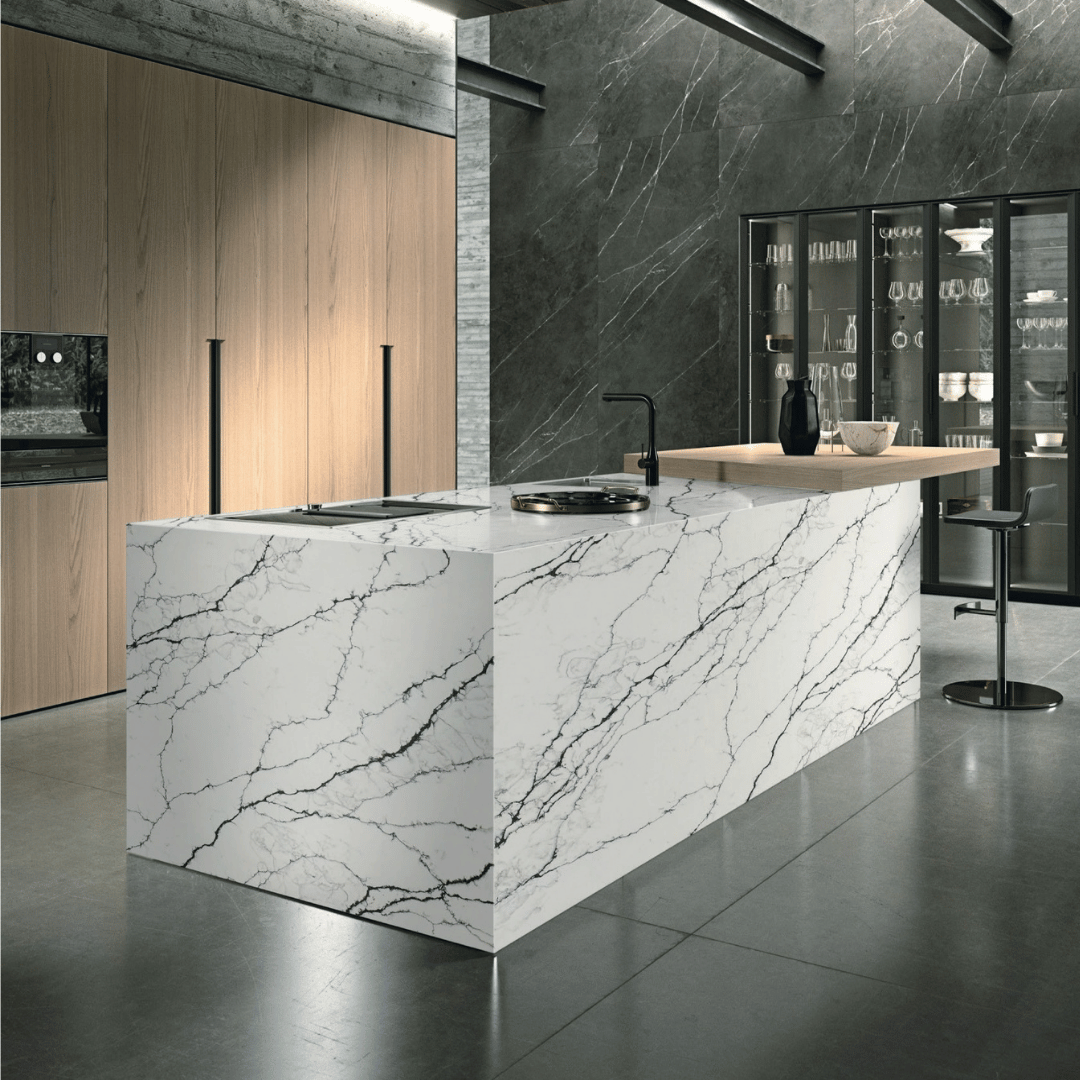
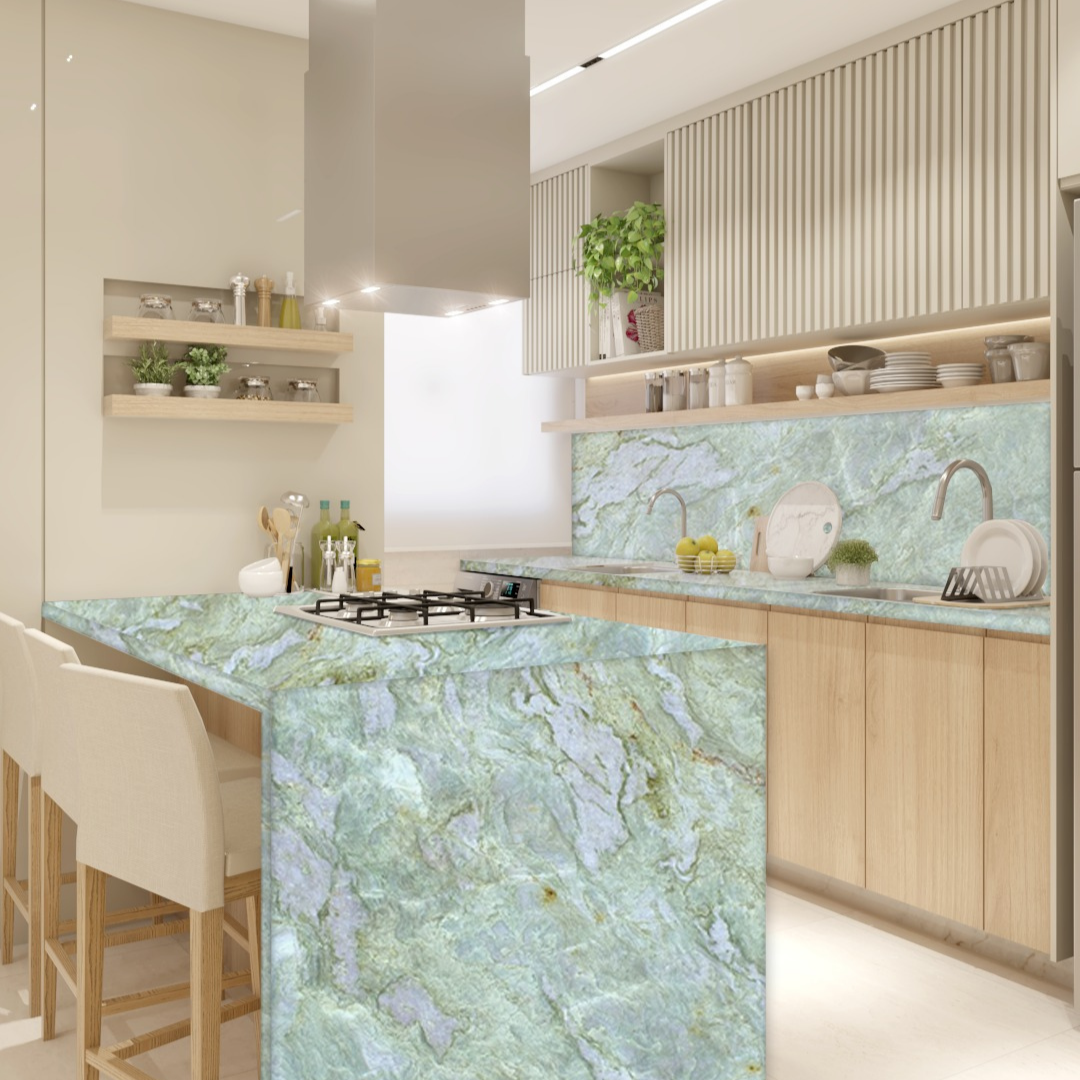
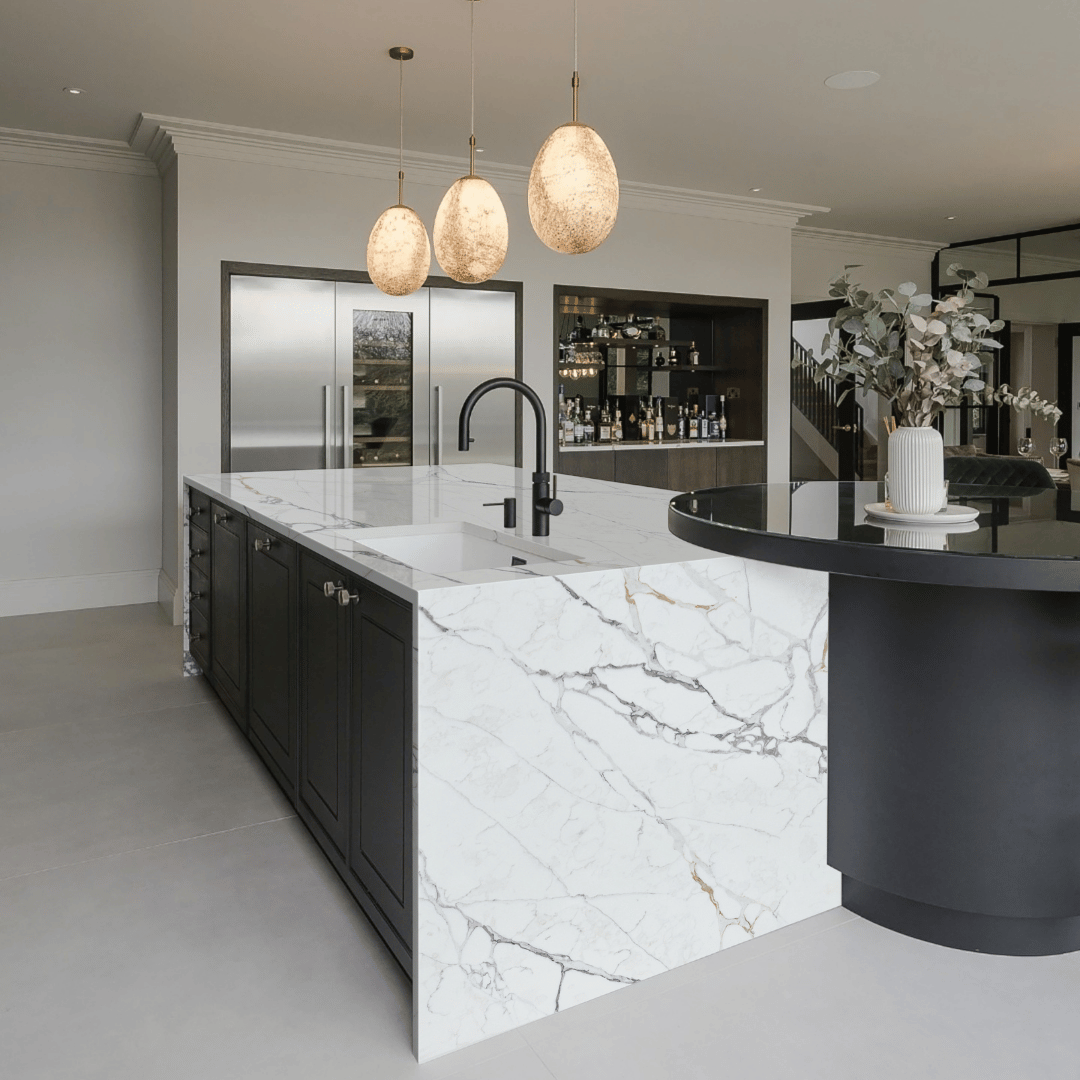
- Mitered Edge: The mitered edge is created by joining two slabs at a 45-degree angle, giving the illusion of thickness. This edge is popular for waterfall islands and high-end designs.
- Ogee Edge: The ogee edge has a decorative profile that adds a classic touch to countertops, making it ideal for traditional designs.
Evaluating Edge Quality
When assessing slab edges, consider the following:
- Finish: The edge should be polished smoothly, with no visible chips or imperfections.
- Uniformity: Edges should be consistent in thickness and profile across the entire slab.
- Durability: Evaluate whether the edges have been treated to resist chipping and wear.
Surface Evaluation Techniques
The surface of a slab is another crucial element in determining its quality. A high-quality surface should be free from blemishes and inconsistencies that can affect both appearance and performance.
Visual Inspection
Begin with a thorough visual inspection of the slab surface. Look for:
- Color Consistency: Premium slabs should exhibit uniformity in color without noticeable variances.
- Texture: The surface should be smooth and even, with no rough patches or scratches. For instance, full-body porcelain slabs are known for their consistent texture throughout.
- Finish Quality: Assess whether the surface finish is appropriate for the intended use. Polished surfaces may be more susceptible to scratching, while matte finishes can hide fingerprints and smudges.
Water Test for Porosity
Performing a water test can help determine the porosity of the slab, which is essential for understanding its resistance to stains and moisture. Place a few drops of water on the surface and observe:
- Absorption Rate: If the water is absorbed quickly, the slab may be more porous, indicating a higher likelihood of staining.
- Surface Beading: If water beads up and rolls off, the surface likely has a protective sealant, enhancing its durability.
Consistency in Color and Pattern
For both aesthetic and functional purposes, consistency in color and pattern is vital. This is particularly true for natural stone slabs, where variations can occur due to the inherent characteristics of the material.
Understanding Natural Variations
Natural stones such as granite and quartzite have unique patterns and colors, making it essential to evaluate how these variations impact your design. Consider the following:
- Pattern Flow: When examining a slab, assess how patterns flow across the surface. A well-matched pattern can create a seamless look in installations.
- Color Harmony: Ensure that the colors in the slab harmonize with the overall design scheme of your project.
Comparative Analysis
To better understand how to evaluate color consistency, consider creating a comparison table of different slabs. Here’s an example:
| Slab Type | Color Variation | Pattern Consistency |
|---|---|---|
| Granite | High | Variable |
| Quartz | Low | Consistent |
| Porcelain | Low to Moderate | Consistent |
Evaluating Thickness and Weight
The thickness and weight of a slab can significantly influence its application and durability. Most slabs come in standard thicknesses of 2cm and 3cm, with each having its advantages.
Choosing the Right Thickness
Consider the following when evaluating slab thickness:
- Application: Thicker slabs (3cm) are often preferred for countertops due to their increased durability and resistance to cracking.
- Weight Considerations: Heavier slabs may require additional support during installation, particularly for large-format applications.
Expert Tips for Assessing Slab Quality
To ensure you are selecting the highest quality slabs, keep these expert tips in mind:
Additionally, consider the following:
- Supplier Reputation: Work with reputable distributors like Builder Stone Global who prioritize quality and customer satisfaction.
- Inspection Protocols: Implement a thorough inspection protocol to assess slabs before purchase. This should include checks for edges, surfaces, and overall consistency.
Conclusion
Evaluating slab quality is an essential step in ensuring the success of your architectural projects. By focusing on edges, surfaces, and overall consistency, you can make informed decisions that enhance both the aesthetics and durability of your installations. Remember to consider factors such as thickness, weight, and the reputation of your supplier when selecting materials. For assistance in sourcing premium quartz, porcelain, and natural stone slabs, contact Builder Stone Global today.
Frequently Asked Questions
1. What should I look for when evaluating slab quality?
Focus on the edges, surfaces, thickness, and consistency of color and pattern. Inspect for any visible defects or irregularities.
2. How can I tell if a slab is of high quality?
High-quality slabs will have smooth edges, consistent surfaces, and uniform color and pattern. They should also feel solid and well-finished.
3. What is the best thickness for kitchen countertops?
Typically, 3cm slabs are preferred for kitchen countertops due to their durability and resistance to cracks.
4. Are natural stone slabs more variable in appearance than engineered slabs?
Yes, natural stone slabs, like granite, can have high color variation, while engineered slabs, like quartz, tend to be more consistent.
5. Why is edge quality important?
Edge quality affects both the aesthetics and durability of the slab. Well-finished edges enhance the overall appearance and reduce the risk of chipping.
6. How can I test a slab for porosity?
Perform a water test by placing a few drops of water on the surface. If the water absorbs quickly, the slab may be more porous and susceptible to staining.
7. What are the advantages of porcelain slabs?
Porcelain slabs offer high durability, resistance to scratches, and a wide range of design options, making them suitable for various applications.
8. How do I choose a reliable slab supplier?
Look for suppliers with a strong reputation, positive customer reviews, and a commitment to quality, such as Builder Stone Global.