Why Quartzite Slab Natural UV Resistance Makes It Exceptional for Outdoor Kitchen Design
Why Quartzite Slab Natural UV Resistance Makes It Exceptional for Outdoor Kitchen Design
When designing an outdoor kitchen, selecting the right materials is not just about aesthetics; it’s also about performance. Among the various options available, quartzite slabs stand out for their exceptional natural UV resistance. This quality makes them an ideal choice for outdoor environments where exposure to sunlight and weather elements can compromise the integrity of lesser materials. In this article, we will explore the unique properties of quartzite, focusing on its natural UV resistance and why it is essential for outdoor kitchen designs. By the end, you’ll understand why quartzite is a top choice for homeowners and designers alike.
What is Quartzite?
Quartzite is a natural metamorphic rock that originates from sandstone. This transformation occurs under intense heat and pressure, resulting in a dense, hard material that possesses unique qualities. With its stunning aesthetics and durability, quartzite has become a popular choice for various applications, including countertops, flooring, and particularly for outdoor kitchens. Its composition primarily consists of quartz, which contributes to its high resistance to weathering and scratching.
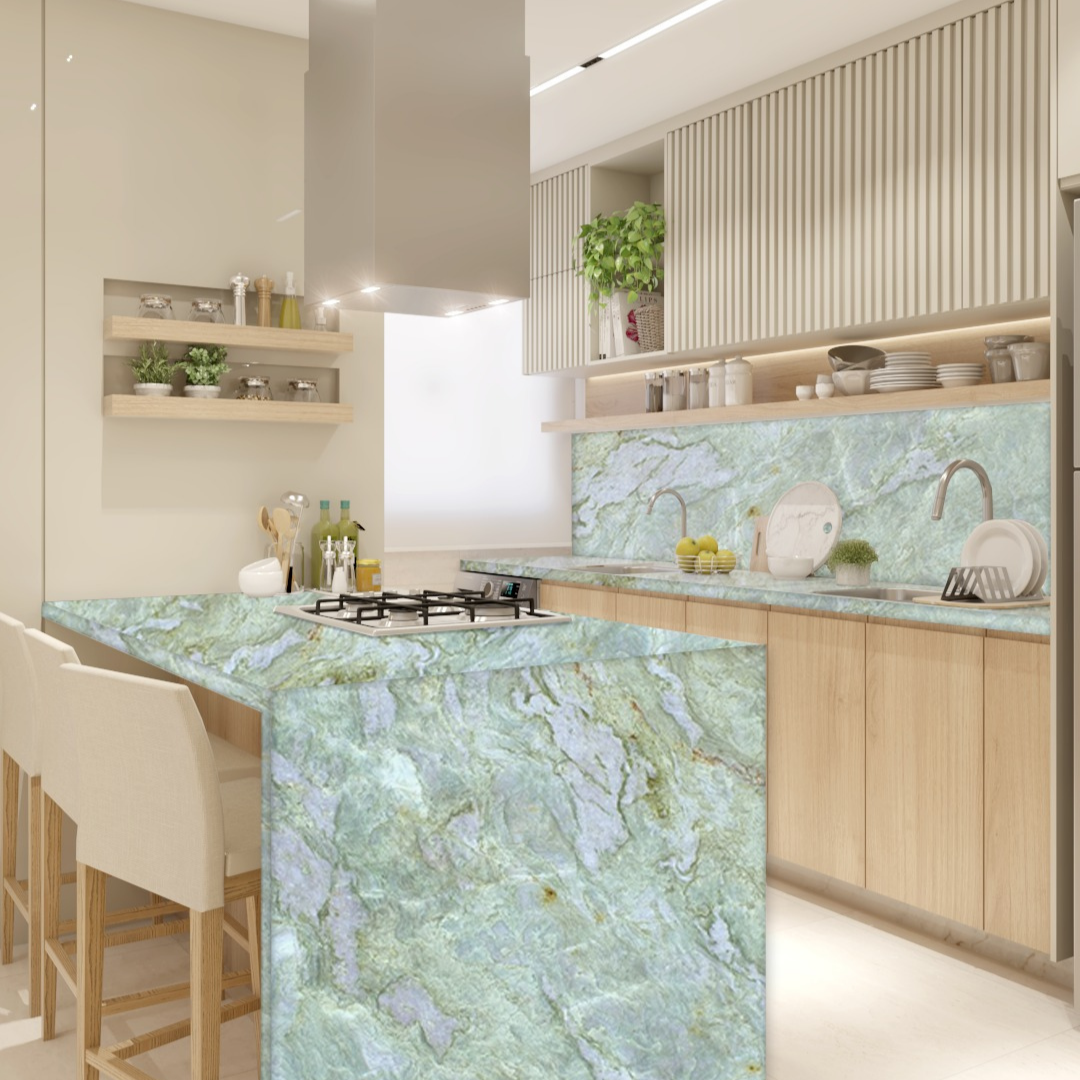
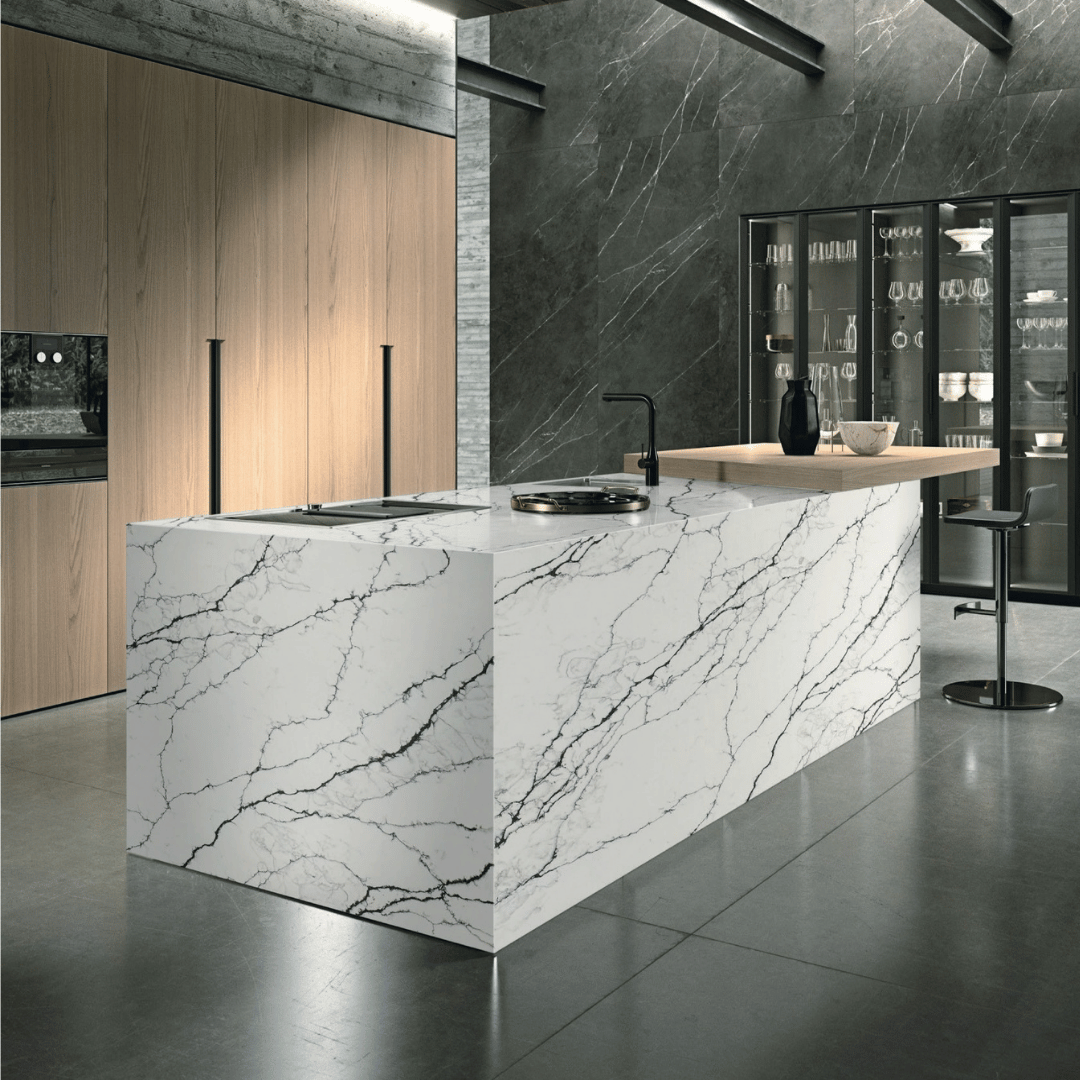
Unlike other stones, quartzite is known for its striking color variations and patterns, making it a visually appealing option for outdoor spaces. Homeowners and designers appreciate the luxurious look it brings to outdoor kitchens, complementing various architectural styles.
Natural UV Resistance of Quartzite
One of the standout features of quartzite is its natural UV resistance. Unlike many countertop materials that can fade, discolor, or degrade when exposed to sunlight, quartzite retains its vibrant colors and patterns over time. This resistance is attributed to the mineral composition of quartzite, which is inherently stable under UV radiation.
In outdoor kitchen settings, where surfaces are subjected to direct sunlight for extended periods, this durability is crucial. Homeowners can enjoy a beautiful outdoor kitchen without worrying about frequent replacements or repairs due to sun damage. Additionally, quartzite’s UV resistance also means it can withstand temperature fluctuations, making it suitable for various climates.
Advantages of Using Quartzite for Outdoor Kitchens
Choosing quartzite for your outdoor kitchen comes with numerous advantages:
- Durability: Quartzite is incredibly durable, making it resistant to chips, scratches, and stains. This durability translates to a longer lifespan for outdoor kitchen surfaces.
- Heat Resistance: Unlike some materials that can warp or crack under high temperatures, quartzite can withstand heat, making it perfect for grilling and cooking.
- Low Maintenance: Quartzite requires minimal maintenance compared to other natural stones. Regular sealing can enhance its performance, but overall, it is easy to clean and maintain.
- Aesthetic Appeal: With its stunning colors and patterns, quartzite adds elegance to outdoor kitchens, enhancing the overall design.
- Environmental Resistance: Quartzite is less prone to damage from environmental factors, including moisture and temperature changes.
Design Considerations for Outdoor Kitchens
When planning your outdoor kitchen, consider the following design aspects to maximize the benefits of quartzite:
- Color and Pattern Selection: Choose a quartzite slab that complements your outdoor aesthetic. Consider how the color will interact with other materials like cabinetry and flooring.
- Thickness: Quartzite slabs come in various thicknesses. For outdoor use, a thicker slab may provide additional durability and resistance to cracking.
- Sealing: While quartzite is naturally resistant to staining, applying a sealant can enhance its longevity and maintain its appearance.
- Edge Profiles: Selecting the right edge profile can impact the overall design. Consider mitered edges for a modern look or rounded edges for a softer appearance.
Comparison with Other Materials
| Material | UV Resistance | Heat Resistance | Maintenance | Durability |
|---|---|---|---|---|
| Quartzite | Excellent | Excellent | Low | High |
| Granite | Good | Excellent | Moderate | High |
| Marble | Poor | Poor | High | Moderate |
| Concrete | Moderate | Good | Moderate | Moderate |
As illustrated in the table above, quartzite outperforms many common materials in terms of UV resistance, heat resistance, and durability. While granite is a close competitor, it does not provide the same level of UV stability as quartzite, which can lead to discoloration over time.
Maintenance Tips for Quartzite
To ensure your quartzite surfaces remain in top condition, follow these maintenance tips:
- Regular Cleaning: Use a mild soap and water solution to clean your quartzite surfaces. Avoid harsh chemicals that can damage the stone.
- Sealing: Apply a high-quality stone sealer every 1-2 years to protect against stains and enhance its longevity.
- Immediate Spill Cleanup: Wipe up spills immediately to prevent staining, especially from acidic substances.
- Use Coasters and Cutting Boards: Always use coasters for drinks and cutting boards for food preparation to prevent scratches and heat damage.
Expert Insights on Choosing Quartzite
When selecting quartzite for your outdoor kitchen, consider consulting with experts. At Builder Stone Global, our surface specialists can guide you through the selection process, ensuring you choose the right slabs for your project. Call +1 470-551-2092 to speak with our surface specialists about your design needs.
Additionally, visiting our Norcross showroom allows you to see the extensive quartzite selection in person and explore the various patterns and colors available.
FAQs
1. What is quartzite, and how is it formed?
Quartzite is a metamorphic rock formed from sandstone through heat and pressure, resulting in a dense and durable material.
2. How does quartzite compare to granite?
While both materials are durable, quartzite offers superior UV resistance, making it less prone to fading in outdoor settings.
3. Is quartzite suitable for outdoor kitchens?
Yes, quartzite is an exceptional choice for outdoor kitchens due to its UV resistance, heat durability, and low maintenance requirements.
4. How should I maintain quartzite surfaces?
Regular cleaning with mild soap and sealing every 1-2 years will help maintain the beauty and durability of quartzite surfaces.
5. Can quartzite be used for countertops?
Absolutely! Quartzite is commonly used for countertops due to its stunning aesthetics and robust performance.
6. What colors are available in quartzite?
Quartzite comes in a wide range of colors and patterns, allowing for flexibility in design. From neutral tones to vibrant hues, there’s a quartzite option for every style.
7. Is quartzite resistant to heat?
Yes, quartzite has excellent heat resistance, making it suitable for outdoor cooking and grilling.
8. Where can I buy quartzite slabs?
You can explore a wide selection of quartzite slabs at Builder Stone Global’s showroom in Norcross, GA, or contact us for more information.