
How Lighting Changes Slab Color: Understanding Warm vs Cool LEDs, Daylight, and Reflections
How Lighting Changes Slab Color: Understanding Warm vs Cool LEDs, Daylight, and Reflections
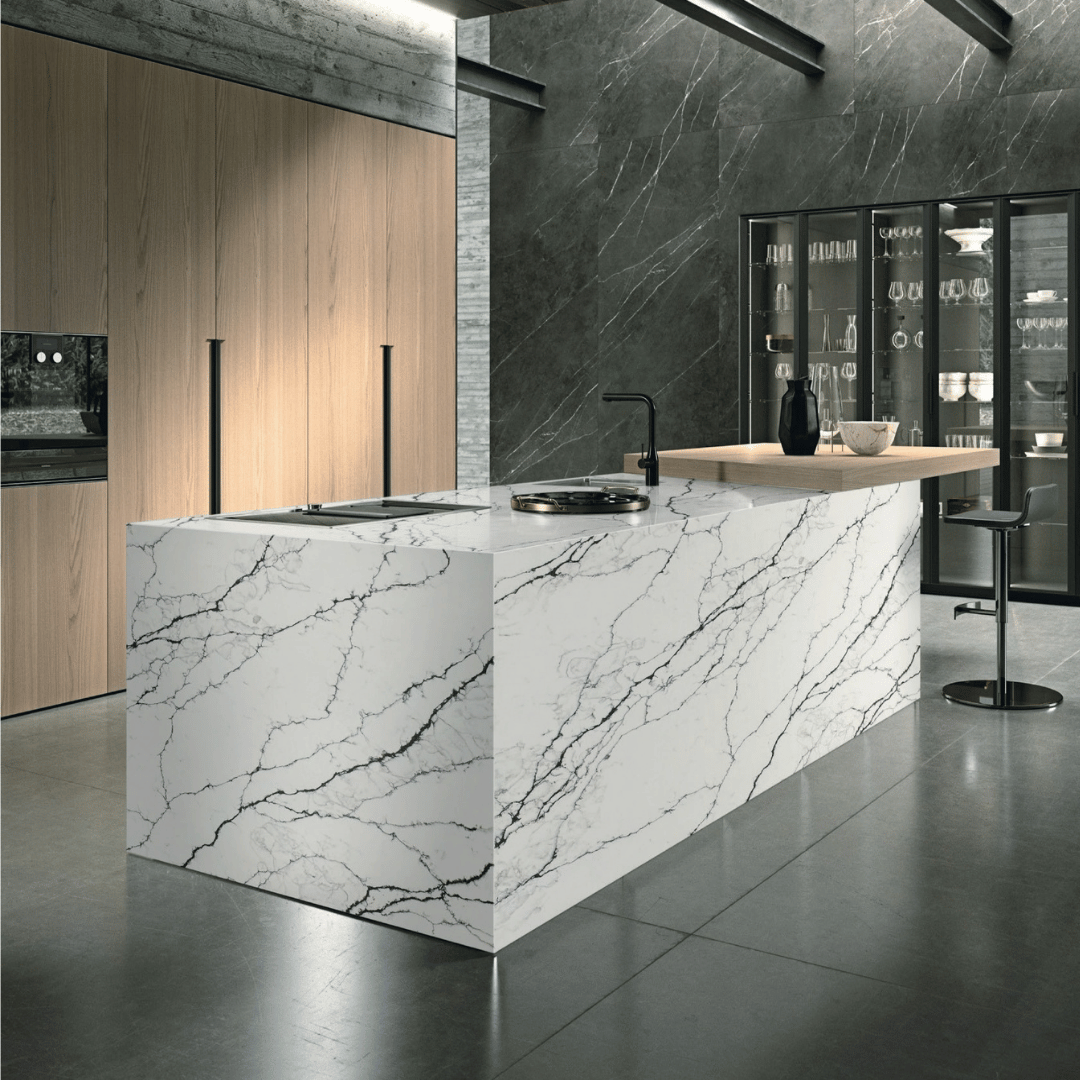
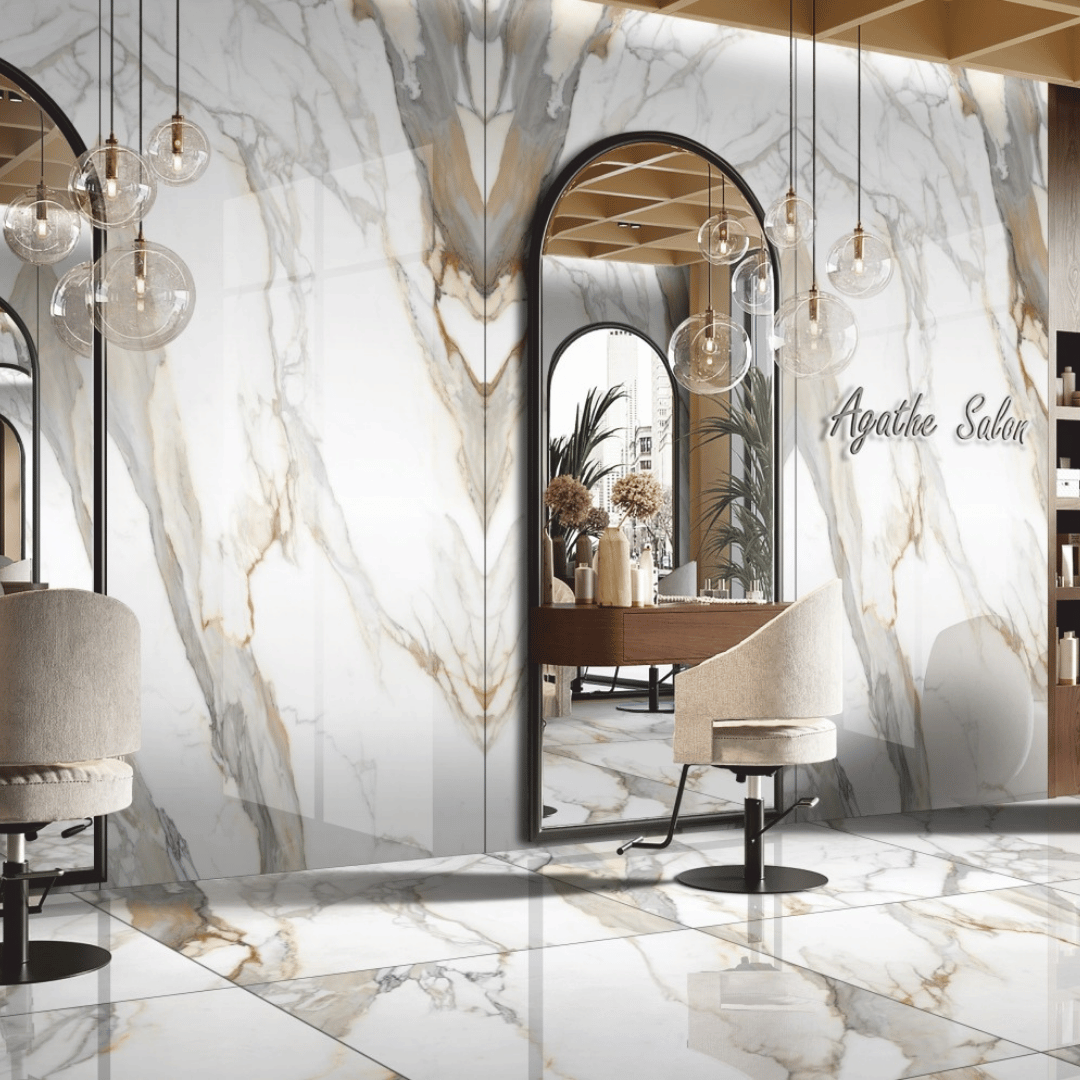
When selecting materials for your home or commercial project, one crucial aspect that often gets overlooked is how lighting can dramatically alter the appearance of surfaces, particularly slabs made from quartz, porcelain, and natural stone. As surface specialists at Builder Stone Global, we understand the importance of lighting in enhancing the beauty and character of our premium slab collections. This article delves into the nuances of how different lighting conditions can affect slab color, focusing on warm and cool LEDs, natural daylight, and reflections.
1. The Basics of Color Perception
Color perception is a complex process influenced by various factors, including the light source, the surface texture, and the viewer’s position. When it comes to slabs, the color can appear differently under various lighting conditions due to the way light interacts with the material’s surface. Understanding these interactions is key to achieving the desired aesthetic in any space.
2. Warm vs Cool LED Lighting
LED lighting is a popular choice in modern design due to its energy efficiency and versatility. However, the color temperature of LEDs can vary significantly, impacting how slab colors are perceived.
2.1 Warm LEDs
Warm LED lights typically emit a yellowish hue, often ranging between 2700K to 3000K on the Kelvin scale. This type of lighting tends to enhance the warm tones in materials, making earthy colors like browns, reds, and golds appear richer and more inviting. For example, a quartz slab with warm undertones may look even more vibrant under warm LED lighting, creating a cozy atmosphere in spaces like living rooms and kitchens.
2.2 Cool LEDs
On the other hand, cool LED lights emit a bluish-white light, typically ranging from 4000K to 6500K. Cool lighting can enhance the cooler tones in slabs, making colors such as blues, greys, and whites appear more striking. In a commercial setting, using cool LED lighting can contribute to a contemporary and sleek aesthetic, highlighting the clean lines and modern finishes of quartz and porcelain surfaces.
3. The Role of Natural Daylight
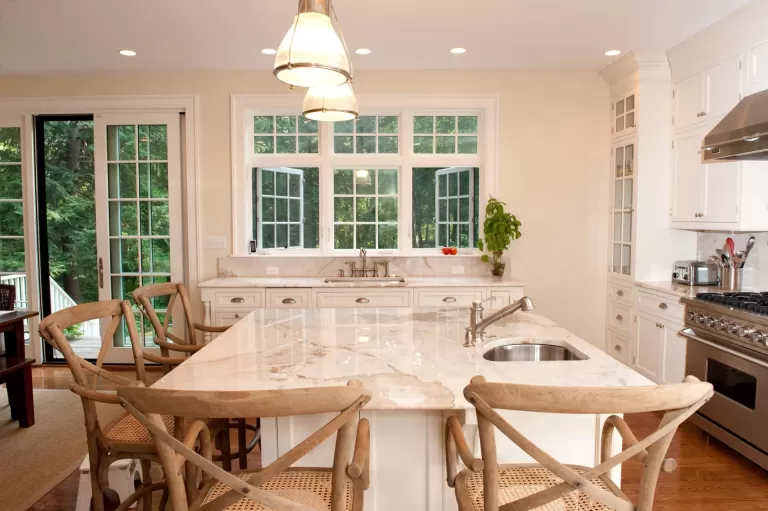
Natural daylight is another essential factor that influences how slab colors are perceived. The quality of natural light changes throughout the day, shifting from soft, warm tones in the early morning and late afternoon to bright, cool tones at noon. This variation can significantly affect how the colors of your selected slabs are showcased.
3.1 Morning and Evening Light
During the morning and evening, when the sun is lower in the sky, the light tends to be warmer and softer. This type of lighting can enhance the warmth of natural stone slabs, making them appear more inviting. Spaces that receive ample morning or evening light can be complemented beautifully with warm-toned slabs, creating a welcoming ambiance.
3.2 Midday Light
In contrast, midday sunlight is more direct and has a cooler tone. This type of lighting can make colors appear brighter and more saturated. Slabs that may have subtle color variations can come to life under midday light, revealing intricate patterns and textures that might be less visible in warmer lighting conditions.
4. The Impact of Reflections
Reflections can also play a significant role in how slab colors are perceived. The surface finish of a slab, whether polished or matte, can either amplify or diffuse light, affecting the overall color appearance.
4.1 Polished Surfaces
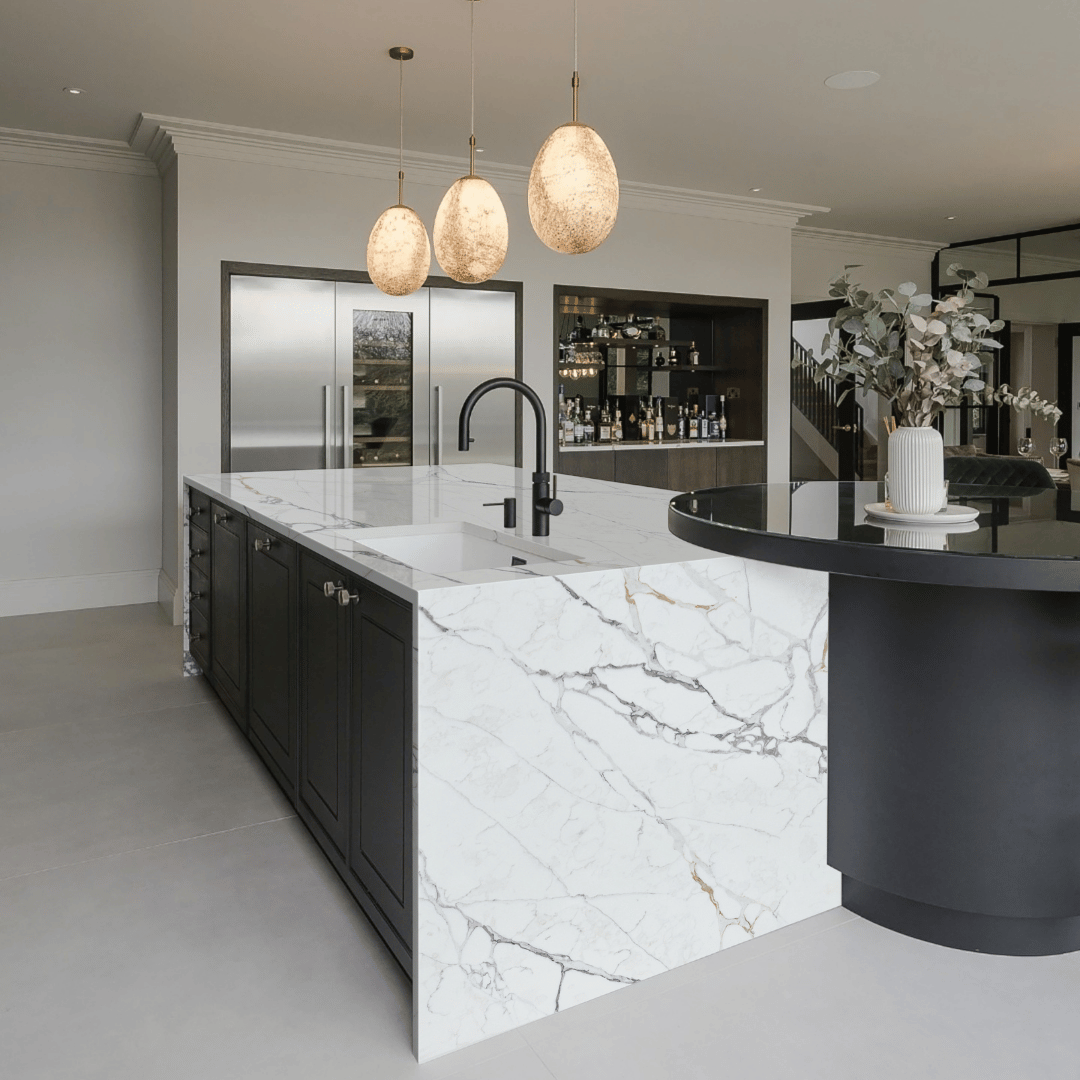
Polished slabs have a reflective quality that can enhance the vibrancy of colors. When light hits a polished quartz or porcelain surface, it bounces off, creating a brilliant effect that can make colors appear more vivid and dynamic. This is particularly advantageous in spaces where you want to make a bold statement or highlight specific design elements.
4.2 Matte Surfaces
Conversely, matte surfaces absorb more light and tend to have a more subdued appearance. While they might not showcase the same level of vibrancy as polished slabs, matte finishes can offer a softer, more understated aesthetic. This can be particularly appealing in settings where a more tranquil or sophisticated atmosphere is desired.
5. Choosing the Right Lighting for Your Slabs
When selecting lighting for your slabs, it’s essential to consider the overall design intention and the atmosphere you want to create. Here are some tips:
- Evaluate the Color Temperature: Choose warm LEDs for cozy, inviting spaces and cool LEDs for a modern, sleek look.
- Consider Natural Light: Take into account how natural light will change throughout the day and how it will interact with your chosen slabs.
- Test Samples: Always test slab samples under different lighting conditions before making a decision. This real-world evaluation can help you see how the colors shift and evolve.
- Layer Your Lighting: Consider using a combination of ambient, task, and accent lighting to enhance the overall appearance of your slabs.
6. Conclusion
Understanding how lighting affects slab color is crucial for anyone looking to create stunning interiors that showcase the beauty of quartz, porcelain, and natural stone. By considering the type of lighting—whether warm or cool LEDs, natural daylight, or reflections—you can make informed choices that enhance your space’s aesthetic appeal. At Builder Stone Global, we invite you to explore our premium slab collections and see how they can transform your architectural surfaces. For more information, contact our team or check our live inventory for availability. Call +1 470-551-2092 to speak with our surface specialists today!